Hepper is reader-supported. When you buy via links on our site, we may earn an affiliate commission at no cost to you. Learn more.
Is Maltodextrin Safe for Dogs? Vet Approved Facts & FAQ


In this article
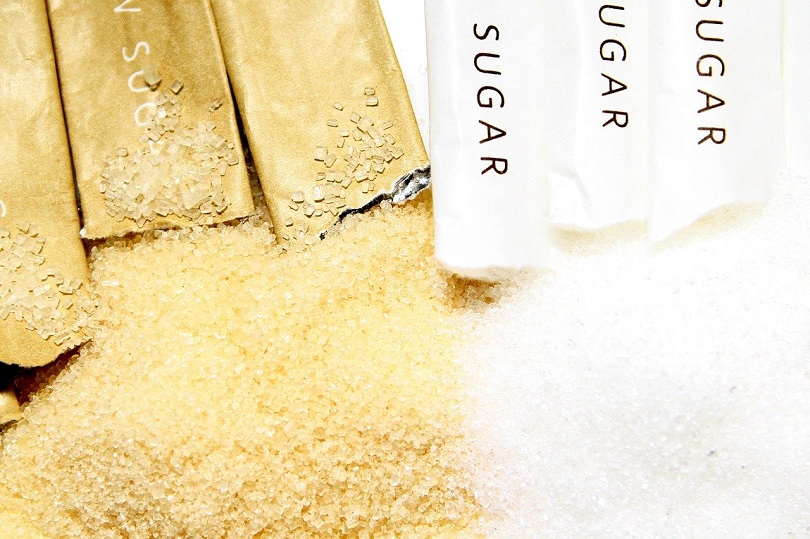
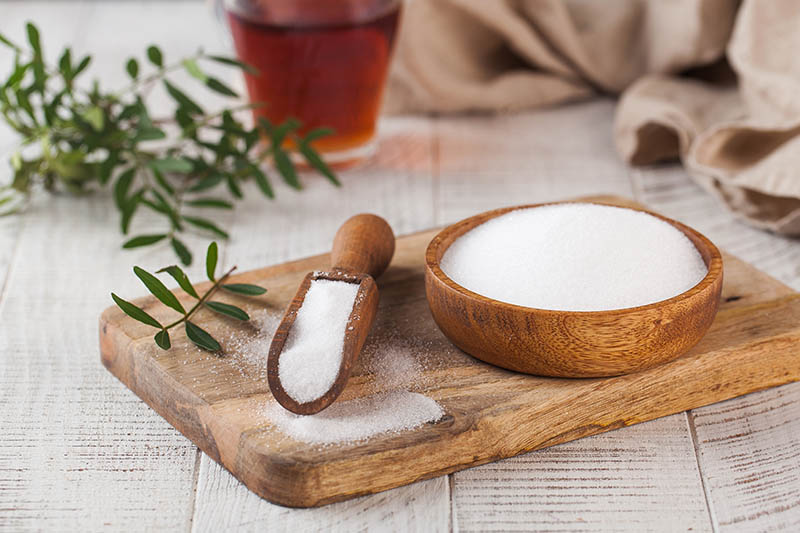
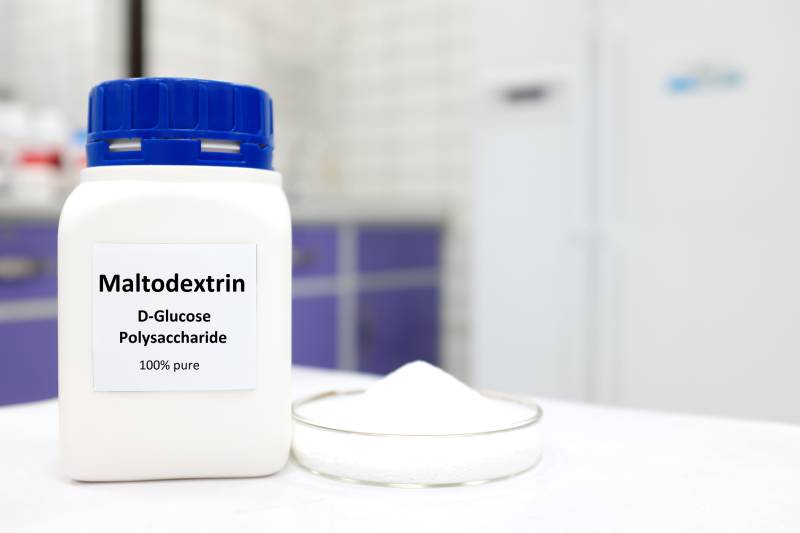
Most dog owners would agree that proper nutrition is key to keeping their pets healthy, happy, and thriving. But do you know what is in your dog’s food? Maltodextrin is a partially hydrolyzed sugar compound and food additive sometimes found in pet food and supplements. The Association of American Feed Control Officials (AAFCO) approved maltodextrin for use in pet foods in 2017, and maltodextrin is labeled as a “GRAS” food additive (Generally Recognized as Safe) by the FDA, but is it safe for your dog?
Maltodextrin generally isn’t considered a health-promoting ingredient, and it may be lurking in places you don’t expect. Read on to learn more about this sugar compound and how it can affect your pup.

What Is Maltodextrin?
Maltodextrin is a highly processed carbohydrate from corn, rice, potato starch, or wheat. Human food manufacturers have added it to food to improve flavor and thickness and extend the shelf life for over 30 years. You can find it in processed foods like salad dressings, gravies, frozen dairy products, and health supplements. Pet food manufacturers use maltodextrin for the same reasons—to add taste and preservation. It can also aid in binding and help control browning and crispness in things such as baked treats.
Maltodextrin may appear in ingredient lists such as corn syrup solids, glucose polymers, dextrins, etc.
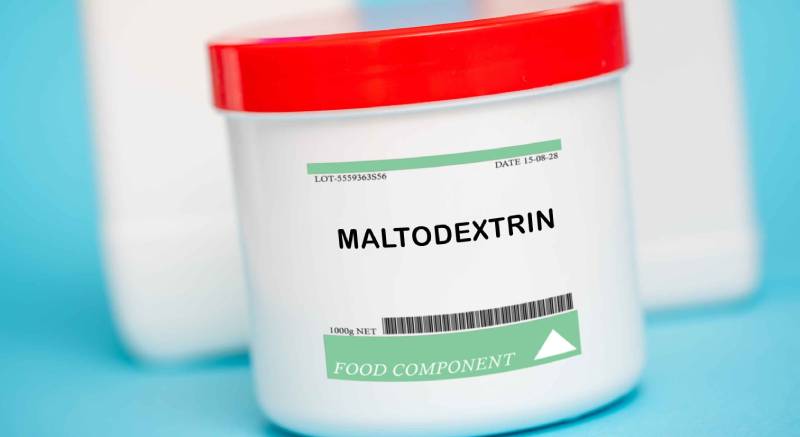
How Is Maltodextrin Given?
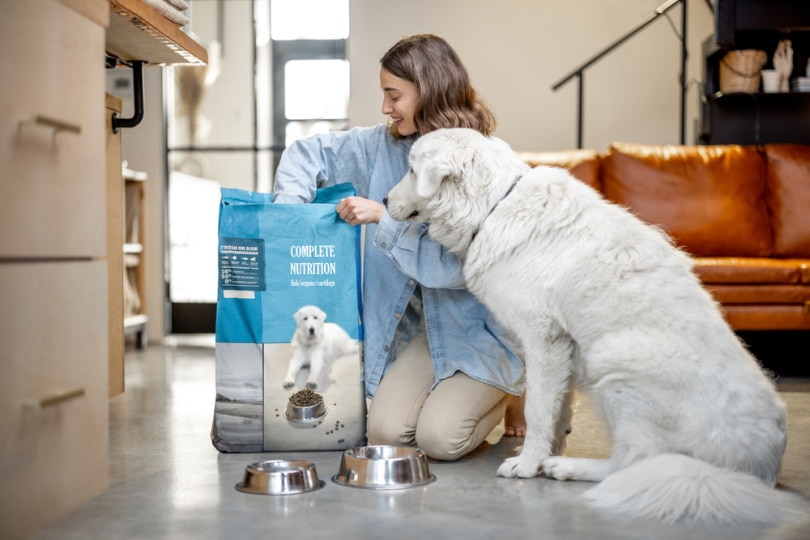
The AAFCO approved maltodextrin for use in pet food in 2017. It can be found in pet foods, treats, and supplements. It’s not there to add sweetness but for structural reasons, to provide support and protect against moisture. You’ll often see it in the ingredient list for products like semi-moist treats, canned food, and supplements. It is commonly used in producing probiotics as a carrier base and stabilizer. The kicker is that carriers are often not included on supplement labels, so you may unknowingly expose your pup to maltodextrin.

Potential Side Effects of Maltodextrin
There are three main concerns regarding maltodextrin and dogs.
1. Excessive consumption can lead to malnutrition.
Maltodextrin can provide an energy boost but doesn’t provide the long-term energy benefits of true complex carbohydrates. Like sugar, it burns fast and often leads to a crash. Foods loaded with maltodextrin can then rob your pup of other vital nutrients he requires. Furthermore, the sugars can cause weight gain and may lead to obesity and its related conditions, in various species.
2. Studies in humans show that maltodextrin can alter gut bacteria
While this study was not replicated in dogs, it shows that maltodextrin affects gut health1. Since your dog’s gastrointestinal tract plays a role in up to 80% of his immune system, it stands to reason that overexposure to maltodextrin may impact his gut health and lead to disease and illness.
3. Maltodextrin is typically manufactured from genetically modified (GMO) corn
While the FDA lists GMO corn as safe, the inclusion of genetically engineered crops in pet food is highly controversial. Many independent animal feeding safety studies show adverse effects from genetically modified foods. These effects include inflammation, abnormal cell growth, cellular changes in the organs, and high mortality.

Frequently Asked Questions
Is maltodextrin bad for dogs?
Maltodextrin isn’t bad for pups; the FDA even lists it as a “generally regarded as safe” (GRAS) product. Studies show that it can benefit dogs participating in endurance activities such as hunting or racing as it is quickly digested and released as glucose. This quick release of dietary glucose can replenish muscle glycogen stores. Some canine sports bars even contain maltodextrin for its high glycemic index and ability to be absorbed quickly by the gut. However, it’s recommended to feed maltodextrin supplements only on days of competition.
How do I know if my dog’s food or probiotics contains maltodextrin?
Unfortunately, determining if your pup’s food or supplement contains maltodextrin isn’t always easy. It’s not always labeled as such in the ingredient list, so you may need to put on your detective hat. Some labels will use terms such as “syrup solids”, “dextrins”, or “glucose polymers”, while others don’t mention it at all.
Contact the manufacturer if you’re curious about your dog’s probiotic supplement and whether it contains maltodextrin. Ask them, “What carrier (or base) are your probiotics in?” If they cannot answer the question or don’t want to delve deeper to find out from the supplier the answer, it’s best to avoid the product.

Conclusion
While maltodextrin is technically safe for dogs, it’s not a nutritious additive to their diet. It can boost energy for dogs in competitive sports, but its empty calories provide zero nutritional value. Unfortunately, maltodextrin is difficult to avoid in dog foods and supplements, but reducing your pup’s exposure wherever possible is generally recommended.
Sources
https://journals.plos.org/plosone/article?id=10.1371/journal.pone.0052132
https://unionlakeveterinaryhospital.com/blog/your-pets-immune-system-and-gut-health#:~:text=There%20is%20a%20strong%20link,on%20having%20strong%20immune%20systems.
https://www.britannica.com/explore/savingearth/consumers-beware-genetically-engineered-crop-ingredients-in-pet-foods-and-human-foods#:~:text=Almost%20every%20independent,mortalities%20than%20normal.
https://researchgate.net/publication/354355635_Dextrins_for_dogs_Main_points
Featured Image Credit: sulit.photos, Shutterstock
Get Hepper In Your Inbox


Pet care tips from our vets and experts, straight to your inbox.
You may opt-out at any time. View our Privacy Policy for more information.
Chantelle's life revolves around two passions: writing and animals. Raised on the prairies of Canada amidst a menagerie of pets, she now lives with five cats, two guinea pigs, and a bearded dragon. Together with her husband and child, Chantelle delights in being an exemplary animal parent, going as far as installing wall-mounted cat shelves to give their cats an indoor playground. When she's not cozying up with her cats or snapping their amusing antics, she enjoys venturing into the Rocky Mountains, binge-watching her favorite Netflix shows, and indulging in spontaneous reading adventures.
Join the conversation
Ask a question, share your story, or send private feedback.