Hepper is reader-supported. When you buy via links on our site, we may earn an affiliate commission at no cost to you. Learn more.
Jindo vs Akita: The Main Differences (With Pictures)

In this article
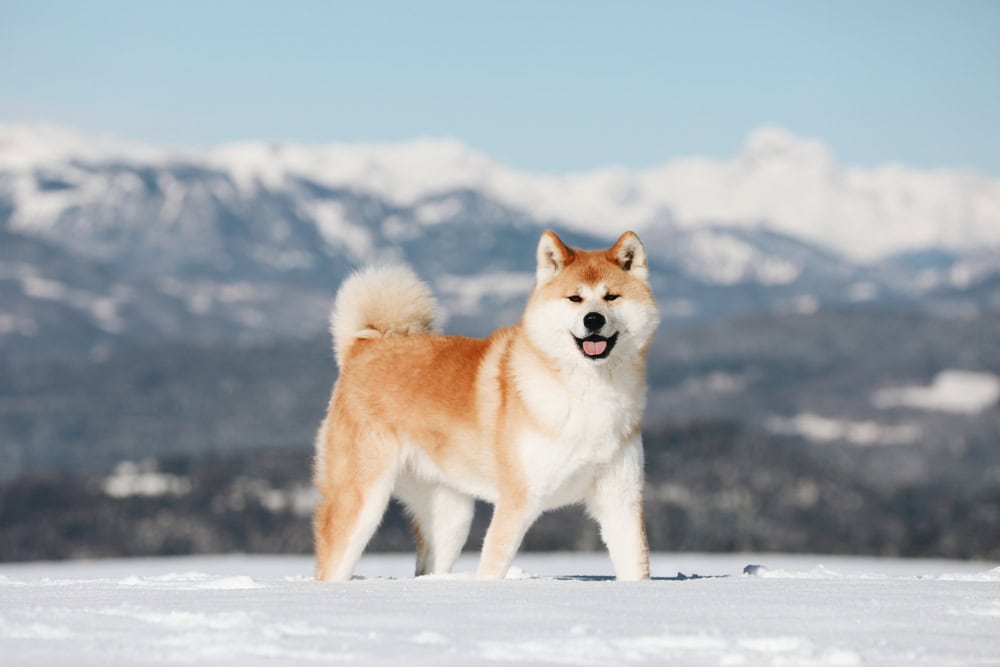
The Jindo is the national dog of Korea, and they get their beautiful name from Jindo island. Meanwhile, the Akita is a Japanese breed born in the northern mountains and is also one of the six national dogs of this country. Are you struggling to choose between an Akita and a Jindo?
These two canines have many similarities but also many differences that most people may not be aware of. Read on to discover some of these differences and decide which dog is the best choice for you.

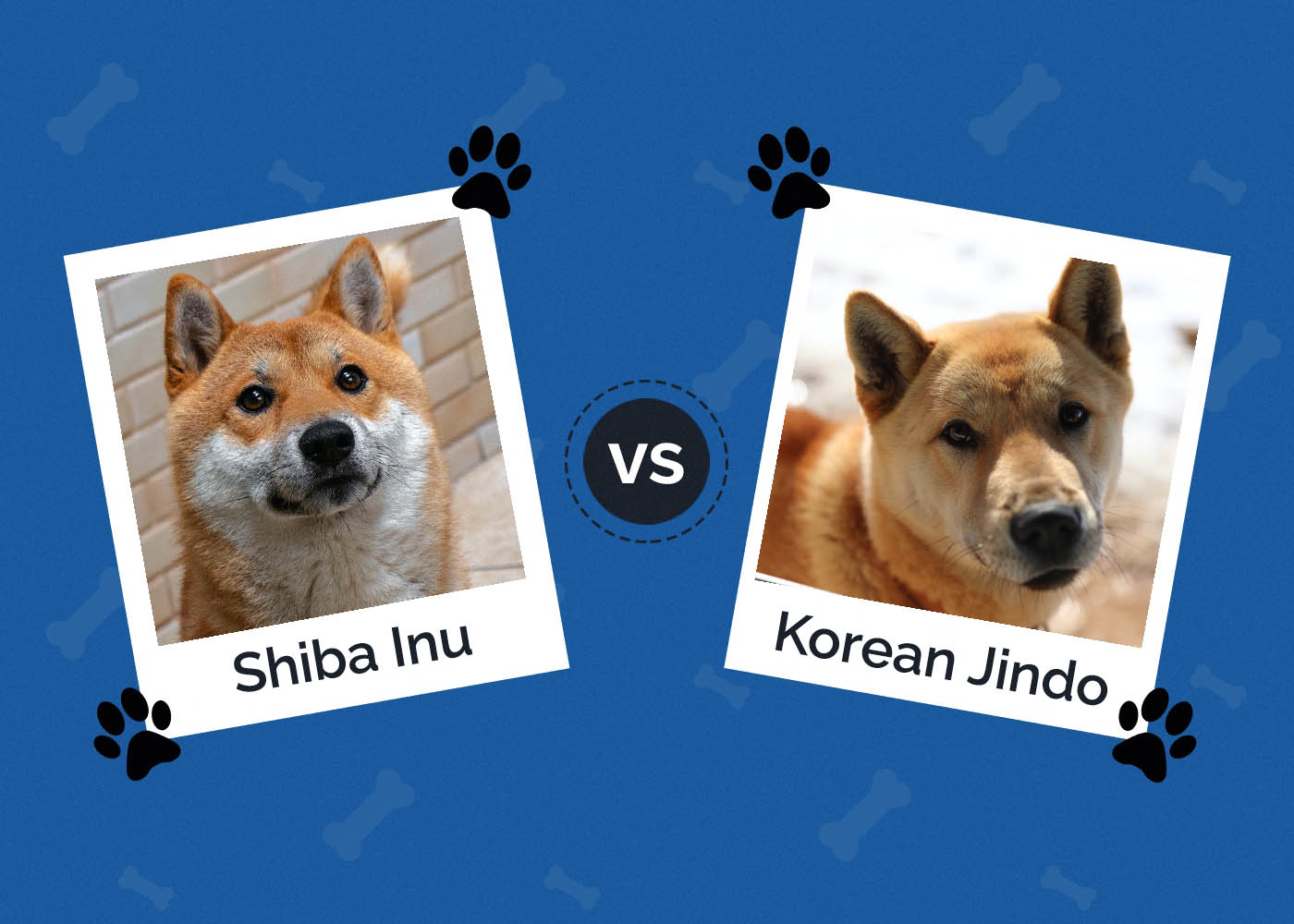
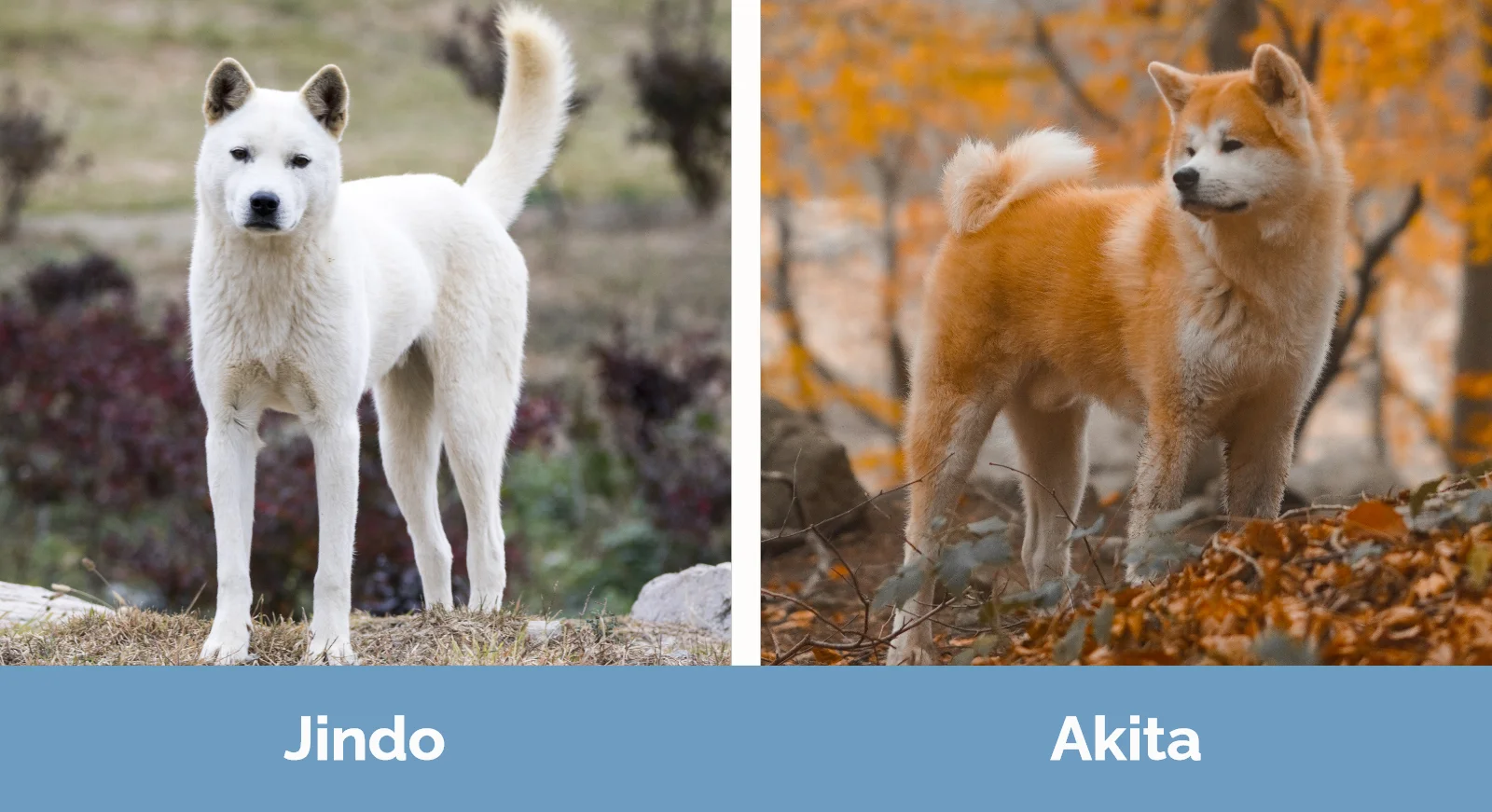
Visual Differences
At a Glance
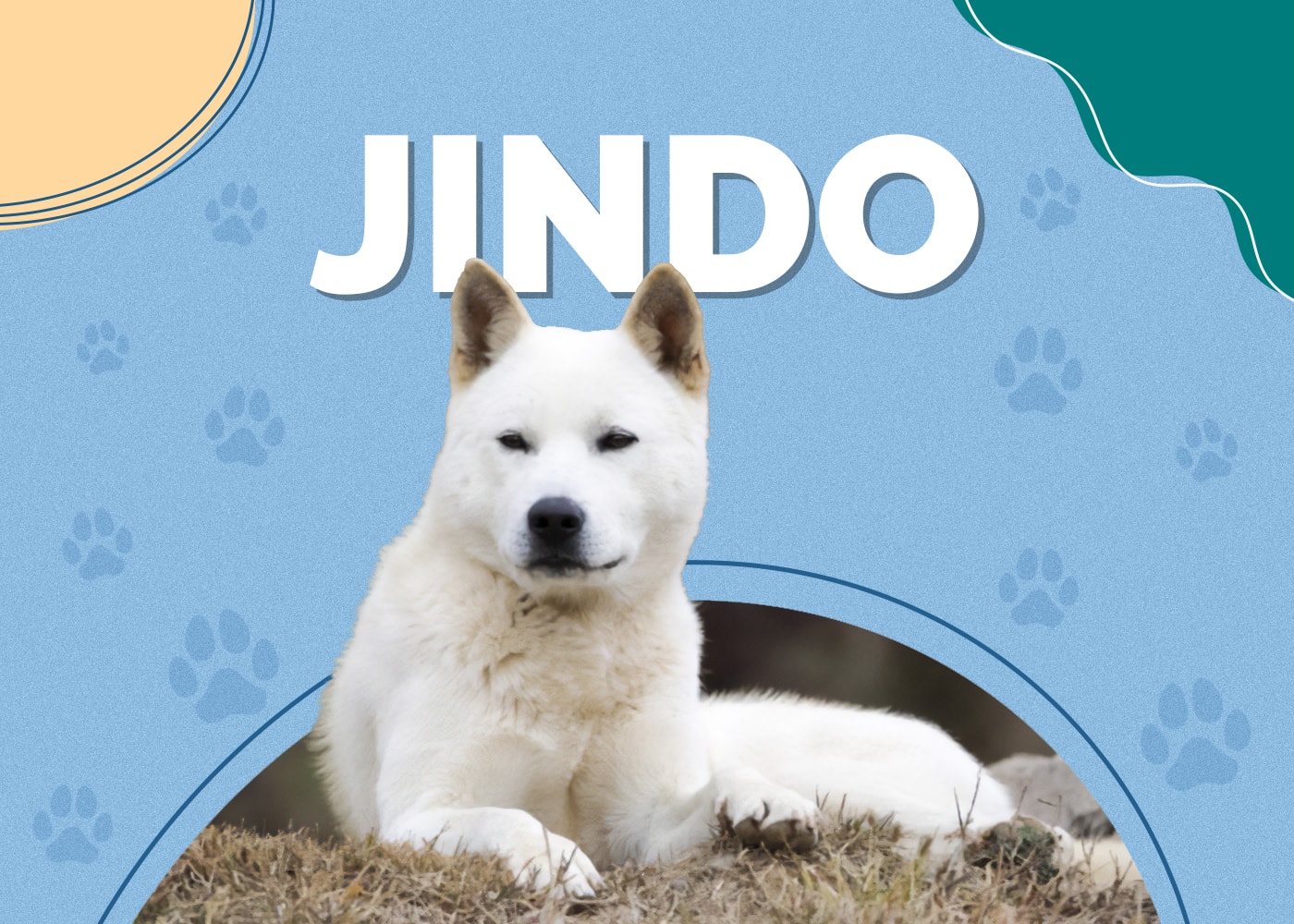
Jindo Overview
History
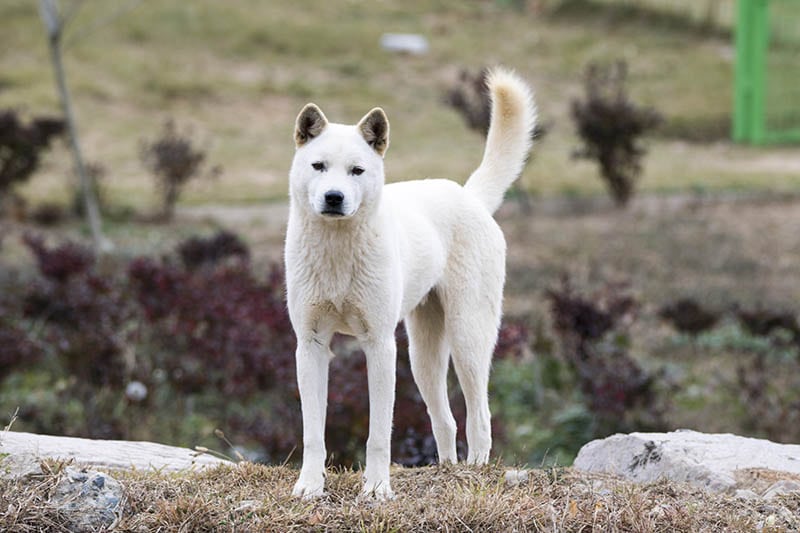
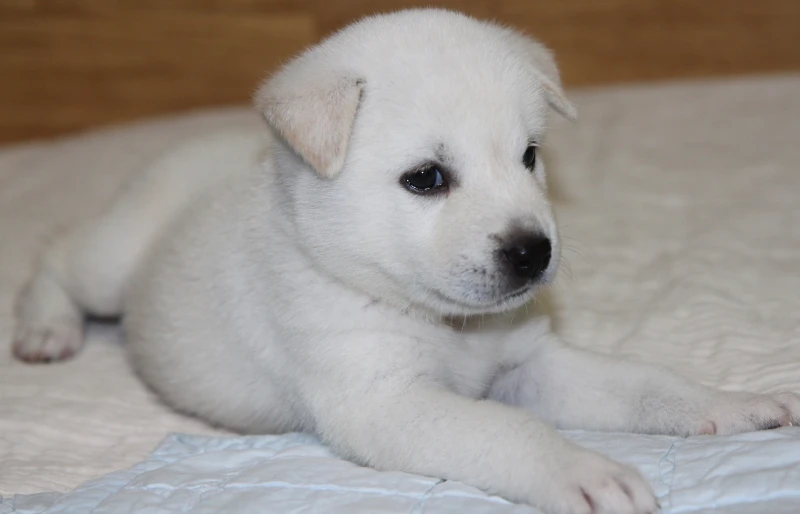
A small island named Jindo off the coast of South Korea is where the Jindo breed first appeared and was well-known for coexisting with people on this island for thousands of years. Along with protecting houses, they also went hunting with their owners. The Jindo is a national treasure in Korea. They were even included in the opening ceremony of the 1988 Olympic Games held in Seoul, Korea.
The Jindo is a member of the Northern Breeds category of the United Kennel Club. The American Kennel Club's Foundation Stock Service also includes this breed, which is the first step toward their eventual full recognition. The Fédération Cynologique International, a global kennel club, also recognizes Jindo dogs.
Personality
Jindos are famous for their devotion and commitment to their owners. These pups tend to be calm, but they can also be wary of strangers and exhibit intense hunting drives at times. This dog breed makes a very polite member of the family. They are intelligent and love to learn new things.
Training
These Korean dogs benefit from early training and socialization to help them grow into confident pets that don't overreact to "suspicious" circumstances (like when new faces enter the house). But despite their intelligence, training a Jindo is not so easy. They're independent and don't always want to engage in training.
Health & Care
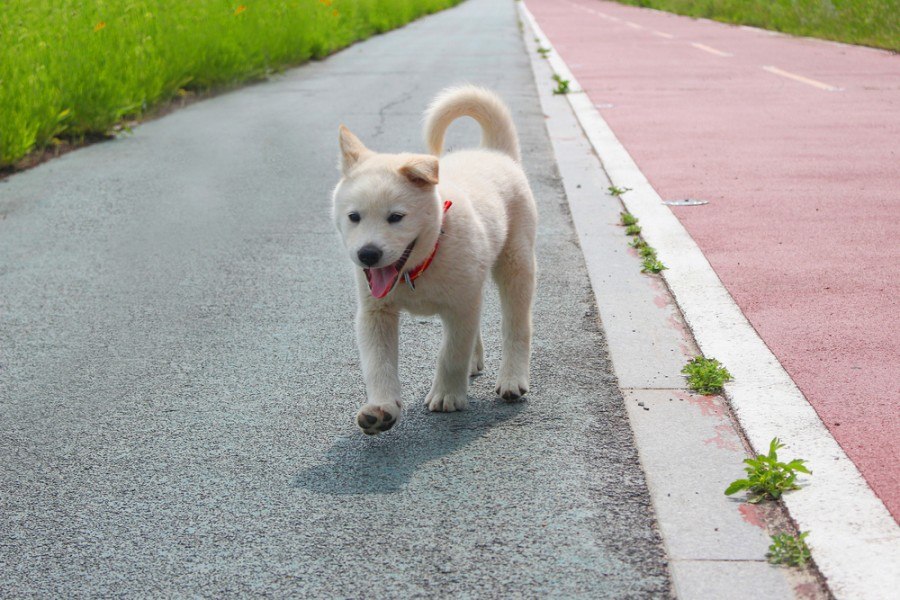
The Jindo is a generally healthy dog with a long expected lifespan. The breed is prone to a few health issues, however, including hypothyroidism and discoid lupus erythematosus (an autoimmune disease).
Exercise
Contrary to popular belief, Jindos don't require massive amounts of exercise. Your dog may be satisfied with a walk each day that lasts about 60 minutes, although they can always go more if you want. Since they are athletic and powerful, Jindos may enjoy hunting, running, hiking, or climbing. When outside, these pups should always be on a leash.
Grooming
Jindos are naturally clean. They can still smell and feel good with only occasional baths. They shed a lot of their undercoat during shedding seasons that occur twice a year, so there will be a lot of fur in your house at these times. However, daily brushing can keep the situation under control. Apart from those periods, they shed little and maintain their neat appearance with only a weekly brushing.
Suitable For:
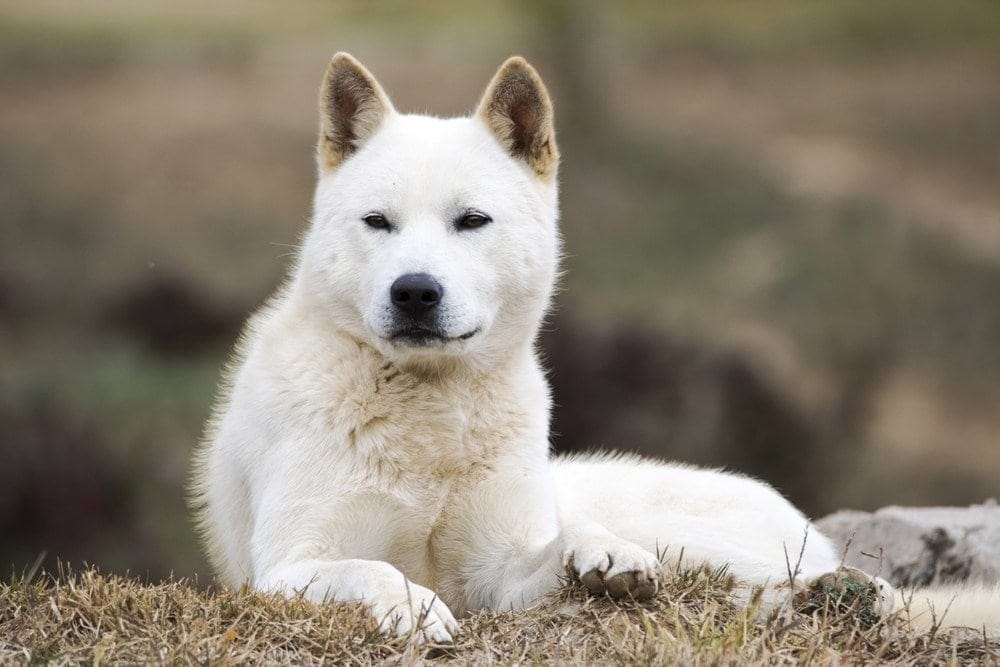
Due to their reputation for being difficult to train, the Jindo is typically not a good choice for first-time dog owners. This breed is best for experienced parents who know how to show their pets firm leadership.
The great thing is that these pups don't bark excessively, do not require hours of exercise every day, and adapt well to domestic life and a small house. Apartment dwellers should remember that many Jindos are skilled escape artists, so don't forget to keep an eye on open doors!

Akita Overview
History
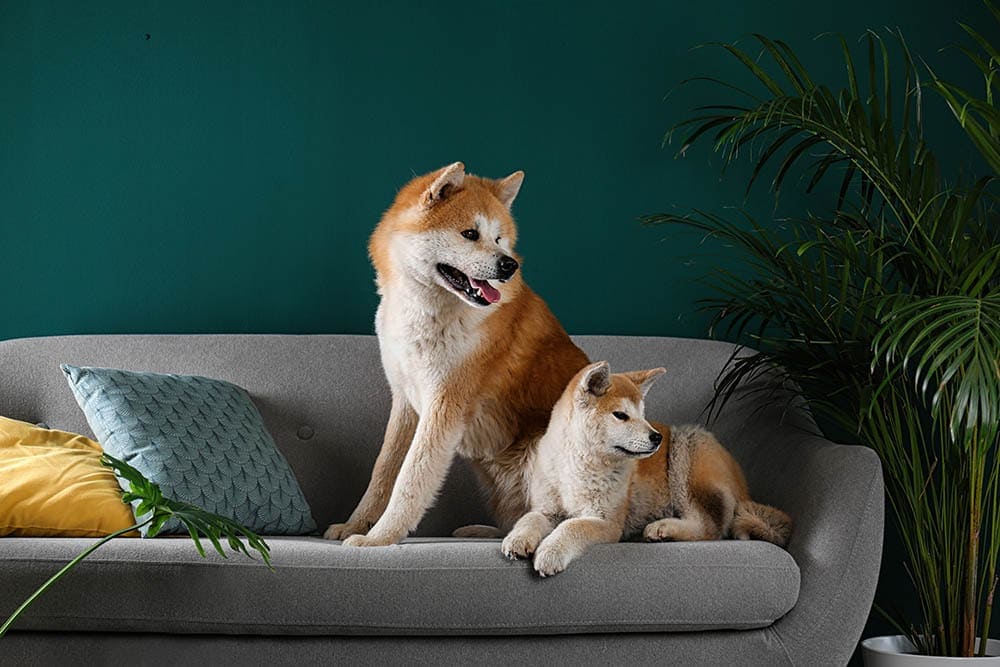
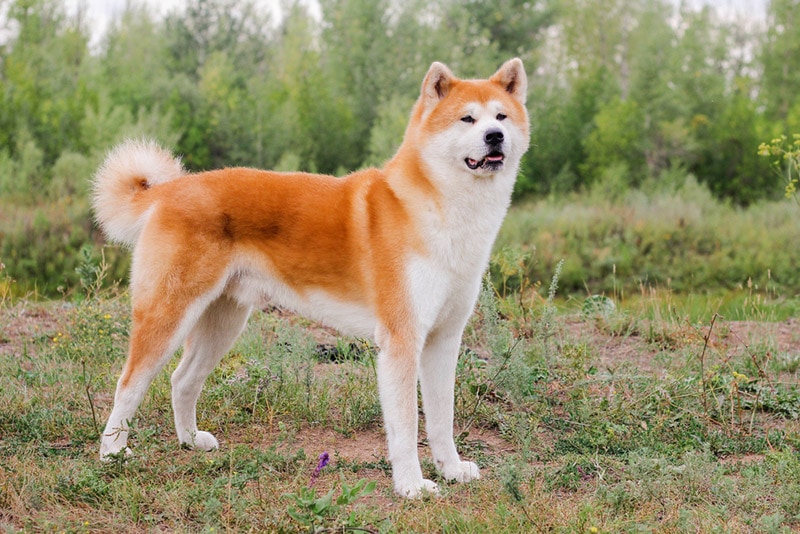
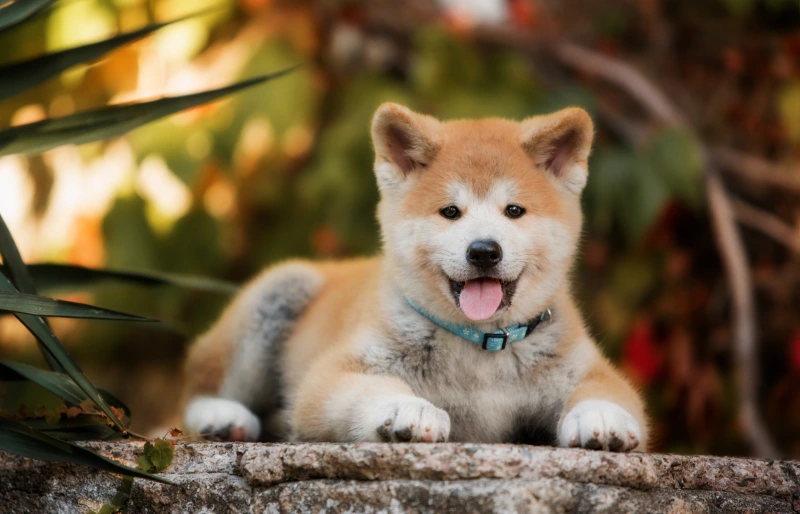
The breed’s name comes from the Akita prefecture in Japan, where their lineage may date back to the 17th century. While being bred to be powerful hunting dogs, the Akita became known for their loyalty. The breed changed from being a hunting companion to becoming a devoted family pet when hunting was no longer as popular. They're officially one of six breeds listed as natural national treasures in Japan. Before American soldiers who had returned from the war brought the Akita back, this breed was still relatively unknown in the US. Finally, in 1972, the American Kennel Club formally recognized the Akita.
Personality
The Akita is a brave and independent dog that is naturally suspicious of strangers and fiercely devoted to its family. They may show aggression towards other canines, particularly those of the same sex. However, they are very playful and loving when around those they see as family. They love to join in everyday family activities and enjoy the company of their owners.
Training
Akitas are known to be headstrong and difficult-to-train dogs despite being quite intelligent. Because of this, training is challenging but also crucial. You can keep your Akita under control and bring out their best qualities by giving them early obedience training and socialization.

Health & Care
Responsible breeders work hard to maintain the highest breed standards set by organizations like the AKC. As a result, there is a lower risk of inheriting health issues in dogs bred to these criteria. However, the Akita is still susceptible to some inherited health issues, including hip and elbow dysplasia and hypothyroidism.
Exercise
When bored, an Akita may become destructive. Because of their relatively high energy levels, this breed needs between 60 and 90 minutes of daily exercise, including at least one or two brisk walks. They are also well suited to homes with a backyard where they can run around and play, and burn off some excess energy.
Grooming
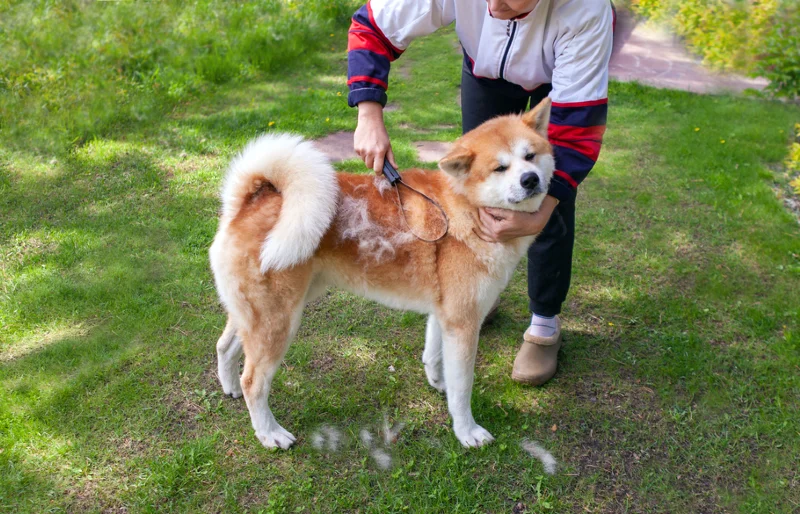
The Akita has a dense, soft undercoat beneath the stiff, straight outer coat. They have two main shedding seasons and will shed a lot of hair during these times, so brushing should be done more regularly during these periods. In general, this breed requires very minimal routine grooming for regular maintenance.
Suitable For:
The Akita is incredibly loving and sweet with family, but they are best suited for a household without young kids and other pets. These canines have strong personalities, so they are not the right breed for inexperienced owners. Parents who can train them firmly but still lovingly are what they need to thrive.

Which Breed Is Right for You?
There are numerous similarities between Jindos and Akitas. These dogs are both loyal, fearless, independent, alert, and careful. These canines generally dislike other dogs, especially of the same sex, and they have a strong hunting instinct due to their origins. They are devoted to their master above all else, though. The main difference between the Jindo and the Akita is that Jindos are smaller overall, and tend to be easier to train than Akitas.
With all that said, both dogs require experienced owners who can provide proper training and socialization from an early age.
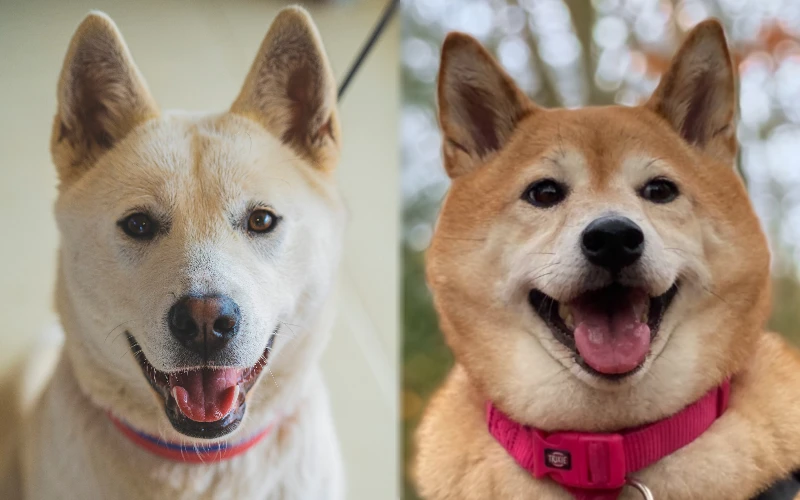
Featured Image Credit: Left - Jindo (JDMatt, Shutterstock) | Right - Akita (Charlotte Rush, Unsplash)
Get Hepper In Your Inbox


Pet care tips from our vets and experts, straight to your inbox.
You may opt-out at any time. View our Privacy Policy for more information.
Hanh is a freelance writer living in Vietnam. She has a big love for working online and writing about animals, especially dogs. She finds happiness in helping pet parents across the globe have a fulfilling life with their pets by sharing her knowledge and that of other experts. When not writing, she enjoys traveling and experiencing different cultures.
Join the conversation
Ask a question, share your story, or send private feedback.