Hepper is reader-supported. When you buy via links on our site, we may earn an affiliate commission at no cost to you. Learn more.
7 Maine Coon Cat Health Problems: Vet Approved Facts

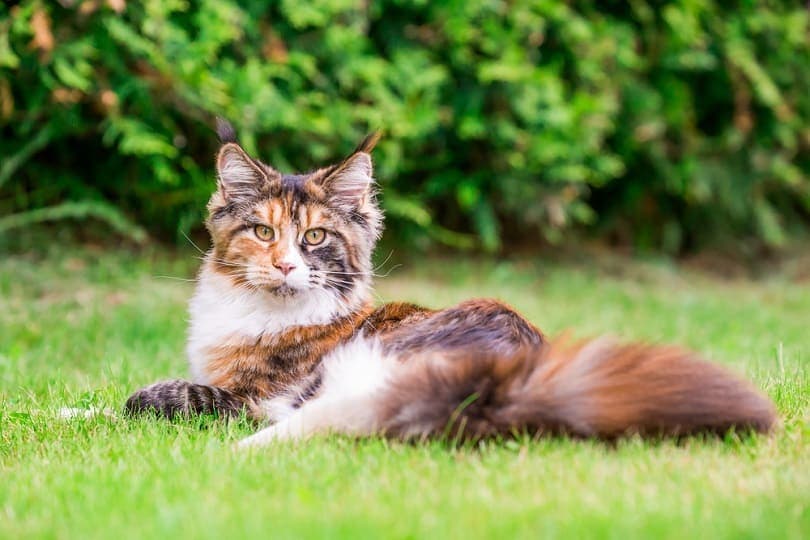
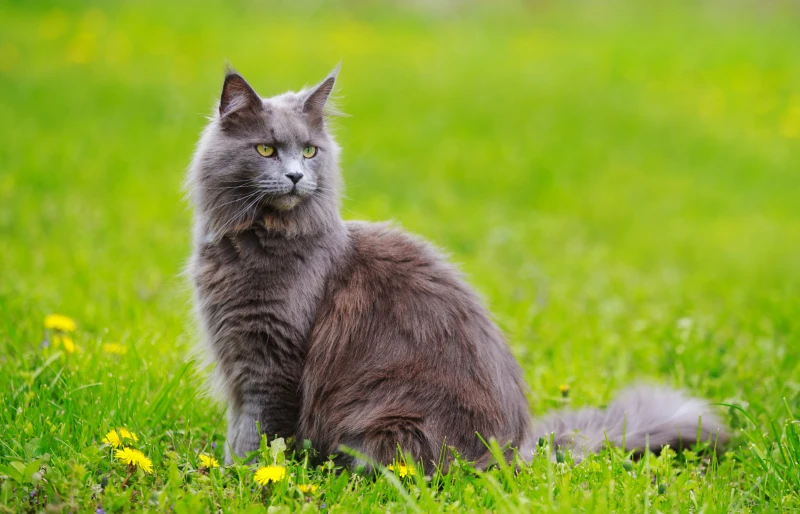
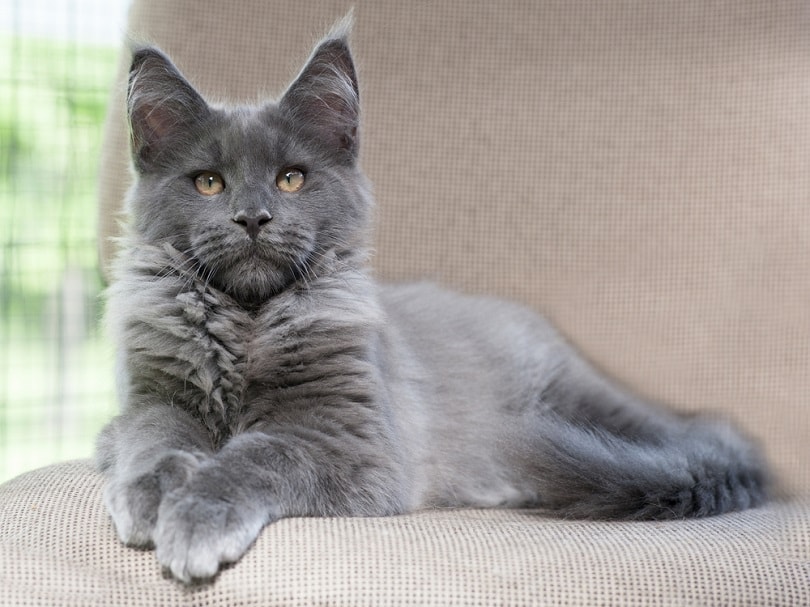
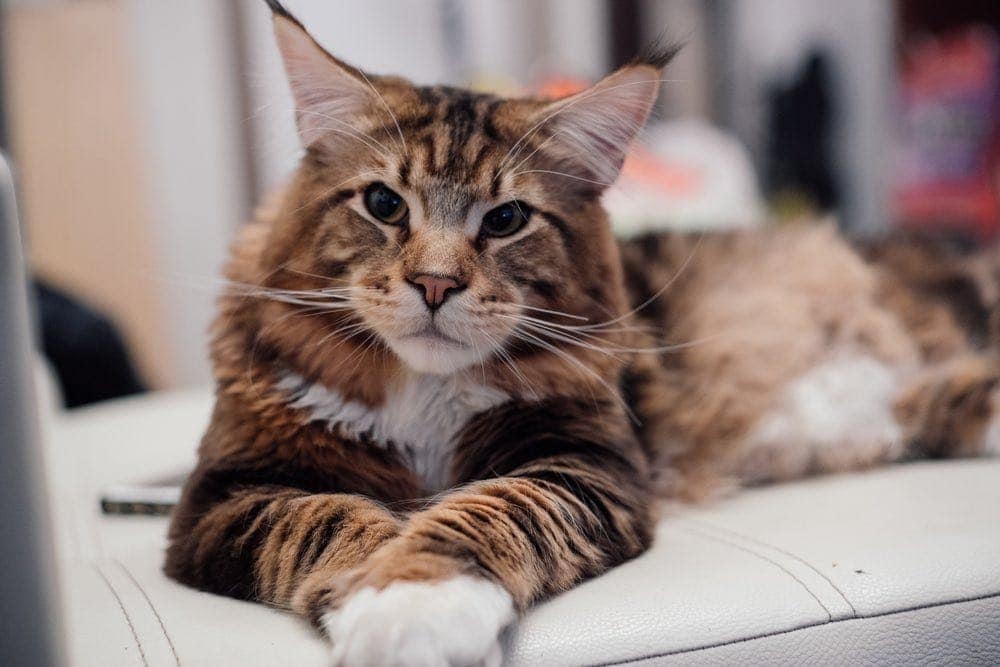
Maine Coons are a beautiful cat breed known for their hardiness and longevity. After all, they're one of the oldest natural breeds in North America.
If you are considering adopting a Maine Coon, you’ll soon find out how gentle, laidback, and intelligent this breed can be. While temperament is a great thing to consider before adopting a new pet, it’s just as important to research any predispositions the breed might have to certain health issues.
Keep reading to find the seven most common Maine Coon health problems you should be aware of.

The 7 Main Coon Cat Health Problems
1. Obesity
As with most cats, Maine Coons can be susceptible to obesity. Obesity is so common amongst felines that around 35% of the cat population is considered obese. Approximately half of all cats between the ages of 5 and 11 weigh in higher than they should, too.
There’s more to obesity than having a chubby cat waddling around your home. When your cat is overweight, they are at risk of developing other serious health conditions.
Obese cats are much more likely to develop diabetes. Around 80% to 90% of cats with diabetes are obese.
Hepatic lipidosis is a common liver disease seen in cats. It is often seen in overweight cats and is potentially fatal.
Overweight cats are also much more at risk for developing degenerative joint diseases. Any excess weight your kitty carries around with them will put additional stress on their joints and could eventually cause this disease.
The good news is that obesity is entirely preventable.
2. Dental Disease
Some studies suggest that around 50% to 90% of cats older than four years will develop a type of dental disease. As with obesity, however, many of these diseases are preventable or treatable with preventative care and monitoring.
The most common dental diseases in cats are gingivitis, periodontitis, and tooth resorption. The severity of these diseases can vary greatly, and the symptoms can become worse if left untreated.
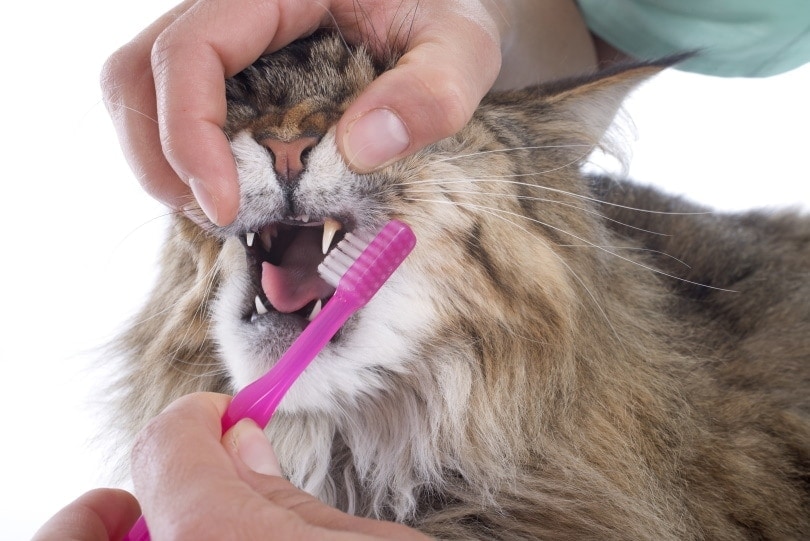
Maine Coons, as with every other cat breed, do not know how to take care of their own teeth. They need extra help from their owners to ensure proper oral hygiene.
Dental diseases begin with food residue left on their teeth which will eventually harden into tartar. This tartar will begin to build up on your cats’ teeth over time and can cause gum or tooth root infections.
Some cats will even lose teeth or suffer internal organ damage from chronic dental infections.
3. Hypertrophic Cardiomyopathy
According to Figo Pet Insurance, Maine Coons are at risk of an inherited disease called hypertrophic cardiomyopathy (HCM). This is a relatively common heart disease often found in purebred cats.
HCM causes your cat’s muscular heart muscle walls to thicken. This effectively reduces their heart’s ability to work as it should, causing a decrease in the heart chamber’s volume and abnormal relaxation of the muscle. HCM can cause other symptoms throughout their body and put them at risk of a potentially life-threatening blood clot in the heart.
One in every three Maine Coons will inherit a gene mutation at birth that can cause HCM. Cats with HCM are more likely to develop heart disease or have a sudden death when they’re much younger.
4. Hip Dysplasia
Figo Pet Insurance reports that up to 23% of Maine Coons will develop hip dysplasia in their lifetime. This condition is a painful orthopedic disorder that affects a cat's ability to move around freely.
Hip dysplasia is a malformation of your cat’s ball and socket joint that connects the thigh bone to the hip. In a cat without this condition, the ball joint will fit snugly within the socket and can glide around and partially rotate, which will allow cats to stand, climb, and lie down.
Cats with hip dysplasia, though, have misaligned and loose ball and sockets preventing the ball from moving as smoothly as it should. This causes the femoral head (ball) and acetabulum (socket) to grind against one another, which over time will result in looseness of the joint and may even lead to osteoarthritis. Depending on the severity, this can be a painful condition.
5. Spinal Muscular Atrophy (SMA)
Spinal muscular atrophy is a genetic condition that’s often seen in Maine Coons. It happens when the nerve cells in the lower portion of the spinal cord fail to develop as they should. When affected cats are around three months old, they begin to lose muscle tone in their hind legs and will struggle with walking.
SMA is incurable but it’s not painful or fatal. Maine Coons with this condition will require extra care and attention, however. Cats with this condition should live indoors only as they will not be able to protect themselves as easily if they were to encounter a predator or dangerous situation outdoors.
6. Patellar Luxation
While patellar luxation can happen in many cat breeds, it seems that Maine Coons are at a slightly higher risk.
Patellar luxation is an orthopedic condition marked by a kneecap that moves out of its normal location. It can cause instability in your cat’s hind legs as the knee joint isn’t able to function as it should. Maine Coons with this condition can be in varying amounts of pain or immobility.
Cats are great at hiding when they’re in pain or discomfort so you may not notice the signs of patellar luxation until the condition is well advanced. The key to helping your kitty heal from patellar luxation is early detection. You might wish to get your Maine Coon X-rayed when you take them for their spay or neuter to rule out this condition.\
7. Pyruvate Kinase Deficiency
Pyruvate kinase (PK) deficiency is an inherited condition that some breeds may be genetically disposed to. Around 12% of Maine Coons are carriers of the genetic mutation that causes PK deficiency.
This condition is a red blood cell enzyme disorder that can cause anemia. Cats affected with PK deficiency may show symptoms, such as lethargy, diarrhea, anorexia, weight loss, and jaundice. The age of onset can vary.
Some Maine Coon breeders may test their kittens for this condition before adopting them. The PKDef test can detect this mutation with a reliability greater than 99%.
Conclusion
While Maine Coons may be genetically disposed to the conditions above, it doesn’t mean that your kitty will develop these issues. Your kitty could go his entire life without a single joint, dental, or weight issue.
All reputable Maine Coon breeders will provide adopters with proof of genetic testing for abnormalities, hereditary predispositions, and defects.
If you ever have any concerns about your cat’s health or behavior, though, it is important to make an appointment with your vet. They can provide the testing necessary to diagnose any potential health conditions, and their expertise can provide peace of mind.
Over time, visits to the vet can really add up. If you're looking for a good pet insurance plan that won't break the bank, you may want to look at Lemonade. This company offers adjustable plans customized to your pet's needs.
Sources
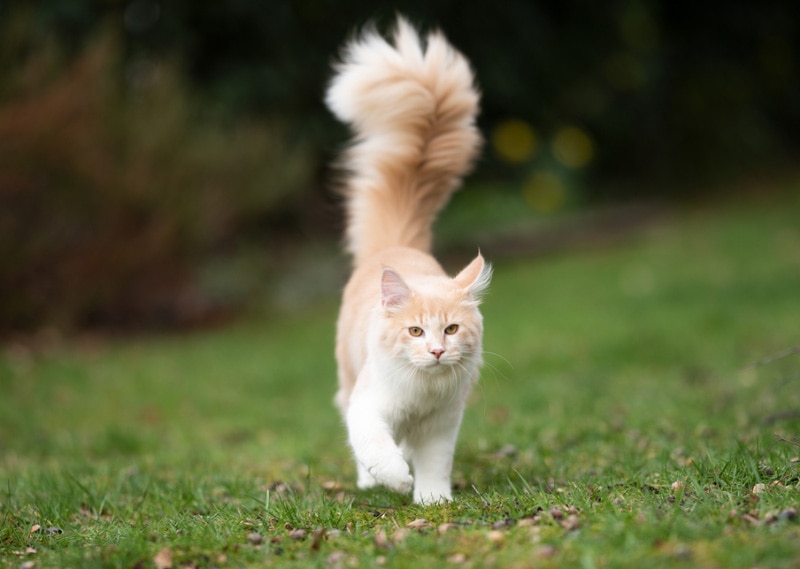
Featured Image Credit: Ermolaev Alexander, Shutterstock
Get Hepper In Your Inbox


Pet care tips from our vets and experts, straight to your inbox.
You may opt-out at any time. View our Privacy Policy for more information.
Chantelle's life revolves around two passions: writing and animals. Raised on the prairies of Canada amidst a menagerie of pets, she now lives with five cats, two guinea pigs, and a bearded dragon. Together with her husband and child, Chantelle delights in being an exemplary animal parent, going as far as installing wall-mounted cat shelves to give their cats an indoor playground. When she's not cozying up with her cats or snapping their amusing antics, she enjoys venturing into the Rocky Mountains, binge-watching her favorite Netflix shows, and indulging in spontaneous reading adventures.
Join the conversation
Ask a question, share your story, or send private feedback.