Hepper is reader-supported. When you buy via links on our site, we may earn an affiliate commission at no cost to you. Learn more.
8 Snowshoe Cat Health Problems: Vet-Reviewed Health Guide


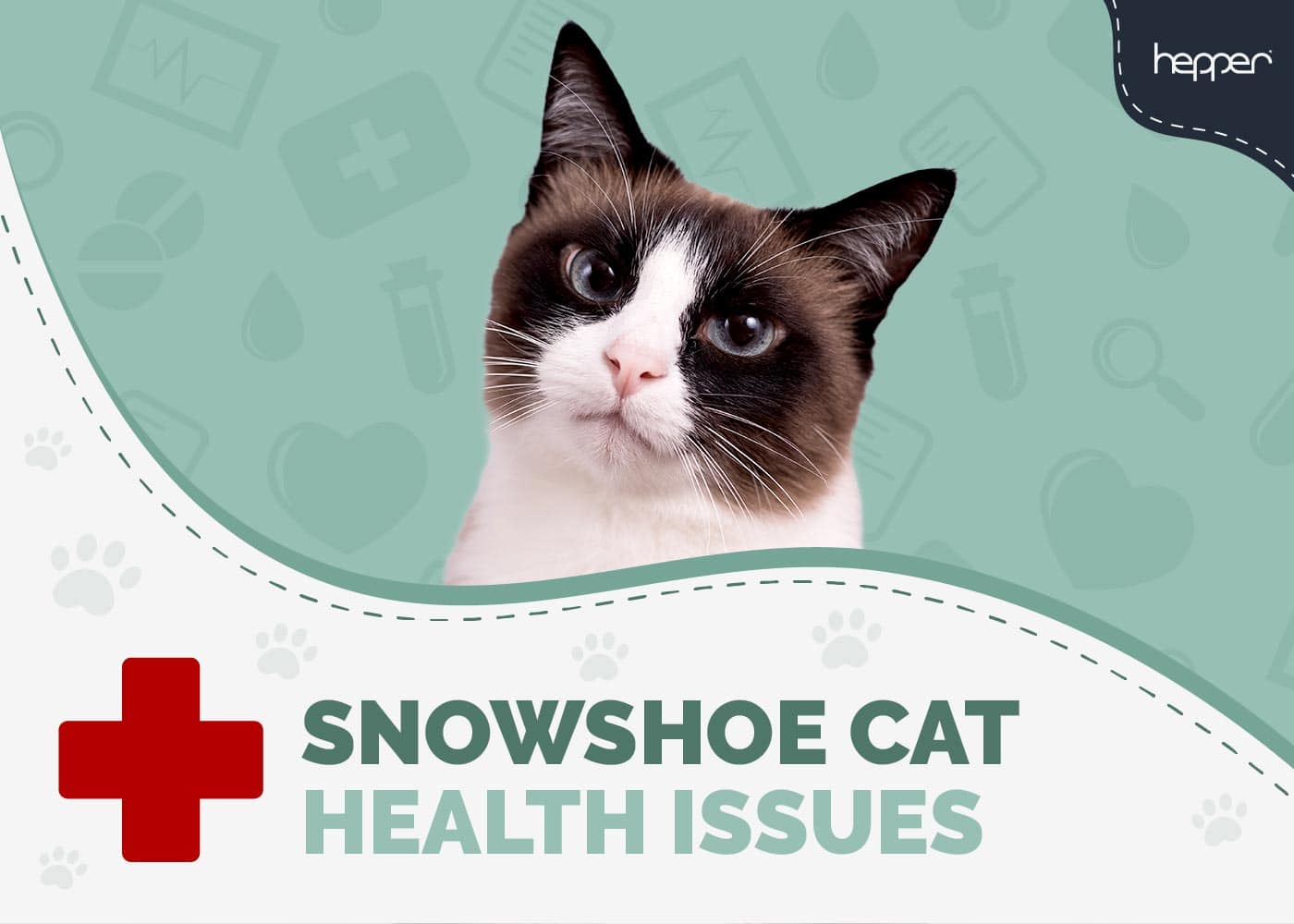
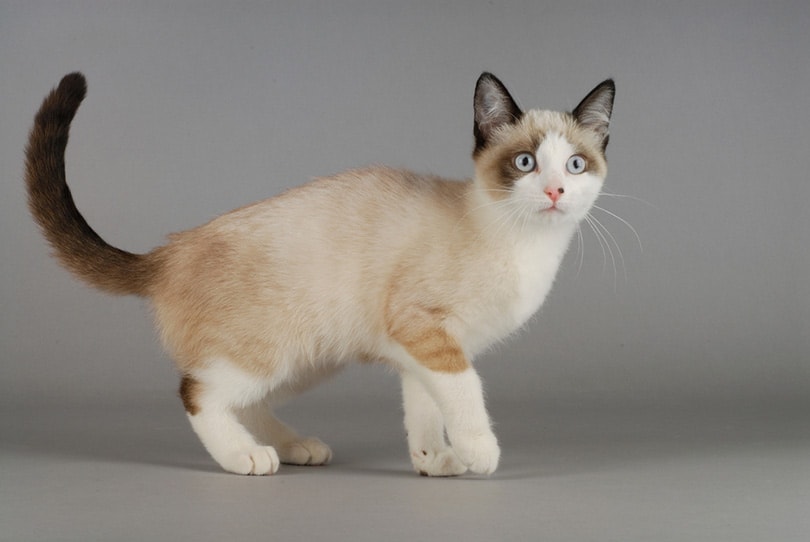
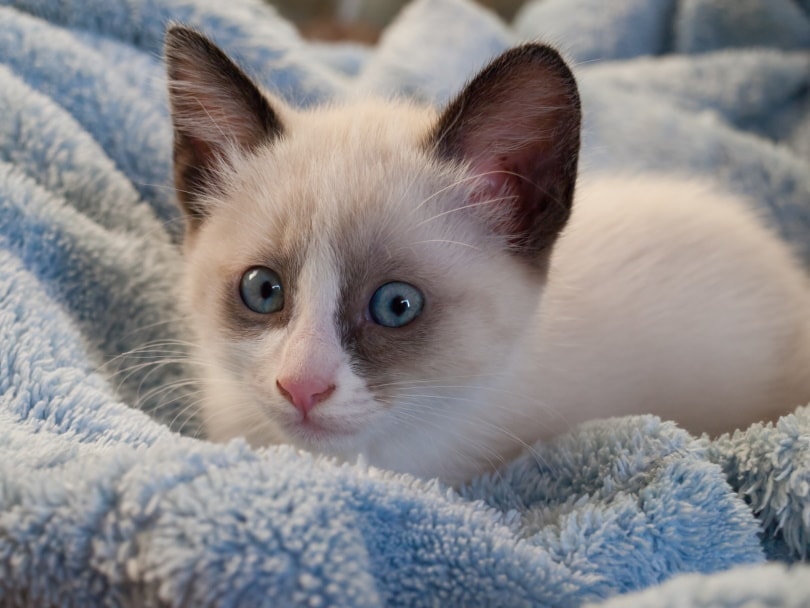
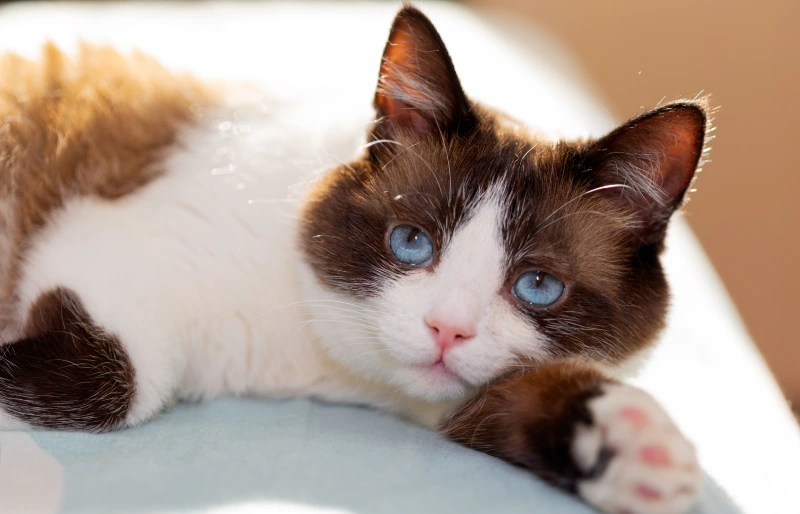
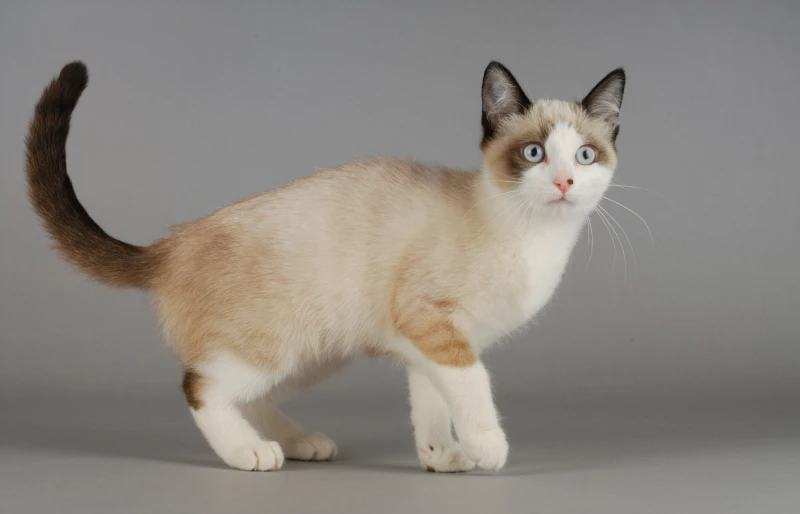
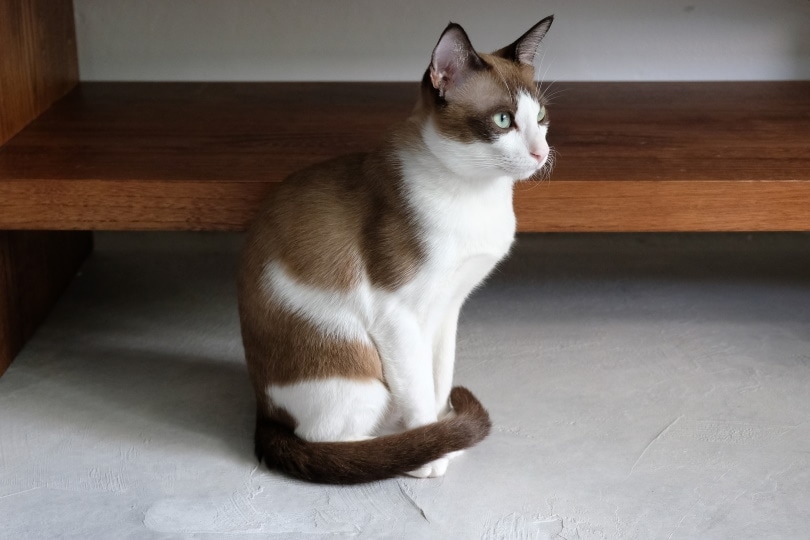
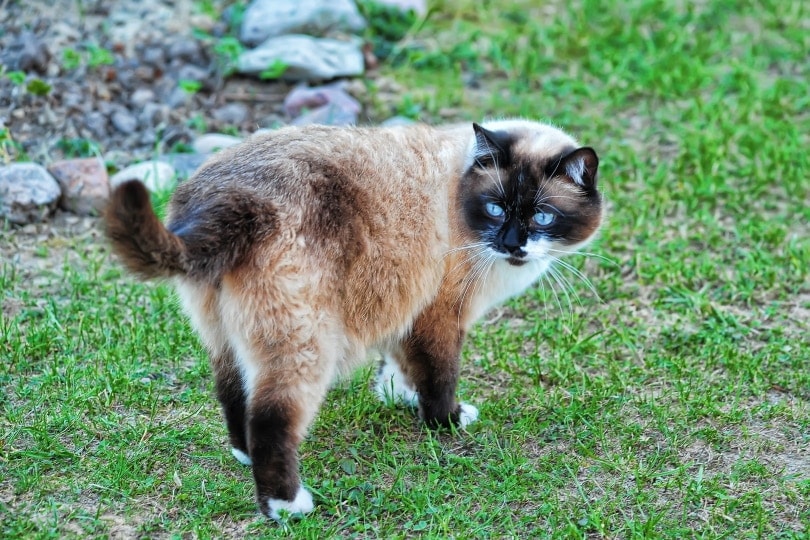
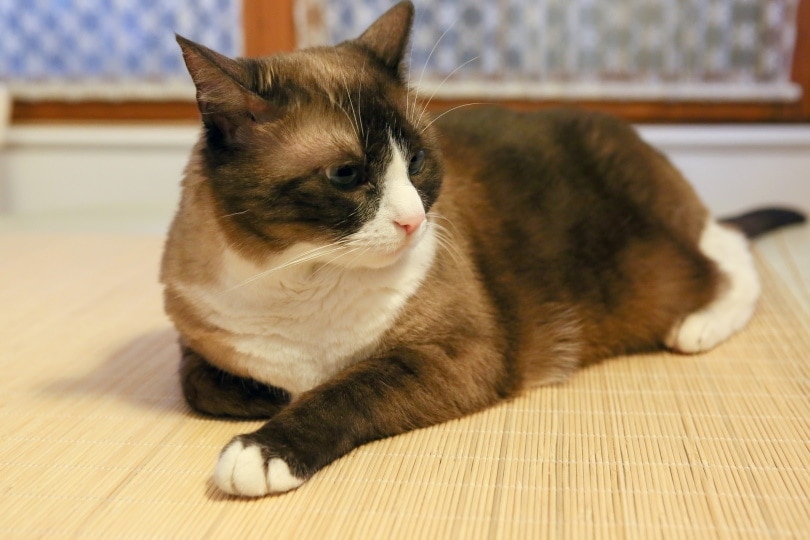
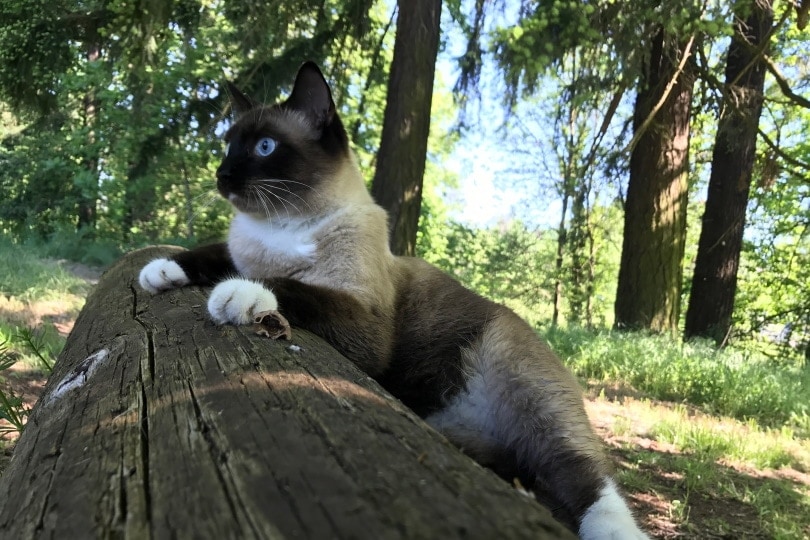
Looking to adopt a pet into your home and considering a Snowshoe cat? Though they haven’t been around for very long, the Snowshoe cat makes an excellent addition to any family. They have similar personality traits to the Siamese but with their own distinct personalities as well. Confident, intelligent, friendly, active, and able to hang out with friendly dogs—you’ll find yourself having a blast with this kitty!
Before you adopt, though, you should learn more about your new furry friend so you can properly care for them. That means figuring out how much exercise they need each day and the best games to play with them. It also means getting a heads up about any potential health problems they might have to face.
We’ve got the seven most common Snowshoe cat health problems, so you know exactly what could be in your future if you adopt this cat. Though the below are issues the Snowshoe is more prone to because of its Siamese ancestry or just common in cats, in general, it doesn’t mean every Snowshoe will develop them. Overall, this breed is relatively healthy and hardy.

The 8 Common Snowshoe Cat Health Problems
1. Atopy
Kitties can be allergic to dust and pollen, just like us. However, where we usually develop red, itchy eyes or begin sneezing constantly, felines typically get itchy skin. Atopy typically doesn’t happen in cats until they are between the ages of one and three (though it can happen earlier), and when it occurs, it usually happens around the legs, ears, face, and stomach. So, if you see your pet scratching much more often than is the norm, they could be dealing with allergies. You’ll need to get them to their vet to be sure and get treatment if it is indeed what they have. Treatment can be anything from medication to allergy shots.
Symptoms of atopy can include:
- Excessive licking of a certain area on the body
- Thinner hair in infected areas
- Reoccurring ear infections
- Red skin lesions
- Rubbing at the face or ears
2. Diabetes
Because the Snowshoe has Siamese in its ancestry and Siamese are more prone to diabetes, it would make sense that the Snowshoe would have a predisposition for this disease as well. And even if they didn’t have that risk in their ancestry, any feline can develop diabetes if they become obese or have a poor diet. Diabetes in cats is like diabetes in humans, so this is a health problem you’ll need to consult your vet about. They can give you a proper diagnosis and treatment options such as insulin, diet, or weight loss. Keeping an eye on how much your Snowshoe eats and keeping them active will help prevent diabetes from occurring in the first place!
Symptoms of diabetes include:
- Increased thirst
- Increased urination
- Losing weight with no diet or appetite change
3. Feline Aortic Thromboembolism (FATE)
Feline aortic thromboembolism (FATE) is a consequence of heart problems in cats. As the name suggests, this disease causes blood clots that appear right past the aorta (a big negative considering the aorta needs to get blood to the entire body, and clots can block it from doing so). FATE can be fatal, so if you notice your cat doing any of the below, get them to the vet right away. If a blood clot is caught early, your pet has an opportunity to recover. And if your kitty has already been diagnosed with any type of heart disease, you should consider asking about meds that can prevent clots from happening to avoid FATE.
Symptoms are:
- Dragging the hind legs behind them due to paralyzation
- Distressed crying
- Pain in the hind legs
- Hyperventilating
4. Feline Viral Rhinotracheitis (FVR)
Feline viral rhinotracheitis (cat flu) is an infection in the upper respiratory system caused by the herpes virus. Though it can occur in cats of any age, it is more likely to happen in kittens. FVR is not only responsible for upper respiratory infections, but it also can cause problems with the eyes, along with bacterial infections. The feline herpes virus stays with cats for the entirety of their lives and can flare up when they are stressed out, which means FVR can occur then as well. Though there isn’t a cure for FVR, it can be treated in a variety of ways, including antibiotics, probiotics, other medications, and a special diet.
FVR symptoms include:
- Nasal congestion
- Uncontrollable sneezing attacks that come on suddenly
- Redness in the eyes
- Excessive blinking
- Nasal and eye discharge that is green, clear, or yellow
- Enlarged lymph nodes
- Loss of appetite
- Fever
- Lethargy
5. Feline Lower Urinary Tract Diseases (FLUTD)
Unlike others on this list, feline lower urinary tract diseases (FLUTD) isn’t just a single disease but a category that urinary tract diseases fall under. Conditions that could be considered FLUTD would be interstitial cystitis, urinary tract infections, blockages in the urinary tract, bladder stones, and more. The Snowshoe is particularly prone to problems. But because all diseases of the urinary tract have very similar symptoms, testing will need to occur for a proper diagnosis. Once your vet is aware of just what your kitty is dealing with, they can start the appropriate treatment.
FLUTD symptoms may include:
- Urinating outside the litter box
- Urinating more often than usual
- Trouble urinating
- Only urinating in small amounts
- Blood in urine
- Excessive grooming of the genital area
6. Hyperthyroidism
The thyroid is responsible for many bodily functions in both people and felines, but occasionally it can become overactive, which is known as hyperthyroidism. In cats, this tends to happen more in their senior years, between the ages of 8–12 and because Siamese are more prone to it, Snowshoes likely are as well. When the thyroid becomes too active, it pumps out more hormones than are needed, increasing your cat’s metabolic rate. If diagnosed too late, it can lead to emaciation, as well as kidney and heart failure. But if it’s caught early enough, it can be treated with either food, drugs or surgery. Though there are symptoms to watch out for, hyperthyroidism is more often caught via routine blood work.
If your Snowshoe is getting on in age, keep an eye out for these symptoms:
- Tachycardia
- Increased appetite & thirst
- Weight loss
- Restlessness
- Being more active and vocal
- Unkempt coat
7. Hypertrophic Cardiomyopathy
Hypertrophic cardiomyopathy is a heart disease that is one of the more common to develop in felines. When it occurs, it makes the walls of the heart grow thicker, which in turn can lead to blood clots and, in many cases, heart failure. There isn’t a cure for hypertrophic cardiomyopathy, but if it’s caught in the earlier stages, it can be managed with medication. This disease is inherited, so you’ll need to inquire with any breeder you might be purchasing from about whether or not it runs in your future kitty’s family.
Symptoms don’t start appearing till the later stages, they include:
- Increased breathing rate
- Cough
- Lethargy
- Heart failure
8. Progressive Retinal Atrophy
Though painless, progressive retinal atrophy will result in the loss of some or all vision in your pet. As the name implies, this vision loss occurs as the retina slowly atrophies over time. It’s hard to catch because it moves so slowly; rather than your pet waking up with no sight one day, it’s more of a dimming of vision over time. Usually, night blindness will show up first, then blindness during the day. Unfortunately, there isn’t a treatment for progressive retinal atrophy. However, most cats learn to live with it just fine (though it may take them a bit to get used to less or no vision). Having your pet’s eyes checked during regular vet visits is helpful in catching it. It is also hereditary, so ask any breeders you’re considering adopting from whether it’s been found in a kitten’s family.
Signs your Snowshoe may have progressive retinal atrophy include:
- Hesitancy to wander at night in the dark
- Pupils dilated more than usual
- Eyes that reflect light more

Final Thoughts
Though the Snowshoe is a relatively healthy cat, there are some diseases it is more prone to catching due to the Siamese in its ancestry. There are also common cat health problems that can occur in any breed. None of that means a Snowshoe you adopt will develop any of these health issues, though, as every cat is different. Still, your cat's health is something to keep an eye on, so your pet can live its fullest, happiest life.
Sources
Featured Image Credit: COULANGES, Shutterstock
Get Hepper In Your Inbox


Pet care tips from our vets and experts, straight to your inbox.
You may opt-out at any time. View our Privacy Policy for more information.
Misty Layne lives out in the woods in small-town Alabama with her two Siamese—Serafina and Jasper. She also has an array of stray cats, raccoons, and possums who like to call her front porch home. When she’s not writing about animals, you’ll find her writing poetry, stories, and film reviews (the animals are, by far, her favorite writing topic, though!). In her free time, Misty enjoys chilling with her cats, playing piano, watching indie and foreign films, photographing abandoned places, and catching up on her never-ending TBR list.
Join the conversation
Ask a question, share your story, or send private feedback.