Hepper is reader-supported. When you buy via links on our site, we may earn an affiliate commission at no cost to you. Learn more.
6 Cornish Rex Health Issues to Watch Out For (Vet Answer)

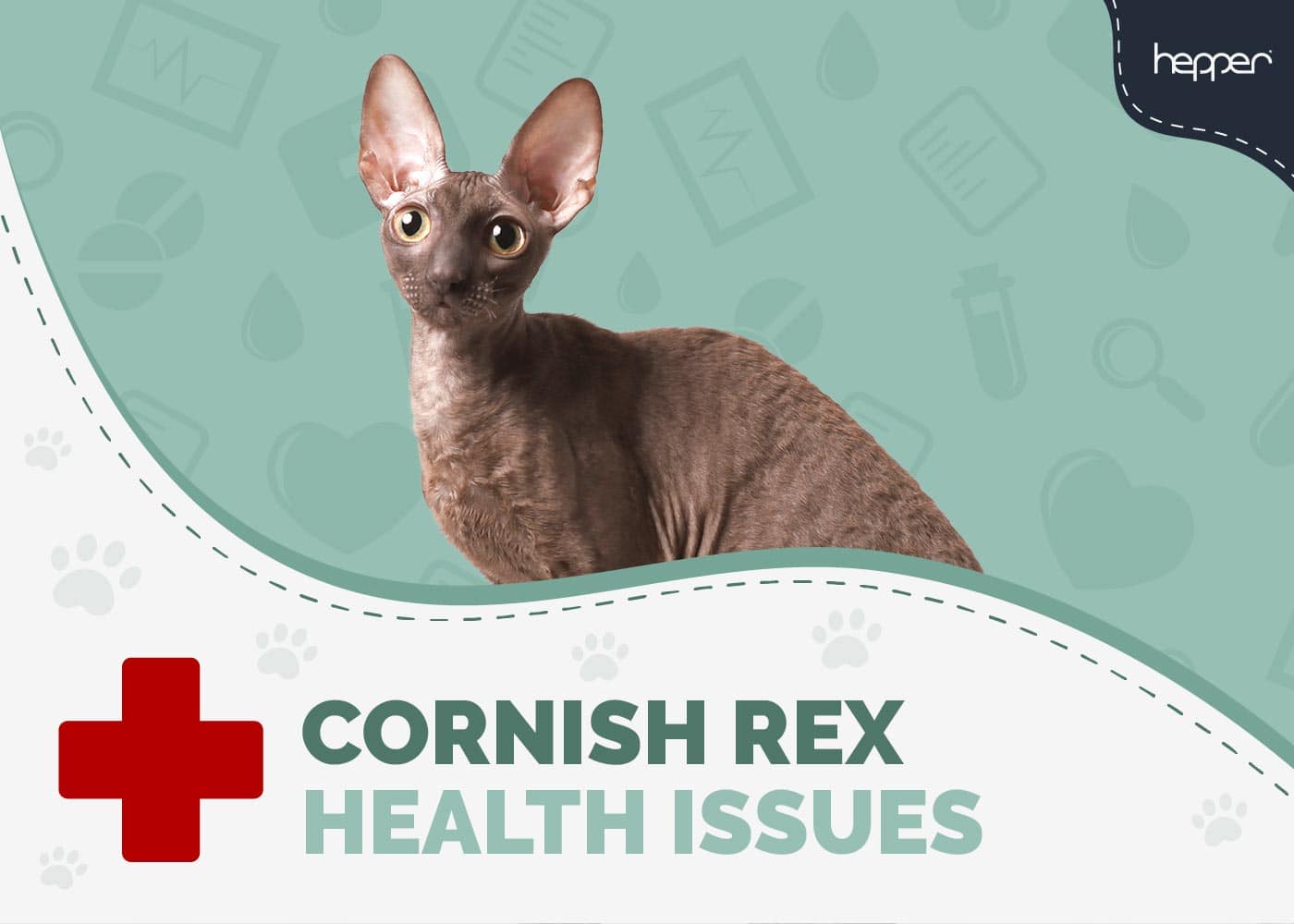
The Cornish Rex is a distinctive looking breed of cat that originated in Great Britain. The Cornish Rex is typically a cat that is purchased from a breeder. While you may be able to adopt one that you suspect may be mixed with a Cornish Rex, or even find out that it is purebred, it would be rare. Because these are typically found as purebred cats, they sometimes carry a different set of health problems than our common stray, domestic short-, medium-, or longhaired cats.
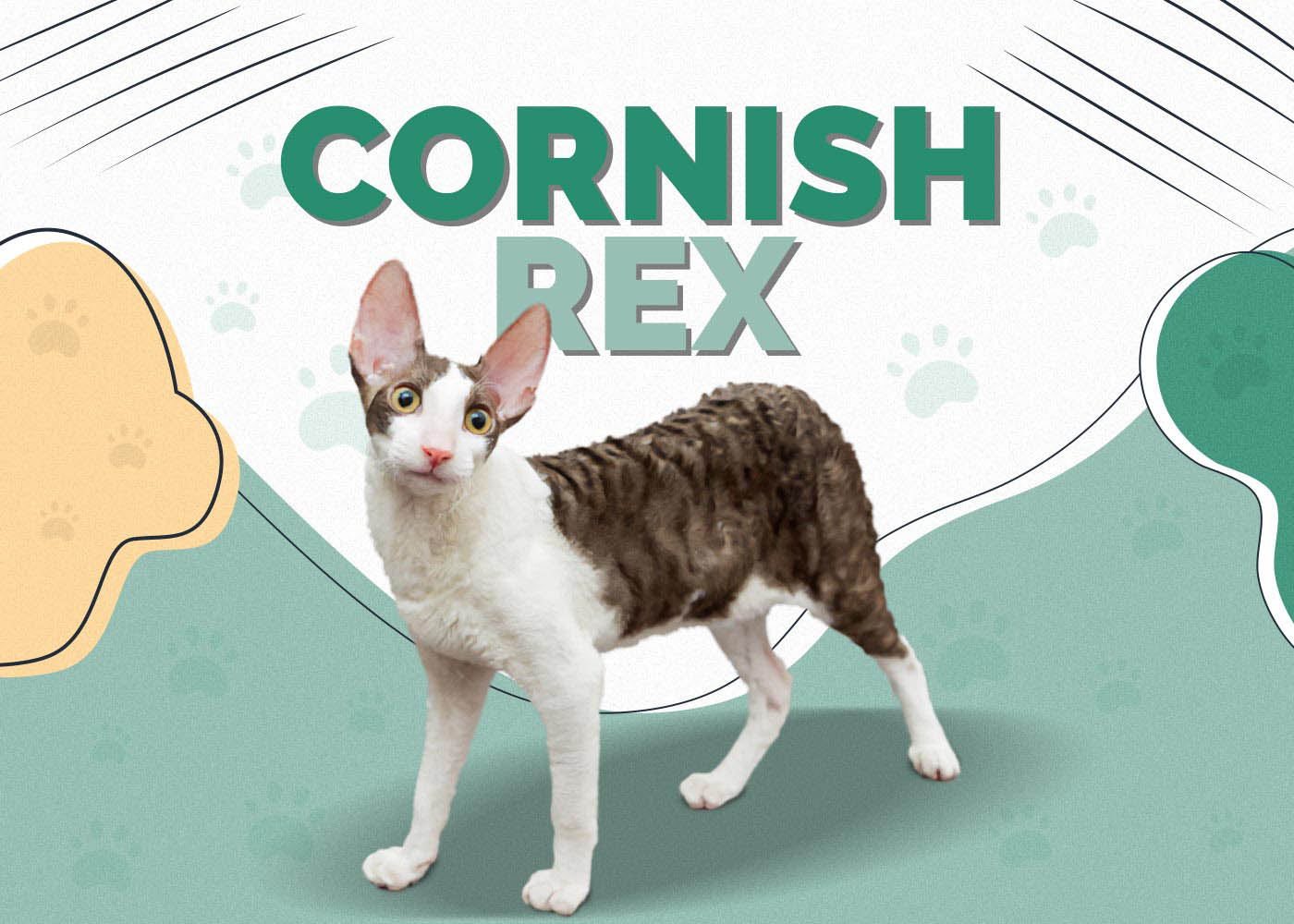
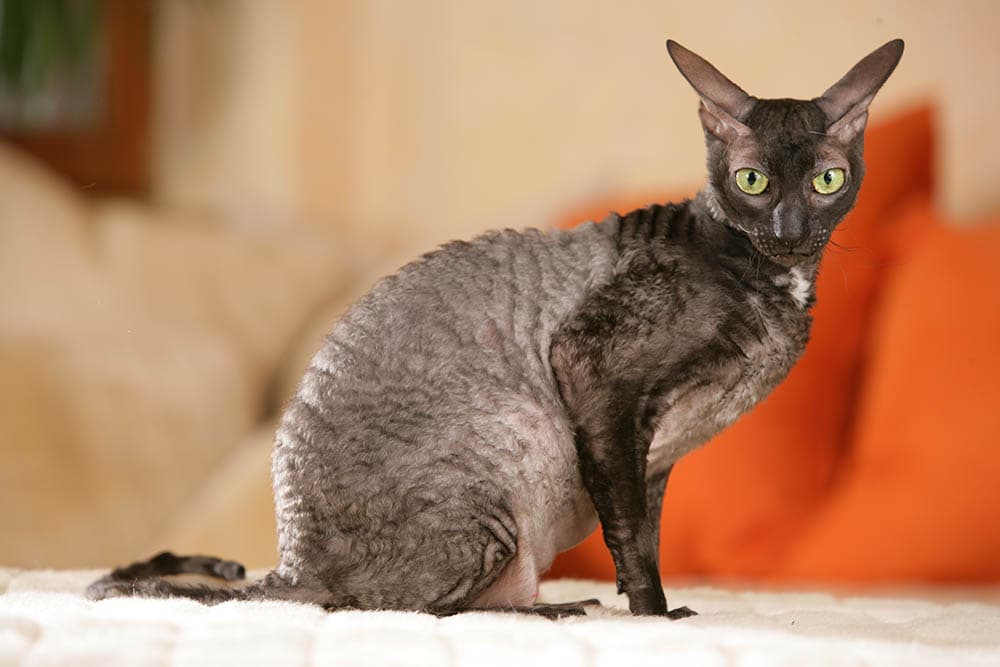
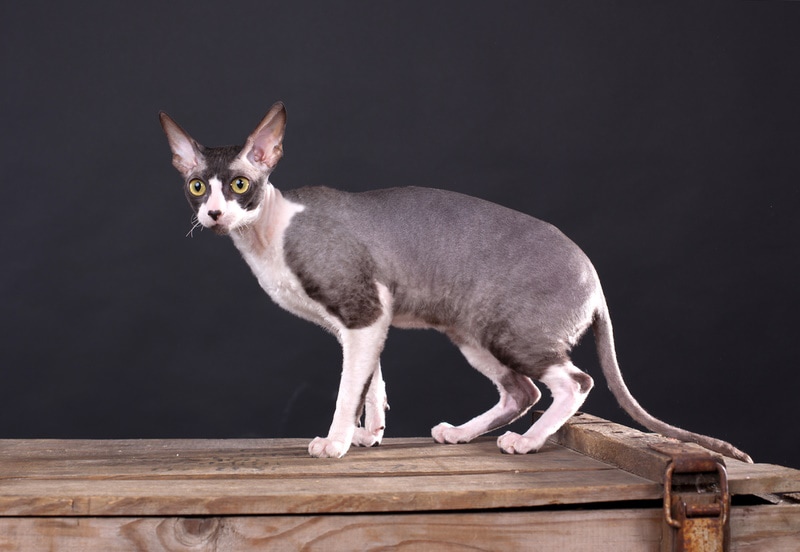
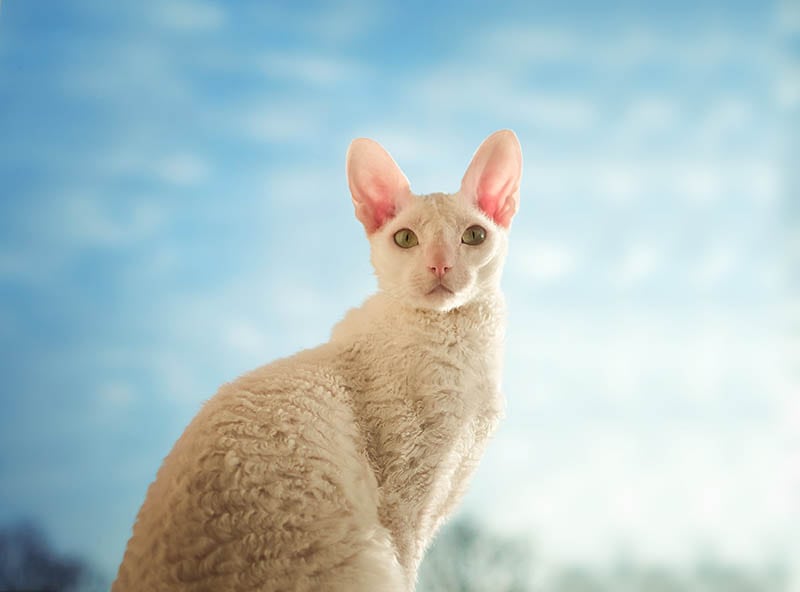
The Cornish Rex has distinctive “bat ears” that stand upright and are much larger compared to their head than other cats. They tend to have very long legs, and a long sleek body and a noticeable short, curly coat. Let’s look at some health conditions that are common in the Cornish Rex breed that you should watch out for. However, it is important to remember that not every Cornish Rex will suffer from health problems.

The 6 Common Cornish Rex Health Issues
1. Cold and Hot Weather Intolerance & Other Skin/Fur Conditions
The Cornish Rex has a short, curly coat that is essentially made up of the undercoat only. In other words, a typical domestic shorthair will have different hair layers while the Cornish Rex only has one. This can make it very common for a Cornish Rex to develop thinning hair patches or even bald patches.
The coat of the Cornish Rex makes it more difficult for them to tolerate extreme temperatures on either end – cold or hot. Many owners who own a Cornish Rex will get them used to wearing sweaters and/or shirts during the cold months of winter. However, you should be aware that the thin fur will also make it more difficult for them to stay cool in the warm and hot weather. Your Cornish Rex should stay inside to help them maintain their body temperature.
The Cornish Rex can also be prone to getting hypotrichosis. This is a genetic defect that can cause thinning or balding of the fur. If your cat inherits this, they will have even more increased difficulty regulating their body temperature.
2. Deafness
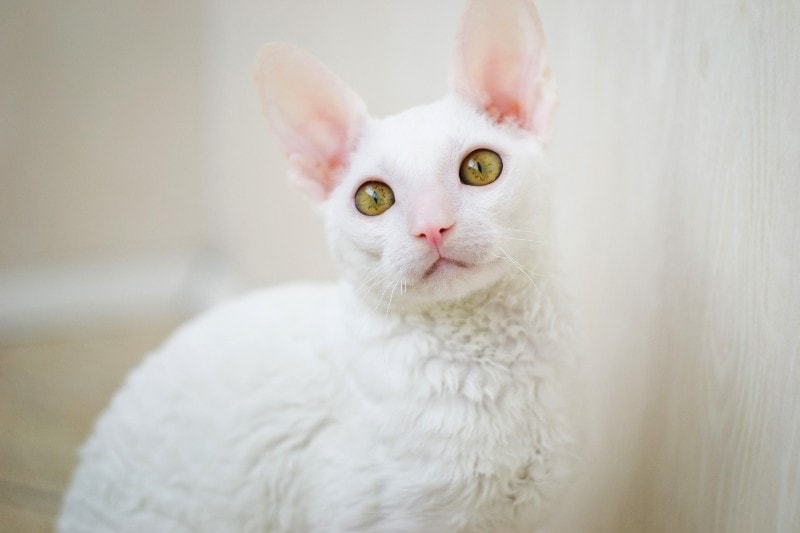
Being born deaf can be seen in any cat. Cats that are completely white in color have an increased incidence of deafness, with that increasing if they also have blue eyes. Again, being purebred allows heritable traits to be traced along bloodlines. There have been some lines of Cornish Rex that show genetic deafness. This should be a question you ask your breeder if you are thinking of purchasing a Cornish Rex.
3. Heart Disease
Unfortunately the Cornish Rex is one of the cat breeds that is more prone to being born with hypertrophic cardiomyopathy (HCM). HCM is a disease that causes the walls of the heart to be thicker than normal. This can lead to the heart having poor ability to contract or pump, which can in turn lead to blood clots and even sudden death. There is no cure for HCM. All we can do is give cats medications to help them have a good quality of life and be comfortable. Unfortunately, cats with HCM often pass away at a much younger age and often suddenly as compared to cats without the condition. Genetic links for HCM in the Cornish Rex and other breeds are currently being studied.
4. Blood Type Issues
Many people may not know that cats have two main blood types – type A and type B. Very rarely, a cat may have type AB blood. It’s important to know that most cats have type A blood. However, we do see an increased incidence of type B blood in purebred cats. If your cat requires a blood transfusion at any time in their life, it’s imperative that they be tested to determine what their blood type is before proceeding. This is because if your cat has a certain blood type and receives a transfusion of the other blood type, they may develop serious complications or more commonly pass away. Having a purebred cat such as a Cornish Rex may increase the chance that your cat is actually a type B cat, and significant caution needs to be taken if they ever need a blood transfusion in their life.
5. Neonatal Isoerythrolysis (NI)
This goes along with the increased incidence of purebred cats having type B blood. NI occurs when a newborn kitten with one blood type will suckle/drink colostrum from their mother with a different blood type. An immune-mediated reaction occurs in the kitten, causing the kitten’s own body to develop antibodies that attack and destroy their own red blood cells. This will cause the affected kitten to pass away quickly, typically within days. If you have purchased a purebred Cornish Rex, you should speak with your veterinarian about the risk of this occurring if you plan to breed your cat.
6. Dental Disease
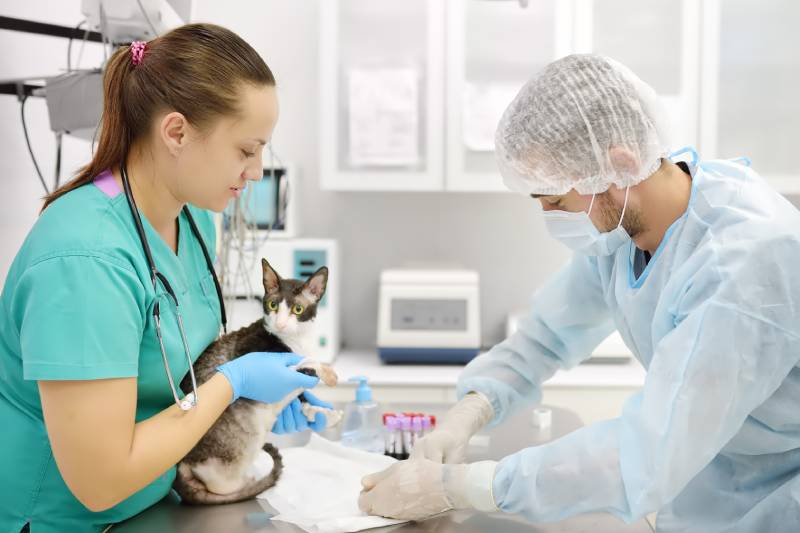
While dental disease is a problem in any cat, the Cornish Rex does seem to be one of the breeds that develop more severe tartar. Discussing dental maintenance with your veterinarian early is recommended. They may have you brush your cat’s teeth, use special chews, or even feed them a prescription diet to help with tartar. Ignoring your cat’s dental health may lead to infection, pain, tooth loss and issues as they get older.
Final Thoughts
The Cornish Rex is a very distinctive-looking breed that is most commonly purchased through a breeder. Making sure the breeder is reputable is important as they should know about any heritable deafness, heart issues, and blood type concerns. The Cornish Rex coat makes them susceptible to extreme temperatures and it is recommended that they remain indoors. Dental disease can be seen in any cat, though it tends to be significant in the Cornish Rex. Working with your veterinarian on a dental health plan early can be very beneficial. Overall, the Cornish Rex can be a great companion, but care should be taken to seek out a responsible breeder to avoid any major health issues.
Sources
Featured Image Credit: Maria Sbytova, Shutterstock
Get Hepper In Your Inbox


Pet care tips from our vets and experts, straight to your inbox.
You may opt-out at any time. View our Privacy Policy for more information.
Dr. Podlecki is a graduate of The Ohio State University College of Veterinary Medicine with more than 12 years of experience working with small animals in the US. Dr. Podlecki spent 10 years working almost exclusively in emergency and specialty medicine before transitioning to relief in general practice and the ER. She also owns her own veterinary consulting company (renewvetconsulting.com) that helps vet hospital improve their internal culture.
For as long as she can remember, Dr. Podlecki always wanted to be a veterinarian. It is her passion and she lives to help animals. She also owns her own consulting company (renewvetconsulting.com) which focuses on helping veterinary hospitals prioritize their staff to promote a healthier internal culture.
Education
Dr. Podlecki graduated from The Ohio State University College of Veterinary Medicine.
Experience
Dr. Podlecki has over 12 years of experience working in the USA with small animals. For more than 10 years, she worked almost exclusively in emergency and specialty medicine, before transitioning to relief in both general practice and ER.
Join the conversation
Ask a question, share your story, or send private feedback.