Hepper is reader-supported. When you buy via links on our site, we may earn an affiliate commission at no cost to you. Learn more.
7 Norwegian Forest Cat Health Problems: Vet-Approved Prevention & Treatment


In this article
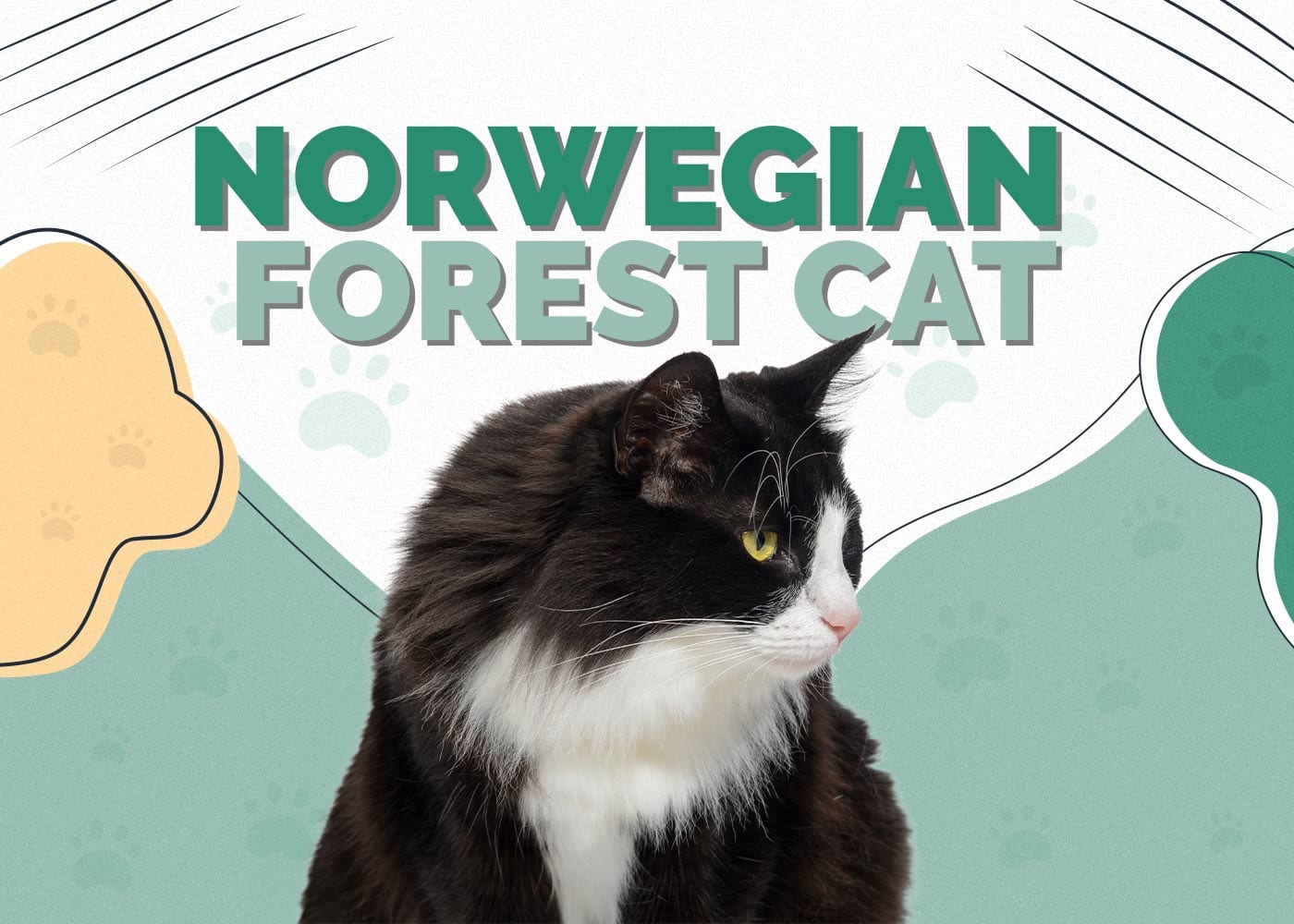
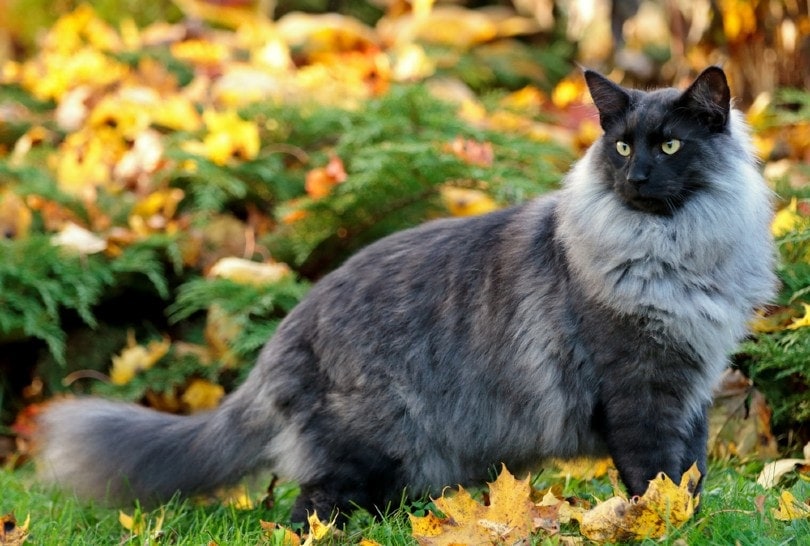
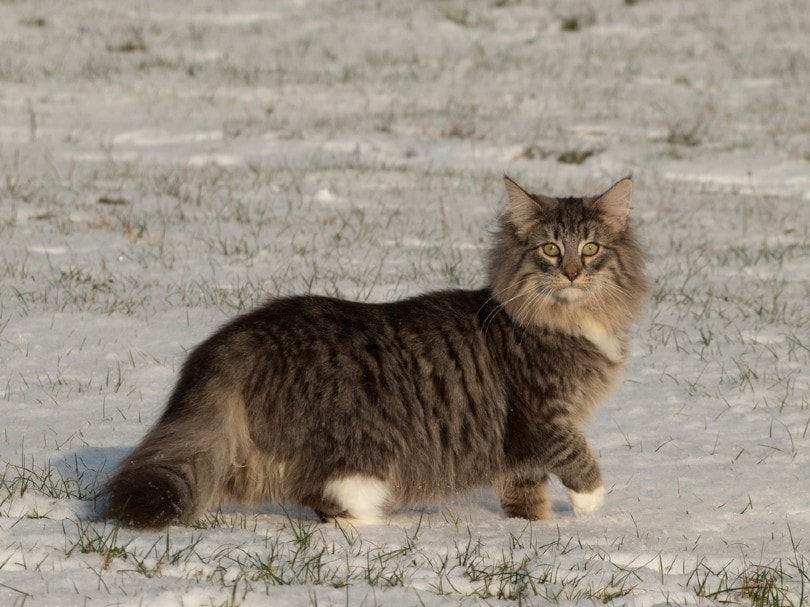
It’s easy to see why people love Norwegian Forest cats. This breed is known for its loyalty and independence. They love being around their humans yet are not too clingy. These cats have gorgeous, long fur that can come in just about any color and pattern.
Pet ownership is fun and rewarding, but it’s also a responsibility. Cats can’t tell us when they’re sick, so we must monitor their health. Learn more about the illnesses that can affect Norwegian Forest cats.

The 7 Common Health Issues of Norwegian Forest Cats
1. Hypertrophic Cardiomyopathy
| Symptoms: | Labored breathing, lethargy, possibly asymptomatic |
| Prognosis: | Variable. HCM worsens over time. |
| Treatment: | Medication |
| Risk Factors: | May be genetic |
Norwegian Forest cats are susceptible to a heart condition, hypertrophic cardiomyopathy. This disease causes a portion of the heart wall muscle to thicken. This thickening affects the organ’s ability to pump blood effectively.
Regular vet visits can catch early symptoms like irregular heart sounds and increased heart rate. HCM accounts for over half of all feline heart disease diagnoses.
2. Hip Dysplasia
| Symptoms: | Early symptoms are loose joints and a swaying gait; decreased activity and pain as the condition progresses |
| Prognosis: | Worsens over time |
| Treatment: | Monitoring, medication, physical therapy, surgery |
| Risk Factors: | Genetic |
Norwegian Forest cats can inherit hip dysplasia from one or both parents, other factors such as exercise and diet can affect the severity too. Cats with this condition develop malformed hip joints. If you discover that your kitty has hip dysplasia, you should not breed them. And, you should reach out to the breeder where you got your cat to inform them about the condition. Parents can be carriers of hip dysplasia even if they don’t have the disease.
Hip dysplasia can affect cats of any size, but larger breeds tend to be more susceptible. A study in the Czech Republic showed that 46.7% of pedigree cats have the condition. This research looked at 107 cats: Norwegian Forest, Burmilla, Maine Coon, Oriental Shorthair, and Siberian breeds.
3. Glycogen Storage Disease
| Symptoms: | Fever, muscle weakness, tremors |
| Prognosis: | Worsens over time, often fatal |
| Treatment: | Monitoring for hypoglycemia, high protein diet |
| Risk Factors: | Genetic |
Another inherited condition that affects Norwegian Forest cats is glycogen storage disease. Cats with this disease have an impaired ability to metabolize glycogen. As a result, glycogen can build up in the body and cause organ dysfunction.
This disease has a poor prognosis. Many kittens with the condition will not survive birth. If your cat has glycogen storage disease, contact your breeder. Cats with this condition should not breed with other felines. While this is a rare feline disease, it makes our list due to its severity and lack of awareness. New pet owners may brush off the non-specific symptoms and delay medical care.
4. Feline Diabetes
| Symptoms: | Increased thirst, vomiting, urination changes (frequency, volume, location), weight loss despite eating the same amount |
| Prognosis: | Good to excellent |
| Treatment: | Insulin shots, dietary changes, exercise, blood sugar monitoring |
| Risk Factors: | Obesity, old age, lack of exercise |
Cats can develop type 1, 2, or type 3 diabetes just like humans, however type 2 is the most common. This condition affects how the body produces and uses insulin, a hormone produced by the pancreas. Around 1% of all cats have diabetes, but this number is rising.
Cats with feline diabetes can live long lives, but this requires dedication on the owner’s part. These cats need daily medication and monitoring.
5. Pyruvate Kinase Deficiency
| Symptoms: | Anemia, lethargy |
| Prognosis: | Varies; mild to severe anemia |
| Treatment: | Management no cure |
| Risk Factors: | Genetic |
Pyruvate kinase is an enzyme found in red blood cells that allows them to produce energy for their survival. In pyruvate kinase deficiency the red blood cells don’t live as long as they should and the cat will become anemic. This can vary from mild intermittent anemia to severe or life threatening illness. Genetic testing is available.
6. Retinal Dysplasia
| Symptoms: | Usually no visual impairment |
| Prognosis: | Does not affect lifespan |
| Treatment: | None |
| Risk Factors: | Congenital, viral infections of mother |
Retinal dysplasia is the malformation of the retina in affected cats and they are born with the problem. It does not usually affect vision or progress. It can be seen by a veterinarian with an ophthalmoscope as spots or dark patches on the retina. Infections of the mother while pregnant with feline panleukopenia and feline leukemia virus as well as inherited traits can cause retinal dysplasia.
7. Urinary Tract Problems
| Symptoms: | Blood in urine, frequent urination, not using the litter box, pain during urination |
| Prognosis: | Variable depending on cause |
| Treatment: | Anti-inflammatories, flushing out obstructions, special diet, stress relief |
| Risk Factors: | Stress, males are more prone to obstructions, a change in diet, obesity |
Cats are at-risk for various urinary tract issues like infections, stones, and obstructions. You should let your veterinarian know if your cat starts to urinate out of the litter box, as this is often a symptom of a medical condition.
Your veterinarian will need to conduct tests to get to the root of your cat’s urinary problems. Some cats have urinary irritation without any underlying infection or physical abnormality. Stress or a new diet can lead to urinary conditions like idiopathic cystitis.

Regular Vet Visits Are Recipes for a Lifetime of Love
All cats benefit from regular veterinarian appointments. At a minimum, your Norwegian Forest cat should have an annual check-up. These visits are a time to receive vaccinations, check your cat’s weight, and complete any lab work. Many feline health conditions are easier to treat when caught early. Your vet may want to see you more frequently if your cat is older or has a health condition.
Norwegian Forest cats are susceptible to three hereditary conditions: hypertrophic cardiomyopathy, hip dysplasia, and glycogen storage disease. Breeders should screen for these conditions before they mate Norwegian Forest cats. Common health issues that affect all cats include feline diabetes and urinary tract issues.

Final Thoughts
Humans and cats have one thing in common, the need for a healthy lifestyle. You can help your kitty live a long life by offering a nutritious diet, opportunities for exercise, and a safe environment. Cats allowed to roam freely are more susceptible to injuries and contagious illnesses like Feline Leukemia virus.
Sources
Featured Image Credit: Astrid Gast, Shutterstock
Get Hepper In Your Inbox


Pet care tips from our vets and experts, straight to your inbox.
You may opt-out at any time. View our Privacy Policy for more information.
Nicole is a lover of animals of all sizes but is especially fascinated with the feline variety. She’s the proud mom of Baby, a Burmese, and works every day so he can relax in the sunshine or by the fire. She’s always had a cat in her home and has spent countless days with others, observing behaviors and softening up even the grouchiest of the lot. Nicole wants to share her kitty expertise with you so you and your cat can live happy, healthy, and care-free.
Join the conversation
Ask a question, share your story, or send private feedback.