Hepper is reader-supported. When you buy via links on our site, we may earn an affiliate commission at no cost to you. Learn more.
My Dog Ate a Crayon! Here’s What to Do (Vet Answer)


In this article
Dogs are very inquisitive creatures and love to explore the world through their nose and mouth. The combination of this inquisitive nature and a heightened sense of smell may often land your beloved pet into a bit of bother by eating the most bizarre items. Crayons are one of those and, believe it or not, this is a relatively common occurrence.
Unfortunately, your dog does not know that what they are eating may be harmful to their health. It is vital to be aware of the potentially harmful items that you store in your house and to ensure that these items are kept out of your dog’s reach. Dogs are often drawn to these household items due to their pleasant smell or their toy-like appearance—or there may be a medical or behavioral cause!
Keep reading as we discuss everything that you need to know. We will explain why dogs may be attracted to crayons, whether this is toxic to them, and what to do should this happen.

Why Do Dogs Eat Crayons?
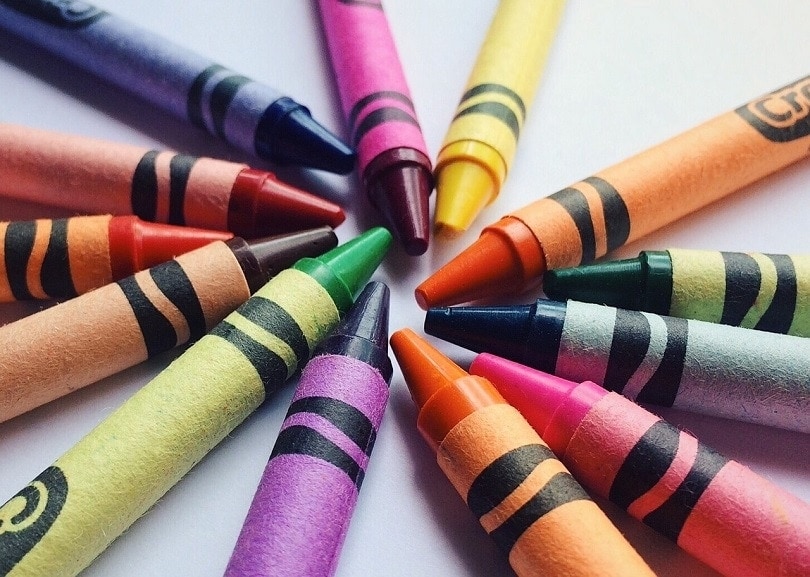
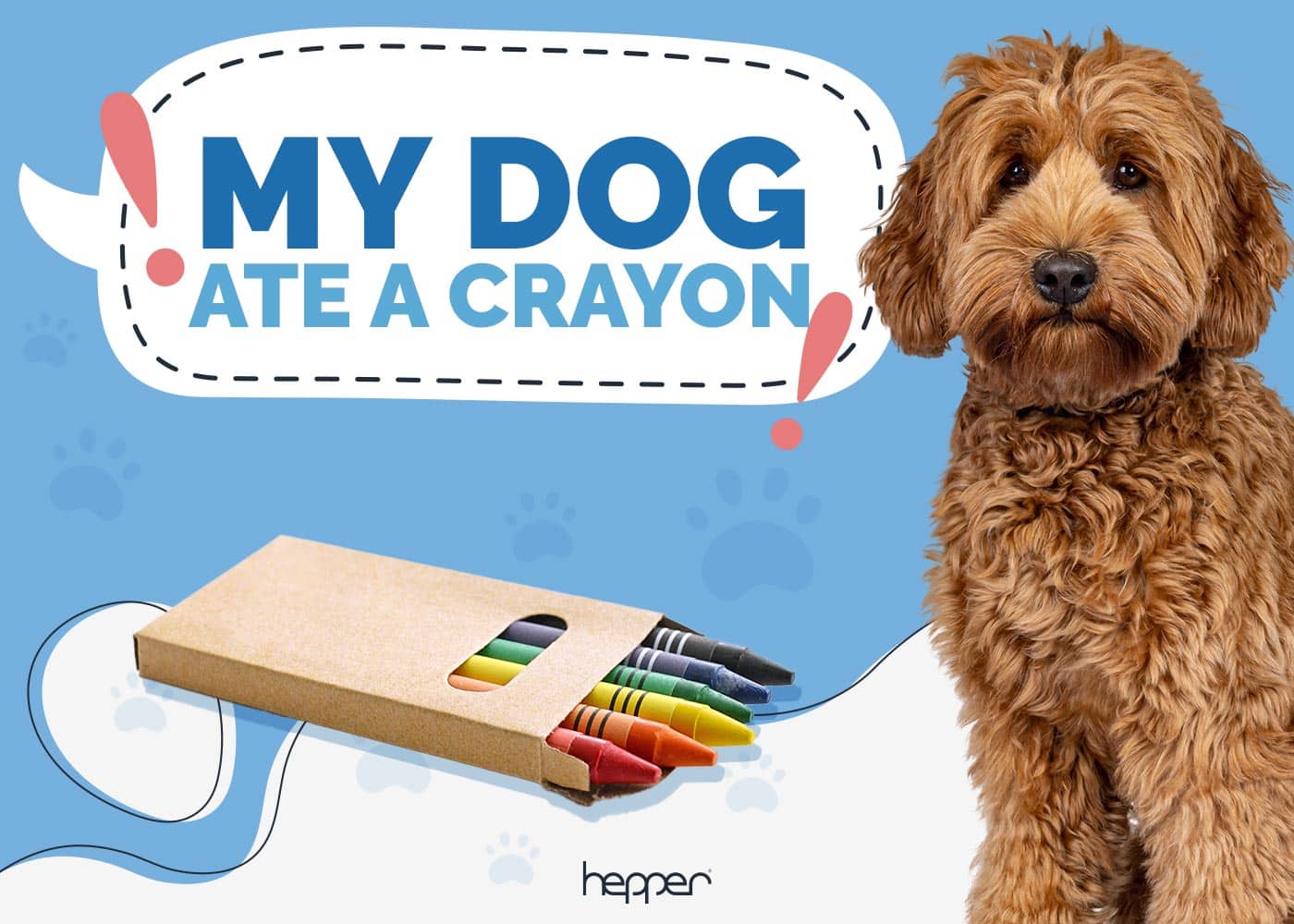
Crayons are a common household item, especially in houses with children. Crayons are sticks of pigmented paraffin wax that are used for writing or drawing. They’re not edible and don’t usually smell or taste interesting. However, dogs still eat them. Why? Well, dogs like to explore things with their mouths. Certain dogs will be more curious than others—it will depend on their age and personality. Many of these curious dogs will try picking up and chewing crayons and may inadvertently swallow a little.
Puppies that are teething are more likely to chew or even eat inedible items because chewing on something helps soothe their discomfort. If you have a teething puppy, you should ensure things like crayons are kept out of reach and provide your pup with a suitable chew toy.
Some dogs are just plain greedy and will always be on the lookout for their next snack, regardless of what this is. They’ll eat whatever they can get and ask questions later. Determined dogs can be quite a challenge!
Sometimes there can be a medical or behavioral reason why your dog is chewing or eating inedible items and so, if your dog is doing this repeatedly, we recommend having a check-up with your vet to discuss this possibility.
Are Crayons Toxic to Dogs?
Luckily, crayons are not known to be toxic to dogs and usually pass through the digestive tract relatively unchanged. A small amount usually causes no problems for dogs, especially larger dogs. However, if dogs eat crayons in significant quantities this may lead to ill health and your dog won’t be just "pooping rainbows"! Dogs that eat crayons may get an upset tummy, including drooling, vomiting, tummy pain, and diarrhea. Ingestion of large quantities of crayons may cause blockages in the esophagus, stomach, or intestines. Your pet may require an operation to remove the obstruction.

My Dog Ate Crayons; What Should I Do?
First, prevent them from eating any more: Generally the more they eat the worse the effects on your pet. Remove any loose crayons and put them away in a secure location.
Do not try to make your dog sick: This may not be necessary and in some circumstances is harmful to your pet.
Contact your vet: Even if your dog appears okay, it is important to seek veterinary advice. Be sure to tell your vet the age, breed, and weight of your dog and how many crayons they may have eaten.
If your dog has eaten enough crayons to make them ill: A veterinary visit and assessment of your pet's condition will be necessary.
Monitor your dog: Watch closely for signs of an upset tummy. It is advisable to contact your vet should they stop eating, start vomiting, or pass diarrhea. Keep an eye on your dog’s bowel movements for those crayons being passed. If your dog is not passing feces or struggling to defecate, it is advisable to contact your vet as soon as possible.
What Will the Vet Do If My Dog Has Eaten Crayons?
Ingestion of crayons often does no harm at all, especially if ingested in small volumes. However, more serious consequences could result if large volumes of crayons are consumed.
In all cases of crayon ingestion, it is advisable to contact your vet for advice. It may be that monitoring of your dog’s symptoms is all that is necessary—however, in some cases, your vet will need to examine your pet to determine the best course of action. After examining your dog, your vet may decide to make them sick. On the other hand, if large chunks of crayons have been ingested, your vet may decide against making your pet sick, as these chunks may lodge in your dog’s esophagus when they are brought back up, causing an emergency situation. This is one reason why you should never induce vomiting in a pet at home unless a vet has advised it is necessary.
If your pet is vomiting or has diarrhea, they may require supportive treatments such as anti-sickness medication or stool-binding agents. If your pet has eaten a large piece of solid crayon material and it has lodged in its esophagus, stomach, or intestines, it may be necessary to operate to remove the blockage, although this is rare. Your vet will be able to discuss the treatment options available so that you can make the best decision for your pooch.
My Dog Has Eaten Crayons – Will He Be Okay?
Almost all dogs that eat crayons will be okay, especially if small amounts have been eaten. Most cases require no treatment or simple symptomatic treatment. In rare cases, a large chunk of crayon can cause a blockage in your pet’s gut—in this situation, emergency surgery is required or the condition can become fatal. Even though this is rare, it’s a risk whenever a dog eats crayons, so you should keep a close eye on your pet and watch for symptoms of bowel obstruction such as vomiting.
Pets that are repeatedly attracted to crayons or other inedible items may require further investigation. Pica is a condition where pets feel the need to eat unusual non-food items such as wood, plastic, paper, or metal. It may be one particular item that they crave, or they may seek out different items. Pica is caused by an underlying behavioral or medical condition. Your vet may want to run blood tests or suggest a behavioral assessment.

In Conclusion
If your dog ate a crayon, we hope that you have found the information you needed in our vet approved guide! A dog eating a crayon is a relatively common occurrence due to their curious natures, but it should be avoided wherever possible. You should call your vet if your dog has eaten any crayons, but in most cases, they're going to be fine with no treatment or at-home treatment for mild symptoms.
The most important thing to watch for is bowel obstruction, especially if large amounts of crayons are missing.
Featured Image Credit: Wokandapix, Pixabay
Get Hepper In Your Inbox


Pet care tips from our vets and experts, straight to your inbox.
You may opt-out at any time. View our Privacy Policy for more information.
Nicole is a lover of animals of all sizes but is especially fascinated with the feline variety. She’s the proud mom of Baby, a Burmese, and works every day so he can relax in the sunshine or by the fire. She’s always had a cat in her home and has spent countless days with others, observing behaviors and softening up even the grouchiest of the lot. Nicole wants to share her kitty expertise with you so you and your cat can live happy, healthy, and care-free.
Join the conversation
Ask a question, share your story, or send private feedback.