Hepper is reader-supported. When you buy via links on our site, we may earn an affiliate commission at no cost to you. Learn more.
My Dog Ate Chalk: What to Do Next? (Vet-Approved)


In this article
Dogs are mischievous little things, often getting into trouble with their need to explore the world with their mouths. If your pup has a habit of eating things they shouldn’t, you probably already know that some things in your environment are harmless, while others can cause potentially serious health issues.
Chalk is one thing your curious pup may have eaten. Fortunately, most varieties are made of non-toxic ingredients, so in most cases, chalk consumption will only cause minor stomach upset. However, if you don’t know how much they’ve eaten or what type, call your veterinarian immediately. Read on to learn more.

The 4 Types of Chalk
Chalk can be used in various ways, so there are several different types that you may come across. Most, but not all, varieties are non-toxic if ingested. However, there are a few types that may contain dangerous metals. If your dog happens to eat chalk with metals, like lead, in it, see your veterinarian immediately. Let’s look at some of the most common types of chalk you may have.
1. Sidewalk or Blackboard Chalk
Sidewalk chalk is a popular drawing medium used most commonly on, you guessed it, sidewalks. It is also the same type of chalk used on blackboards or chalkboards. It is typically made of calcium carbonate. Because it is used most often by children, it’s generally non-toxic.
However, some brands of sidewalk chalk have been recalled due to high levels of lead, so it’s important to be sure you’re buying non-toxic varieties to keep yourself, your kids, and your pets safe. Lead intoxication in dogs will cause acute gastrointestinal signs and may induce neurological signs and hemoglobin deficiencies.
2. Gym Chalk
Gym chalk, also known as hand chalk, is typically made of magnesium carbonate and is used by gym-goers to help them properly grip weights or gymnastic equipment. Like sidewalk chalk, it is typically non-toxic.
3. Billiard Chalk
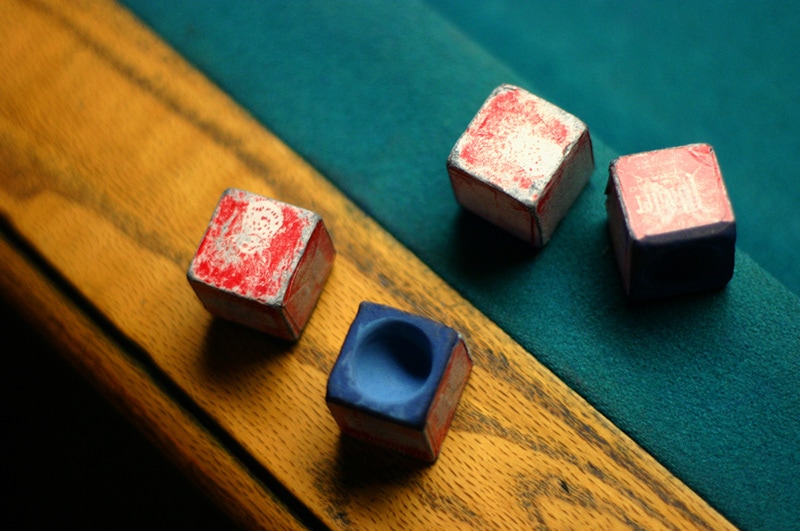
Billiard chalk is used by folks playing the sport of pool. It comes in small squares and is added to the tip of the pool cue to increase friction between the cue and the surface of the cue ball. It’s technically not chalk but is made of crushed silica, corundum, and dye. It isn’t toxic in most cases, but older kinds may contain lead.
Pool chalk can be dangerous because the squares can be swallowed whole, potentially causing a blockage and posing a choking hazard.
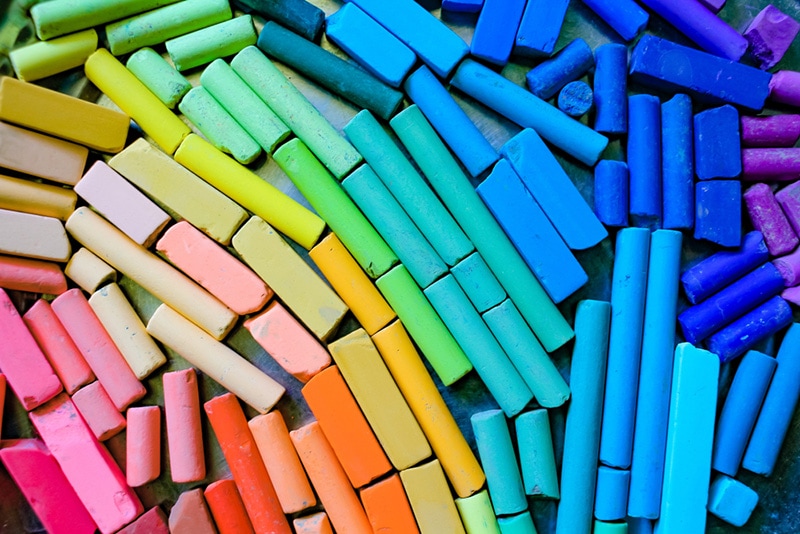
4. Artist Chalk
Artist chalk is another chalk form that can pose potential health risks for both you and your dog.
As with sidewalk chalk, you must thoroughly research the brand of artist’s chalk before buying to reduce your exposure to potentially harmful toxic heavy metals.
What Are the Risks Involved With Eating Chalk?
Even if your dog has eaten a piece of non-toxic chalk, there are still some risks you should be aware of.
What Should I Do If My Dog Ate Chalk?
The first thing you should do if your dog has eaten chalk is determine what kind and how much they’ve eaten. Is it a small leftover piece of your child’s non-toxic sidewalk chalk, or did he eat a chunk of your artist's chalk that could contain a heavy metal?
If they’ve eaten a small piece of non-toxic chalk, you typically won’t need to worry. They may develop digestive upset and exhibit signs such as vomiting or diarrhea, but it shouldn’t last longer than 12 to 24 hours. If it lasts longer, you must contact your veterinarian’s office immediately.
If they’ve eaten a large piece or gotten into a type of chalk that may contain toxic materials, you should contact your veterinarian for advice immediately. Any large items your dog eats could pose a choking hazard and potentially form a life-threatening blockage in his digestive tract, and eating toxic material can lead to severe issues as well.
Signs of an intestinal blockage include:
What Do I Do If My Dog Is Choking on Chalk?
One of the first signs of choking in dogs is coughing. If your pup has a piece of chalk lodged in their mouth or throat, they’ll try to cough to expel it. You may also notice them pawing at their mouth or having difficulties swallowing.
If you believe your dog is choking, you must take immediate action. Begin by carefully checking inside their mouth to see if you can see the chalk there. If you have a clear visual, try to swipe the object away using forceps, tongs, or tweezers. Don’t use your fingers or you may get bit.
If you cannot move it safely, get to your nearest emergency vet. We recommend calling them on your way there to alert them to the situation.
If you were successful in removing the chalk, it is still important you contact your vet immediately. If your pup was without oxygen for any length of time, hospitalization may be necessary.

Conclusion
It’s always scary when our dogs eat something they shouldn’t. In most situations, eating a bit of chalk should be mostly harmless. However, eating a lot or ingesting chalk made with toxic ingredients is a different story. In this situation, we recommend contacting your veterinarian for advice. In the future, it’s best to keep all chalk well out of your dog’s reach.
Sources
Featured Image Credit: Gayvoronskaya_Yana, Shutterstock
Get Hepper In Your Inbox


Pet care tips from our vets and experts, straight to your inbox.
You may opt-out at any time. View our Privacy Policy for more information.
Chantelle's life revolves around two passions: writing and animals. Raised on the prairies of Canada amidst a menagerie of pets, she now lives with five cats, two guinea pigs, and a bearded dragon. Together with her husband and child, Chantelle delights in being an exemplary animal parent, going as far as installing wall-mounted cat shelves to give their cats an indoor playground. When she's not cozying up with her cats or snapping their amusing antics, she enjoys venturing into the Rocky Mountains, binge-watching her favorite Netflix shows, and indulging in spontaneous reading adventures.
Join the conversation
Ask a question, share your story, or send private feedback.