Hepper is reader-supported. When you buy via links on our site, we may earn an affiliate commission at no cost to you. Learn more.
Pacman Frog: Care Guide, Lifespan, Pictures, Diet & More
In this article
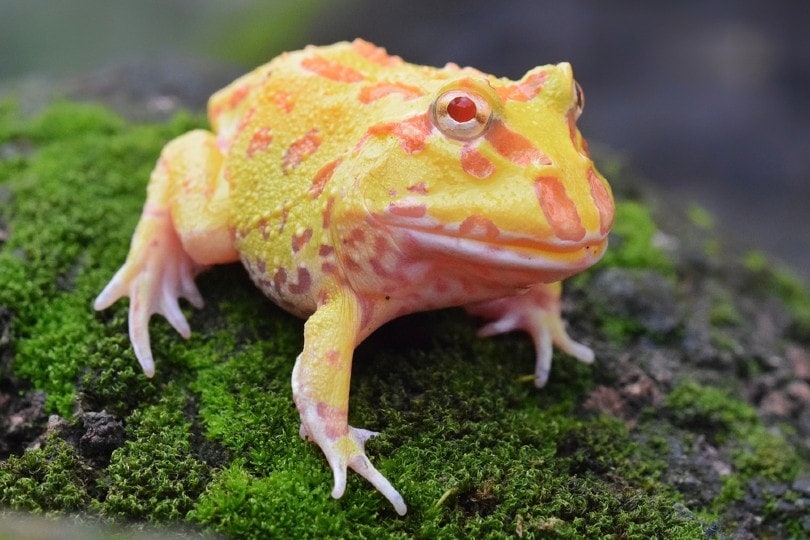
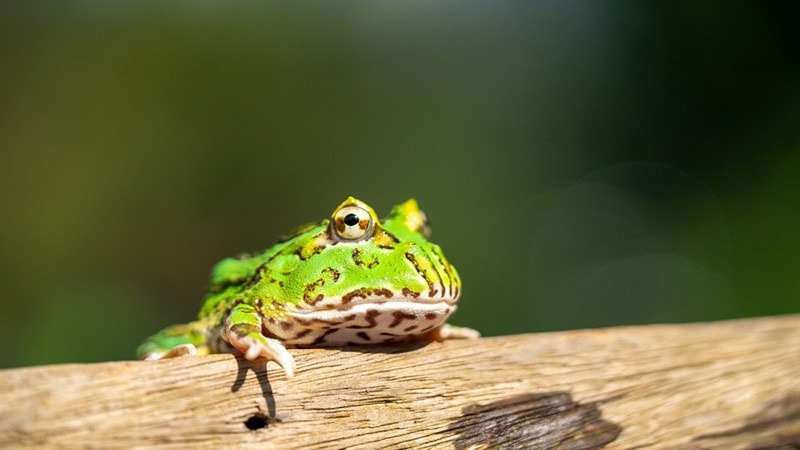
Pacman Frogs are a very popular species of pet frogs that get their name from their resemblance to the Pacman computer game character. They are terrestrial frogs and are actually poor swimmers. They are easy to care for and they are fun to watch, but they don’t like being handled regularly so they aren’t the ideal choice for owners that want an interactive pet.
| Size: | Up to 6 inches long |
| Lifespan: | 10 years |
| Color: | Red, orange, yellow, green, or brown |
| Suitable for: | Novice keepers that want a hands-off frog species |
| Temperament: | Docile, greedy, lazy |
| Diet: | Earthworms, crickets, roaches |
| Tank Set-Up: | 20-gallon tank, damp substrate, shallow water dish |
| Minimum Tank Size: | 20 gallons |
| Suitable Tank Mates: | None |
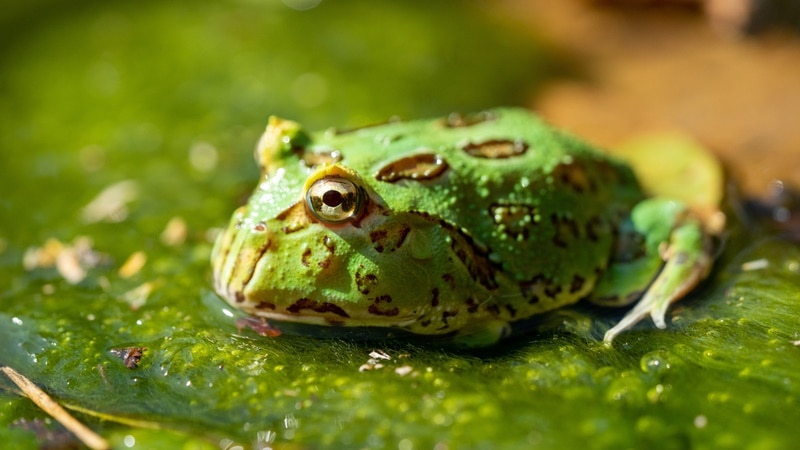
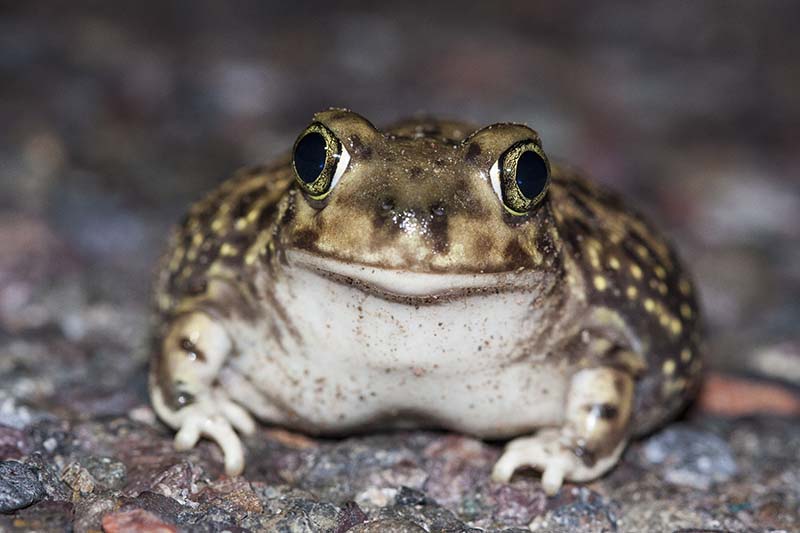
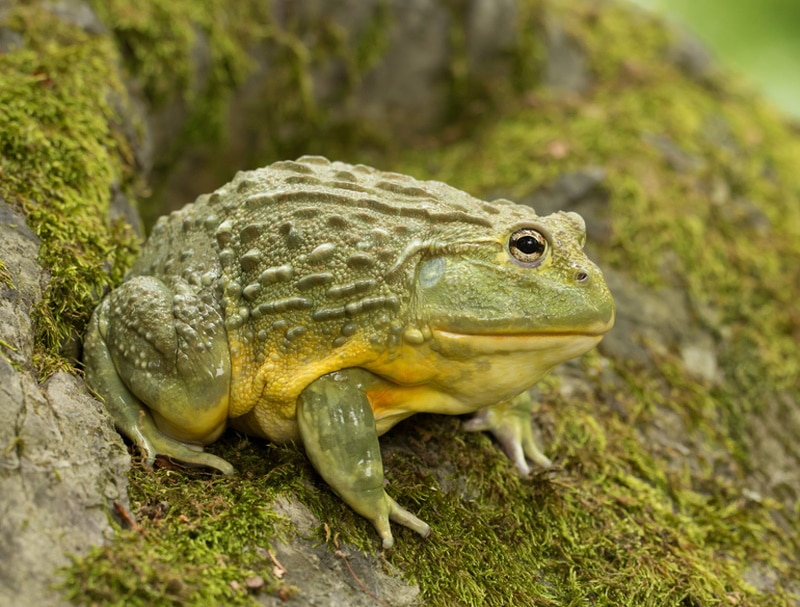
The Pacman Frog’s real name is the South American Horned Frog. There are several species of Pacman Frog, with the Surinam, Argentine, and Cranwell’s Horned Frogs typically being the most popular pet choices. All have very big appetites and will eat virtually anything they can fit in their mouths. They also have relatively low care requirements, and it's this combination that makes them popular pets.
If you are looking for a pet frog you can handle, the Pacman Frog isn’t the ideal choice, and it's generally recommended that you only handle this species when necessary. Also, they can be cannibalistic and will also attack other frog species, so they need to be kept alone.
Pacman Frog Breed Characteristics

Pacman Frog Overview
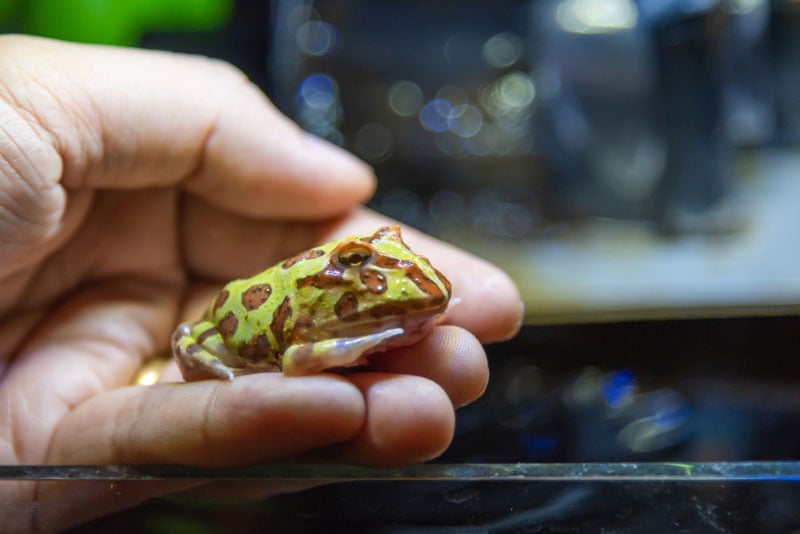
The Pacman Frog hails from South America, with different species having been discovered in different countries. It is a popular pet frog species that is kept by beginners as well as experienced frog keepers because it has low care requirements and is entertaining to watch.
Its popularity means that it is commonly found in specialist stores, as well as some pet stores, and there are plenty of breeders that have a good stock of Pacman Frogs available. The tank and setup requirements aren’t too challenging for this breed either, especially because it is a terrestrial species that can’t swim. Despite its inability to swim and the fact it lives on land, the Pacman Frog does require a damp substrate to closely mimic the damp leaves and surfaces it would live in in the wild.
Handling should be kept to an absolute minimum and the Pacman Frog does not do well when kept with other frogs. As well as being cannibalistic, and therefore potentially eating other Pacman Frogs it is kept with, the species also tends to be aggressive with frogs of other species.
Pacman Frog Cost
The Pacman Frog is readily available. It can be found in some pet stores and is often found in specialist amphibian stores, as well as from breeders that rear Pacman Frogs. Its availability means that the species is affordable, generally costing between $20 and $30 for one.
When buying a Pacman Frog do try and see the frog first, especially ensuring that it eats freely. Pacman Frogs have a very healthy appetite and will usually eat anything they see moving and that they can fit in their mouth. If one isn’t eating, it is a good sign that the frog is likely ill, and you will want to avoid purchasing.
Care Guide & Tank Set Up
One of the reasons that Pacman Frogs are popular with first-time frog keepers is that they are low maintenance and easy to care for. To ensure your Pacman stays healthy and happy, you need to provide a suitable tank and setup.
Tank Size
The Pacman Frog requires at least a 10-gallon tank. They don’t need water because they can’t swim, but the substrate needs to be kept damp, and regular cleaning will be required, so you will need a tank that is easy to get into and clean.
Substrate
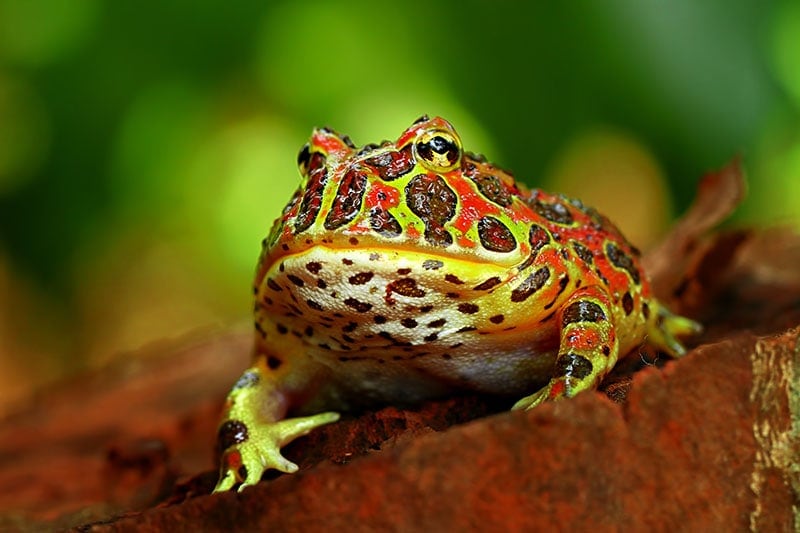
The bottom of the tank can be lined with paper, but above this you should place leaf or moss, and the substrate will need to be misted every day. Daily misting helps manage humidity levels while also providing a damp surface that Pacman Frogs enjoy in the wild.
Humidity
Humidity levels should be kept between 50% and 80%. Misting the substrate and ensuring that the substrate can retain moisture will help achieve the required levels.
Lighting
You may find that regular room light is enough for a Pacman Frog. Failing that, if your amphibian wants a bit more light, you can add a fluorescent light. Some owners do provide a UV light that offers both UVA and UVB, and they offer a 12-hour day and night cycle.
Heating
Pacman Frogs do have specific temperature requirements. They need their enclosure to rise to around 82°F during the day and drop to 78°F at night. Rather than using overhead heat lamps or bulbs, which can dry out the frog and the enclosure, look at under-tank heaters or under-tank heat mats.
Things to Know When Owning a Pacman Frog:
Pacman Frogs are quite easy to care for and have simpler tank and setup requirements than other amphibians. They are considered ideal pets for first-time frog keepers, but they aren’t the ideal choice for all owners. They do have voracious appetites and they aren’t sociable animals.
Food & Diet Requirements
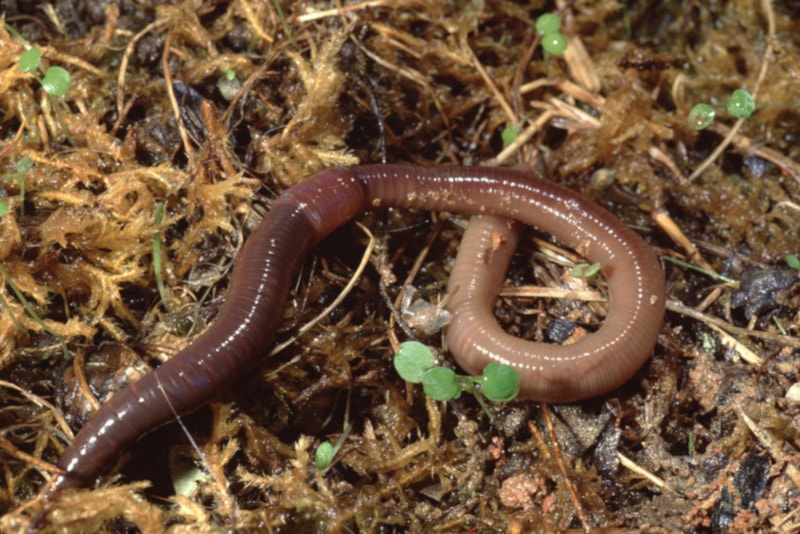
Pacman Frogs will eat just about anything that moves and they can fit in their mouths, and they will eat and eat. Typical foods for pet Pacmans include dubia roaches as well as ants and earthworms. Adult Pacman Frogs can even be fed pinkies and larger mice. How often your Pacman Frog eats will depend on their diet. Mouse-eating Pacman Frogs only need to be fed every few days, while insect-eating Pacman Frogs will need food every day.
Water/Liquid Requirements
Although Pacman Frogs cannot swim and are terrestrial frogs, they still need a damp environment. As well as misting the substrate, you should also provide a shallow bowl of water. If the tank is especially humid, your frog may choose to spend most of its time sitting in the bowl, but in any case, it will enjoy waddling around in the water from time to time.
Size & Growth Rate
Pacman Frogs can grow up to an inch a month and reach their full size, of around 6 inches, at the age of 12 to 18 months old. However, it is more likely that your Pacman will grow around half an inch most months.
Varieties
South American Horned Frogs can be found across South America, with different species having been discovered in different areas. There are also some species that have arisen as a direct result of the intentional crossbreeding of these species.
The five species you are most likely to find in stores and from breeders, and that are the most popular with keepers, are:
Lifespan and Health Conditions
Pacman Frogs will usually live around 10 years in captivity, although some may live a couple of years less and some may live a little longer. To ensure the longest life from your Pacman, make sure you offer the best possible tank setup and offer a UV light on a 12-hour day/night cycle while also monitoring food intake. Although the Pacman Frog is generally quite a hardy amphibian, there are some conditions that it is prone to:
Male vs Female
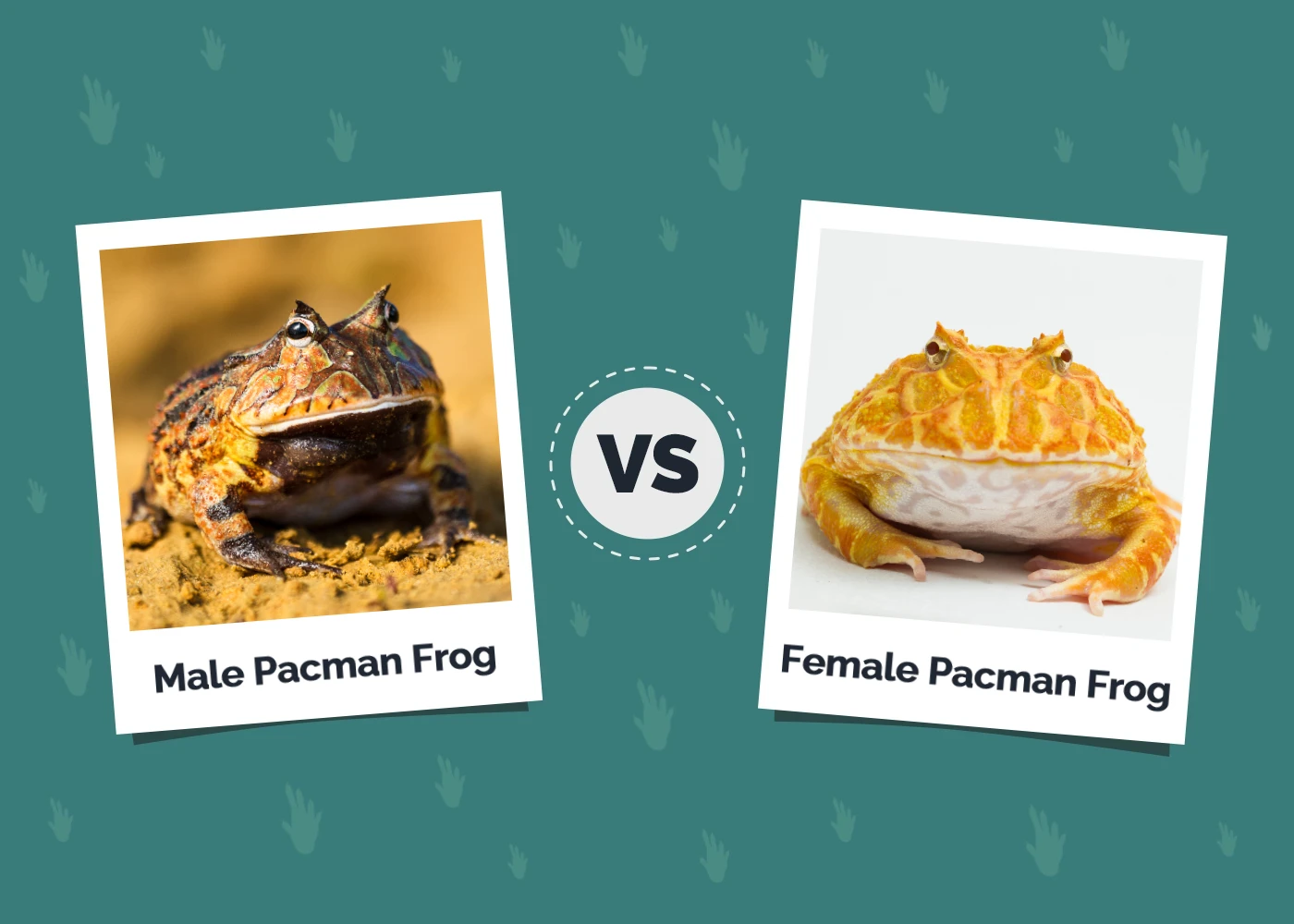
As is common in frogs and other amphibians, females grow larger than males, both in size and weight. Both genders can be aggressive, but the male tends to be more territorial than the female.
3 Little-Known Facts About Pacman Frogs
1. They Can’t Be Kept with Other Frogs
Pacman Frogs are not sociable animals. They don’t like to be handled by their owners, so handling should be kept to a minimum. They also don’t get along with other frogs. They can be cannibalistic so will kill other Pacman Frogs, and they will even attack other species, so you can’t keep them with other pet frogs.
2. They’re Named After a Video Game Character
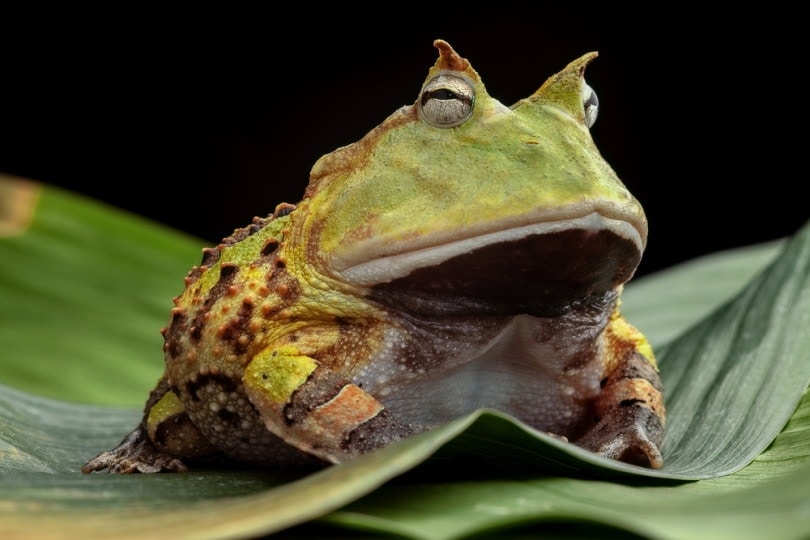
The South American Horned Frog is most commonly referred to as the Pacman Frog, and it gets its nickname because its round shape and wide-opening mouth mean it has a striking resemblance to the Pacman video game character, although the frog is more likely to be green or brown than yellow. However, like the video game character, it will eat just about anything it spots.
3. They Can Bite
Although they are considered good choices as first-time frogs and are suitable for first-time keepers, Pacman Frogs are one of the species of frogs more likely to bite. While they typically only bite other animals, they may bite their humans if they feel threatened. Pacman Frogs do have teeth, which means there is the possibility that a bite will draw blood, although this is rare. And, while the Pacman usually lets go straight after biting, this isn’t always the case. It may hang on and continue biting, which makes it difficult to get the frog off. If your Pacman Frog bites and won’t let go, run dechlorinated water over the frog to encourage it to let go.
Final Thoughts
Pacman Frogs are a very popular species of pet frogs. They are especially popular with novice frog keepers because they are low maintenance. However, they aren’t a good choice of pet for owners that want to handle their animals and they can be aggressive with other frogs, whether frogs of the same species or other species, so they need to be kept on their own. And, while not venomous, they do have teeth and can bite, although it's rare for this species to bite their handlers once they get to know them.
Sources
Featured Image Credit to: yusuf kurnia, Shutterstock
Get Hepper In Your Inbox


Pet care tips from our vets and experts, straight to your inbox.
You may opt-out at any time. View our Privacy Policy for more information.

Nicole is a lover of animals of all sizes but is especially fascinated with the feline variety. She’s the proud mom of Baby, a Burmese, and works every day so he can relax in the sunshine or by the fire. She’s always had a cat in her home and has spent countless days with others, observing behaviors and softening up even the grouchiest of the lot. Nicole wants to share her kitty expertise with you so you and your cat can live happy, healthy, and care-free.
Join the conversation
Ask a question, share your story, or send private feedback.