Hepper is reader-supported. When you buy via links on our site, we may earn an affiliate commission at no cost to you. Learn more.
7 Persian Cat Health Problems: Vet Approved Treatments & Prevention Tips


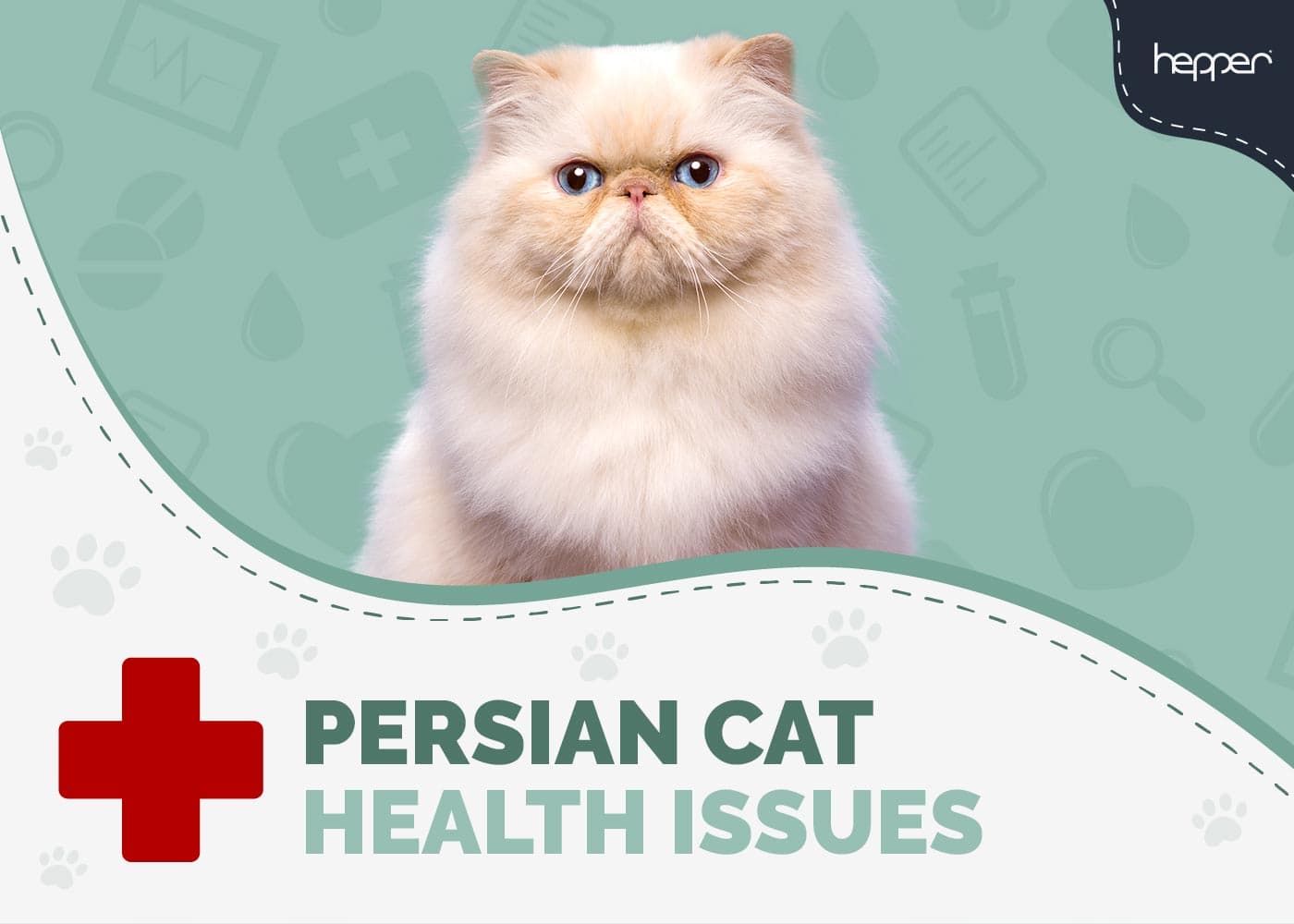
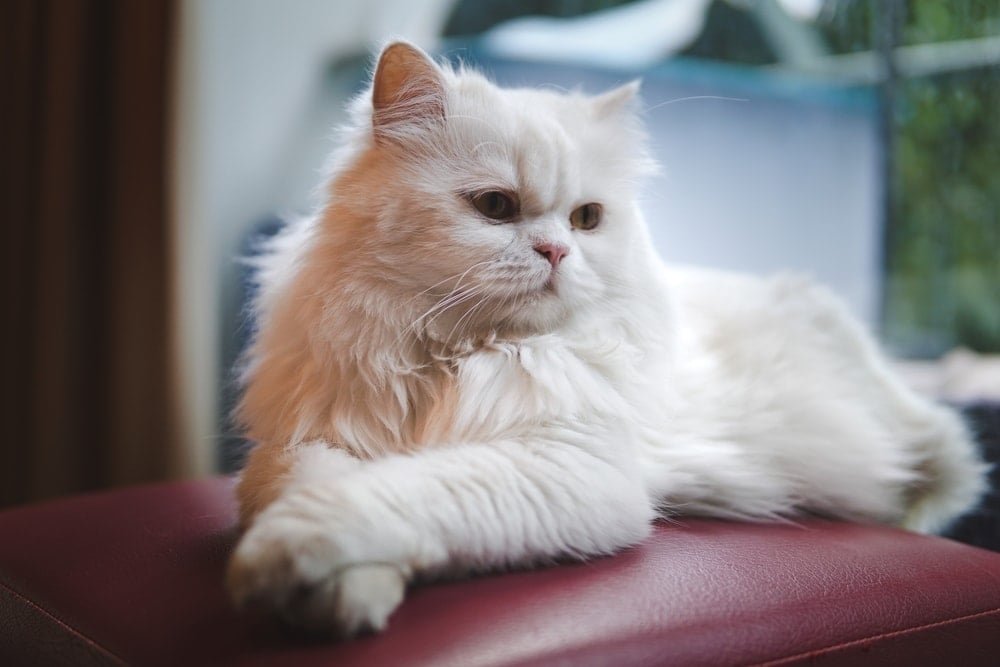
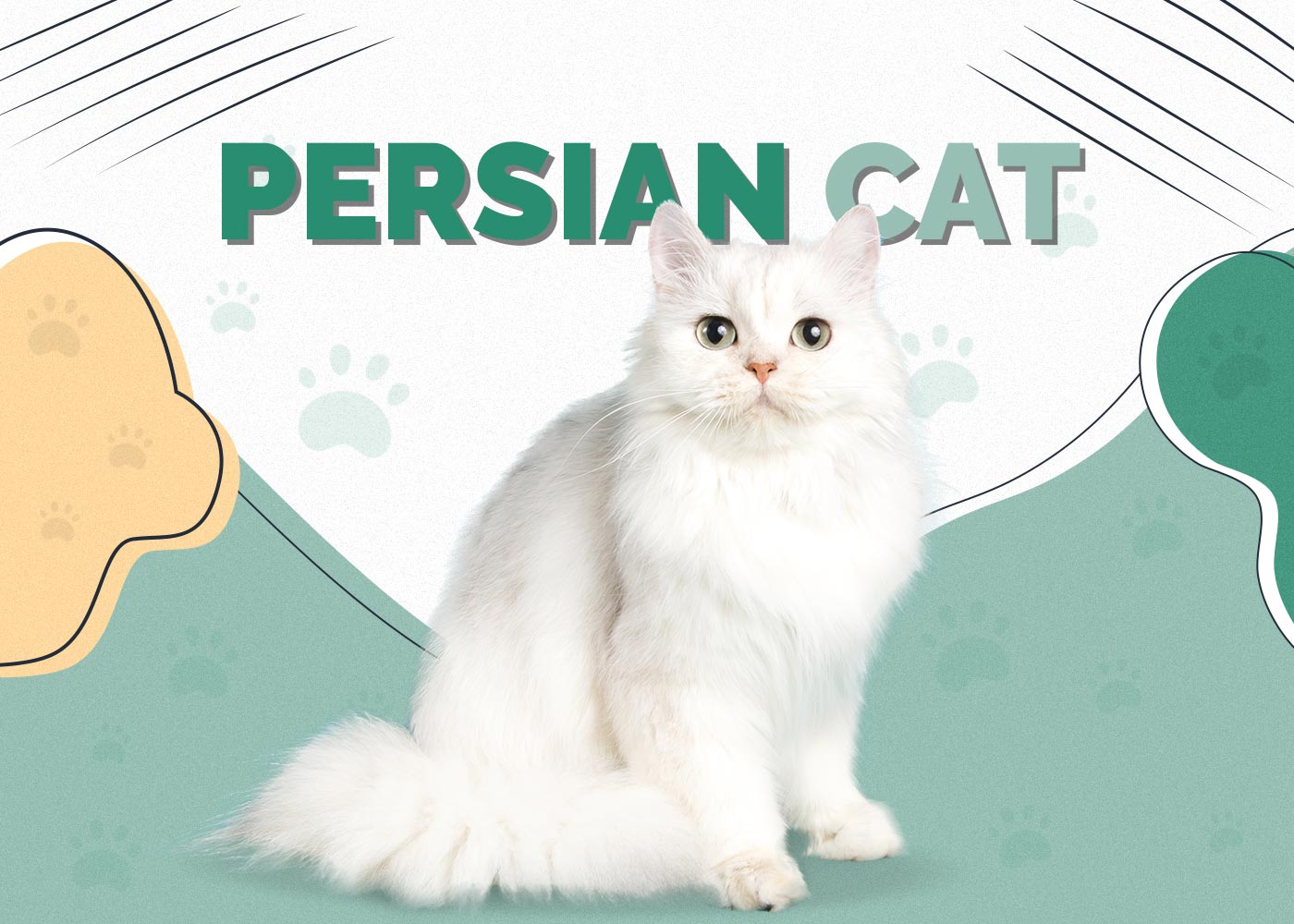
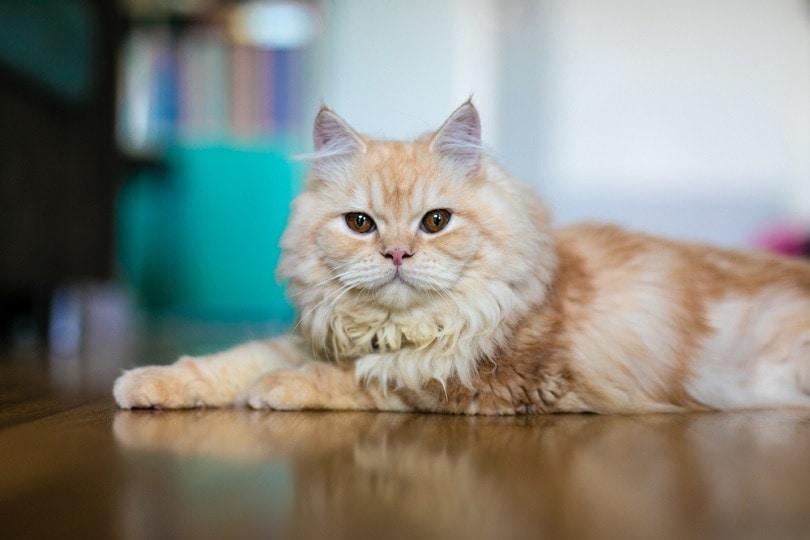
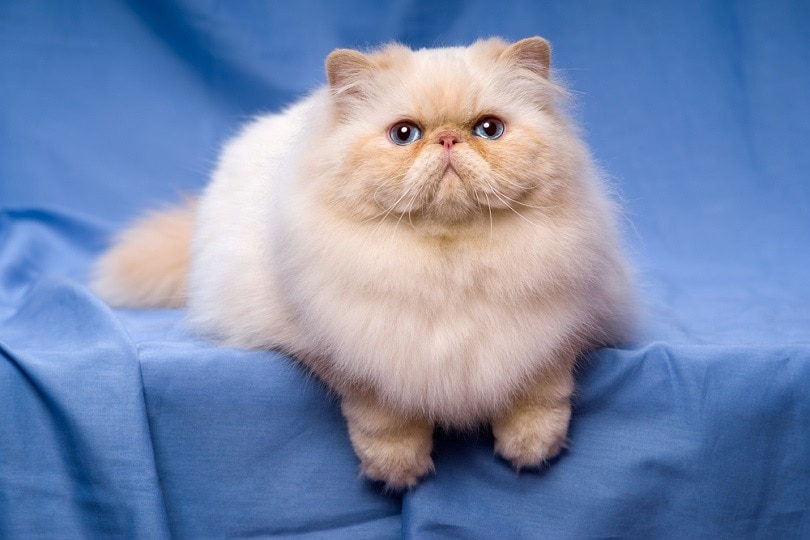
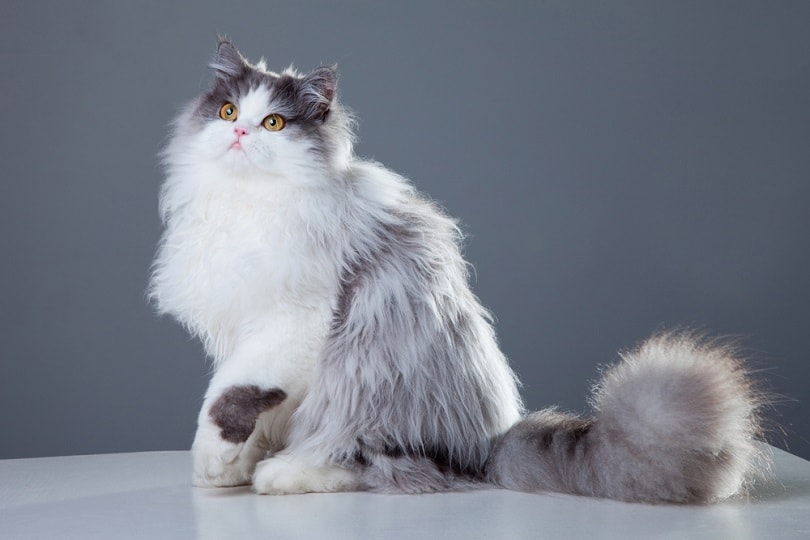
One of the most popular purebred cats globally, Persians are prized for their long, beautiful coats and distinct, round faces. They're associated with luxury and royalty, so it’s not surprising that many want to own one.
Unfortunately, this breed also carries more than a few health complications with it. Some of these complications result from their characteristics, like eye and breathing problems associated with their shortened noses. Others are genetic diseases that are more common in the Persian gene pool. If you want a Persian cat, you should be educated on possible health complications so that you can be there for your cat no matter what.

The 7 Persian Cat Health Problems
1. Facial Dermatosis
A Persian cat’s long, luxurious coat can be a thing of beauty. However, they are prone to an uncommon disorder called facial dermatosis. This shows as black exudate on their faces and the cause is unknown at this time. The black discharge often collects on their chins, tear folds and tops of the nose. Yeast infections secondary to the problem can make it harder to treat.
- Prevention and Treatment
This is more common in young Persian cats so check with your breeder if this has been a problem with any of their cats. Treatment is difficult and not always successful but your vet will be able to talk you through the options.
2. Ringworm
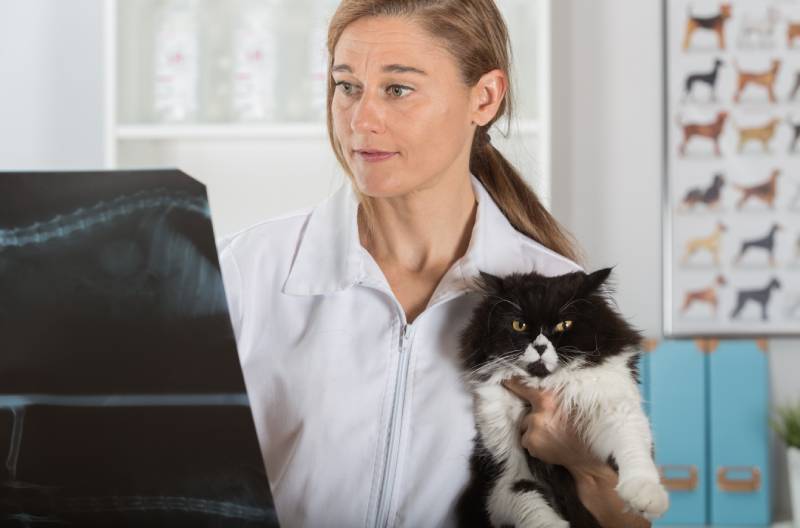
Another type of skin disease that can affect Persians is ringworm. Ringworm is caused by a fungus that can grow in your cat’s fur and skin, causing ring-shaped rashes. Along with the rashes, another common symptom of this disease is hair loss and scaling. Ringworm isn’t fatal to cats, but it can be uncomfortable and difficult to get rid off. It is also highly contagious to other pets and humans. Because of this, ringworm infections should not be taken lightly.
- Prevention and Treatment
Like other skin conditions, proper grooming will reduce the incidence of ringworm. Avoiding affected cats will also help minimize your cat’s chances of exposure. If you do notice symptoms of ringworm, vet treatment will help your cat overcome the infection. This might include topical or oral medication along with other types of treatment such as shampoo.
3. Polycystic Kidney Disease
Polycystic Kidney Disease is a genetic disease that is most common in cats with Persian ancestry. Cats with this disease develop cysts inside their kidneys that grow progressively. The severity of the condition varies greatly, and some cats with the disease never experience kidney failure but sadly many do. Signs of kidney disease include excessive thirst and urination, vomiting and diminished appetite.
- Prevention and Treatment
In most cases, it’s unrealistic to remove the cysts in your cat’s kidneys, but there are treatments that can help manage the symptoms. Medications can help boost kidney function, and diet therapy can help your cat as well.
Because the gene for PKD is known, a gene test is available. This can help breeders avoid breeding cats with PKD. Ask your breeder about their genetic screening policy before adopting a Persian.
4. Hypertrophic Cardiomyopathy
Persian cats are at a slightly higher risk of a heart defect called Hypertrophic Cardiomyopathy. This disease causes cats to develop thickened heart muscles that alter blood flow. That adds extra strain on the heart and causes the heart to work less efficiently. Cats with HCM might not have symptoms but are at a much higher risk of sudden heart failure, which can occur at any time. If symptoms occur, they are usually mild such as an elevated heart rate or labored breathing.
- Prevention and Treatment
The genetic causes of HCM in Persians are still under investigation, so it can be difficult for breeders to avoid the condition. However, if a cat is diagnosed with HCM via a heart imaging process called echocardiography, medications can be administered that reduce the rate of heart failure. Monitoring and risk management are the best options for HCM.
5. Obesity
Obesity can affect cats of any breed, but in Persian cats, obesity often goes unnoticed because of their long hair and stockier builds. Even if you can’t visually see if your cat is a healthy size, you can still tell if your cat is at a healthy weight by touch and through monitoring. Your cat’s ribs shouldn’t be protruding, but you should still be able to feel them through his fur. Once your cat is eighteen months to two years old and done growing, his weight should stabilize. Occasionally weighing your cat can give you an idea if he is gaining or losing weight. Overweight cats are much more likely to face health problems, including diabetes, heart issues, breathing difficulties, and other problems.
- Prevention and Treatment
In most cases, obesity can be prevented and treated through diet management. A smaller amount of food and inducement to exercise can help your cat to lose weight. A consultation with a vet can help you choose the best path for treating obesity and help you ensure that there are no underlying conditions causing weight gain.
6. Brachycephalic Airway Syndrome
Persian cats have shortened noses, and this often leads to Brachycephalic Airway Syndrome. BAS refers to several different issues caused by having a shortened skull. Cats with BAS have difficulty breathing, poor eye and nasal drainage, and symptoms such as coughing, wheezing, or gulping air. Symptoms range from mild to severe, and “peke-face” Persians, which have a completely flattened face, have the most severe symptoms.
- Prevention and Treatment
Responsible breeding and avoiding extremes are the best ways to minimize BAS. Owners seeking Persian cats should avoid the most extreme face shapes. There is no cure for BAS, but some of the symptoms can be managed. Hot and humid environments, stress, overexertion, and obesity are all common risk factors that worsen the severity of this syndrome.
7. Progressive Retinal Atrophy
Among the genetic diseases common to Persian cats is Progressive Retinal Atrophy. This condition causes the eyes to deteriorate with age, starting when the cat is around two years old. Over time, the disease will cause total or close to total blindness. This is a generally rare disease in cats, but one gene responsible for this disease is relatively common in Persian cats and related breeds.
- Prevention and Treatment
PRA is caused by a recessive gene. There is a genetic test available that can identify cats with one or two copies of the gene, so the best form of prevention is genetic testing before breeding. Many breeders routinely conduct PRA testing on their cats to ensure all breeding stock is free from the disease.
If you do adopt a Persian with PRA, there is no known way to treat or slow the disease’s progression, but accommodations can be made to help your cat as their vision fails. These include accessible food and water bowls, beds, and litter boxes, steady routines, and an unchanging environment. Blind cats can memorize the layout of their homes, so many cats can continue to function after vision loss.
Final Thoughts
The Persian is one of the oldest and most popular cat breeds, but its popularity has worked against it when it comes to health. The many diseases endemic in the Persian cat gene pool spread most freely when breeders and owners don’t take proper precautions such as routine vet care, genetic testing where available, and lineage tracing. But today, there are more resources available than ever when it comes to breeding and caring for these dignified beauties.
Sources
Get Hepper In Your Inbox


Pet care tips from our vets and experts, straight to your inbox.
You may opt-out at any time. View our Privacy Policy for more information.
Chelsea Flake Mortensen is a writer with a passion for pets. She grew up around everything from cats to chameleons and loves working with all kinds of animals. Chelsea has a BA in English and Creative Writing from Brigham Young University.
Chelsea loves reading, writing, sewing, and board games. She's lived in half a dozen US states and two countries. She is currently living in New England with her husband. Her articles have been featured in various magazines and literary journals for children and adults. Her writing has been translated into over 40 languages.
Join the conversation
Ask a question, share your story, or send private feedback.