Hepper is reader-supported. When you buy via links on our site, we may earn an affiliate commission at no cost to you. Learn more.
Brachycephalic Airway Syndrome In Cats: Causes, Signs & Care (Vet Answer)

In this article
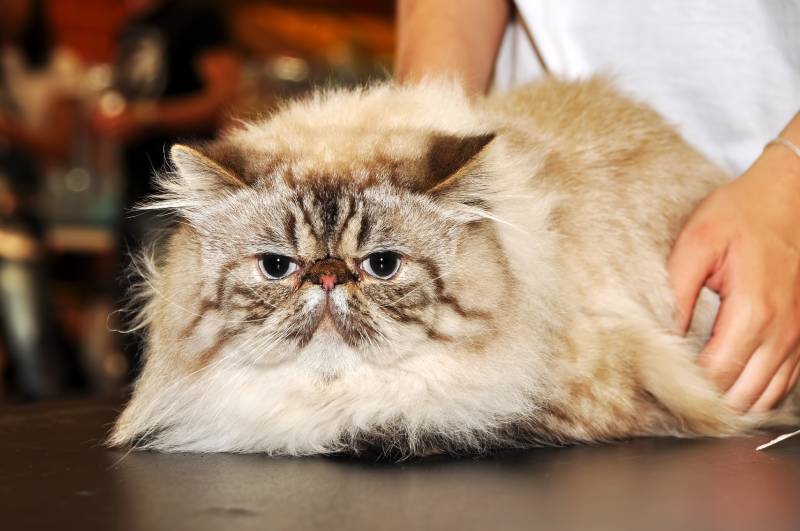
Did you know that cats with shortened snouts are referred to as “brachycephalic”? “Brachy” means shortened and “cephalic” means head, so the word brachycephalic quite literally means “shortened head”. The skulls of these cats are shorter in length compared to the skulls of regular cats, giving them a flat-faced appearance.
While their flat faces may be cute, brachycephalic cats have a plethora of health issues directly linked to the shape of their skulls, including breathing difficulties. These cats frequently suffer from a condition known as brachycephalic airway syndrome.

What Is Brachycephalic Airway Syndrome?
Brachycephalic airway syndrome is the medical term for a combination of abnormalities of the upper airways of short-snouted cats, which can lead to breathing difficulties. Cats with brachycephalic airway syndrome may have one or more of the following abnormalities:

What Are the Signs of Brachycephalic Airway Syndrome?
Some of the most common signs of brachycephalic airway syndrome include the following:
1. Open mouth breathing, noisy breathing, and snoring
The most obvious signs of brachycephalic airway syndrome are noisy breathing and open mouth breathing. Cats with this condition find it easier to breathe through their mouths instead of their noses. Affected cats may also snore while sleeping and have disturbed sleep as every time they relax, their airways become obstructed. Open mouth breathing, noisy breathing, and snoring are all signs that these cats are unable to take in sufficient oxygen due to their narrowed airways.
2. Exercise intolerance
Another sign associated with brachycephalic airway syndrome is exercise intolerance. Affected cats tend to tire quickly while playing or exercising. This predisposes them to weight gain which further exacerbates the problem.
3. Gagging, regurgitation and vomiting
Animals with brachycephalic airway syndrome may also develop gastrointestinal problems resulting from their breathing difficulties. This may lead to gagging, regurgitation and vomiting.
4. Respiratory distress or collapse
In severe cases, cats with brachycephalic airway syndrome may go into respiratory distress or even collapse after playing or becoming excited (especially in hot weather). Signs of collapse include a loss of consciousness and blue gums due to a lack of oxygen.
What Is the Cause of Brachycephalic Airway Syndrome?
Brachycephalic airway syndrome is a genetic condition caused by selectively breeding cats to have a flat-faced appearance. Cats with short snouts still have the same amount of soft tissue in their nose and throat as cats with longer snouts, but this tissue is compressed into a smaller space. This obstructs airflow through the upper airways.
How Do I Care for a Cat With Brachycephalic Airway Syndrome?
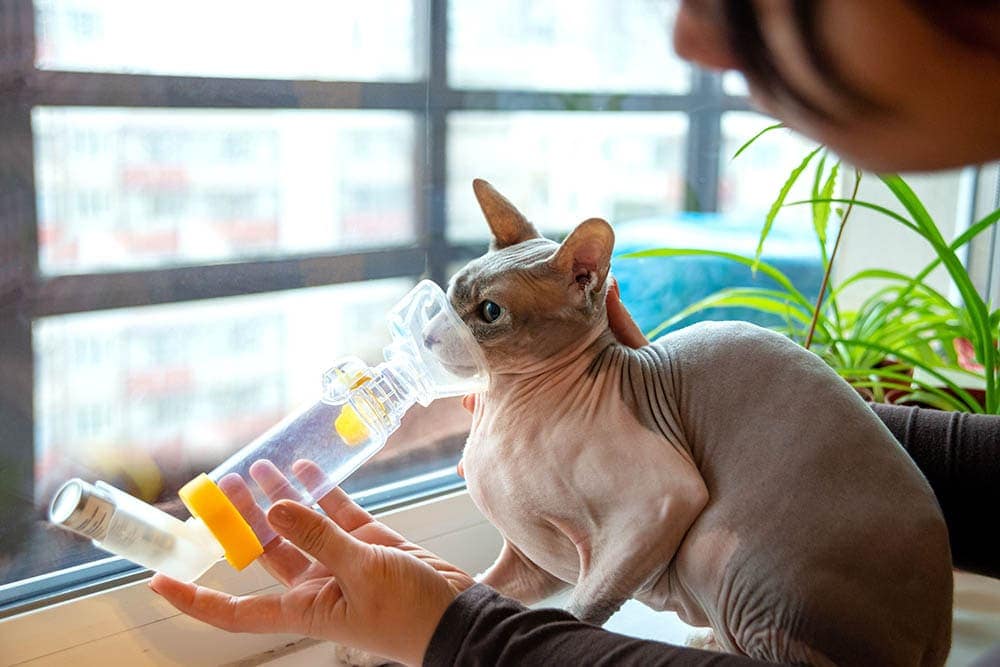
Because brachycephalic airway syndrome is caused by congenital abnormalities of the airways, the only way to correct the problem is surgically. Surgery has the potential to significantly improve the quality of life for these cats by removing the excess upper airway tissue, allowing them to breathe normally.
Conservative management may, however, be an option if your cat has mild or intermittent signs of brachycephalic airway syndrome.
Weight control forms an important part of the management of this syndrome. Being overweight worsens the signs of brachycephalic airway syndrome, so it’s important that cats with the condition are kept at an ideal body weight. Overweight cats should be placed on a diet and appropriate exercise program in order to lose weight. Your veterinarian is the best person to help you with this.
Heat can also exacerbate the symptoms of brachycephalic airway syndrome and may even lead to respiratory distress. As a rule, all brachycephalic cats should be kept indoors on a hot day in a room with a fan or air conditioner and access to plenty of fresh water.
Speak to your veterinarian about ways to best manage the condition for your individual cat.
Frequently Asked Questions (FAQs)
How is brachycephalic airway syndrome diagnosed?
The diagnosis of brachycephalic airway syndrome is based on the breed of cat, the clinical signs present, and a physical examination.
Further diagnostics such as blood work, X-rays, and endoscopy are usually necessary to exclude other conditions that could be responsible for the clinical signs seen and to confirm the diagnosis.
Stenotic nares (narrowed nostrils) are easily confirmed on visual inspection but the other abnormalities associated with the syndrome will need to be investigated under sedation or general anesthesia using an endoscope. Endoscopy of the upper airways will also enable the veterinarian to determine the severity of the abnormalities present.
Are there other health issues that affect brachycephalic cats?
Brachycephalic cats have other health issues directly related to selective breeding and the shape of their skulls. These include:
- Corneal ulcers: Brachycephalic cats are prone to developing ulcers on their corneas (the clear part of the eyeball). This is because their corneas are constantly exposed due to their large, protruding eyes and a reduced ability to close their eyelids.
- Epiphora (persistent eye discharge): The tear ducts of brachycephalic cats are abnormally shaped because of their shortened skulls. This prevents the tears which are constantly produced to protect their eyes, from draining properly.
- Skin fold dermatitis: This condition occurs when moisture is retained between the skin folds of a brachycephalic cat’s snout. These moist, warm conditions are ideal for the overgrowth of yeast and bacteria leading to skin fold dermatitis.
- Dental disease: The shape of a brachycephalic cat’s jaw causes the teeth to be overcrowded and misaligned. As a result, these cats are unable to chew properly, predisposing them to dental disease.
Which cat breeds are brachycephalic?
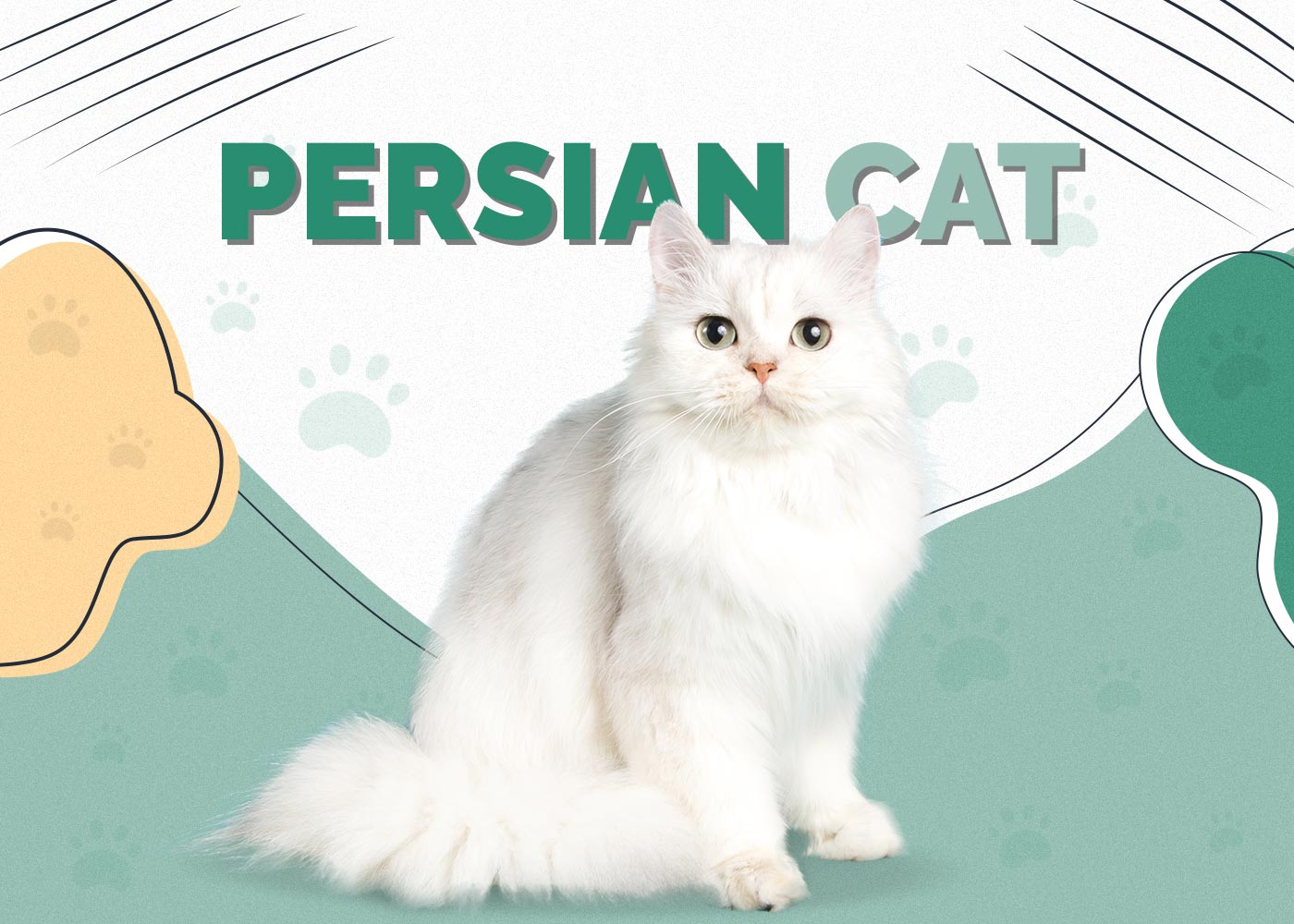
Brachycephalic cats are easy to spot with their shortened snouts. Some common brachycephalic cats breeds include:
Final Thoughts
The physical characteristics that make brachycephalic cat breeds so popular are also responsible for the serious health issues that they experience. Brachycephalic cats frequently suffer from a condition known as brachycephalic airway syndrome due to their shortened skulls. Signs range from noising breathing and open-mouth breathing to respiratory distress and collapse. The only way to correct the syndrome is through surgery, although weight loss may alleviate the symptoms in cats with mild or intermittent signs.
Sources
Featured Image Credit: Ermolaev Alexander, Shutterstock
Get Hepper In Your Inbox


Pet care tips from our vets and experts, straight to your inbox.
You may opt-out at any time. View our Privacy Policy for more information.
Lindsay is a veterinarian who lives in the beautiful city of Cape Town, South Africa with her husband and their rescue cat and dog, Harrison and Blizzard. Lindsay obtained her bachelor's degree in veterinary science from the University of Pretoria and currently works in small animal practice. When she’s not at work, you can find her out in nature, hiking with Blizzard, or following some kind of creative pursuit, such as writing, playing the piano or sewing.
Lindsay is a veterinarian living in Cape Town, South Africa with her husband and their rescue animals, Harrison and Blizzard. You can find her hiking with Blizzard, enjoying time in nature, or writing when she’s not working.
Education
Lindsay graduated from the University of Pretoria, receiving her bachelor's degree in veterinary science.
Experience
Lindsay currently works in small animal practice.
Join the conversation
Ask a question, share your story, or send private feedback.