Hepper is reader-supported. When you buy via links on our site, we may earn an affiliate commission at no cost to you. Learn more.
Puppies In a German Shepherd Litter: Average Size Explained
In this article
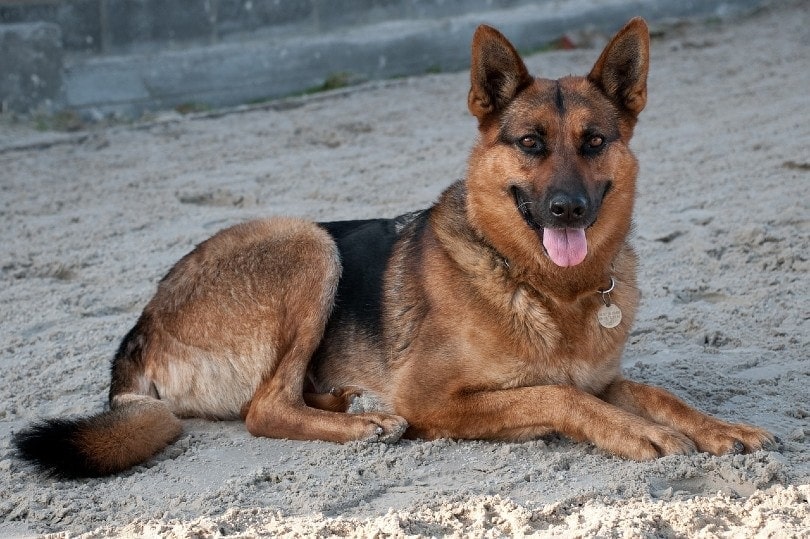
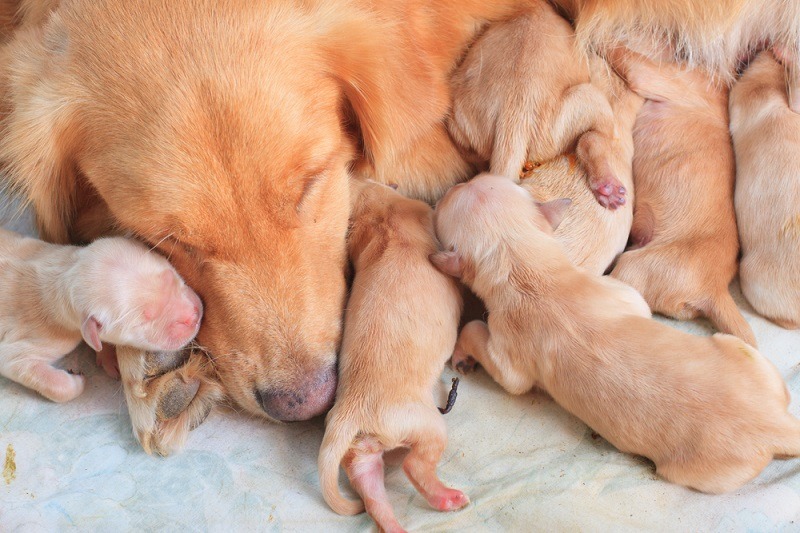
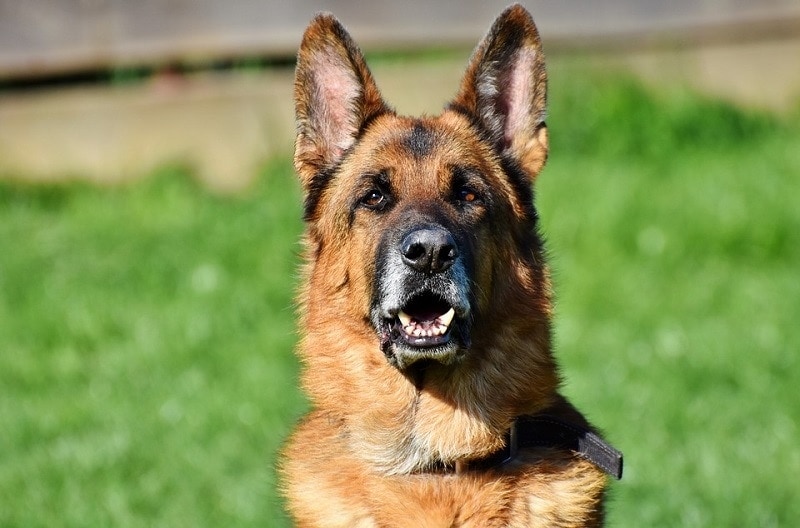
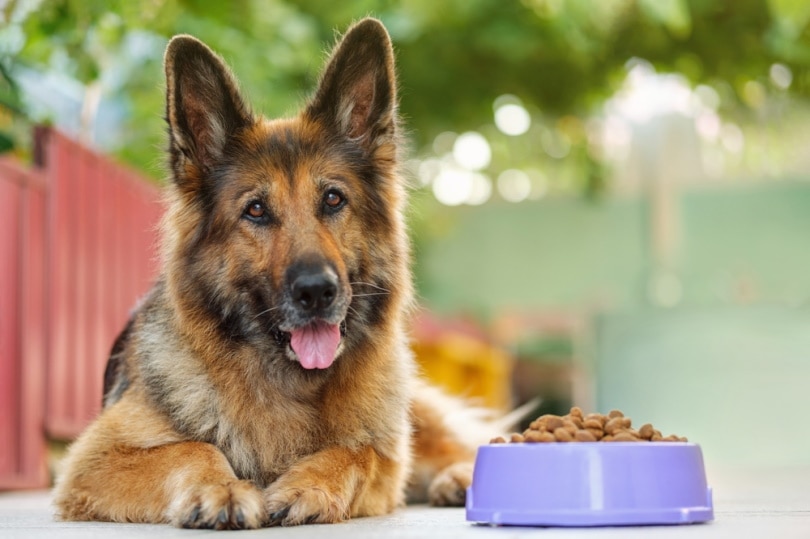
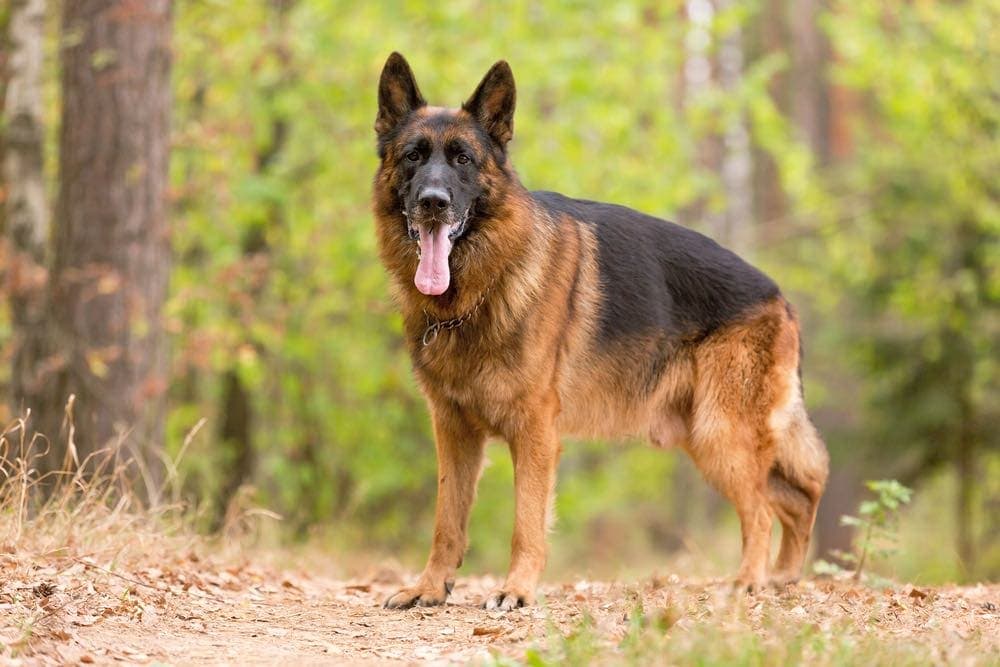
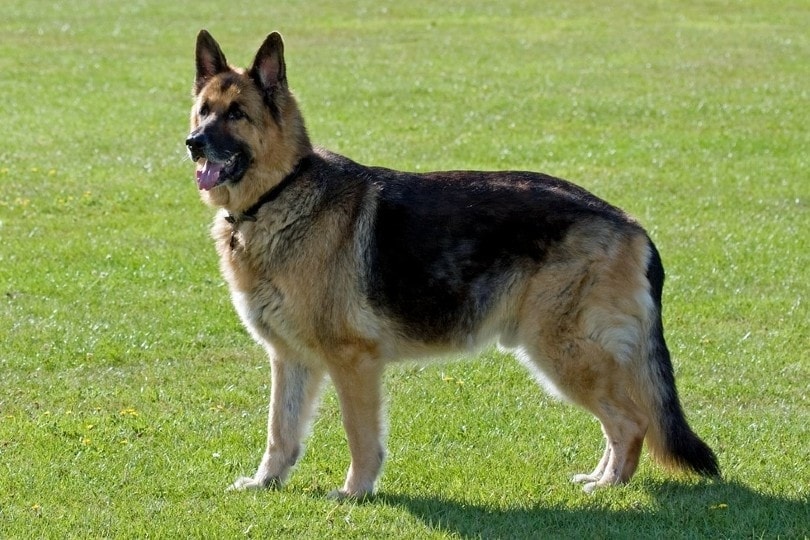
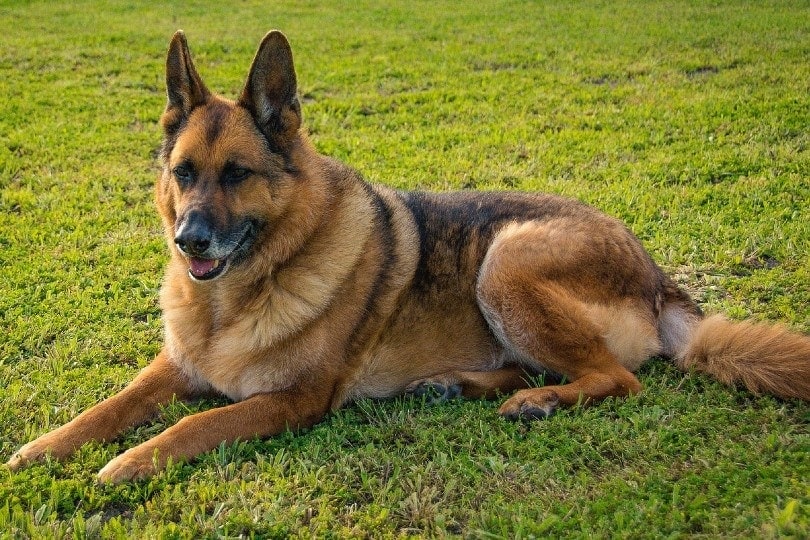
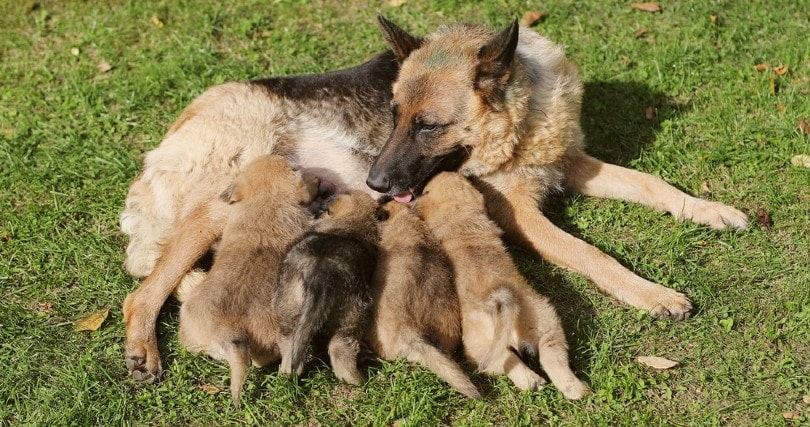
German Shepherds tend to have between five and nine puppies in a litter. Eight is the average. However, larger litters commonly occur and aren't that all unusual. It isn't odd for a German Shepherd dog to have as many as 15 puppies. According to the AKC, the largest litter registered was 17 puppies.
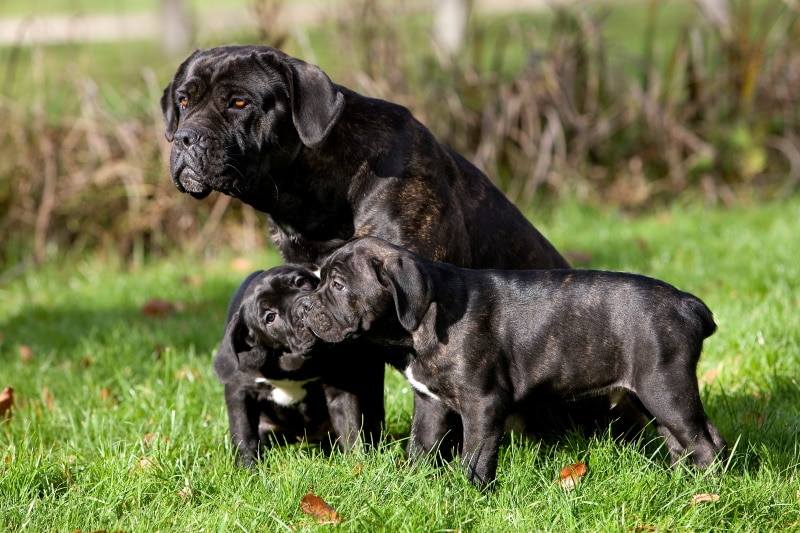
The litter size is affected by several factors, but the dog's size is one of the more significant ones. German Shepherds are larger dogs, and they have more puppies than smaller breeds. For instance, Dachshunds only have one to six puppies on average. The largest litter came from a Neapolitan Mastiff that had 24 puppies.

Factors Affecting German Shepherd Litter Size
While the breed's size significantly affects the number of puppies, there are other factors at play, too. It's impossible to tell how many puppies a dog might have until she gets further into her pregnancy. These characteristics may help you make a good guess, however.
The Female's Size
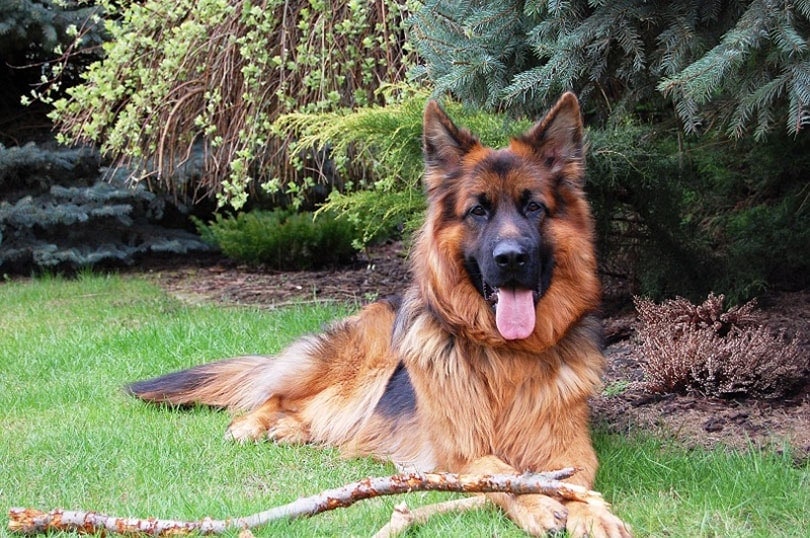
Large dogs have large litters. However, the exact size of the dog also matters. Smaller German Shepherds have smaller litters on average than larger German Shepherds. There isn't as much room for puppies!
If your dog is larger, she may have a larger litter, or she might not. While the size accurately determines a dog's potential litter size, other factors are also at play.
The Female's Health
Unhealthy dogs often won't be able to grow as many healthy puppies. Many puppies may stop growing early on and be miscarried or reabsorbed by the mother’s body. This will reduce the overall size of the litter.
The mother doesn't necessarily have to be blatantly unhealthy, either. Even if you feed her excellent food and take care of her, underlying health problems can cause puppies to perish before they are fully developed. Diabetes is an excellent example of this. It can go unnoticed when it isn't severe, and the dog likely won't show any signs.
However, improperly fluctuating blood sugar can have a massive impact on growing puppies. Without the proper blood sugar levels, many puppies will not develop properly. Short-term conditions can also cause some puppies to develop improperly and be reabsorbed.
For instance, infections can cause one or more puppies to stop developing altogether. Most miscarriages go unnoticed without any clinical signs, especially if only a few puppies are lost. Only late-term miscarriages usually get noticed.
The Puppy's Genetics
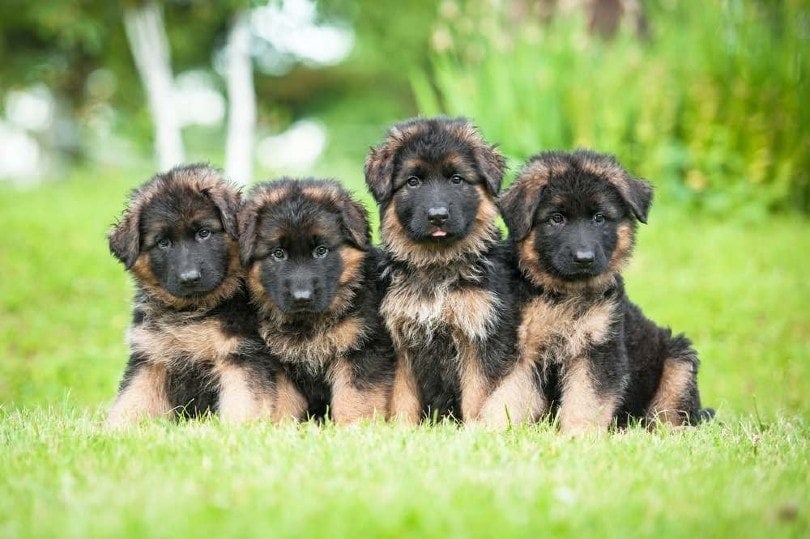
Some genetic conditions in the puppies can cause them to grow improperly and never make it to birth. Usually, this phenomenon is referred to as "lethal chromosome death."
For one reason or another, the genes that a puppy inherited don't allow them to develop, and they die in the womb.
This seems to happen most commonly in purebred dogs, according to the vets at High Street Steeping Vet Clinic. Purebred dogs may have more genetic abnormalities than mixed-breed dogs because they inherit traits from a smaller genetic pool. The odds of them inheriting something harmful are higher because fewer genes exist for them to inherit.
Many purebred dogs are also inbred, including the German Shepherd. This fact doesn't help matters when it comes to neonatal mortality.
Age
The female's age has a significant impact on their litter size. Middle-aged German Shepherds have larger litters than younger and older dogs. Your dog's first litter will usually be smaller since they are younger. German Shepherds typically have the largest litter around age 5. After that, they can decline in size.
However, this decline is more rapid and apparent in some dogs than others. The dog's overall health has a significant impact. Many older dogs have health problems, which likely affects their litter size, too. Some of the health impacts may go unnoticed and be wrongly attributed to age.
Season
Evidence shows that the dog's birth season affects the litter size. However, other studies found no correlation between when the litter was born and the overall litter size. There may be a regional component to this, however.
The season may make more of a difference in areas with more significant seasonal changes. In the tropics, it may not. However, more studies are needed to determine this possibility.
Heritability
Studies have found that dogs can inherit their litter size potential. Dogs that are born to bigger litter tend to have bigger ones themselves. This contributing factor isn't as impactful as others, and if another factor is at play, it will likely take precedence. A sick dog isn't likely to have a large litter, even if their mother did.
Also, several dogs will be a size similar to their parents. Therefore, they will probably have similar litter sizes, even if there isn't any direct heritability of litter size.
Nutrition
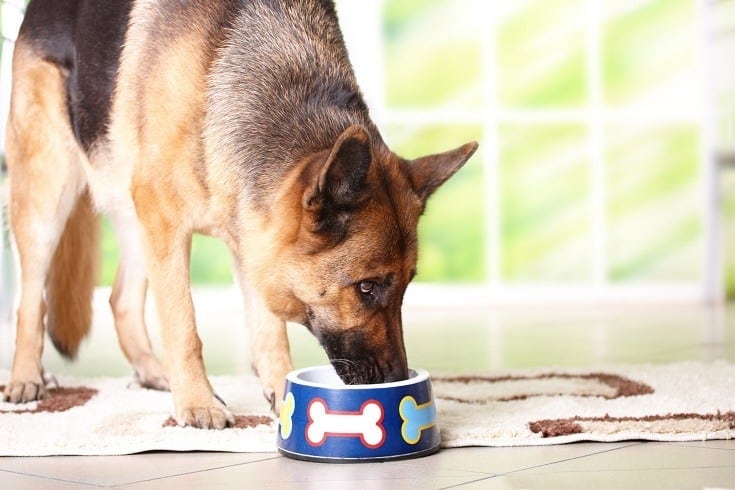
A few nutritional components can affect litter size and the overall health of the mother and her puppies. The AAFCO has particular nutritional guidelines for pregnant mothers for this reason. When a mother dog becomes pregnant, her dietary needs change.
Protein is essential for pregnant dogs. The AAFCO guidelines state that a pregnant dog’s diet should include between 29% and 32% of protein. This is similar to what puppies need, and many pregnant dogs are fed puppy food.
Fatty acids can also play a role. Dogs with lower serum glucose levels in their amniotic fluid tend to have smaller litter sizes. Therefore, feeding them a diet higher in omega fatty acids can be helpful.

Can You Increase Your Dog's Litter Size?
Theoretically, you can increase your dog's litter size by controlling a few variants. Feeding your canine a better diet may result in a bigger litter, for instance. If your dog is sick, it is paramount that you treat them before attempting to produce a litter. However, these factors have to be adjusted before the dog gets pregnant.
Once the dog has conceived, it is impossible to increase their litter size, though you can prevent losses. There are also several factors out of your control. You can't change a dog's size or genetics. Increasing their weight to the point of obesity will negatively affect the litter's size, but the dog will technically be "bigger."
Infections and parasites can lead to stillborn puppies and pregnancy loss. While there are a few things that you can do to reduce the risk of these issues, you can never prevent them entirely. Infections can still occur even if your dog lives in a clean environment and is healthy.
Some steps to increase a litter's size are related to what you should do to keep your dog healthy. You should feed her food suitable for puppies as soon as you plan on breeding her or at least as soon as you find out she is pregnant.
Choosing which dogs to breed also impacts the litter size and can be controlled to a certain extent. However, some dogs can have small litter sizes but may otherwise be great breeding candidates.
In general, to increase your dog's litter size, we recommend doing the following:

Final Thoughts
The average German Shepherd's litter size is about eight puppies. However, several factors can affect the number. For instance, infections and other health conditions can severely disrupt a dog's reproductive chances. Keeping your dog healthy is essential to maximizing litter sizes.
However, some factors are outside of your control. Genetics play a role, and if a puppy inherits specific genes, they are less likely to develop correctly and make it to birth, which will decrease the overall litter size.
Related Reads:
Featured Image Credit: FetViewRoom, Shutterstock
Get Hepper In Your Inbox


Pet care tips from our vets and experts, straight to your inbox.
You may opt-out at any time. View our Privacy Policy for more information.

Kristin is passionate about helping pet parents create a fulfilling life with their pets by informing them on the latest scientific research and helping them choose the best products for their pets. She currently resides in Tennessee with four dogs, three cats, two fish, and a lizard, though she has dreams of owning chickens one-day!
Join the conversation
Ask a question, share your story, or send private feedback.