Hepper is reader-supported. When you buy via links on our site, we may earn an affiliate commission at no cost to you. Learn more.
8 Types of Bearded Dragons (With Info & Pictures)
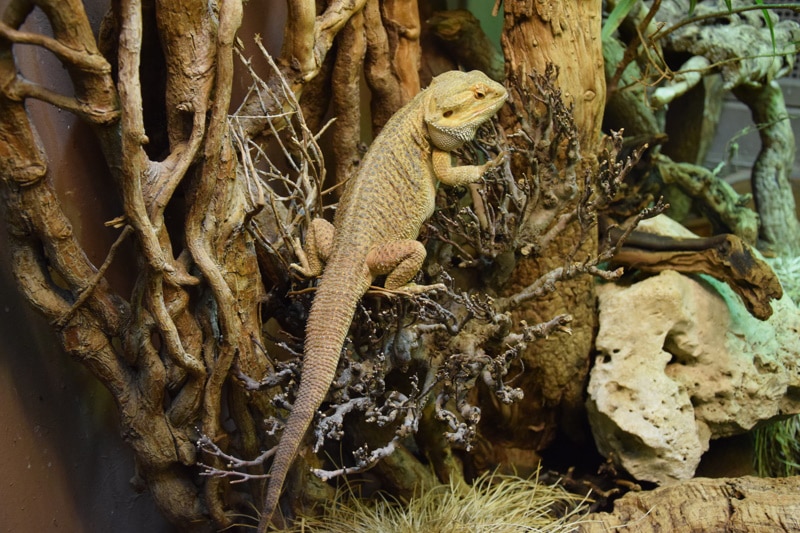
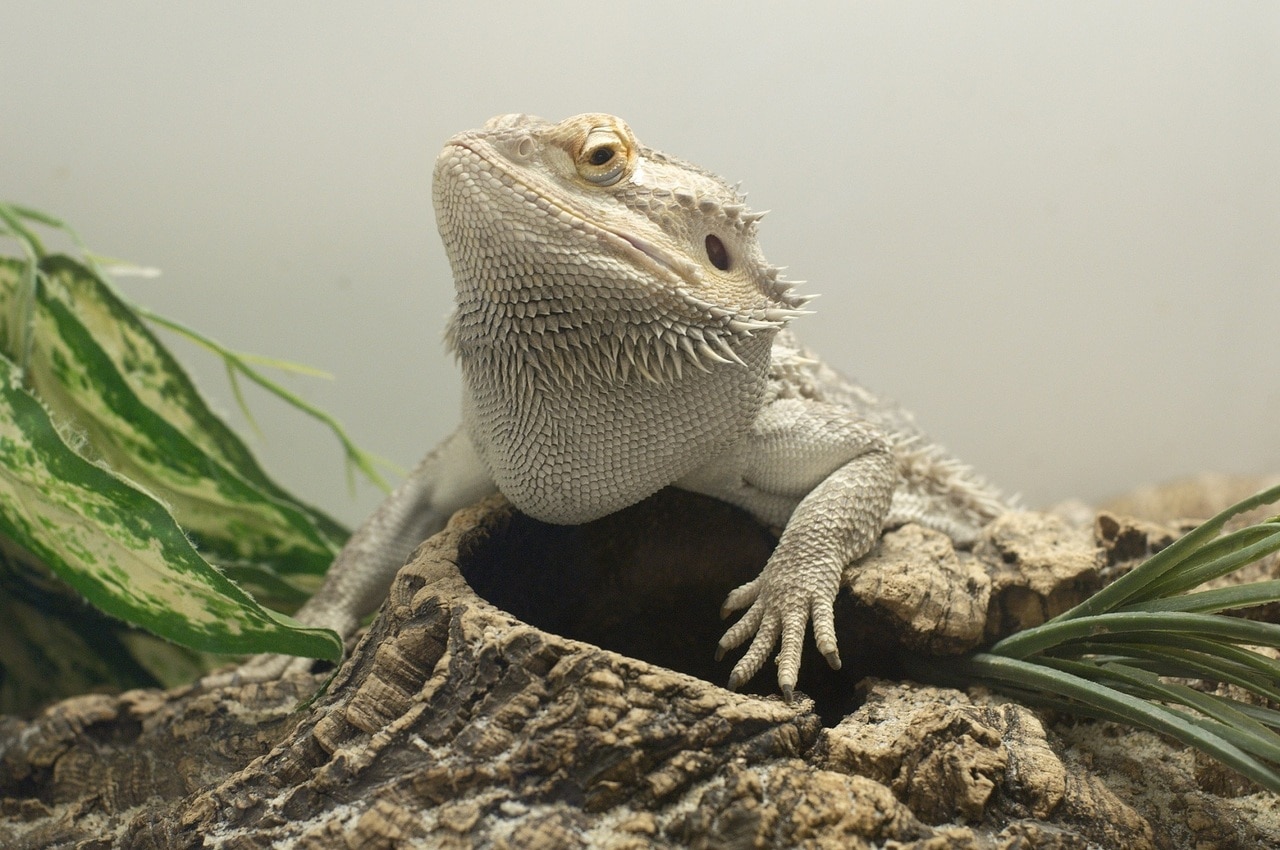
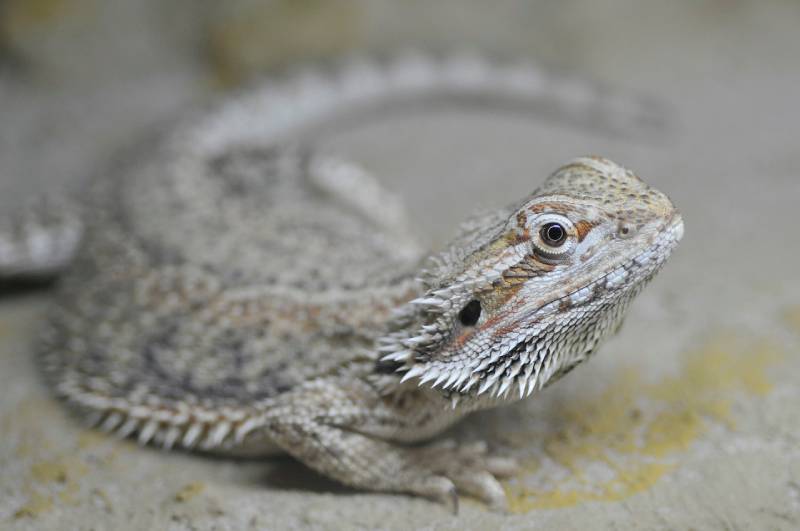
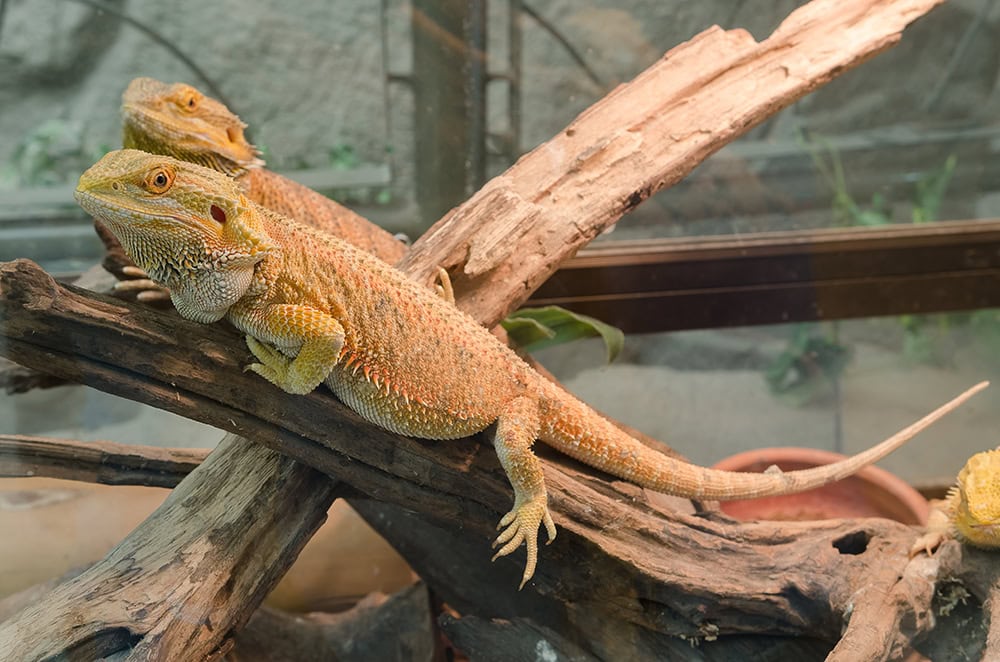
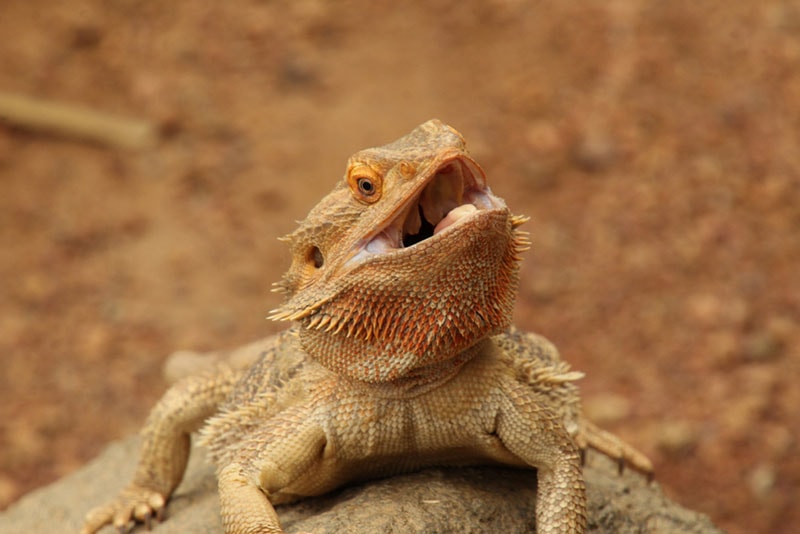
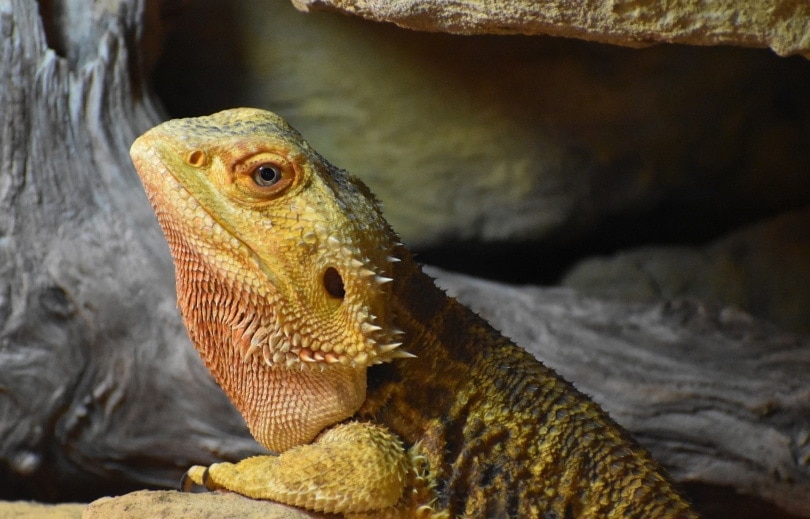
The bearded dragon (Pogona vitticeps) is a reptile species native to Australia. Beardies, as people affectionately call them, are extremely popular pet reptiles due to their gentle yet active nature.
There are eight main species of bearded dragons, though a ninth was recently discovered as a crossbreed of two main species. These reptiles can come in various colors and color morphs. Most species make excellent companions, but you need to be familiar with them to choose the most suitable one for you and your lifestyle.
Read on to learn more about eight types of bearded dragons, including their color variations and morphs, and determine which species may be suitable to be your animal companion.

The 8 Types of Bearded Dragons
1. Pogona vitticeps
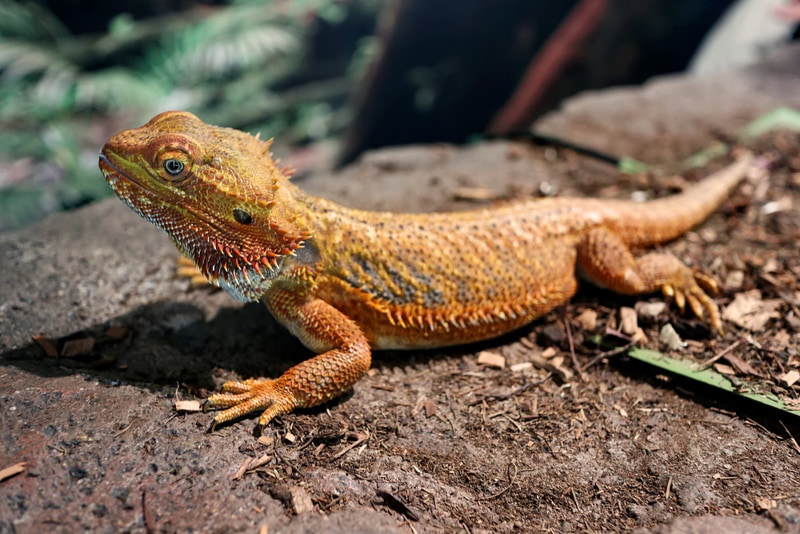
| Maximum Size | 24 inches |
| Habitat | Bushy, dry environments, deserts, and forests |
Pogona vitticeps, also known as the central or inland bearded dragon, is native to central and eastern Australia. This species prefers bushy, dry environments, deserts, and forests.
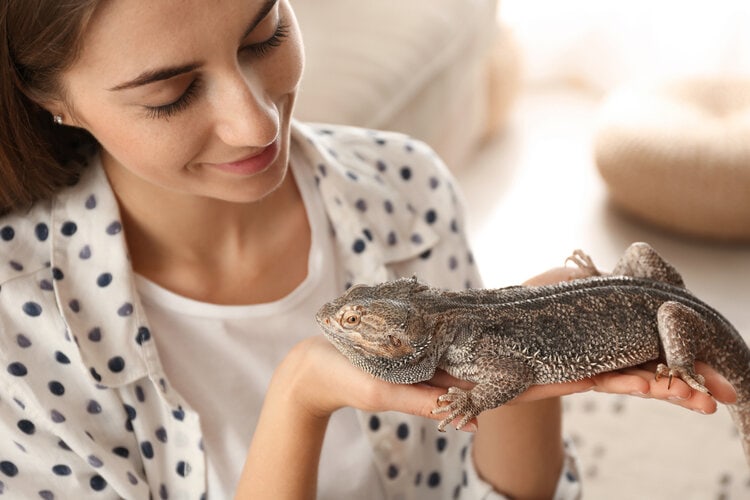
They can be great companions for humans because they’re social and love to climb and spend time in the sun. Central bearded dragons can grow to 24 inches, and they’re the most common pet species of all bearded dragons. These reptiles have a lifespan of around 10 years, though some may live longer.1
2. Pogona Henrylawsoni
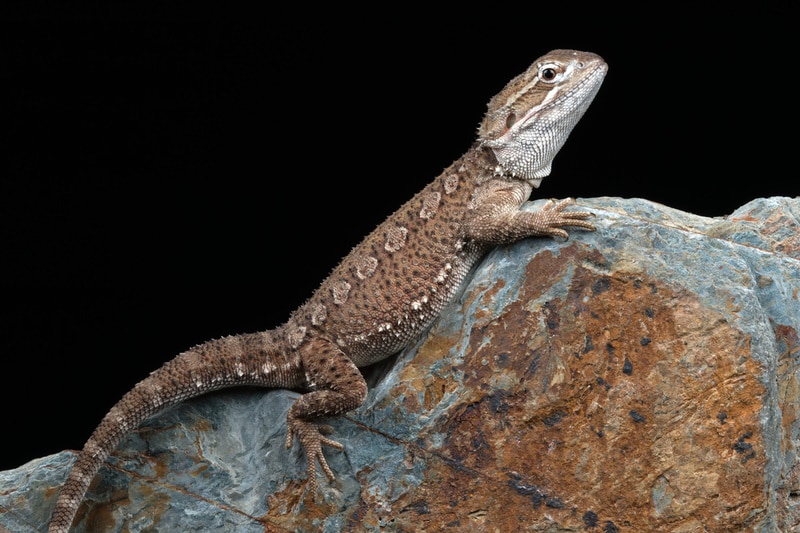
| Maximum Size | 12 inches |
| Habitat | Dry, rocky environments, deserts |
Pogona henrylawsoni, also known as the Rankin’s, Lawson’s, or black-soiled bearded dragon, is mainly found in the eastern and western parts of Queensland, Australia. These bearded dragons inhabit dry, rocky environments and deserts and can grow up to 12 inches in size. This breed is similar to Pogona vitticeps, which is why this species is also frequently found in captivity. Rankin’s bearded dragons are friendly and social and can be handled by children, so many people choose them as pet reptiles.
When kept in captivity, these bearded dragons have lifespans between 6 and 8 years, if you appropriately mimic their natural habitat; they need a dry, hot, rocky environment with plenty of places to climb.
3. Pogona barbata
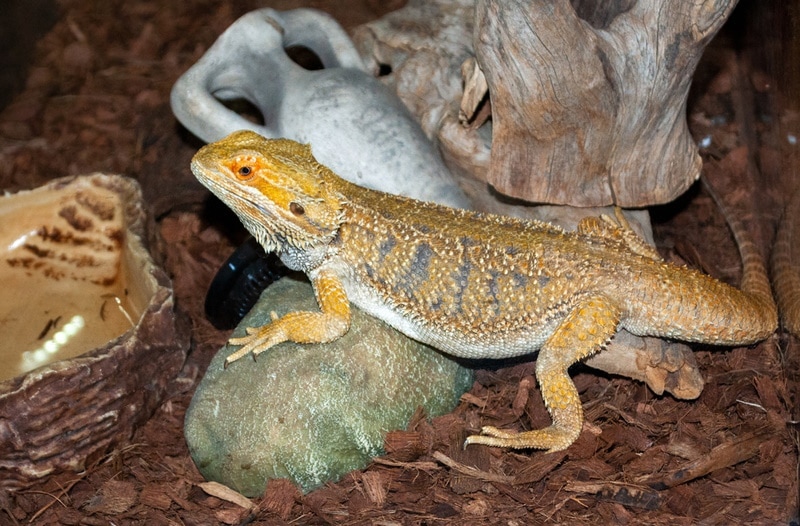
| Maximum Size | 24 inches |
| Habitat | Dry wooded areas |
Pogona barbata, also known as the eastern, coastal, or common bearded dragon, is native to the eastern parts of Australia. These lizards live in dry wooded areas and can grow up to 24 inches. This species is territorial, especially when around other bearded dragons.
They are mainly active during the day and like to spend time sleeping on flat surfaces in the sun or catching their prey. These bearded dragons are omnivorous and feed on smaller reptiles, rodents, vegetables, fruits, and berries.
4. Pogona Microlepidota
| Maximum Size | 4–6 inches |
| Habitat | Woodlands and coastal areas |
Pogona microlepidota, more commonly called the Drysdale River, small-scaled, or Kimberly bearded dragon, is an extremely rare species mainly found in western Australia. They mainly inhabit woodlands and coastal areas around the Drysdale River and North Kimberly.
They are extremely small, typically reaching a size between 4 and 6 inches in their adulthood. Due to their rarity, you’ll seldom find Kimberly bearded dragons in captivity. There’s also not much information on their behavior because most people don’t encounter this species too often.
5. Pogona Minor Minima
| Maximum Size | 12 inches |
| Habitat | Dry woodlands |
Pogona minor minima, also called the Abrolhos dwarf bearded dragon, is an extremely rare species. These bearded dragons are commonly found in dry woodlands of central and western Australia. However, due to their rarity, they are in the vulnerable category on the sensitive species list.
These reptiles are smaller in size than most other bearded dragons, typically reaching up to 12 inches in body length. Since this species is vulnerable to becoming endangered and extinct in the wild, Abrolhos dwarf bearded dragons are not kept as pets.
6. Pogona Minor Mitchell
| Maximum Size | 18 inches |
| Habitat | Semi-tropical deserts and woodlands |
Pogona minor mitchelli is a bearded dragon species also known as the Mitchell’s bearded dragon and is native to northwestern Australia. They’re commonly found in semi-tropical deserts and woodlands around the Kimberly region. These reptiles mainly feed on small insects and can grow up to 18 inches.
This is a rare species of bearded dragon; their natural habitat has been extremely compromised by humans. Due to their rarity, you won’t encounter these at the local pet store.
7. Pogona Minor Minor
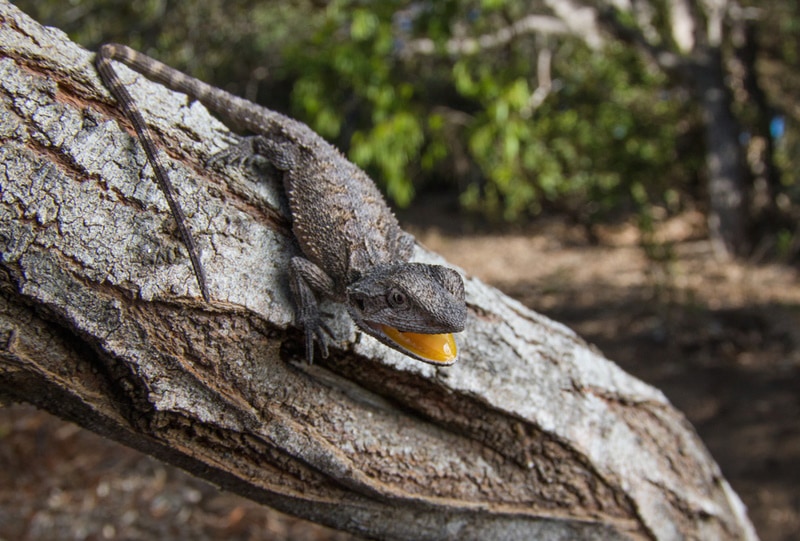
| Maximum Size | 14–18 inches |
| Habitat | Woodlands and rocky areas |
The Pogona minor minor, or western Bearded Dragon, is native to western Australia. These bearded dragons are widespread across the regions between the south coast and Pilbara. They are similar to Pogona nullarbor and can reach a body length between 14 and 18 inches.
This species acts like most bearded dragons: They like to lay in the sun and bob their heads and may act territorial. Unlike most other species, though, it’s likely that western bearded dragons are strictly omnivorous, meaning they consume plants and insects.
Although you can find this species in Australia, they’re not that common outside the country, so they’re typically unavailable to keep as pets.
8. Pogona Nullarbor
| Maximum Size | 14 inches |
| Habitat | Flat bush environments |
Pogona nullarbor, also known as the nullarbor bearded dragon, is native to southern and western Australia. They mainly inhabit flat bush environments and can reach around 14 inches in size during adulthood. This rare species is not kept as a pet, so there's not much information about their behavior.
You can distinguish this species from other bearded dragons by their striped backs and tails, which are visible when these lizards sunbathe while resting on rocks or tree branches.
Bearded Dragon Colors & Morph Variations
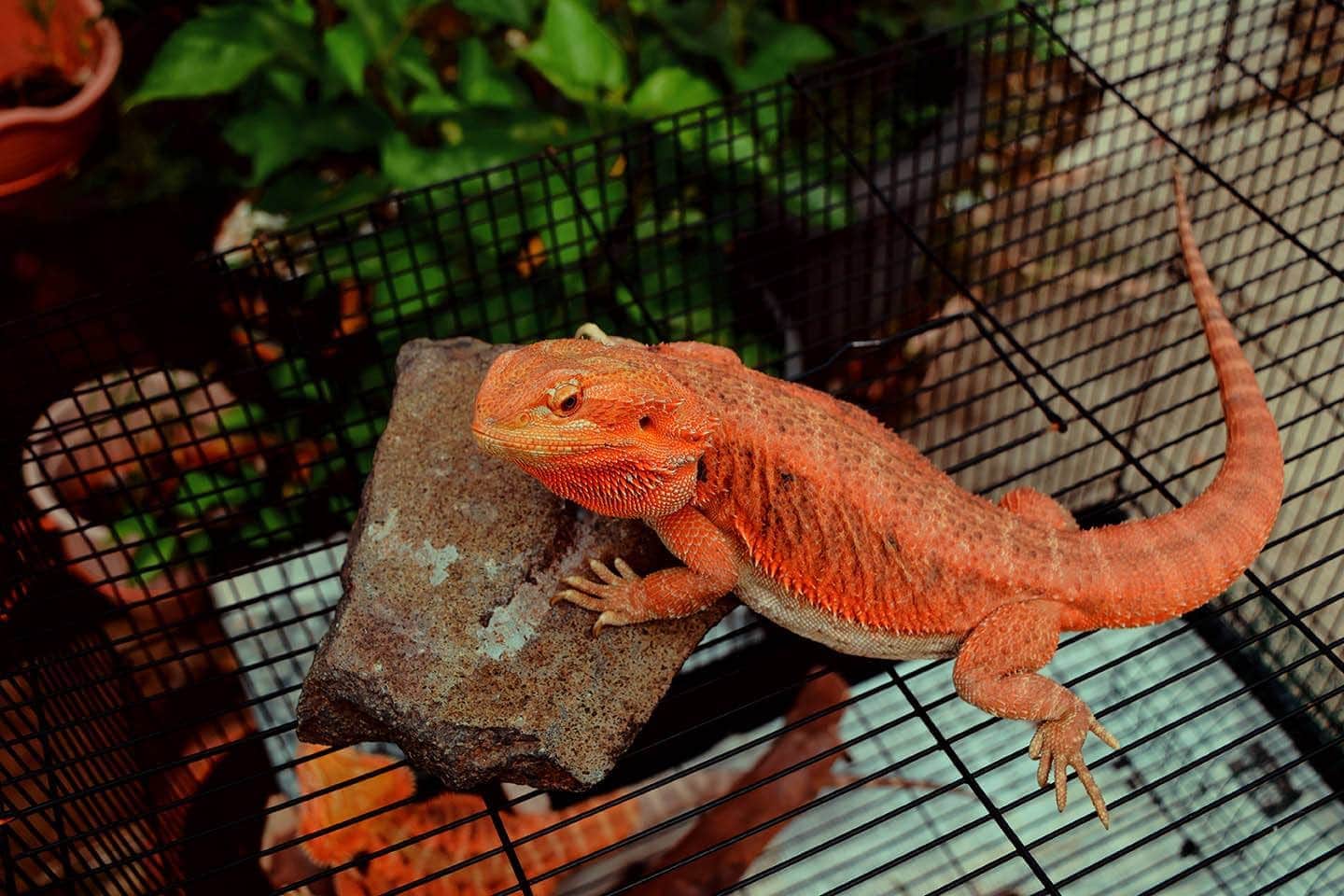
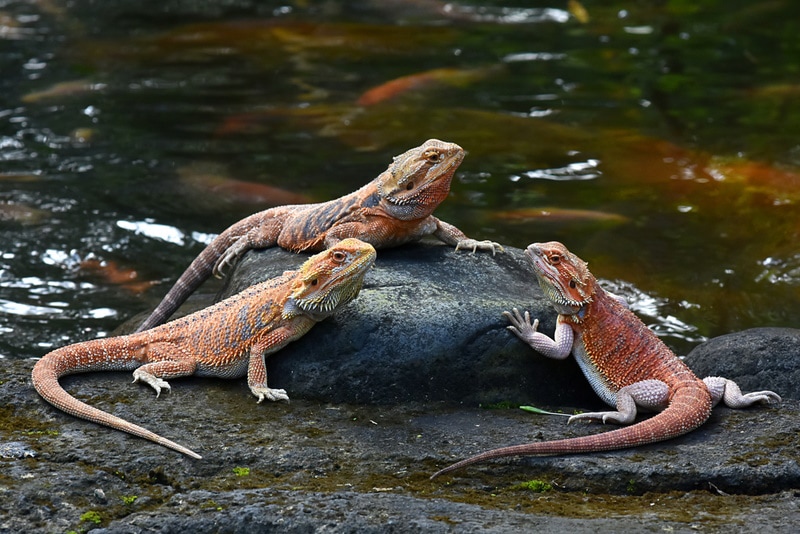
Bearded dragons are intriguing due to their wide variety of colors, which can include red, tan, violet, orange, yellow, white, green, and blue. These colors can also manifest in different shades, such as:
- Tan
- Olive
- Beige
- Citrus
- Tangerine
- Sunburst
- Gold
- Lemon
- Ruby
- Blood
- Grey
- Silver
All these colors and shades can be combined, which is why there are so many distinctive bearded dragons. They also have many morphs, which are the variations of color, shade, and overall appearance. These morphs are determined by genetics; during breeding, the dominant and recessive genes of the two bearded dragons will mix, resulting in a different morph combination.
This chart highlights the possible bearded dragon morphs, along with their colors and appearance.
| Bearded Dragon Morph Variations Chart | ||
| Morph | Appearance | Colors |
| Standard morph | Triangular head, spiky beard and body | Tan/brown/red/yellow, with orange or black markings |
| Hypomelanistic morph | Triangular head, spiky beard and body | Light colored due to a lack of melanin; unable to produce dark colors, typically white/muted yellow |
| Amelanistic morph | Triangular head, spiky beard and body | Albino with no melanin, white without patterns or markings, with red/pink eyes |
| Zero morph | Triangular head, spiky beard and body | Entirely white/gray but could have a slight black section around shoulders |
| Microscale morph | Triangular, spiky head, no spikes or scales on the back, tail, or sides | Bright colored, mainly orange/yellow, with markings all over the body |
| Leatherback morph | Triangular, spiky head and sides, no spikes or scales along the back and tail | Brighter than most beardies; olive with orange, pale, and dark markings |
| Silkback morph | No spikes or scales, soft and smooth skin | Bright colored; mainly orange with gray markings |
| Translucent morph | Translucent spikes and scales all over their bodies | Color changes with age; white or blue while young but could become any color or morph during adulthood |
| Dunner morph | Similar to the standard morph; distinctive due to asymmetrical markings, may have spots instead of stripes | Bright colored; orange/yellow with gray or pale markings |
| German Giant morph | Triangular head, spiky beard, sides, and body scales | Bright yellow with darker markings |
| Witblit morph | Small and spiky body, no spikes on head | Extremely light colored, dull pastel colors, such as gray, blue, and tan |
| Wero morph | Triangular head, spiky beard and body | White with dark areas around tail base and shoulders |
| Paradox morph (not a standard morph) | Triangular head, spiky beard and body | Hatches solid colored, developing patterns as they grow; each pattern is unique and bright colored |
Conclusion
There are eight main species of bearded dragons, with some being frequent pet options and others being quite rare, even in their natural habitats. Most pet beardies are either Pogona vitticeps or Pogona henrylawsoni.
These intriguing reptiles come in various colors and color morphs due to crossbreeding. They are friendly and social in a cute, bearded dragon way, and they can make great companions!
Related Read:
Do Bearded Dragons Drink Water? How to Make Them Consume Fluid
Common Bearded Dragon Diseases and Health Issues to Look Out For
Sources
Featured Image Credit: Piqsels
Get Hepper In Your Inbox


Pet care tips from our vets and experts, straight to your inbox.
You may opt-out at any time. View our Privacy Policy for more information.

Visnja is a content writer that covers various topics such as DIY, pets, home improvement, travel, gardening, and more.
She is a young mom and a college student, who didn’t have enough time to balance her personal and work life, so after multiple years of working a regular 9 to 5 job, she decided to pursue her passion and make a living out of it. She has been writing for a couple of years, helping people find valuable and interesting information online.
Join the conversation
Ask a question, share your story, or send private feedback.