Hepper is reader-supported. When you buy via links on our site, we may earn an affiliate commission at no cost to you. Learn more.
Dunner Bearded Dragon: Info, Pictures, Habitat & Care Guide
In this article
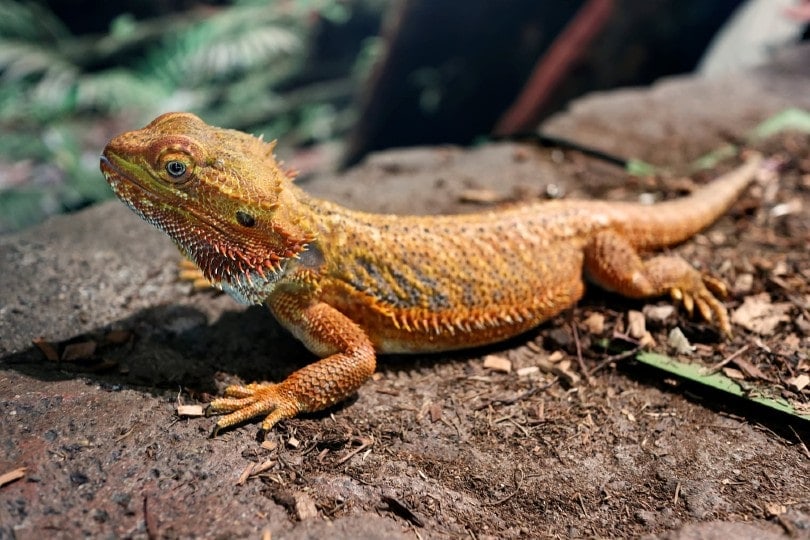
Dunner Bearded Dragons are a popular species of pet lizards that originate from Australia. They have become increasingly popular pets in recent years due to their docile nature, vibrant colors, and active personality. They can make great first-time pet reptiles for anyone interested in the hobby of keeping exotic animals. This guide will provide an in-depth look at this species so you can determine if they are the right choice for you.

Quick Facts About Dunner Bearded Dragons
| Species Name: | Pogona vitticeps |
| Common Name: | Dunner Bearded Dragon |
| Care Level: | Easy |
| Lifespan: | 10–15 years |
| Adult Size: | 12–18 inches |
| Diet: | Omnivorous |
| Minimum Tank Size: | 40 gallons |
| Temperature & Humidity: | 70–90˚F, 40–50% humidity |
Do Dunner Bearded Dragons Make Good Pets?
Dunner Bearded Dragons make excellent pets for those looking for an intelligent, active reptile. They are relatively easy to care for and have a fairly long lifespan of up to 15 years. They are also quite hardy and can tolerate a wide range of temperatures, light, humidity levels, and diets. These lizards need minimal handling but do enjoy exploring outside of their enclosure from time to time.
Appearance & Coloration
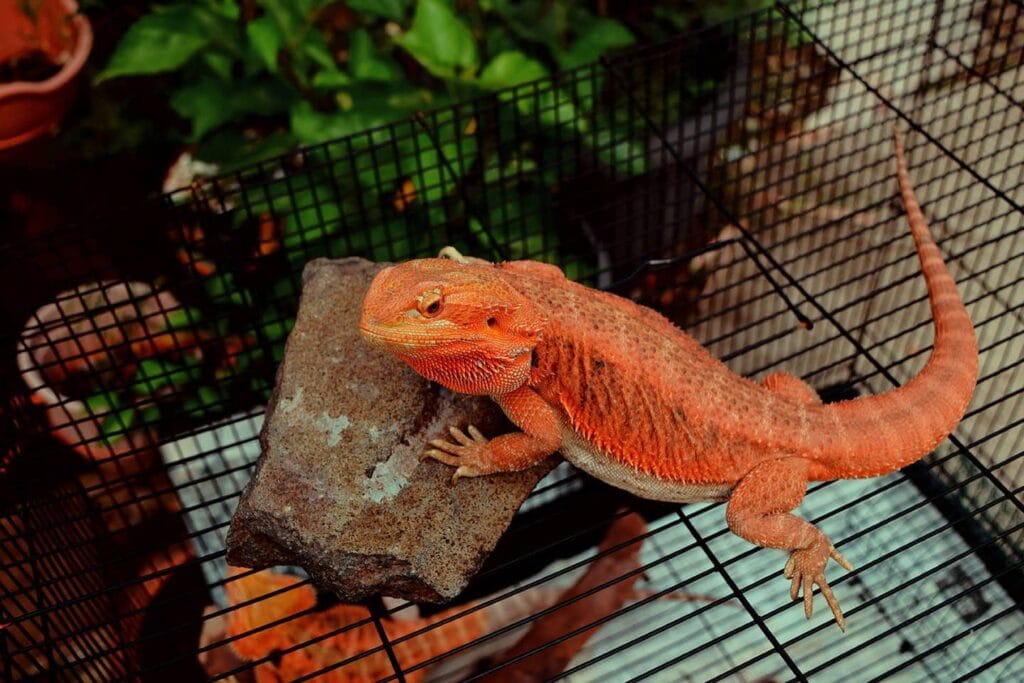
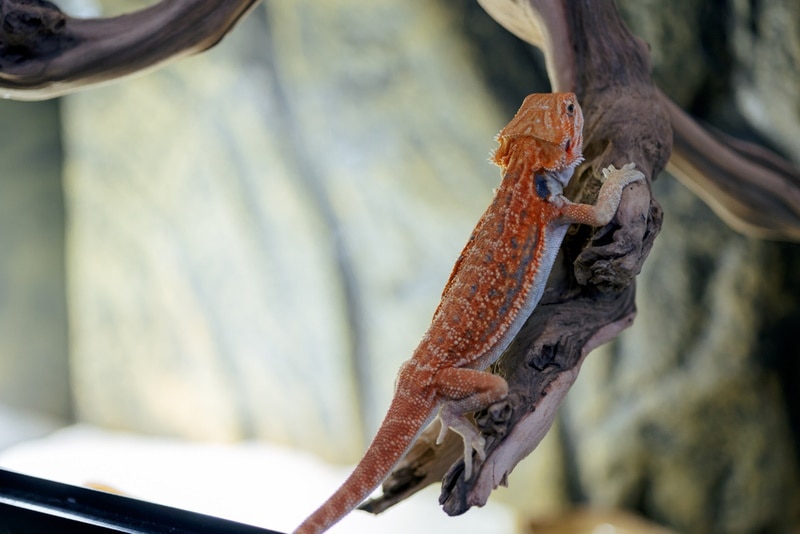
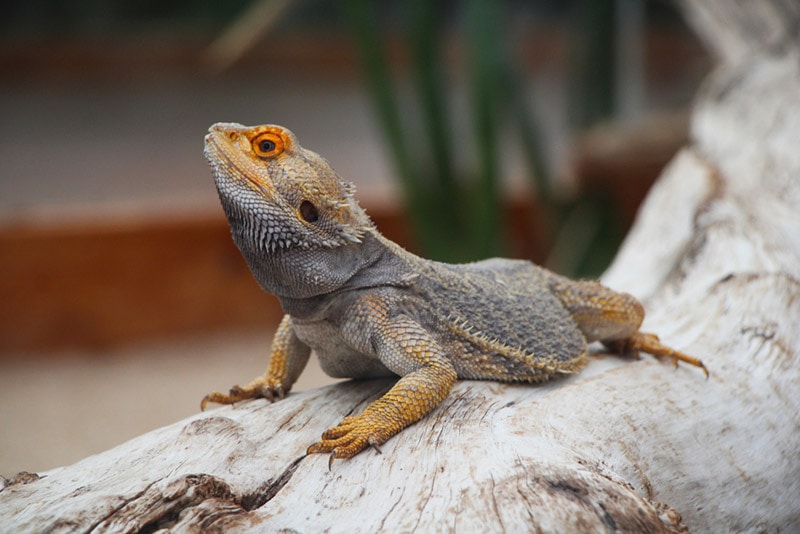
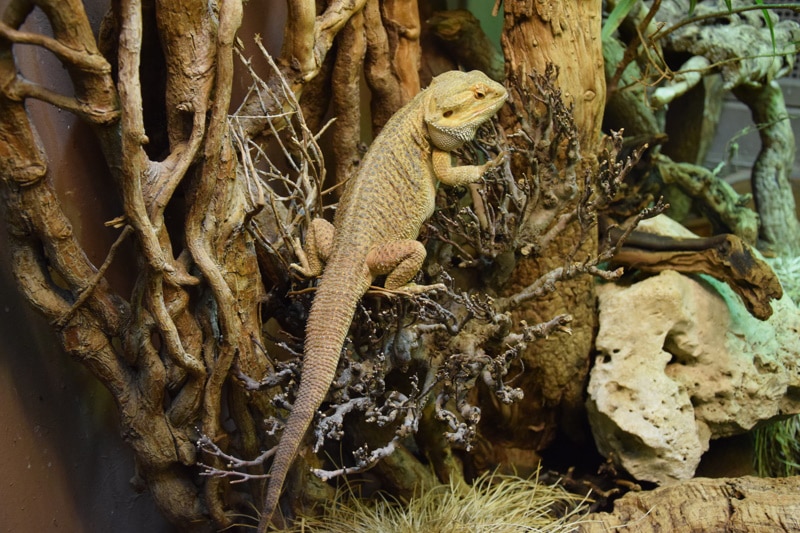
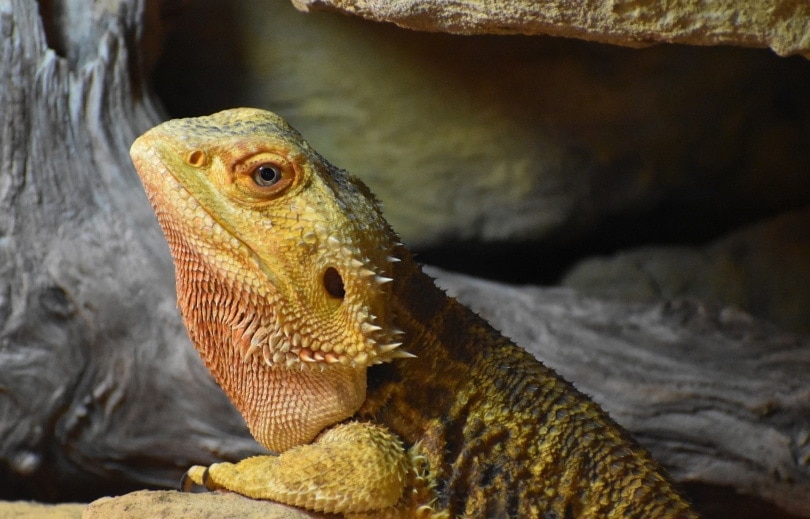
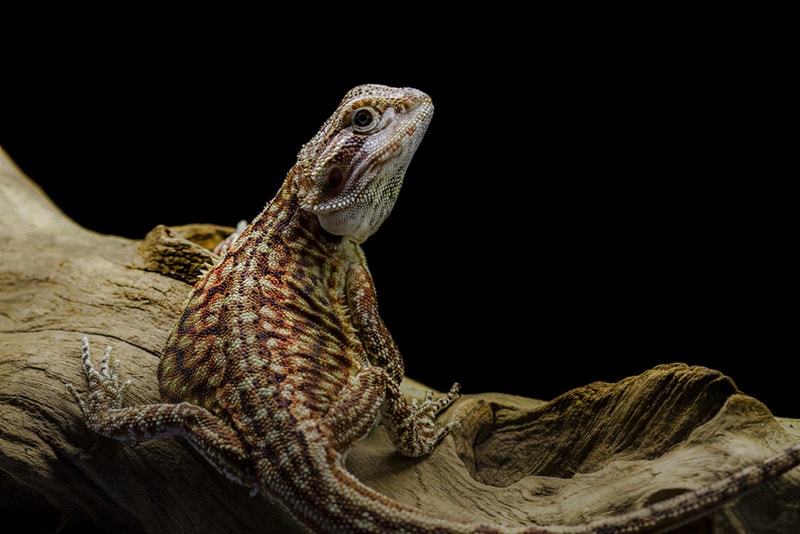
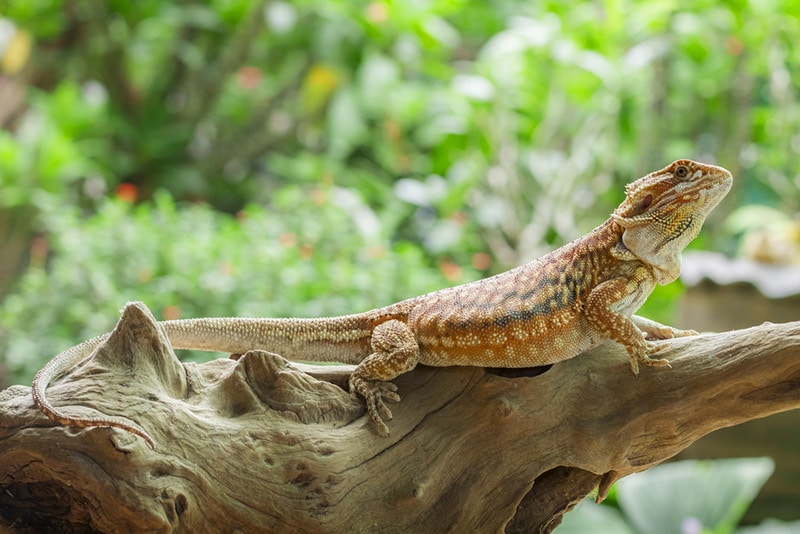
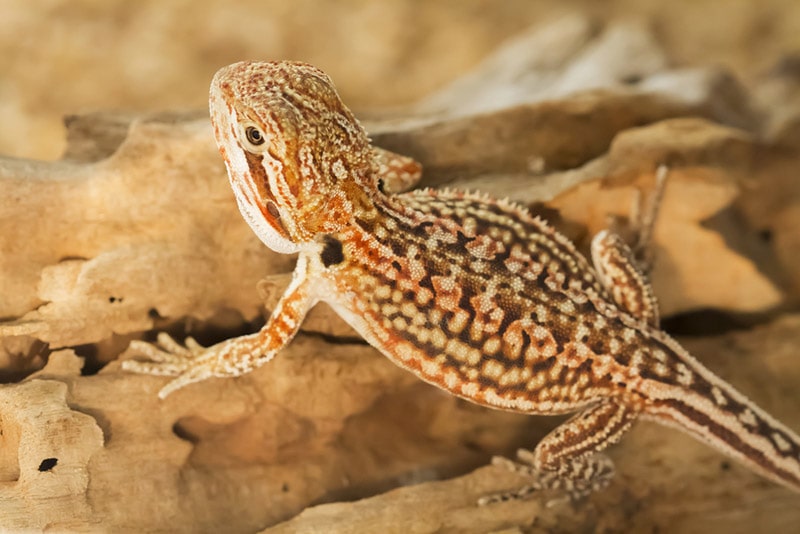
Dunner Bearded Dragons come in a variety of colors ranging from tan, yellow, orange, and red. Their bodies are slim with long tails that they use as balancing mechanisms when walking on branches or rocks. They have distinctive ‘spines’ along their back, which gives them the appearance of having small horns.
How to Take Care of Dunner Bearded Dragons
Dunner Bearded Dragons need an enclosure that is at least 40 gallons in size. It should be lined with a non-abrasive substrate such as sand or pea gravel. The temperature inside the habitat should range from 70–90 degrees Fahrenheit during the day, with a basking spot of 95–105 degrees. A UVB light and heating lamp should also be added for 12 hours each day to provide them with proper lighting conditions.
Tank Cleaning and Maintenance of the Tank
The tank should be spot cleaned on a regular basis, and the entire habitat should be deep-cleaned every month. This includes removing all substrate and decorations and cleaning the walls of the enclosure with water and an appropriate disinfectant.
Tank Mates & Social Behavior
Dunner Bearded Dragons are solitary animals and should not be housed with other reptiles. Keeping them in pairs is likely to lead to fighting, so it’s best to keep just one dragon per enclosure. If you do choose to house multiple dragons, make sure that their enclosures are large enough for each individual lizard to have its own space.
Heating (Temperature & Humidity)
Dunner Bearded Dragons need temperatures of 70–90 degrees Fahrenheit during the day, with a prime basking spot at 95–105 degrees. The humidity in the enclosure should remain between 40–50%. Humidity can be regulated with a hygrometer and misting the enclosure twice a week.
Substrate
The substrate used in the enclosure should be non-abrasive such as sand, pea gravel, or coconut fiber. This will help provide your dragon with a safe and comfortable home. You may also choose to use a terrarium liner or other substrates such as concrete, slate, rocks, etc.
| Tank Recommendations | |
| Tank Type | 40-gallon glass vivarium |
| Lighting | UVB lamp |
| Heating | Heat lamp, thermometer, hygrometer for heating |
| Best Substrate | Sand |
Other Important Tank Items for Keeping Your Beardie Comfortable
In order to keep your Dunner Bearded Dragon comfortable and healthy, there are a few essential items that you should have in their enclosure. These include a water bowl, hiding spots, branches for climbing, and UVB lighting. A good quality light source is important for providing the necessary vitamins and nutrients they need to stay happy and healthy. The UVB lighting should be replaced every 6–12 months to make sure your dragon is getting the right amount of light exposure. You should also provide a shallow water bowl for your dragon to soak in, which helps keep them hydrated and comfortable. Also, make sure you provide a few hiding spots and branches for them to explore and climb. All of these items are essential for keeping your dragon healthy and active.
Feeding Your Dunner Bearded Dragons
Dunner Bearded Dragons are omnivorous, and their diet should consist of both live insects and vegetables. Live insects can include crickets, mealworms, wax worms, roaches, and earthworms. Vegetables that can be given to Dunner Bearded Dragons include dark leafy greens such as kale and turnip greens, squash, bell peppers, and carrots (shredded). A calcium supplement should also be added to their food once every 1–2 weeks.
| Diet Summary | |
| Fruits | 10% of diet |
| Insects | 60% of diet |
| Vegetables | 30% of diet |
| Supplements | Calcium once per week |
Keeping Your Dunner Bearded Dragons Healthy
Dunner Bearded Dragons can live a long and healthy life if properly cared for. To ensure that your dragon is in optimal health, it should be seen by a reptile vet at least once every year. During check-ups, your vet will examine the lizard for any signs of illness or injury. Additionally, regular fecal exams should also be done to make sure that parasites are not present in the dragon’s system.
Supplements such as calcium should also be added to their diet every week to prevent metabolic bone disease. The enclosure should also be regularly cleaned and disinfected to reduce the risk of bacterial infections or other illnesses.
Finally, Dunner Bearded Dragons love basking under their UVB light and should be given multiple opportunities to do so throughout the day. This will help keep your dragon happy and healthy in its habitat.
Lifespan
With proper care and nutrition, Dunner Bearded Dragons can live for up to 10 years.
Breeding
Dunner Bearded Dragons can be bred in captivity. However, it is important to ensure that both the male and female are healthy before introducing them. The female will lay between 10–20 eggs which should be incubated for 70–80 days before hatching. Once the hatchlings emerge from their eggs, they should be monitored closely as they are more susceptible to health issues and parasites.
Are Dunner Bearded Dragons Friendly? Our Handling Advice
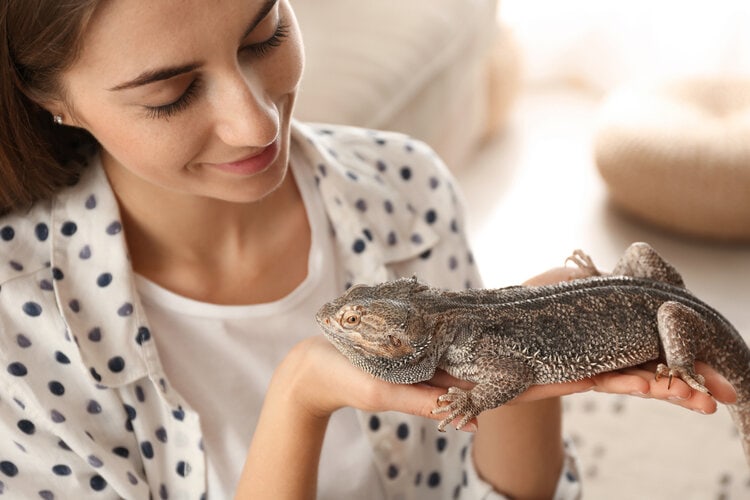
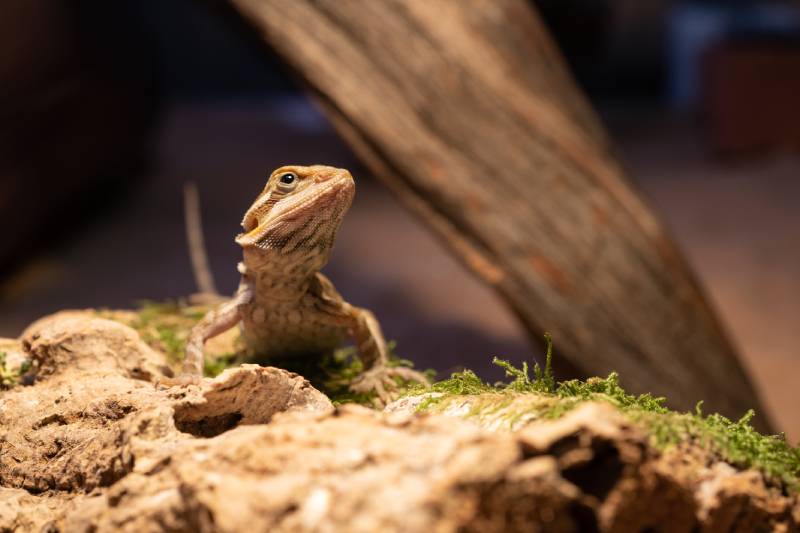
Dunner Bearded Dragons can be friendly and outgoing lizards. However, it is important to handle them with care. The dragon should always be supported with one hand on its back while the other hand holds the tail. As they are skittish in nature, it’s best to start by handling them for short periods of time and then gradually increase the duration as they become more comfortable with you. Additionally, it’s important to be aware of their surroundings, as sudden movements or loud noises can startle them.
Shedding & Brumation: What to Expect
Dunner Bearded Dragons will shed their skin throughout their lifetime as they grow. The shedding process can take up to a few weeks and is best done in a warm, humid environment with access to water. Brumation is the reptile equivalent of a seasonal hibernation and will occur during the winter months. Domestic Bearded Dragons are the most common pet reptiles that brumate, so it is possible for your dragon to experience this. However, it’s also normal if they skip brumation altogether.
How Much Do Dunner Bearded Dragons Cost?
The average cost of a Dunner Bearded Dragon is between $50 to $250 USD. This price can vary depending on the dragon’s age, size, and health. It is important to remember that these lizards can live up to 10 years and require regular vet visits, so be prepared for additional expenses over the course of its life. You should also factor in the cost of an appropriate enclosure, bedding, lighting, heating, and food. With proper care and nutrition, your dragon can live a long, healthy life.
Care Guide Summary
Dunner Bearded Dragons are social and hardy reptiles that have the potential to live for up to 10 years with proper care and nutrition. They require a diet of small/medium-sized rodents, as well as regular supplements such as calcium. It is important to handle them carefully and provide a warm, humid environment during the shedding season. The cost of these lizards can range from $50–$250 USD. Regular vet visits and proper husbandry should be taken care of in order to keep your dragon healthy throughout its lifespan. With the right love and attention, you will have a happy and healthy pet for many years to come!
Final Thoughts
Dunner Bearded Dragons make great pets for those looking for an intelligent, active, and friendly lizard. With the right care and attention, these fascinating creatures can live up to 10 years in captivity. It is important to ensure that your dragon is properly cared for by providing a nutritious diet, warm environment, and regular vet visits. Additionally, it is important to remember that these lizards can be skittish, so handle them with care. With the right love and attention, Dunner Bearded Dragons will reward you with many years of companionship!
Featured Image Credit: Worraket, Shutterstock
Get Hepper In Your Inbox


Pet care tips from our vets and experts, straight to your inbox.
You may opt-out at any time. View our Privacy Policy for more information.

Nicole is a lover of animals of all sizes but is especially fascinated with the feline variety. She’s the proud mom of Baby, a Burmese, and works every day so he can relax in the sunshine or by the fire. She’s always had a cat in her home and has spent countless days with others, observing behaviors and softening up even the grouchiest of the lot. Nicole wants to share her kitty expertise with you so you and your cat can live happy, healthy, and care-free.
Join the conversation
Ask a question, share your story, or send private feedback.