Hepper is reader-supported. When you buy via links on our site, we may earn an affiliate commission at no cost to you. Learn more.
Spinal Injuries in Cats: Vet Approved Information


In this article
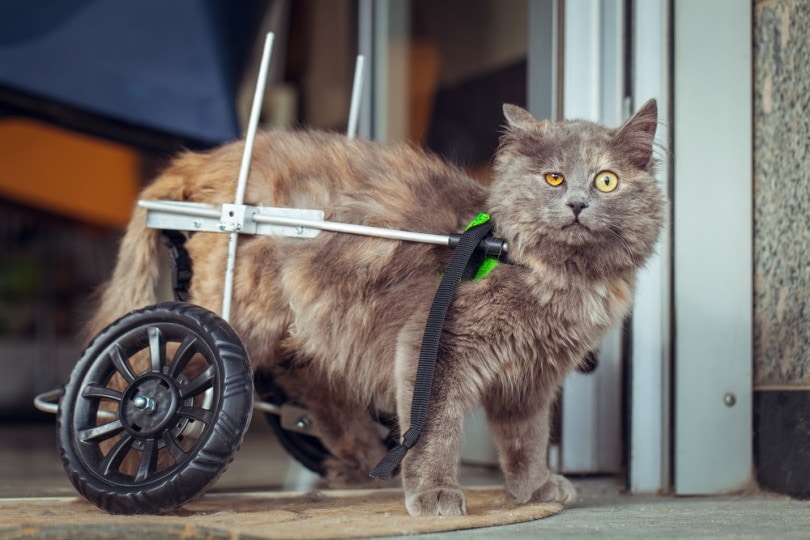
Cats might be amazingly agile and capable of fitting themselves into various strangely shaped objects to nap, but they’re just as susceptible to spinal injuries as humans are. Spinal injuries in cats can range from mild to severe and affect brain and motor function.
Although trauma from a bad fall or a car accident is the biggest reason that cats develop spinal injuries, their age and weight also can affect their spine, as can other health conditions, such as bacterial infections, tumors, and genetics.
This guide goes over spinal injuries in cats, their severity, and why you should contact your veterinarian if you suspect that your cat has damaged their back.

What Are Spinal Injuries in Cats?
Like in humans, a cat’s spinal cord is essential for movement and neurological function. Despite a cat’s hunting skills, uncanny ability to land on their feet, and large number of vertebrae, their spine can still be injured.
Spinal injuries in cats can be minor or severe. These types of injuries are often caused by fractured vertebrae, luxation (where the bone surrounding the spine moves or loosens), or intervertebral disc disease. Accidents such as falls or being hit by a car are common causes of spinal injuries, but these injuries can also be caused by health conditions such as tumors, genetics, blocked blood vessels, and bacterial infections.
Cats can suffer from mild or severe spinal injuries. Their recovery depends on the severity of the injury and how quickly the issue was diagnosed and treated. Mild spinal injuries can be treated with rest and rehabilitation, while severe spinal injuries might require surgery. Certain spinal injuries can lead to permanent incontinence or paralysis and are not always treatable. An early diagnosis and treatment can aid your cat’s chances of recovery from most minor injuries.
What Are the Signs of Spinal Injuries in Cats?
Cats will often do everything that they can to hide their pain from their owners. In fact, they’re notorious for pretending that nothing is wrong with them. When it’s a potentially serious injury that they’re hiding, though, not knowing how to read your cat’s body language can have devastating consequences.
Fortunately, cats aren’t as impossible to read as they think that they are. If you pay close attention, you can figure out when they’re sick or hiding an injury. Even if you don’t witness your cat getting into an accident that could have injured them, spinal injuries have several signs to watch out for:
Not all back and neck pain is caused by spinal injuries, but it’s best to talk to your veterinarian for a proper diagnosis. The faster that you get your cat tested for potential spinal injuries, the faster you can treat the problem and prevent more serious issues from developing.
What Are the Causes of Spinal Injury in Cats?
Spinal injuries in cats are most commonly caused by trauma, which can damage the spinal cord due to a fracture or dislocation of the spine. These injuries can last beyond the initial event too. They are often accompanied by swelling, bleeding, damaged nerves, and tissue decay, which can worsen the injury if it goes untreated.
Here are a few of the most common causes of spinal injuries in cats.
Car Accidents
Car accidents are among the most common causes of spinal injuries in outdoor cats. While most cats will avoid moving cars, accidents can happen even in quiet neighborhoods. If your cat gets spooked by something or chased by a dog or another cat, they might sprint across a road in an attempt to escape.
Your cat might be lucky enough to survive the accident but it’s unlikely that they’ll be unscathed. A spinal injury is one of the many problems that can result from a car accident.
Falls
Although we assume that cats always land on their feet, this ability doesn’t always prevent injuries, and a bad fall can happen to your cat inside or outside your home.
For a housecat, the risk of spinal injury comes from falling from a high place, like the top of a bookshelf or down the stairs. Another common accident at home is a cat tree falling over because it’s not properly secured. If their cat tree falls over when your cat is using it, they're likely to get severely injured.
Gunshot and Bite Wounds
When your cat is out of the house on their own, it’s impossible to control where they go or what they interact with. If a larger animal like a dog or wild cat manages to get the best of your cat, the altercation can lead to severe injuries or even death.
There are people who don’t tolerate cats or don’t realize that the cat has a home and isn’t a stray. While many people will leave out poison, some will shoot animals that trespass on their property, including cats.
Tumors, Infections, or Genetic Conditions
Along with traumatic injuries to the spine, cats can suffer from injuries caused by health issues. Genetic conditions, bacterial infections, blocked blood vessels, and tumors can all cause swelling and put pressure on the spinal cord. A veterinarian must perform an X-ray to determine the problem and the severity of the issue.
How Do I Care For a Cat With a Spinal Injury?
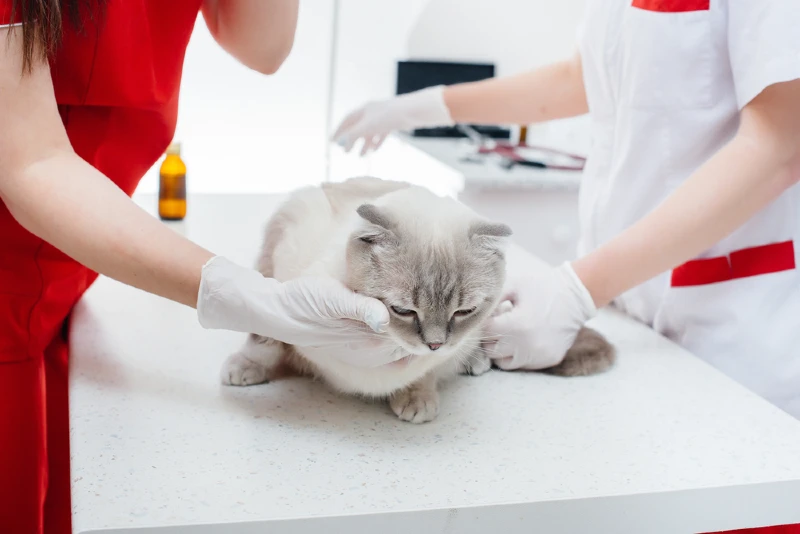
The first step in properly caring for a cat with a spinal injury is to get the condition properly diagnosed as quickly as possible. If your cat falls from a high height, gets hit by a car, or gets hurt another way, take them to a veterinarian as soon as possible.
To diagnose a spinal injury, your veterinarian will use X-rays, myelograms, CT scans, and MRIs. These tests will help determine the type of injury that your cat has sustained and its severity. Once a diagnosis is made, the treatment depends on the severity of the spinal injury.
Here are a few common ways of treating spinal injuries.
Frequently Asked Questions (FAQs)
Can a Cat Recover From a Spinal Injury?
Depending on the type of spinal injury that your cat has, recovery is possible with the right treatment. Sometimes, all they need to recover is enough time to properly rest and allow their spine to heal. Once they’ve healed, you and your veterinarian can work on improving their mobility and reducing pain through rehabilitation therapy.
However, there are cases when full recovery isn’t possible. Severe injuries to the spinal cord can lead to permanent incontinence or paralysis.
Do Spinal Injuries Get Worse Over Time?
Although most spinal injuries show signs immediately, in some cases, the damage can occur a day or so after the accident. This is why it’s important to pay close attention to your cat following a serious accident, even if they seem fine at the time.
If they’ve injured their back, the swelling caused by internal bleeding around the spine can slowly put pressure on their spinal cord. This continued pressure can result in a more severe spinal injury long after the accident that caused it. The faster that you get your cat tested for a spinal injury, the more effective the treatment will be.
Conclusion
Never try to treat a spinal injury at home without guidance from a veterinarian. To prevent further and potentially permanent damage, you should take your cat to a vet as soon as possible. Your veterinarian will use tests to determine the severity of the injury before discussing treatment options.
You can help protect your cat from spinal injuries by monitoring their weight and preventing them from jumping down from high heights when they’re kittens. Keeping your cat indoors can prevent car accidents, but you should protect your house cat too, especially if they like sitting in high places.
Sources
See also:
Featured Image Credit: Alexander Andrews, Unsplash
Get Hepper In Your Inbox


Pet care tips from our vets and experts, straight to your inbox.
You may opt-out at any time. View our Privacy Policy for more information.
Nicole is a lover of animals of all sizes but is especially fascinated with the feline variety. She’s the proud mom of Baby, a Burmese, and works every day so he can relax in the sunshine or by the fire. She’s always had a cat in her home and has spent countless days with others, observing behaviors and softening up even the grouchiest of the lot. Nicole wants to share her kitty expertise with you so you and your cat can live happy, healthy, and care-free.
Join the conversation
Ask a question, share your story, or send private feedback.