Hepper is reader-supported. When you buy via links on our site, we may earn an affiliate commission at no cost to you. Learn more.
Radial Nerve Paralysis in Cats: Signs, Causes & Treatment (Vet Answer)

In this article
Radial nerve paralysis in cats is a neurological condition affecting one (but sometimes both) of the front legs, often following an injury or traumatic event. When the radial nerve is damaged or severed, the cat’s ability to use the front leg becomes impaired. Some radial nerve injuries get better with time and appropriate treatment, but other more severe injuries result in permanent abnormalities in limb function.
This article will explore the radial nerve, as well as the signs and causes of radial nerve paralysis, and what can be done to treat this condition.

What Is the Radial Nerve?
Understanding radial nerve paralysis requires a basic understanding of some nerve anatomy. In cats, as in people, the central nervous system comprises the brain and spinal cord. Other nerves, often called peripheral nerves, branch off from the spinal cord to innervate the muscles and other organs. There is a large bundle of nerves branching from the spinal cord to the front legs; this is called the brachial plexus.
Emerging from the brachial plexus is the radial nerve. The radial nerve is the largest in the front leg of cats and is responsible for extending the elbow, wrist, and toes. It also provides sensation to the outside surface of some parts of the leg, allowing cats to feel with their leg.

What Is Radial Nerve Paralysis?
Radial nerve paralysis occurs when something disrupts nerve signals to muscles, resulting in the loss of voluntary movements. If you think of the nervous system as a vast and complex electrical circuit, paralysis occurs when the circuit is damaged or interrupted at one point in the body. Radial nerve injury can result in partial loss of nerve function, which may be termed palsy, or complete loss of nerve function, which is termed paralysis.
What Are the Signs of Radial Nerve Paralysis?
The signs of radial nerve paralysis relate to the loss of function of the muscles controlled by the radial nerve. They include:
What Are the Causes of Radial Nerve Paralysis?
There are three main causes of radial nerve paralysis in cats:
Tearing, stretching, or compression of the radial nerve will result in radial nerve paralysis, as the signals can no longer be transmitted from the spine to the muscles. In the case of motor vehicle accidents, a broken bone may also be disrupting normal nerve function. Whatever the cause, radial nerve paralysis will result in reduced weight bearing, curling of the toes under the paw, dragging the affected limb, and muscle wasting.

How Do I Care for a Cat with Radial Nerve Paralysis?
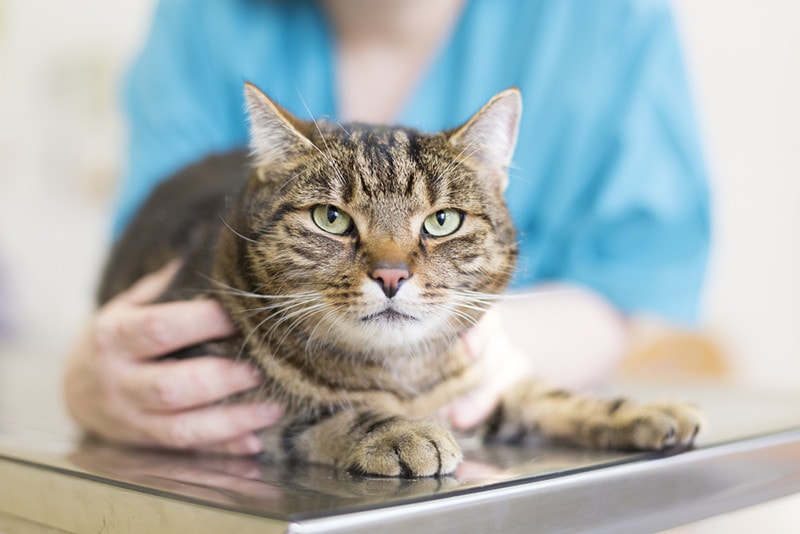
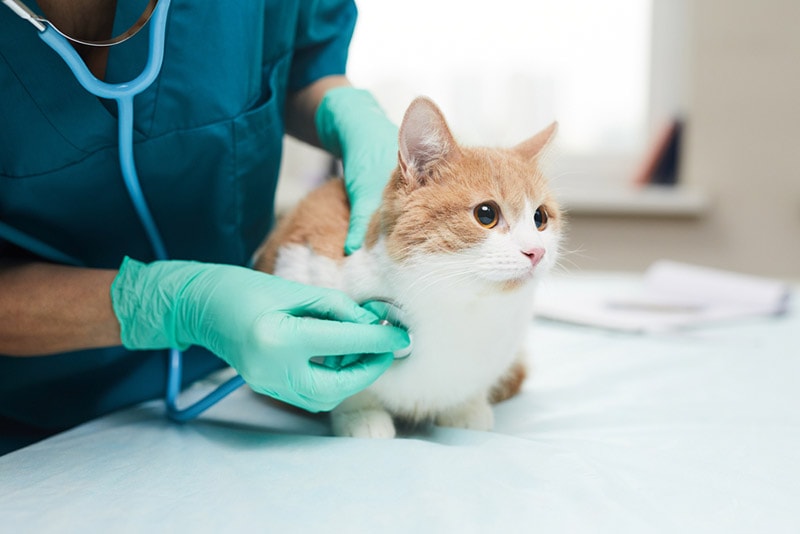
Caring for a cat with radial nerve paralysis starts with an urgent visit to your veterinarian. Diagnosis can sometimes be made based on history and examination findings, though X-rays may be required to check for fractures, and sometimes MRI scans will be required to visualize the nerves. If your cat has had a fall or been in a motor vehicle accident, emergency stabilization may be required.
Treatment of radial nerve paralysis in cats varies based on the cause and severity. Anti-inflammatory medications will often be used as these help to restore nerve function while providing your cat with pain relief. Strict rest is generally important, as your cat shouldn’t be running and jumping while the injury is present. Physiotherapy is equally important; this involves gently massaging the leg and putting it in the correct position to promote blood flow and encourage muscle use.
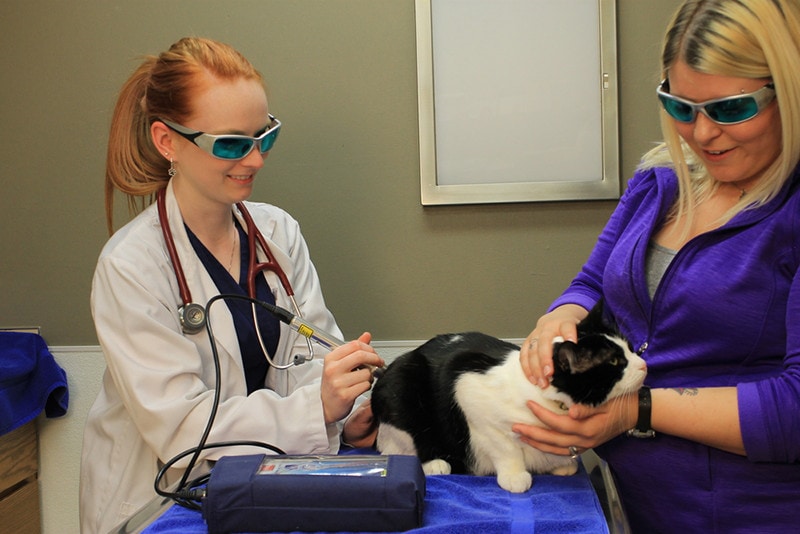
Laser therapy may be beneficial, but surgery is generally not attempted unless there is a tumor compressing the nerve.
Frequently Asked Questions (FAQ)
How Is Radial Nerve Paralysis Diagnosed?
There are three main ways that radial nerve paralysis is diagnosed.
Depending on the situation and its severity, some veterinarians may decide to refer you to a specialist vet neurologist. Electrodiagnostic tests and MRI scans can generally only be performed at specialist centers.

What Is the Prognosis for Cats with Radial Nerve Paralysis?
Unfortunately, the prognosis for cats restoring the function of the leg is poor. This can take months of rest, medications, and physiotherapy, and even then, it is not always possible. This depends largely on the severity of the injury. Radial nerve injuries with compression or stretching of the nerve have a fair chance of recovery. Completely severed radial nerves are rarely able to heal themselves. In these cases, amputation of the leg may be required.
Final Thoughts
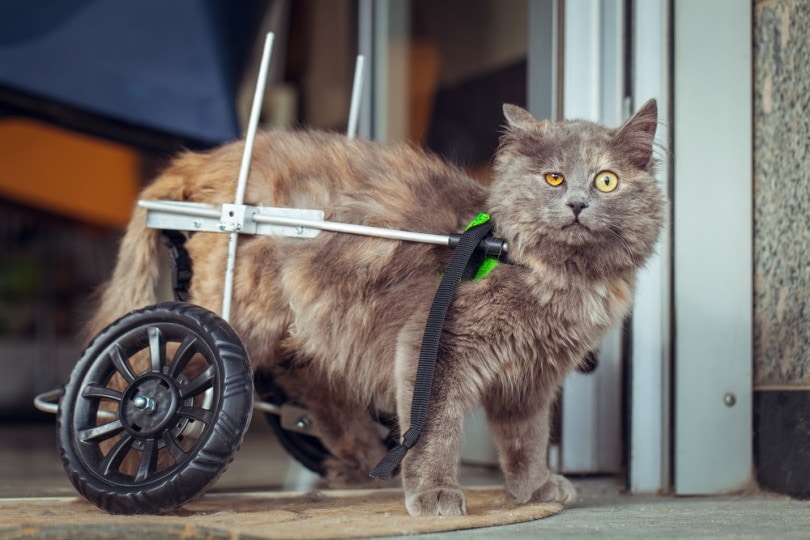
Radial nerve paralysis is a serious neurological injury affecting the front legs of cats. While typically seen after a fall or road traffic accident, in which the radial nerve is damaged or severed, it is also occasionally caused by tumors of the nerve. While medical treatment combined with appropriate rest and physiotherapy can be attempted, it is not always possible to heal the damaged nerve, and thus the limb may be permanently affected.
If you have seen your cat in an accident, or are concerned that he or she is limping, contact your veterinarian.
Sources
Featured Image Credit: Smile19, Shutterstock
Get Hepper In Your Inbox


Pet care tips from our vets and experts, straight to your inbox.
You may opt-out at any time. View our Privacy Policy for more information.
Joe is a veterinarian from Sydney, Australia and has two beautiful Golden Retrievers who love the ocean as much as he does. Joe completed his Bachelor of Veterinary Biology and Doctor of Veterinary Medicine at the University of Sydney in 2020, and his areas of particular interest include internal medicine, wound management and oncology. His passion for veterinary medicine comes not only from helping pets, but also from helping their owners and working with wonderful teams of people. When he's not working, you can find Joe exercising, cooking, and exploring Australia’s wilderness. He has worked for 2 years at a busy mixed practice on New South Wales’ mid-north coast, treating animals of all sizes.
Joe is a veterinarian from Sydney, Australia. He has two beautiful Golden Retrievers who love the ocean as much as he does. When he's not working, he can be found exercising, cooking, and exploring Australia’s wilderness.
Education
Joe received a Bachelor of Veterinary Biology and Doctor of Veterinary Medicine from the University of Sydney in 2020.
Experience and Interests
Joe has worked for 2 years at a busy mixed practice on New South Wales’ mid-north coast, treating animals of all sizes. The areas of particular interest to Joe include internal medicine, wound management, and oncology. His love for the profession comes not only from helping pets but also from helping their owners and working with wonderful teams of people.
Join the conversation
Ask a question, share your story, or send private feedback.