Hepper is reader-supported. When you buy via links on our site, we may earn an affiliate commission at no cost to you. Learn more.
St. Bernard vs. Bernese Mountain Dog: The Differences (With Pictures)
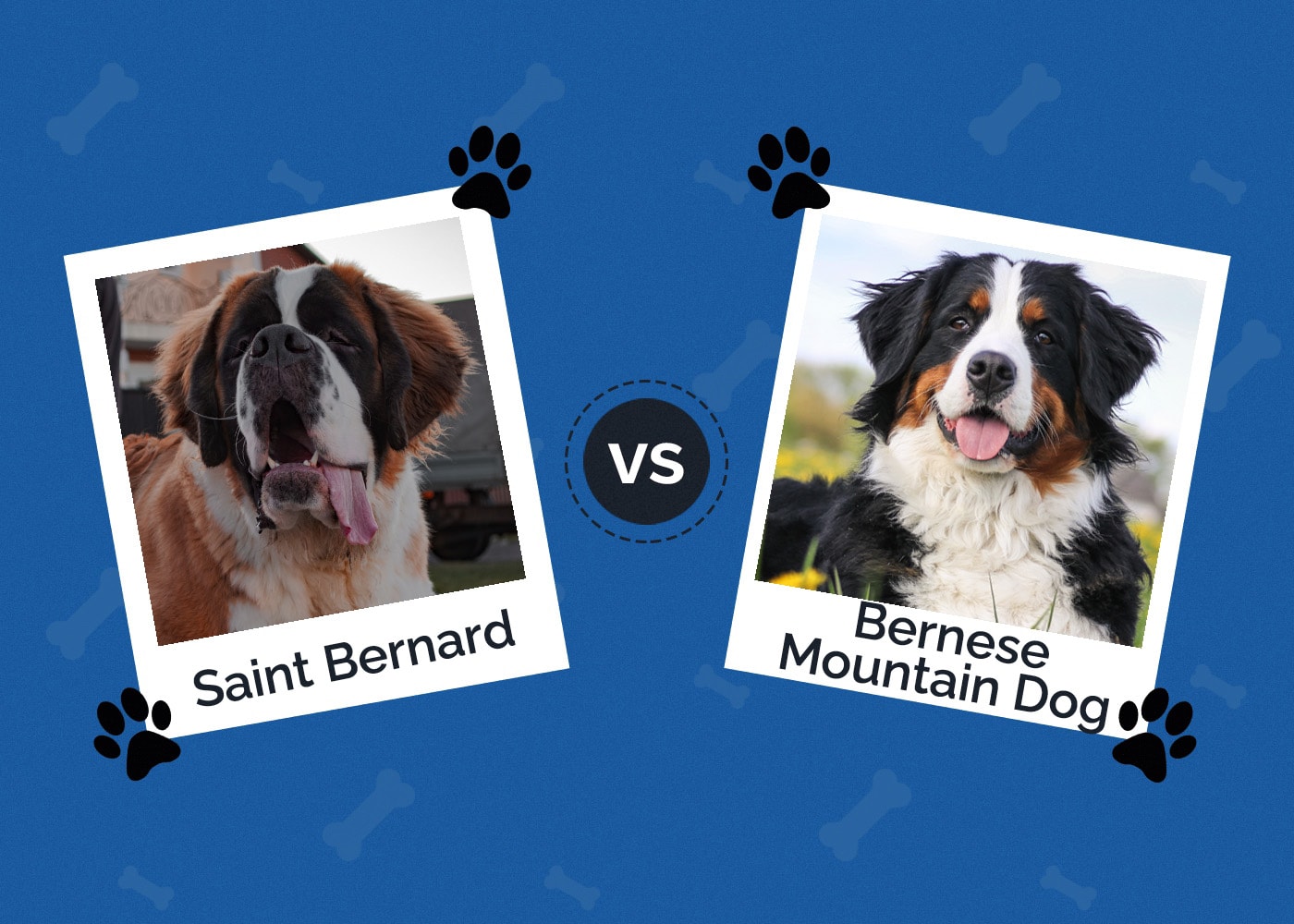
If you’re debating whether to get a St. Bernard or a Bernese Mountain Dog, you’ve come to the right place! These two dog breeds have many things in common, but they are distinct breeds with key differences. While they’re both loyal companions, they have different needs and health concerns. Let’s look at the two breeds in more detail to help you choose the best fit for your family.

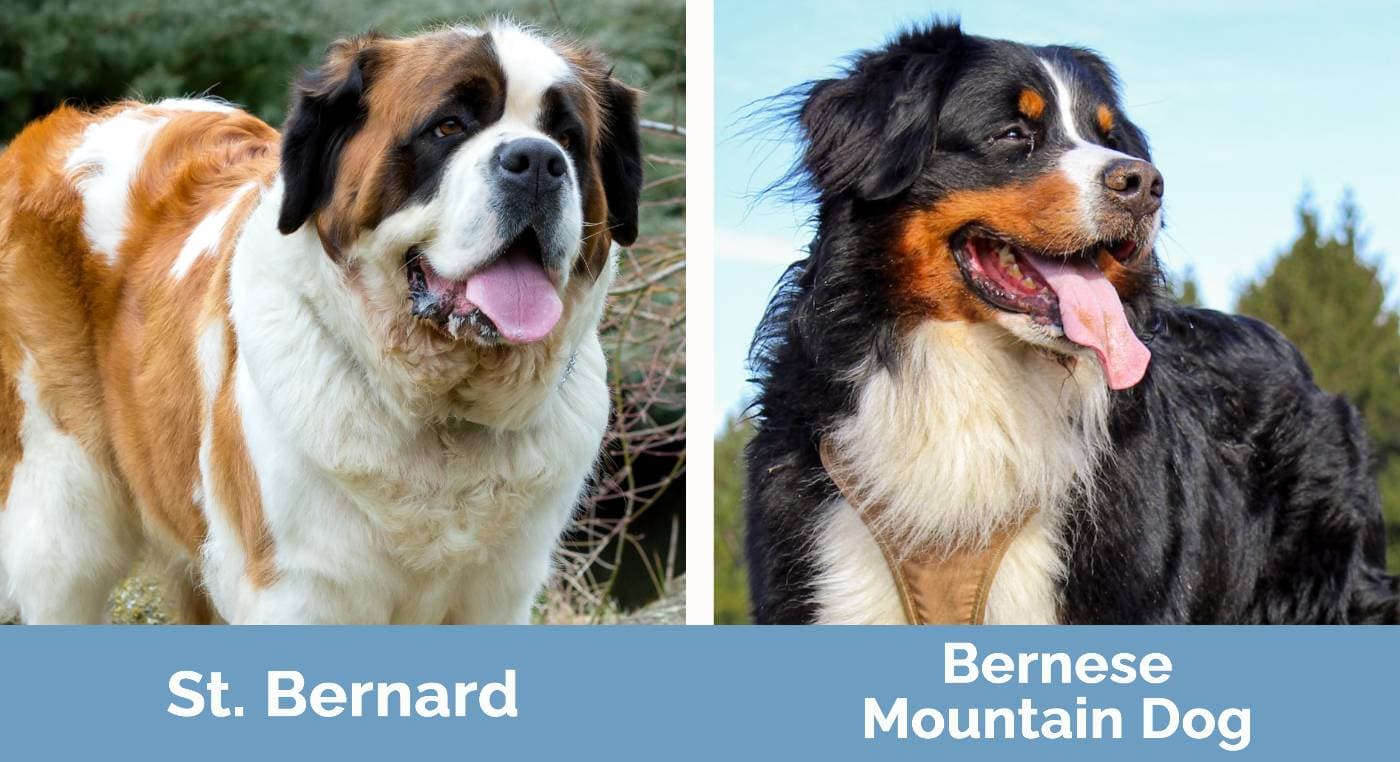
Visual Differences
At a Glance

St. Bernard Overview

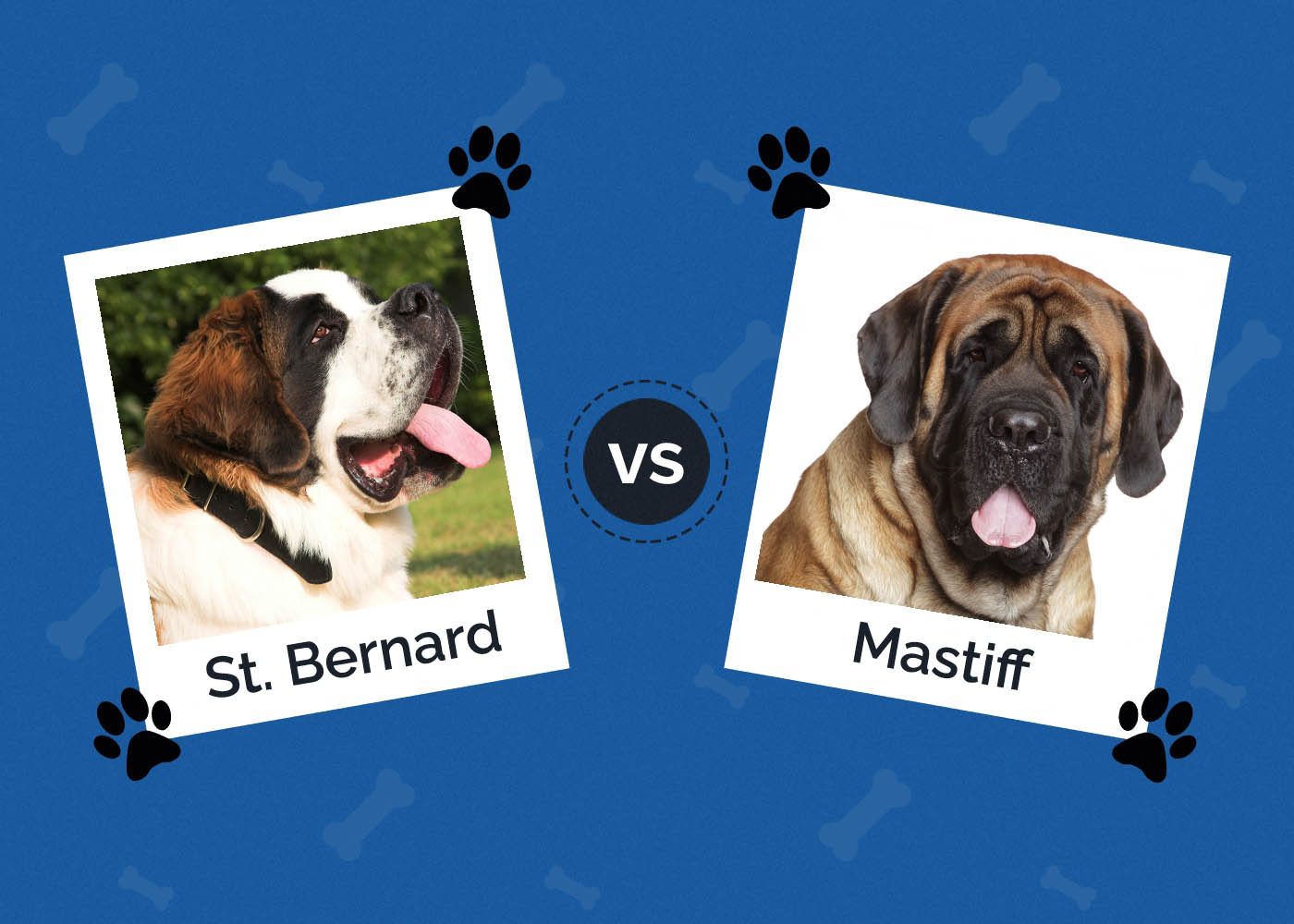
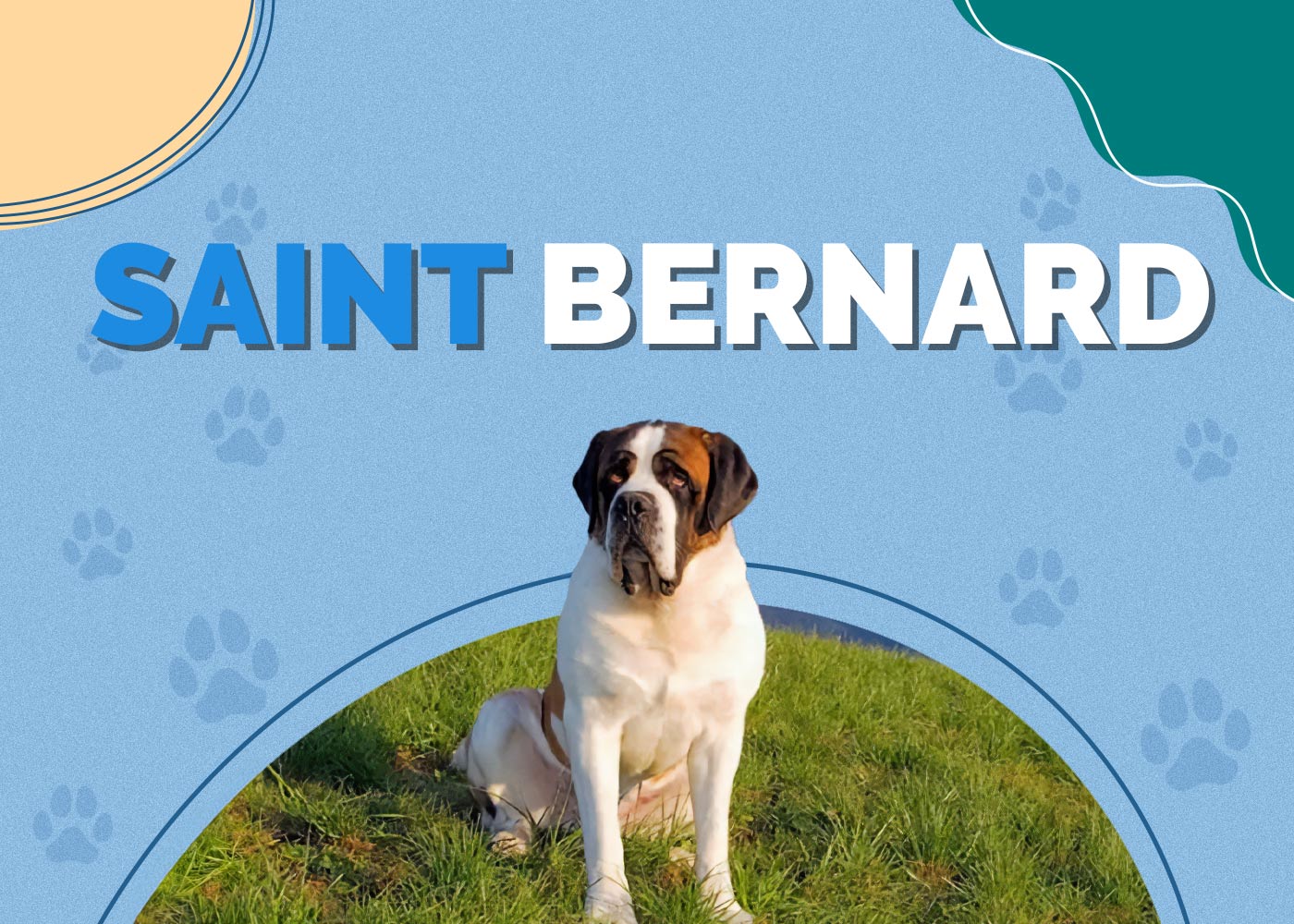
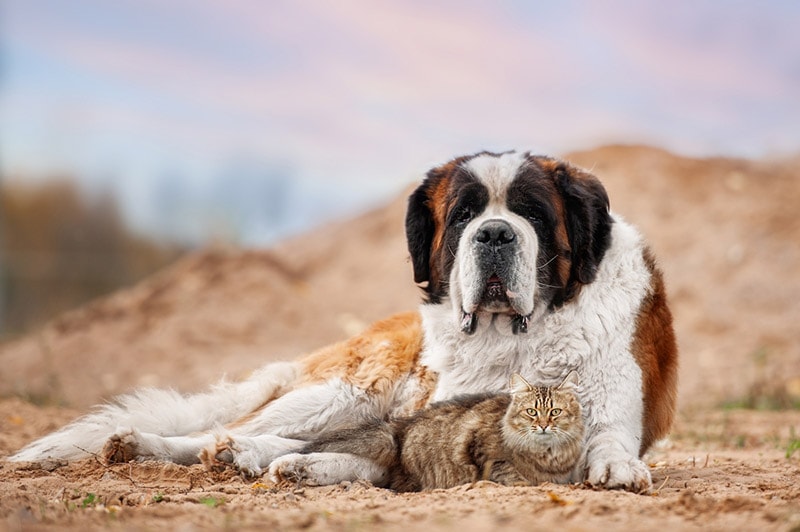
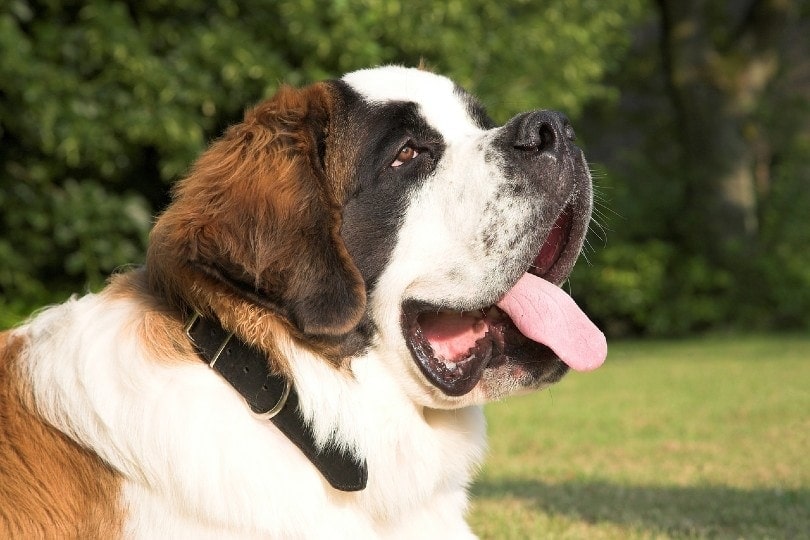
The St. Bernard is a large, heavy dog known for their distinct red coat, enormous size, and strong affinity for water. This breed is a cross between the Tibetan Mastiff and the Great Pyrenees. The St. Bernard is famous for their work in search-and-rescue operations for people lost in the deep snow of the Swiss Alps.
This breed is large, with males weighing between 110 and 160 pounds and females weighing between 80 and 100 pounds. St. Bernards love water and were used on Swiss farms to help people pull water from wells. They have strong legs and slightly webbed feet that make them excellent swimmers despite their massive size.
Personality / Character
The St. Bernard is well-known for their love of children. You may recognize this dog as “Nanny” from “Peter Pan,” and for a good reason. These dogs make fantastic babysitters. They are even-tempered and patient and do well with even the smallest of children.
The sheer size of the St. Bernard makes them naturally clumsy, though. These dogs don’t realize their size and will happily try to squeeze onto the couch to cuddle with you. It’s best not to keep breakable things on tables, as they are likely to get swept off by a wagging tail.
This breed can be prone to separation anxiety and is known for engaging in destructive behavior if left alone for long periods. People who are away from home for most of the day aren’t the best owners of a St. Bernard.
Training
St. Bernards have lower intelligence levels than many other dog breeds. This makes them more difficult to train, so they will require extra training. It’s incredibly important to socialize these dogs well as puppies. They can become aggressive toward outsiders and other animals if they are not exposed to them.
This breed does respond well to training; they just need more time to catch on to things.
Exercise
This dog breed only requires 30 to 45 minutes of exercise each day. The St. Bernard has lower than average energy, and they aren’t usually interested in high-intensity activities like running or hiking. One long leisurely stroll each day will do, but this doesn’t mean they can’t keep up for longer treks once in a while.
Due to their size, St. Bernards do require a great deal of room to move around, so they don’t do well in apartment settings.

Health & Care
Giant dog breeds tend to have shorter lifespans than most other dogs. The St. Bernard averages 8–10 years, which is slightly longer than the Bernese Mountain Dog. Health concerns include bone and joint issues, as well as heart conditions, so it’s important to have puppies screened by the breeder.
Bloat is a common problem for the St. Bernard. It’s a result of being large-chested and can require medical intervention. This can mostly be avoided by feeding them several small meals each day and not feeding them too soon before or after exercise.
Grooming routines for St. Bernards include frequent brushing, but they don’t need intensive grooming. They shed year-round, with full coat shedding twice per year. St. Bernard drools excessively, so if you aren’t a fan of doggy drool puddles in your home, this isn’t the dog for you.
Suitable for:
St. Bernards make fantastic family dogs. They love children and are affectionate and loving toward their owners. They aren’t overly energetic and will do well with once-daily walks. Their large size means they need a yard to run around in, so they aren’t well suited for apartment living. They also have a propensity toward separation anxiety, so they do best in households where someone is home most of the time.
This breed does have a fairly strong prey drive, so they are unsuitable for homes with cats or small pets. They do get along well with other dogs if properly socialized and introduced to them.
Pros
- Strong swimmers
- Affectionate and loving
- Excellent with children
- Gentle
- Good for cold climates
Cons
- Strong prey drive
- Unsuitable for households with small pets
- Drool excessively
- Shed year round
Bernese Mountain Dog Overview

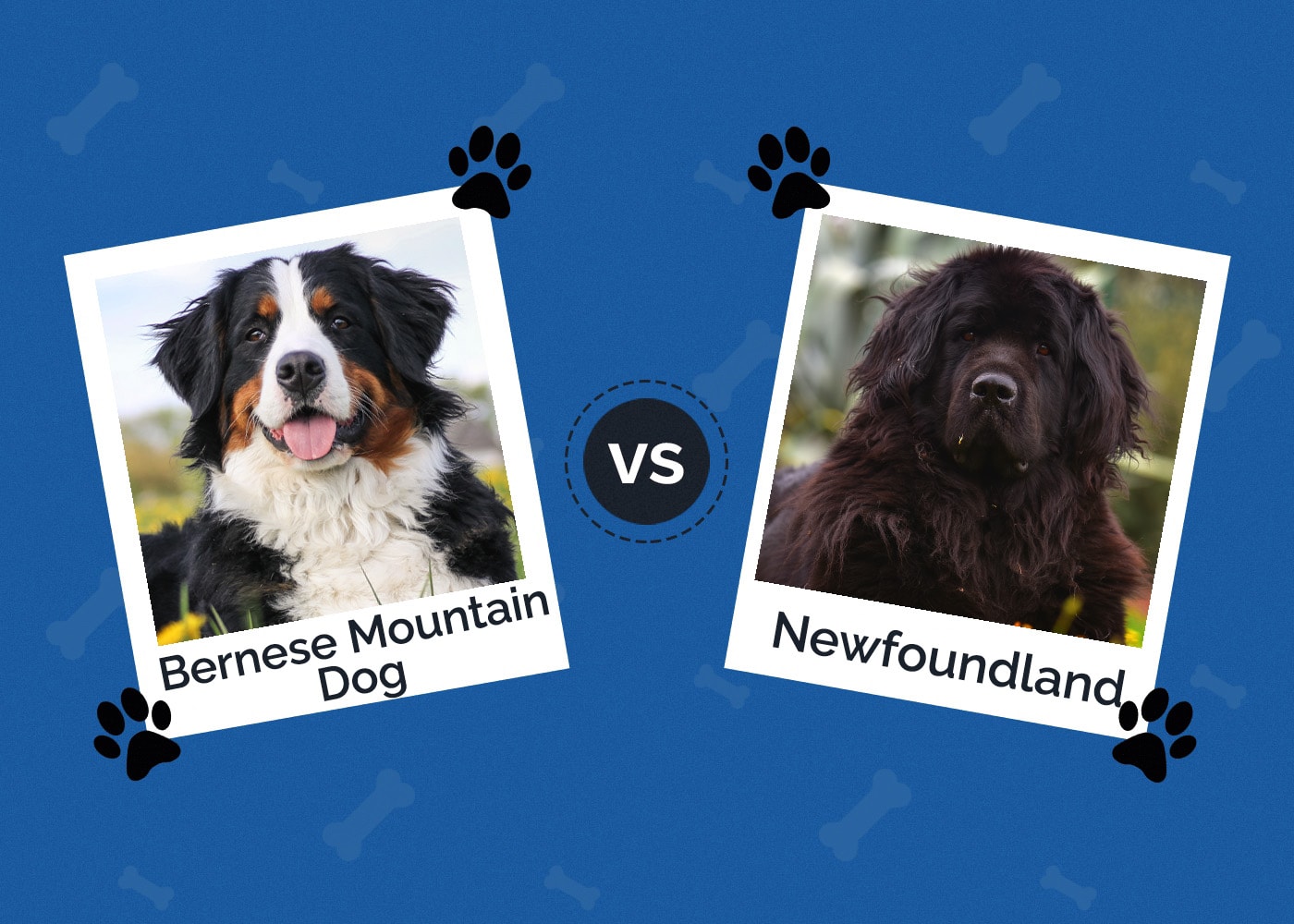
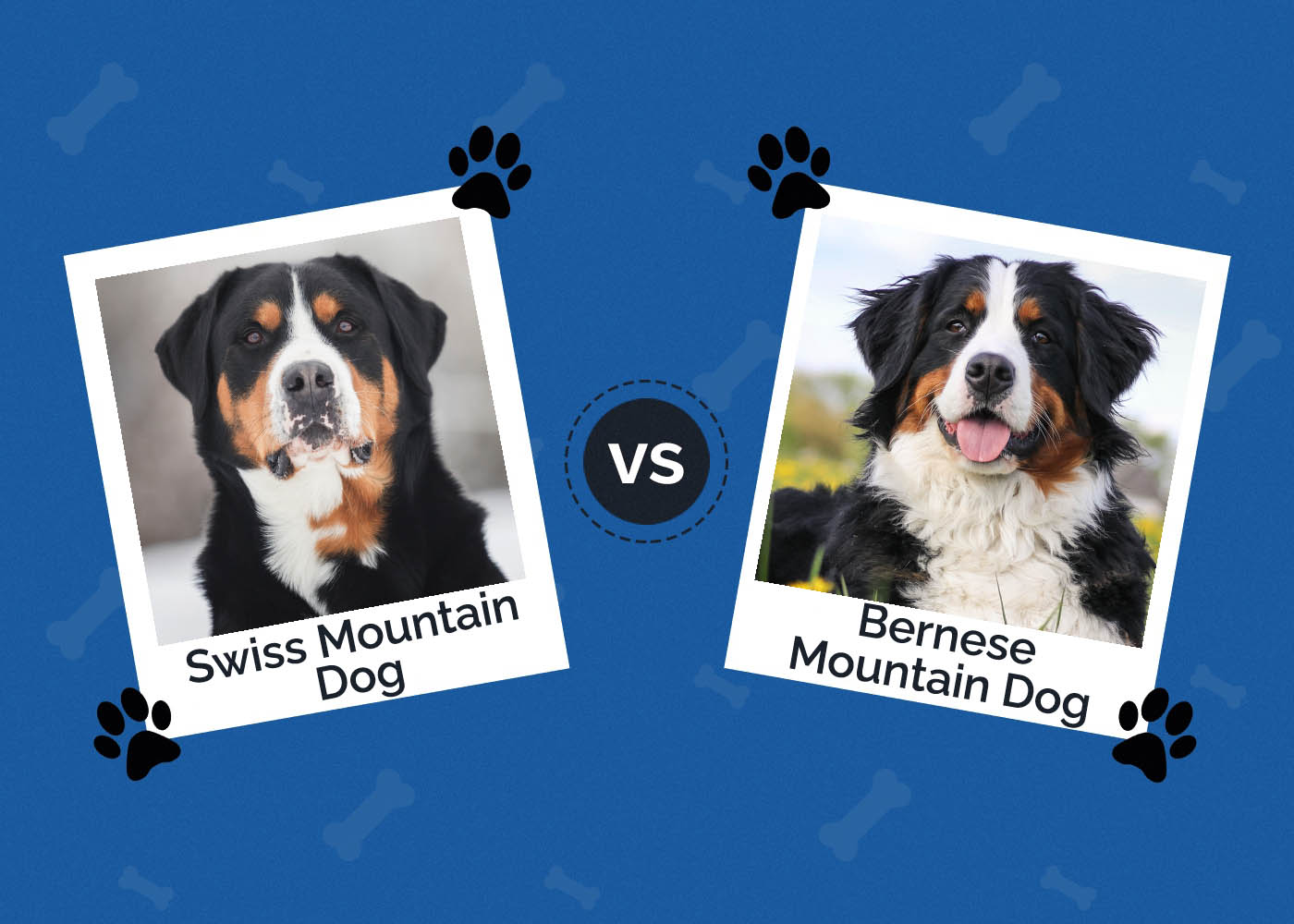
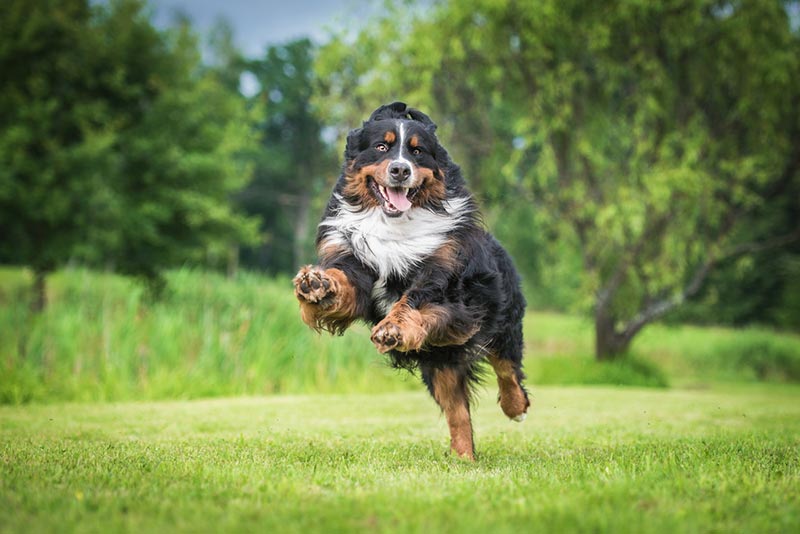
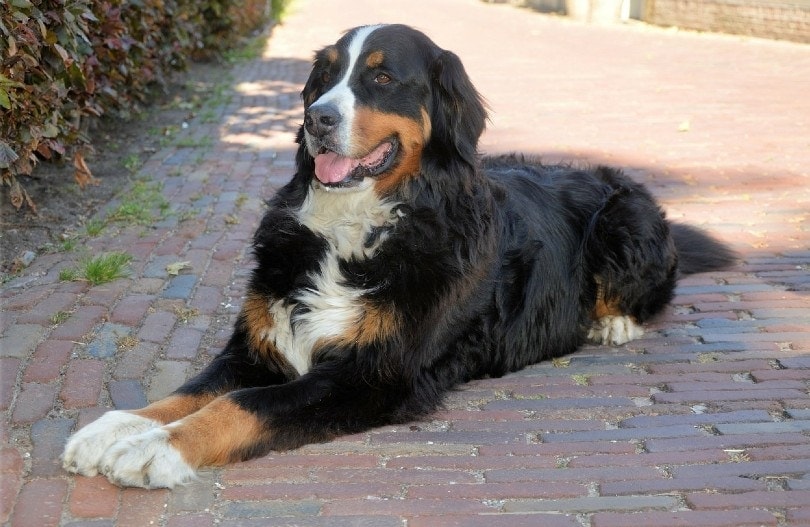
Bernese Mountain Dogs, or Berners, were bred in Switzerland as protectors and cart drivers. Historically, they worked as delivery drivers, pulling carts of cheese around the countryside. The first Bernese Mountain Dogs were imported to North America in 1926. The breed is a herding dog and loves to work. Berners are a large breed, with males weighing between 85 and 115 pounds and females weighing between 70 and 90 pounds. They are best suited for people who have large yards and plenty of time to spend with their dogs. Berners have a large amount of energy and love to be active, so they do best in busy households.
Personality / Character
Berners love children but not quite as much as the St. Bernard. That said, they are equally loving and affectionate toward their family. Berners are popular therapy dogs because they are so loyal to their humans.
Like St. Bernards, Bernese Mountain Dogs will happily climb in your lap for a cuddle, as they are completely unaware that they are too big to do so. These dogs require a significant amount of human interaction throughout their day and are known for sulking in a corner when they get bored.
Exercise
If you want a dog to keep up with you on long outdoor adventures, the Berner is the dog for you. While they shouldn’t participate in high-impact activities that cause joint issues, they are high-energy dogs. A good run, bike, or hike is something that they will enjoy, and their work ethic enables them to keep going all day long.

Training
Bernese Mountain Dogs are easy to train and eager to please their humans. As giant dogs, they need to be well-socialized as puppies and regularly interact with other dogs and humans.
Health & Care
Elbow and hip dysplasia, along with other joint issues, are common in Berners. This giant breed can also inherit a bleeding disorder called Von Willebrand’s disease, which can be identified through genetic screening because it is inherited.
Approximately 50% of all Bernese Mountain Dogs will pass away from cancer. The most common form is histiocytosis, a cancer of the white blood cells. Sadly, this cancer is aggressive and can lead to death in a matter of weeks.
Like St. Bernard’s, Berners are at high risk for bloat as a result of their stomach twisting. It’s important to be aware of the symptoms, as it can be fatal if not recognized and treated early.
Bernese Mountain Dogs have a double coat. It makes them well-suited to cold weather, but it also means they shed profusely most of the year. Berners don’t drool nearly as much as St. Bernards and are considered dry-mouthed dogs.
Suitable for:
Bernese Mountain Dogs make excellent pets for active families. They are high-energy dogs, so they need owners that can keep up with them. Children are no problem for the Berner, as they will happily play and snuggle with them. Their size makes them inappropriate for apartment dwellers, though.
Pros
- Great choice for active people
- Trainable
- Love children
- Calm and quiet
- Ideal for cold climates
Cons
- High prey drive
- Predisposed to numerous health concerns

Key Similarities & Differences Between St. Bernards and Bernese Mountain Dogs
- Both are large, powerful breeds that were bred to work.
- Both have strong prey drives.
- Both are affectionate and gentle.
- Berners are quieter but more energetic than St. Bernards.
- St. Bernards drool and Berners don’t.
- St. Bernards have low energy levels.
- Berners are easier to train than St. Bernards.
- St. Bernards suffer from separation anxiety, whereas Berners are more independent.
- Bernese Mountain Dogs have several health conditions that they can inherit.
Which Breed Is Right for You?
The Bernese Mountain Dog and the Saint Bernard are gorgeous breeds that love their families. They are similar dogs, but there are a few key traits that help you decide between the two. The exercise requirements and energy levels of these dogs are different, for example. While the St. Bernard is satisfied with a leisurely stroll each day, the Berner loves high-energy activities. That said, Berners are easier to train than St. Bernards. Both dogs love children, but the Bernese Mountain Dog is more independent, so if you work away from home during the day, the Berner is the better choice. St. Bernards need frequent interaction with their family to avoid destructive behavior and separation anxiety.
Whichever dog you choose, you are likely to find yourself with an oversized lap dog that offers love, kisses, and slobber all day long!
See Also:
Featured Image Credit: (L) Vlad Rudkov, Unsplash | (R) Eve Photography, Shutterstock
Get Hepper In Your Inbox


Pet care tips from our vets and experts, straight to your inbox.
You may opt-out at any time. View our Privacy Policy for more information.

Chelsie is a freelance writer who is passionate about helping pet owners and beloved animals live their best lives. She lives in rural Alberta, Canada with her husband and two sons. She is also currently a pet parent to four horses, four cats, and a border collie.
Join the conversation
Ask a question, share your story, or send private feedback.