Hepper is reader-supported. When you buy via links on our site, we may earn an affiliate commission at no cost to you. Learn more.
6 Best Substrates for Axolotl Tanks in 2026 - Reviews & Top Picks
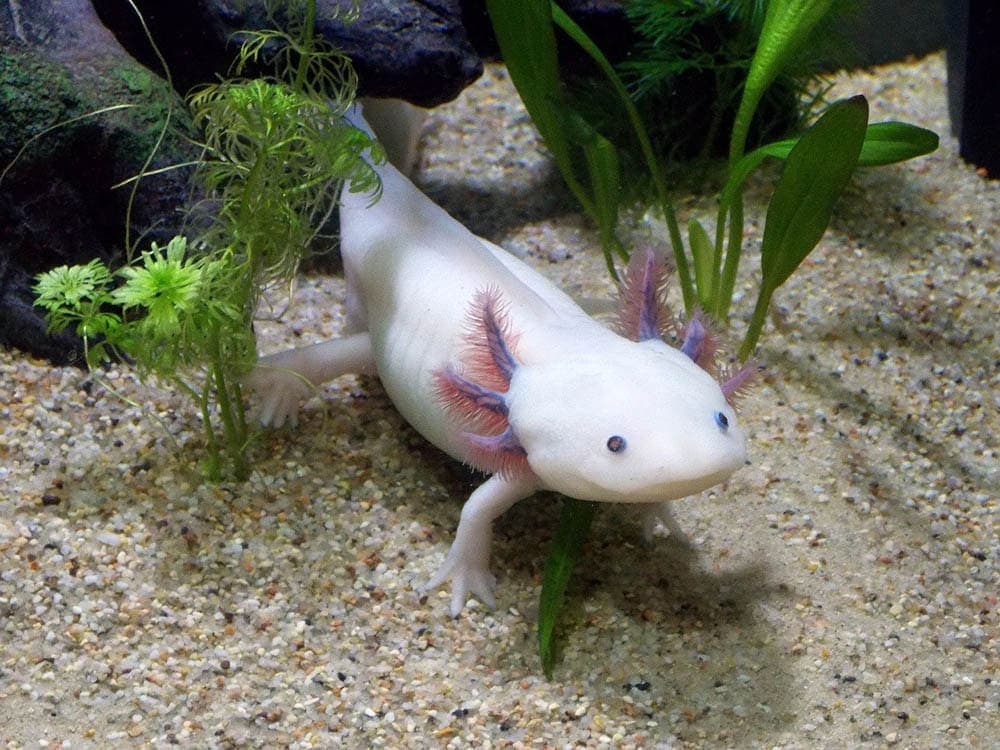
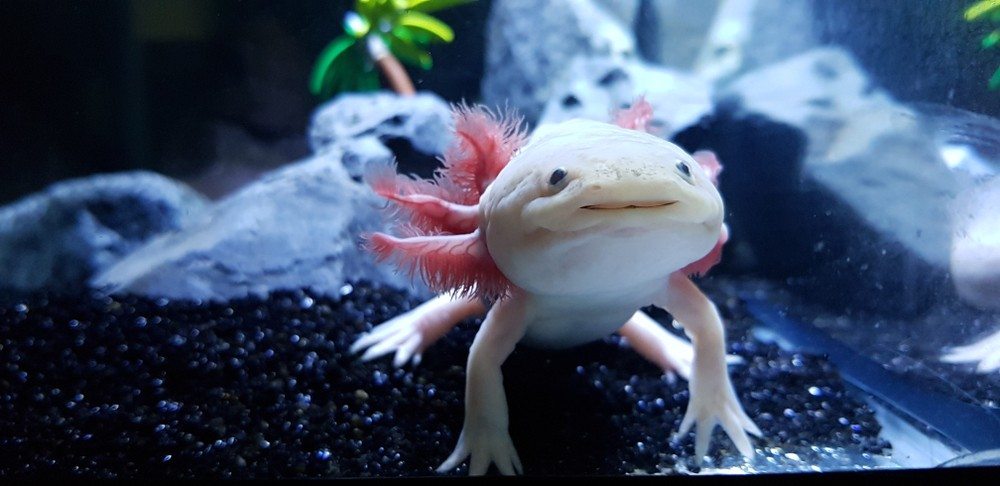
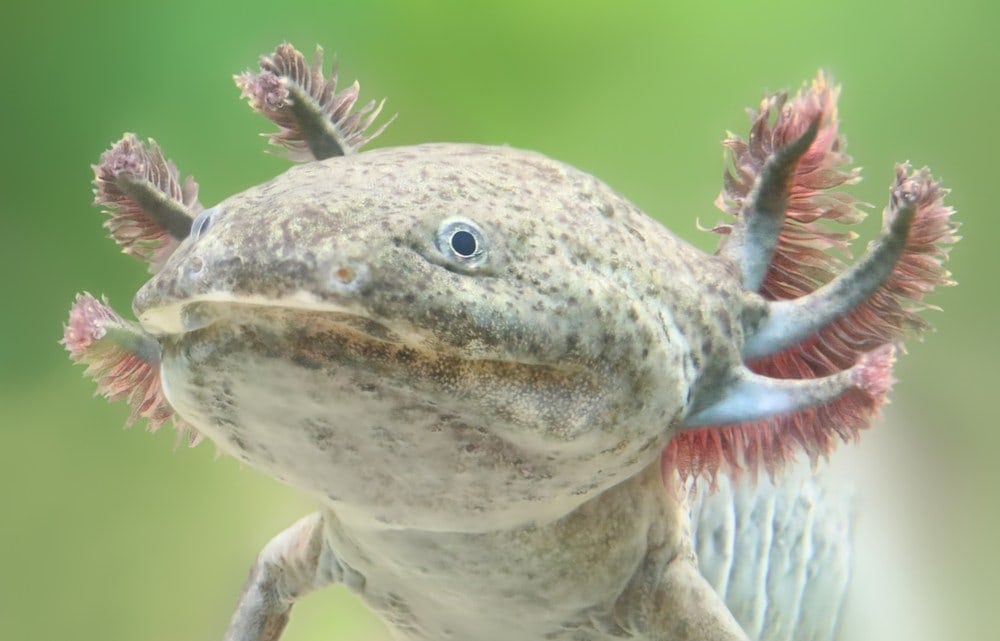
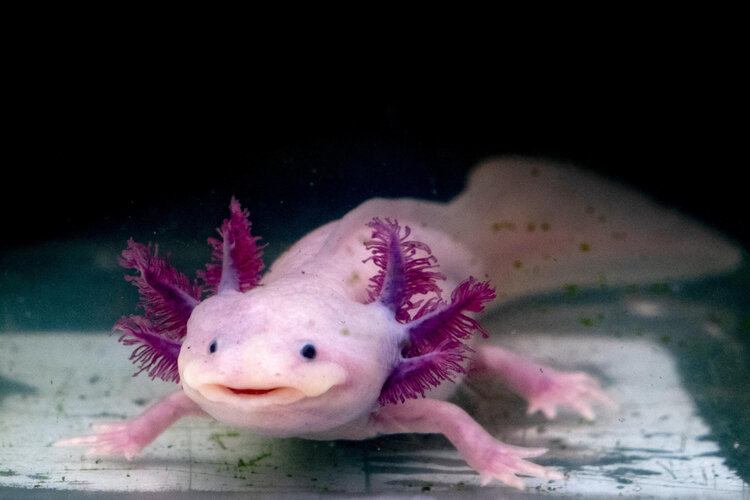
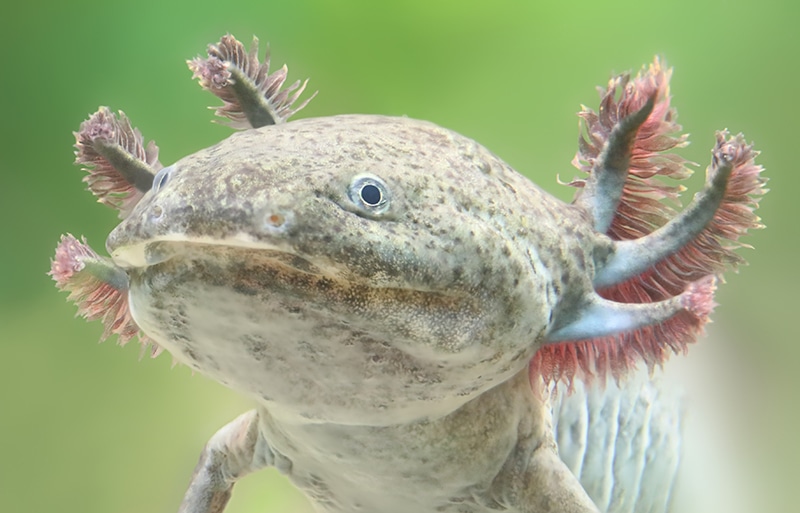
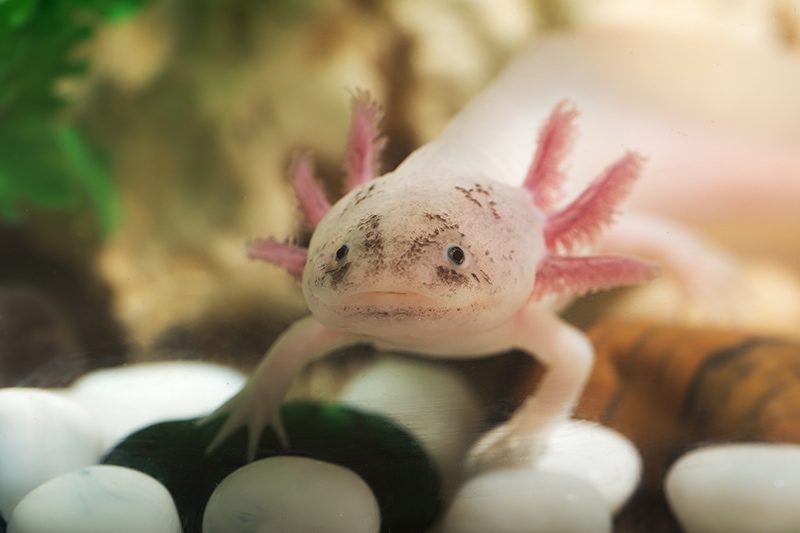
Their nickname might be "Mexican walking fish," but axolotls are just salamanders who never grew up. These fully aquatic amphibians are easy to care for and need a simple habitat.
Preparing an axolotl tank requires that you pay more attention to the substrate because of two specific axolotl characteristics. First, consider their delicate skin, particularly on their feet. A substrate that’s rough or slippery will stress and possibly injure your axolotl.
Next, know that axolotls also eat by sucking food into their mouths. They often eat off the bottom of the tank and could easily ingest substrate along with their dinner, leading to dangerous health consequences.
To help you make the safest decision, here are our reviews of the seven best substrates for axolotl tanks this year.

A Quick Comparison of Our Favorites in 2026
| Rating | Image | Product | Details | |
|---|---|---|---|---|
Best Overall
 |
|
CaribSea Super Naturals Crystal River |
|
Check Price |
Best Value
 |
|
Quikrete Play Sand |
|
Check Price |
Premium Choice
 |
|
Natural Slate Rock |
|
Check Price |
|
Stoney River White Aquatic Sand |
|
Check Price | |
|
AquaTerra Aquarium and Terrarium Sand |
|
Check Price |
The 6 Best Substrates for Axolotl Tanks
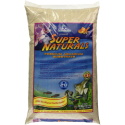
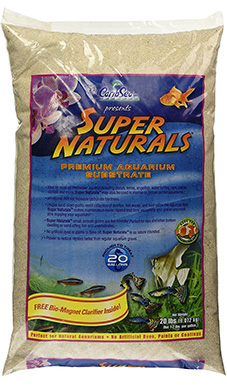
1. CaribSea Super Naturals Crystal River – Best Overall
| Type of substrate: | Aquarium sand |
| Available sizes: | 20-pound bag |
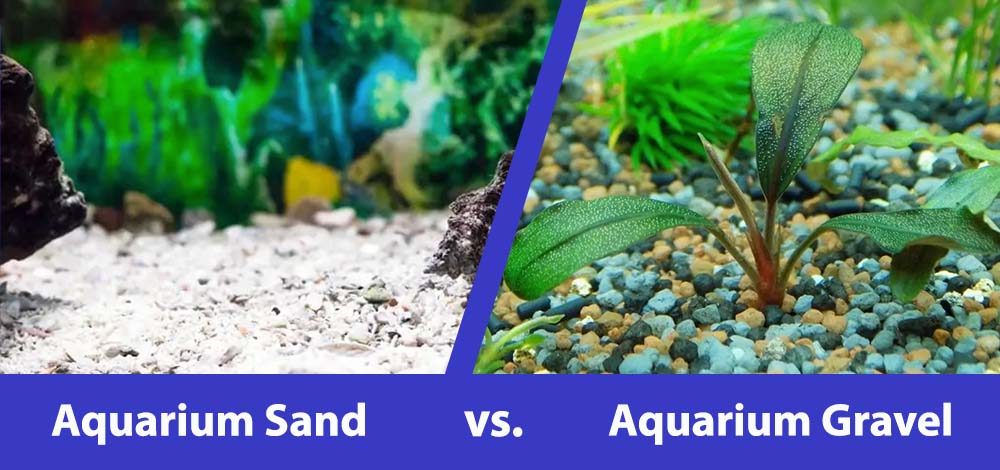
Our pick as the best overall substrate for axolotl tanks is this Crystal River freshwater sand from CaribSea. In general, sand is considered the safest substrate option for axolotls. It’s soft on their feet, looks nice in the tank, and if swallowed, is unlikely to cause a dangerous blockage like gravel would. However, not all aquarium sand is created equal.
This Crystal River sand is extremely fine-grained and vital for axolotl tanks. If the salamanders do swallow some sand, it needs to be fine enough to safely pass, and this one is. It’s also all-natural with no artificial dyes that could leach into the water and poison your axolotl.
Fine-grain sand can lead to cloudy aquarium water, so be sure to follow all directions when adding this substrate to your tank. Crystal River sand helps keep your tank clean and balanced, with its natural bacteria and water-filtering qualities, making it our best overall choice.
Pros
- Very fine-grain sand
- Keeps waste on top of substrate for easy cleaning
- Available in a large bag
Cons
- May cause cloudy water
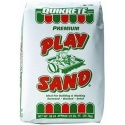
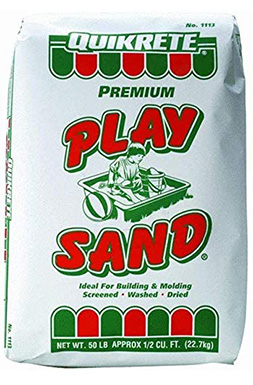
2. Quikrete Play Sand - Best Value
| Type of substrate: | Play sand |
| Available sizes: | 50-pound bag |
Our choice for the best substrate for axolotl tanks for the money is this play sand from Quikrete. Aquarium sand is always preferable, but if you want to cut costs and still make sure your axolotl has a safe substrate, play sand is an inexpensive option, especially if you look for it in local hardware stores. This makes it the best substrate for the money.
Make sure you buy play sand specifically and not construction sand, which is coarser, sharper, and unsafe to use. Sand meant for kids to play in is specially washed and processed to make the grains smaller, rounder, and softer against the skin. If you use play sand, you’ll need to do a little more work to make sure it's suitable for your tank. Wash the play sand thoroughly to remove any dust and consider filtering or sifting it as an extra precaution.
This sand also won’t come with any helpful bacteria as aquarium sand does.
Pros
- Inexpensive
- Easy to buy
- Available in a large bag
Cons
- Must be washed and sifted before use
- No helpful bacteria
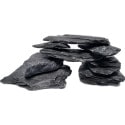
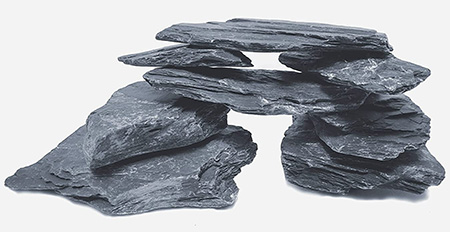
3. Natural Slate Rock – Premium Choice
| Type of substrate: | Slate rock |
| Available sizes: | 10-pound bag (number of pieces in bag varies) |
To avoid any possibility of your axolotl accidentally ingesting substrate, you can go another direction entirely and choose to cover your tank floor in this natural slate rock. This substrate option is neither the simplest nor the cheapest, but the result is a nice-looking covering for your aquarium floor.
The major downside of this type of substrate is that it can be harder to clean due to waste falling into the gaps between the rocks. To combat this issue, you may choose to glue the pieces down using aquarium-safe silicone.
This substrate takes a little more time to prepare and install but may be worth it for peace of mind.
Pros
- No risk of accidental ingestion
- Sturdy and long-lasting
Cons
- Time-consuming to install
- Harder to keep clean
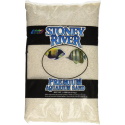
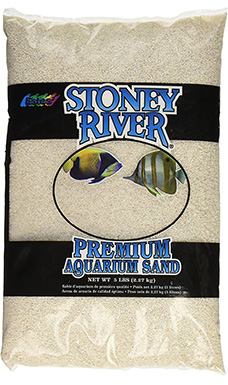
4. Stoney River White Aquatic Sand
| Type of substrate: | Aquarium sand |
| Available sizes: | 5-pound bag |
This beautiful white aquarium sand is more expensive but a suitable substrate option for your axolotl tank. The Stoney River sand is a slightly larger grain than our top choice but is still safe to use.
Axolotls don’t need a big aquarium, so using this pricier sand option won’t hit your bank account as hard as setting up a huge tank would.
This sand is non-toxic and designed not to impact the pH levels of your tank water. Like the other fine-grain sand choices, this one may make your water cloudy. It is easy to clean and excellent for live plant aquarium decorations.
Pros
- Won’t change water pH
- Fine-grain
Cons
- Expensive
- May cause cloudy water
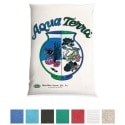
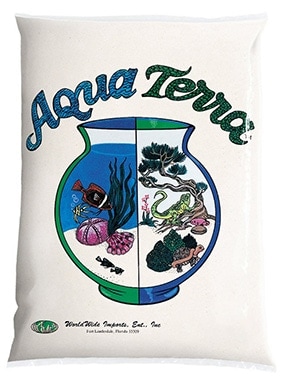
5. AquaTerra Aquarium and Terrarium Sand
| Type of substrate: | Aquarium sand |
| Available sizes: | 5-pound bag |
A slightly more affordable sand substrate option is the AquaTerra Aquarium Sand. This sand is also very fine but reportedly takes more time and effort to prepare before the tank is ready for inhabitants. It often requires multiple washes to stop it from causing cloudy water.
Like our top choice, this sand contains healthy bacteria to aid in keeping the tank water clean. AquaTerra sand is all-natural but does come in multiple colors. Be sure you are picking the type free of any artificial dyes.
Reportedly, this sand can sometimes be harder to keep clean than some other substrate options.
Pros
- Fine-grain sand
- All-natural
Cons
- May cause cloudy water
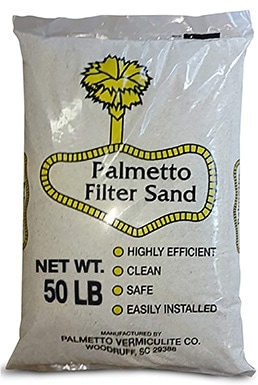
6. Palmetto Pool Filter Sand
| Type of substrate: | Pool filter sand |
| Available sizes: | 50-pound bag |
Another affordable non-aquarium sand option you can use as a substrate for your axolotl tank is the Palmetto Pool Filter sand. Like the aquarium sand, this one is all-natural and free of any potentially toxic dyes or chemicals.
The benefit of using pool sand is that it’s designed to be non-clumping due to the danger of clogging up the pool filters. What’s good for a pool filter is also good for the axolotl’s insides. Any ingested sand should pass safely on its way. Unlike aquarium sand, pool filter sand won’t come with beneficial bacteria.
The sand comes in a giant bag, making it a more cost-friendly option.
Pros
- Cost-effective
- Non-clumping
Cons
- No helpful bacteria like aquarium sand
Buyer's Guide - How to Purchase the Best Substrate for Axolotl Tanks
As you prepare your axolotl’s new tank, there are some key things to consider before you decide which substrate will work best for you.
Do You Need Substrate At All?
To completely avoid any risk of your axolotl injuring themself or swallowing a dangerous amount of substrate, should you leave it out of the tank entirely?
Bare tank floors aren’t the best choice for several reasons, one being that they just don’t look very nice! Axolotls may find bare tank floors too slippery and stressful to walk on. These salamanders also aren’t big fans of light, and reflections on the bare glass of the tank floor could stress them out.
In general, it’s best to choose a safe substrate, such as one of the ones we reviewed, rather than leave your axolotl on bare floors.
What Substrate Should Never Be Used?
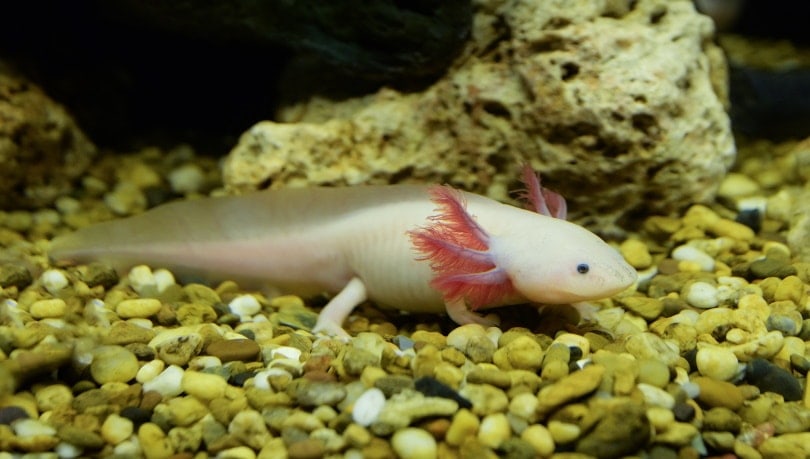
We talked about safe substrate options already, but what about substrate choices that are definite no-nos? The number one substrate to avoid with axolotls is small gravel or pebbles. These are almost certain to be swallowed at some point by a hungry axolotl and cause a dangerous blockage.
It is possible that you could get away with using larger rocks for a substrate as long as they are bigger than the axolotl’s head. However, large rocks can be hard to keep clean and difficult for the salamander to walk on. Not to mention it’s hard to be 100% certain that your axolotl won’t still try to swallow one. Play it safe and avoid any kind of rock other than flat slate.
Other substrates you should avoid are colored sand, construction sand, reptile mats, and any substance that might change your water pH or other parameters.
What Size Is Your Tank?
Axolotls should live by themselves and, consequently, don’t need a large tank. Usually, a 20-gallon tank is sufficient. The amount of substrate you need will depend on how big your tank is. Some of the substrate options we reviewed are more expensive and may be less desirable with a large tank.
You can usually figure on needing about 1 pound per gallon of tank per inch depth of substrate. So, 20 pounds of sand for a 20-gallon tank filled with a substrate depth of 1 inch. The size of your tank should be a consideration as you choose a substrate and decide on a budget for your habitat setup.
How Are You Going to Keep Your Tank Clean?
Axolotls are messy little creatures and keeping their tank clean is essential, as it is for any aquatic animal. Most fish tanks use a filter to help keep the water clear and that’s an option for your axolotl as well. However, filters create at least a mild current in any tank they’re cleaning. Axolotls will become stressed with anything faster than a slow current, so your filter might not work as effectively.
Choosing aquarium sand for your substrate can help because of the live bacteria it contains to help purify the water. Because you’ll need to clean your tank regularly physically with a siphon, sand tends to do the best job of keeping waste on the surface of the substrate for easy removal. Fine-grain sand doesn’t mix well with a powerful filter and will cloud up your tank water but a slow current shouldn’t disturb it too much.
Tile or slate rock substrate has an easy-to-clean hard surface and also open cracks that may trap aquarium waste. If you choose these substrates, make sure they are tightly fitted and secured to the tank floor.
If you don’t use a filter, you’ll need to perform partial water changes more frequently depending on how messy your axolotl is. Never change all of the water at once because the sudden shift in water chemistry can stress your axolotl. Weekly water changes should be enough for a filtered tank while daily, or every other day, might be needed for a non-filtered tank. A good rule of thumb is to swap out about 20% of the tank water each time.
Final Thoughts
Our best overall substrate for axolotl tanks, the CaribSea Crystal River, combines a pleasing appearance with fine, non-clumping sand grains for safety and beauty. Our best value option, Quikrete Play Sand, is an affordable choice that takes some time to prepare for your tank.
Axolotls are fascinating, interactive pets who need a carefully prepared habitat but are otherwise simple to care for and feed. These reviews of the seven best substrates for an axolotl tank are a great place to start as you create a home-sweet home for your new salamander friend.
Featured Photo Credit: Tinwe, Pixabay
Get Hepper In Your Inbox


Pet care tips from our vets and experts, straight to your inbox.
You may opt-out at any time. View our Privacy Policy for more information.

A lifelong lover of all creatures great and small, Elizabeth got her first cat at 5 years old and at 14, she started working for her local veterinarian. After spending more than 20 years working as a veterinary nurse, Elizabeth decided to step away to become a stay-at-home parent to her daughter. Now, she is excited to share her knowledge with our pet parents. Elizabeth lives in Iowa with her family, including her two fur kids, Linnard, a husky mix and Algernon, the worldʻs most patient cat. When not writing, she enjoys reading, watching soccer, and spending time outdoors with her family.
Join the conversation
Ask a question, share your story, or send private feedback.