Hepper is reader-supported. When you buy via links on our site, we may earn an affiliate commission at no cost to you. Learn more.
How Long Does It Take a Dog to Digest Food? Vet-Reviewed Facts & FAQ

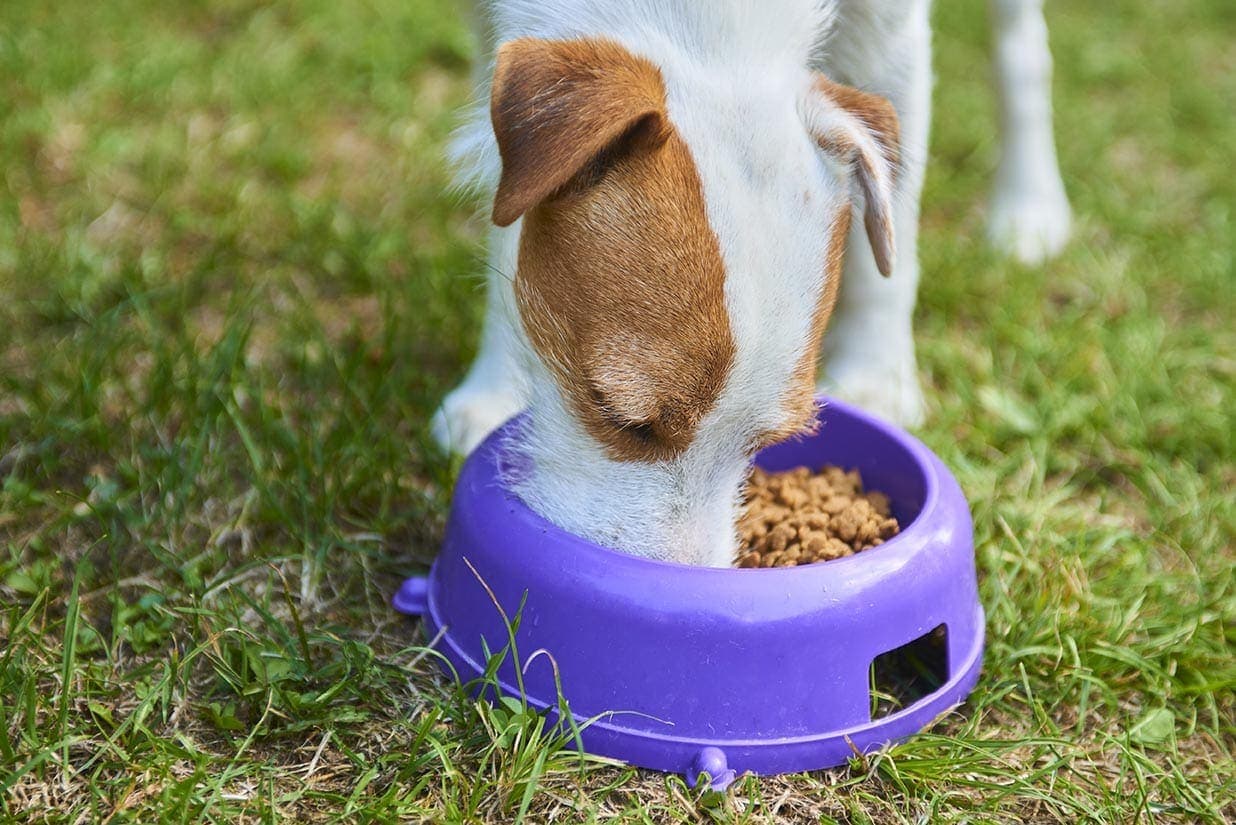
As you likely know, dogs love chowing down on just about any food they can get their paws on. Some dogs can stomach just about any food, while others have a much more sensitive stomach. Whether your dog falls in the former category or the latter, it can be helpful to know how long it takes for dogs to digest their food.
Most dog owners do not know much about their dog’s digestive process, though. In this article, we will take the time to learn about the digestive process, including how long it takes for dogs to digest their food and more. Let’s dig into this interesting topic so that you can promote your dog’s health and wellness for years to come.

How Long Does It Take for Dogs to Digest Food?
Several factors go into how long it takes for a dog to digest their food. With that fact aside, it takes small dogs longer than larger dogs to digest their food. Larger dogs' digestion can take around 8 hours. On the other hand, puppies have faster digestion than adult dogs. The exact time will differ based on the dog’s age, size, and more.

Factors That Impact How Long It Takes Dogs to Digest Food
As we mentioned above, several factors impact how long it takes for your dog to digest their food. Let’s take a closer look at some of these important factors so that you can better understand digestion time in dogs.
Dog Size
One of the biggest factors that determine a dog’s digestion time is their size. As we learned above, it can take small dogs longer to fully digest their food than it takes large dogs.

Age
Age is another factor that affects the time dramatically. The dog's breed and size stay pretty consistent, whereas the dog’s age changes constantly. It may be helpful or informative to think of your dog’s age as the X factor (or the changing factor) of their digestive process.
What this means is that your dog’s age will largely determine the difference in digestive time. For example, puppies are more likely to digest their food quicker than older dogs because they have a quicker metabolism. This is very similar to humans.
Exercise
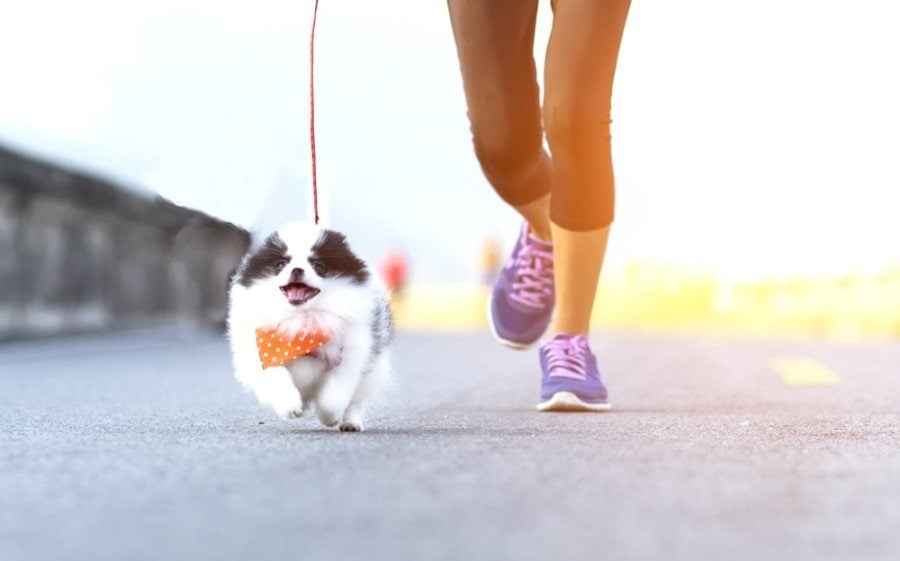
Although dog size and age are the big determiners for how long it takes your dog to digest their food, exercise also plays a large role. The more your dog exercises, the quicker their body will process the food. Because of this fact, more active dogs digest their food much faster than sedentary dogs.
Diet
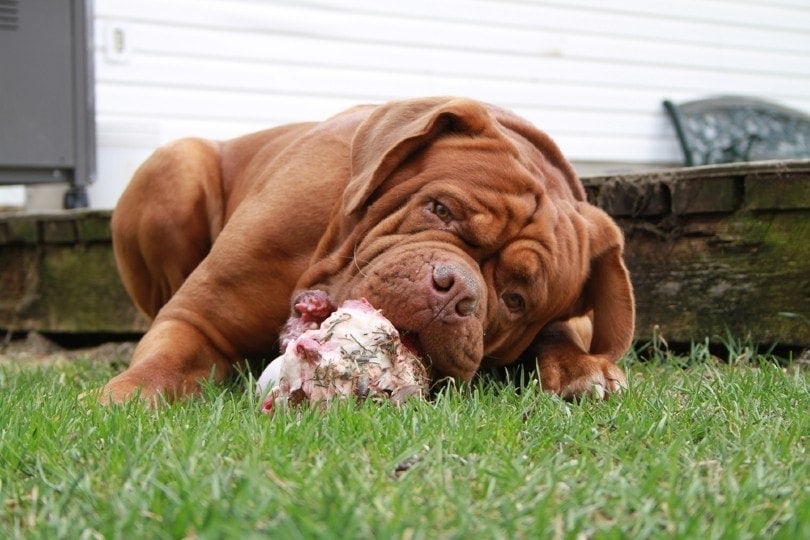
Finally, the last factor that impacts the digestive tract is the actual food the dog is eating. Certain food types take longer for your dog to digest than others. For example, complex carbohydrates from grains tend to be digested slower than protein. What you feed your dog can impact how fast they digest the food.
Make sure you're feeding your dog the right amount of food and the correct type for their lifestyle, check out our dog food calculator here.
Dog Calorie Calculator
Recommended Daily Calories
The exact amount of calories an individual animal needs to maintain a healthy weight is variable and influenced by many factors including genetics, age, breed, and activity level. This tool is meant to be used only as a guideline for healthy individuals and does not substitute veterinary advice

Dog Digestive System
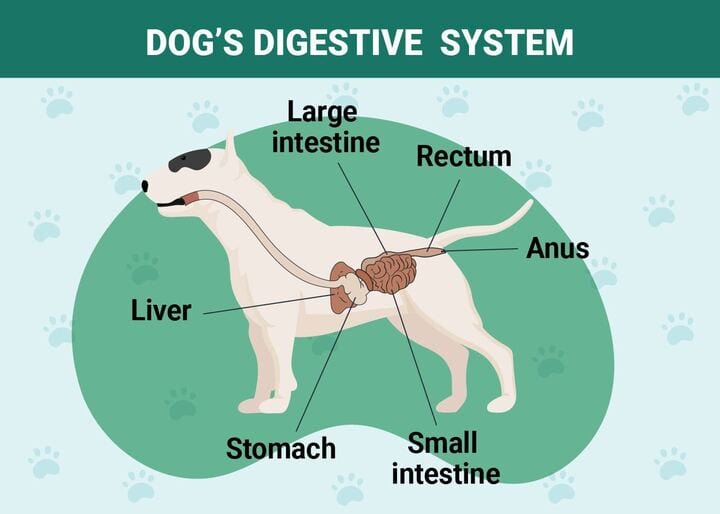
In addition to knowing the factors about your dog that impact their digestive system, it’s also helpful to understand the dog’s digestive system as a whole. This can help you be more informed about your dog’s health and well-being.
Interestingly, the first thing you should realize is that dogs store their food much differently than humans. About 70% of food is stored in the intestinal tract in humans, whereas only 30% is stored in the stomach. The order is reversed in dogs: 70% is stored in the stomach, and only 30% is stored in the intestinal tract.
Digestive Process
In addition to knowing how dogs store food, it’s important to know the digestion process. Let’s take a look at the different stages of the digestion process in a dog.
There is a lot more that happens inside your dog’s body than these five steps. Nevertheless, these are the most basic facts you need to know about your dog’s digestive process. If your dog demonstrates any digestive issues, the problem probably arises during one of these five steps.
Dog Digestive Tract: Healthy Tips
Keeping your dog’s GI tract healthy is imperative for them to live a happy and long life. Much like humans, an upset or irritated digestive tract can cause a lot of pain and annoyance to your dog.
Feed Them Only Dog-Friendly Foods
The number one way to keep your dog’s digestive tract healthy is to feed them food that is species-appropriate. Offer dog foods that are high in protein and have minimal carbohydrates, though they should have some complex carbohydrates. Feeding your dog the proper diet can make a huge difference to the workings of your dog’s digestive tract.
Familiarize yourself with the ingredients that sit well with your dog’s digestive system. If you notice signs of gastrointestinal distress, try to identify if there is a specific ingredient that they might be sensitive to.

Consider Adding Probiotic Supplements
Besides selecting dog-friendly food, adding digestive aids to your dog’s diet can make a huge difference. Probiotic supplements might be needed to ensure that your dog's gastrointestinal microbiota are in a healthy balance. These supplements help recover the beneficial bacteria that help protect your dog against gastrointestinal infections and enable them to digest and absorb their food properly.
Talk to Your Vet
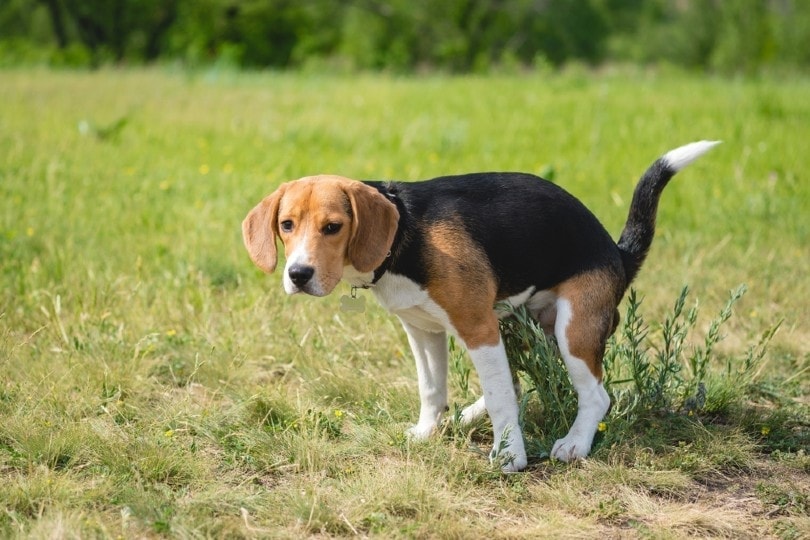
If you notice that your dog’s digestive health has dramatically changed over a short period, make sure to call your vet immediately. The easiest way to spot an issue with your dog’s digestive system is to pay attention to their stool. If it is overly runny or oddly colored, that is a sign that your dog needs to see a vet.
Conversely, a lack of stool also tells you that your dog has an issue. If you notice that your dog has trouble going to the bathroom or is not going to the bathroom at all, call your vet immediately.

Final Thoughts
The short answer to the question, “How long does it take for my dog to digest their food?” is between 6 and 10 hours. Although this is not a straightforward answer, the exact time depends on several factors, such as your dog’s size, age, exercise habits, and food intake. It’s also important to note that their digestive time may differ from day to day.
Although it may sound a little gross, you should track your dog’s general digestive health to ensure that it is healthy and happy. If you notice any dramatic changes in your dog’s digestive time, contact your veterinarian immediately to get them back on track.
Featured Image Credit: Petr Bonek, Shutterstock
Get Hepper In Your Inbox


Pet care tips from our vets and experts, straight to your inbox.
You may opt-out at any time. View our Privacy Policy for more information.
Nicole is the proud mom of Rosa, a New Zealand Huntaway, and Baby, a Burmese cat. Originally from Canada, Nicole now lives on a lush forest property with her Kiwi husband in New Zealand. Nicole has a strong love for all animals and has experience caring for all types of dogs, from Yorkies to Great Danes. Nicole even worked as a dog sitter during her travels through South America and cared for stray pups — something she holds close to her heart. With a degree in Education and a love for writing, Nicole aims to share her and others' expert knowledge with pet lovers worldwide with Hepper.
Join the conversation
Ask a question, share your story, or send private feedback.