Hepper is reader-supported. When you buy via links on our site, we may earn an affiliate commission at no cost to you. Learn more.
How to Train a Sled Dog: 10 Useful Tips & Tricks
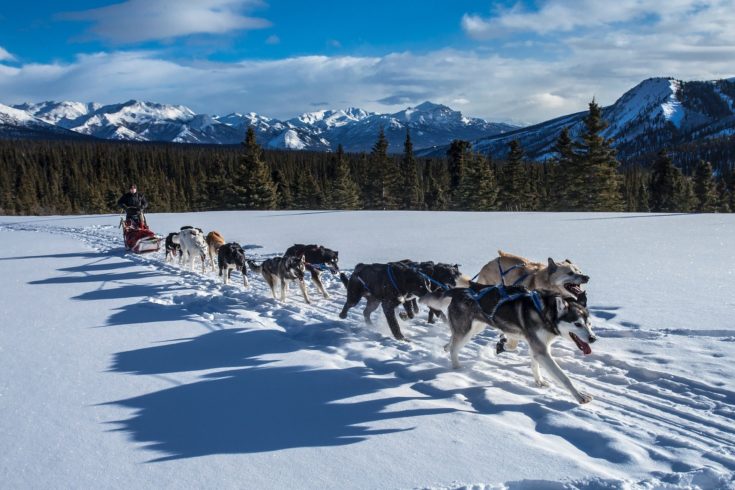
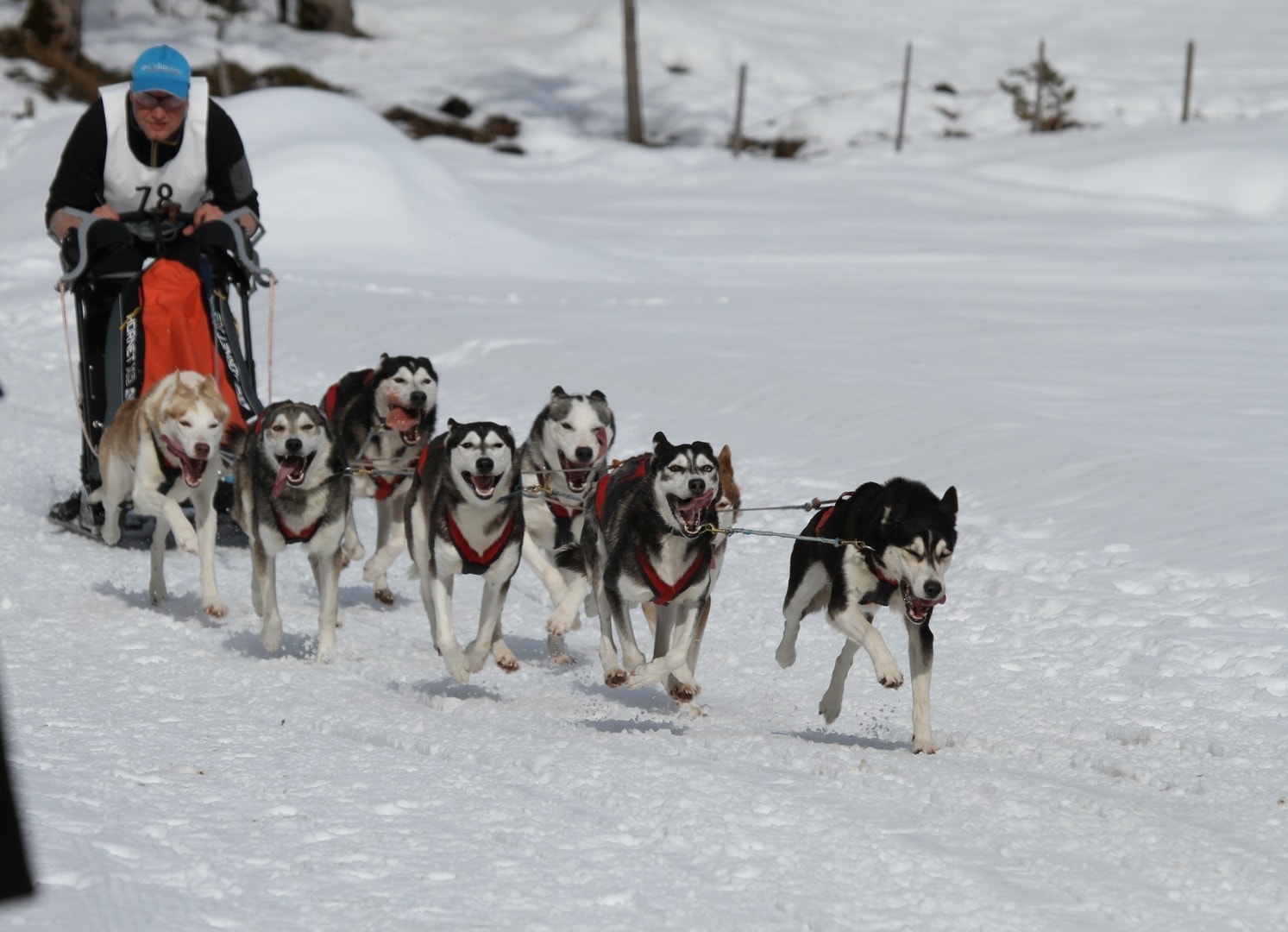
If you’ve ever spent time around a sled dog breed, like a Siberian Husky, then you know how strong their instincts to pull can be. This instinct often leads people to think that these dogs inherently know how to pull a sled and participate in a sled team. However, there is a great deal of training and time that goes into preparing a dog to pull a sled, whether it’s for fun or the Iditarod. If you’re planning to train your dog to pull a sled, here are some tips and tricks you need to know.

The 10 Tips on How to Train a Sled Dog
1. Acclimate Your Dog
No dog is going to agree to pull anything if they’re afraid of what’s behind them or the harness itself. It’s essential that you acclimate your dog to the sled-pulling environment, preferably when they are around 10 weeks of age.
Allow your dog to sniff around the equipment and allow them to touch and interact with it as well. Let your dog wear their pulling harness, and make sure you acclimate them to wearing a harness in general. Your dog’s pulling harness won’t be the same as their leash walking harness.
2. Ensure Proper Harness Fit
There is no bigger mistake in sled pulling than a dog wearing an ill-fitting harness. Harnesses that don’t fit correctly are far more dangerous than simply being uncomfortable for your dog. Ill-fitting pulling harnesses can put stress on your dog’s body in inappropriate ways, leading to injuries. This can also lead to general pain while in the harness, which will make your dog less likely to want to participate in pulling.
If you’re unsure how to properly fit your dog for a sled harness, it’s best to consult a professional. It’s often more complicated than it is when fitting your dog for a leash-walking harness.
3. Start in the Fall
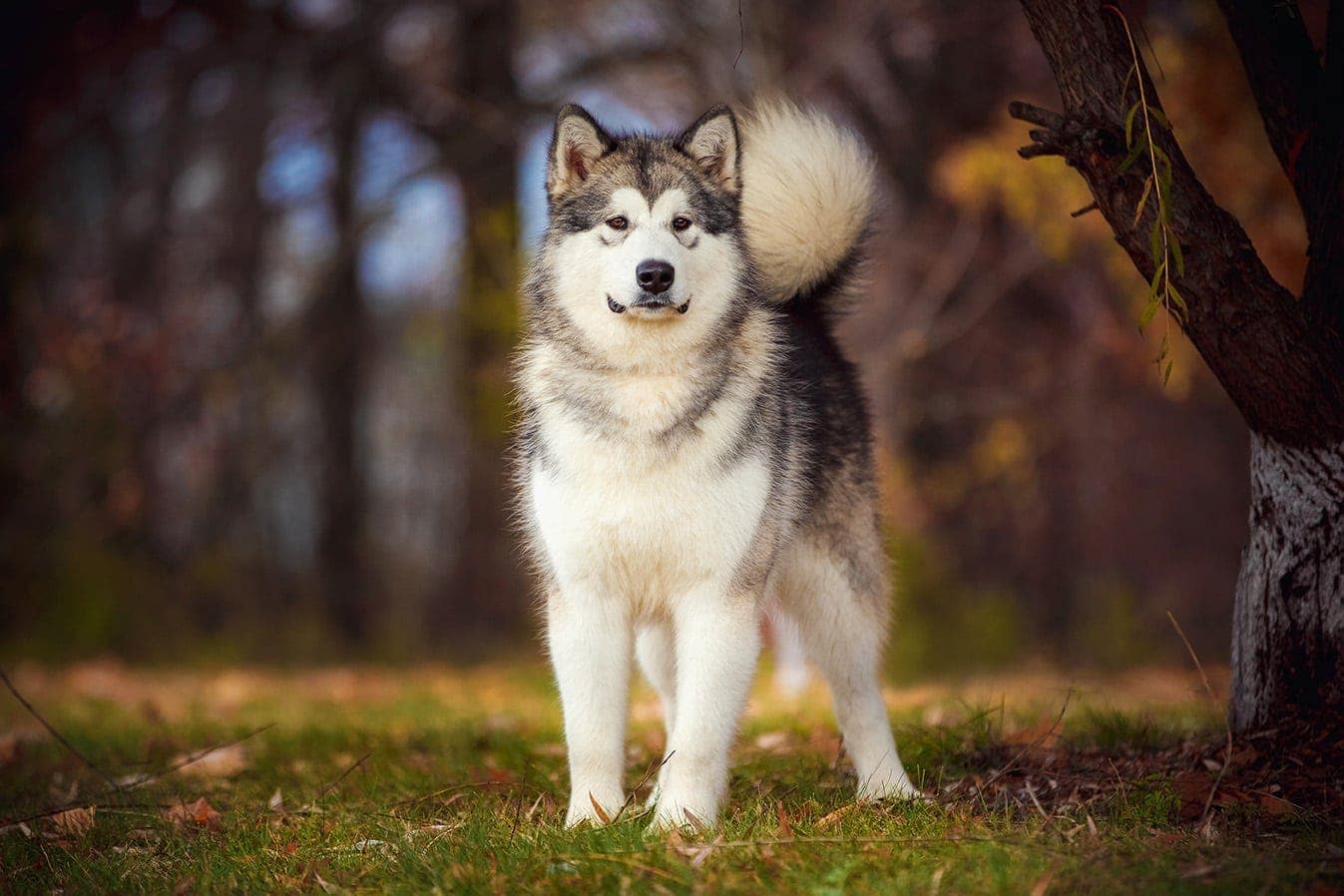
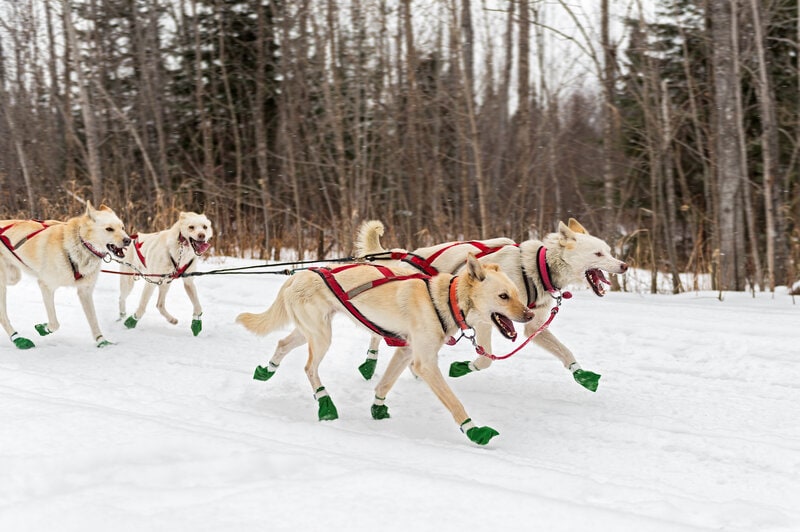
This isn’t a hard and fast rule, but if your dog is a northern breed, it’s very important that you start their sled-pulling training when the weather is cool. If you try to train your dog when the weather is warm, they are likely to tire quickly, not to mention the increased risk for heat stroke and death.
Starting training when the weather is cool and your northern breed pup is “in their element” will set your training up for success. Even if your dog isn’t a northern breed, try to start your training sessions when the weather is comfortable.
4. Start Slow
If you expect your dog to pull a sled a mile on their first day, you’ll likely be disappointed. You’ll also likely be disappointed if you try to train your dog by having them pull a sled every day. You can do multiple runs in a single day, but most trainers recommend sticking to only running your dog three days weekly. This will allow them to rest and recuperate between sessions, as well as help them understand that pulling a sled isn’t their daily job.
After your dog has completed about 2 weeks of runs, you can slowly start to increase the distance, with a maximum increase of 25% weekly.
5. Partner Your Dog Appropriately
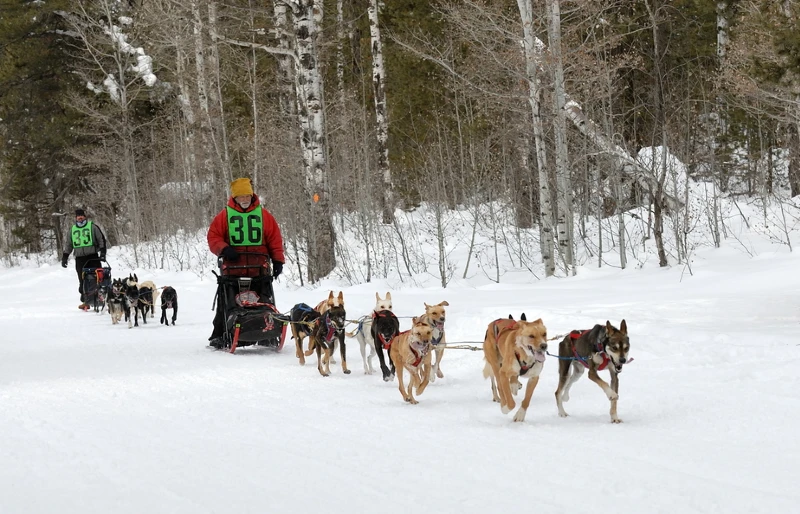
If your dog is going to be pulling on a sled team, it’s necessary for them to be partnered with a dog they can agree with. If your dog is partnered with a dog they don’t get along with, it’s going to be disastrous and unlikely to result in sled pulling. If your dog is a big goofball and you partner them with another goofball, they’ll probably spend their time goofing off instead of pulling.
Try to partner your dog with a more experienced dog that they get along with but that also will keep them in line and help show them the ropes of team pulling.
6. Provide Positive Reinforcement
If you’ve ever read The Call of the Wild or similar books, you likely think that sled-pulling training involves lots of abuse. Fortunately, abuse has not always been a part of the training, and as more and more people understand the poor outcomes of negative reinforcement training, they shift their focus.
Positive reinforcement training can help build confidence in your dog, as well as help them feel like they’ve accomplished a job and made you happy. Positive reinforcement training will encourage your dog to continue with the trained behavior instead of creating anxiety and stress.
If you need help with training your dog, we suggest speaking with a vet online.
7. Weight Should Be Appropriate
Whether your dog is going to participate in weight pull or team sled pulling, the weight your dog is pulling needs to be appropriate for them. Some dogs are exceptionally strong and can pull hundreds of pounds, but you absolutely can’t start your dog off with heavy weights.
Start training with a weight that your dog is able to pull easily. As your dog grows in strength and confidence, you will be able to slowly increase the weight they are able to pull. Keep in mind that an ill-fitting harness will hamper your ability to safely increase the weight your dog is pulling.
8. Let Your Dog “Catch” You
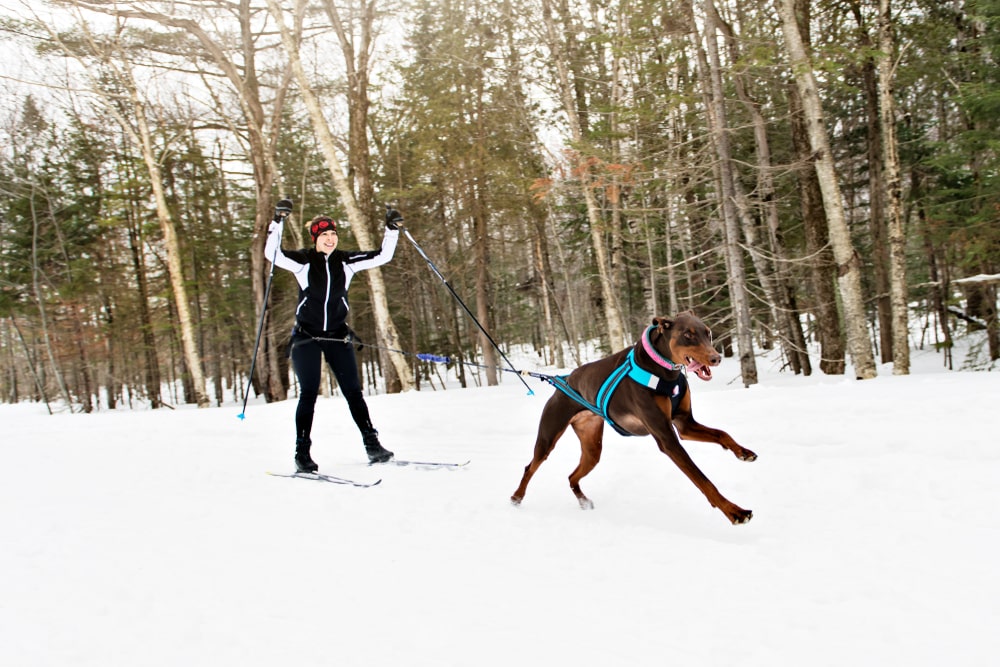
Some dogs may not instinctively understand pulling a sled. After all, you’ll be behind them if they’re pulling you on a sled, which can be confusing for some dogs. This is especially likely to be the case if your dog isn’t a northern breed.
To start your dog’s training off and help them understand that they should be moving forward, allow your dog to pull their sled to catch you or someone else. Once your dog catches up to the sled or team in front of them, allow them to socialize and receive praise. Over time, you will be able to increase the distance between the teams until your dog realizes that the other team isn’t a required part of the activity.
9. Teach Them to Stop
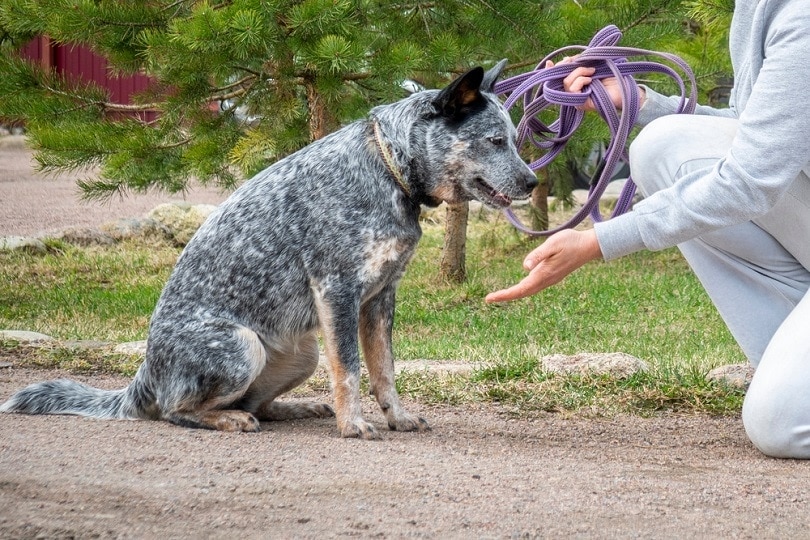
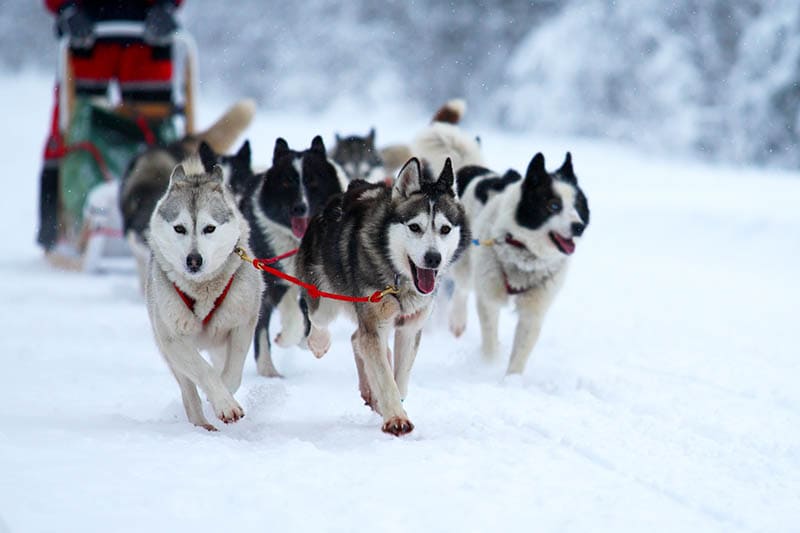
Most dogs can quickly learn how to move forward when it comes to pulling a sled. Fewer dogs will quickly learn to stop, though. Teaching your dog a stop command is important for safety. If your dog is pulling a sled on a team, all of the dogs should know to stop on command. If your dog is weight-pulling on a sled, they should still know when to stop.
A stop command can be simply to stop the training for the day, but the command may also be called to keep your dog safe. If your dog continues to pull after being commanded to stop, you need to continue to work on this skill before taking them into risky situations.
10. Teach Commands
“Stop” isn’t the only command that your dog needs to know to pull a sled. If you are planning to do team pulling with your dog, there are multiple commands they should know. Keep in mind that you are behind your dogs during team pulling, so they should be trained to respond to verbal commands.
Commands for teaching your dogs to turn left and right, slow down, move over on the path, turn around, or leave something alone are all essential skills for a team-pull dog to know. Without these skills, you might end up on a wild ride to nowhere, risking the safety of both you and your dogs.
Final Thoughts
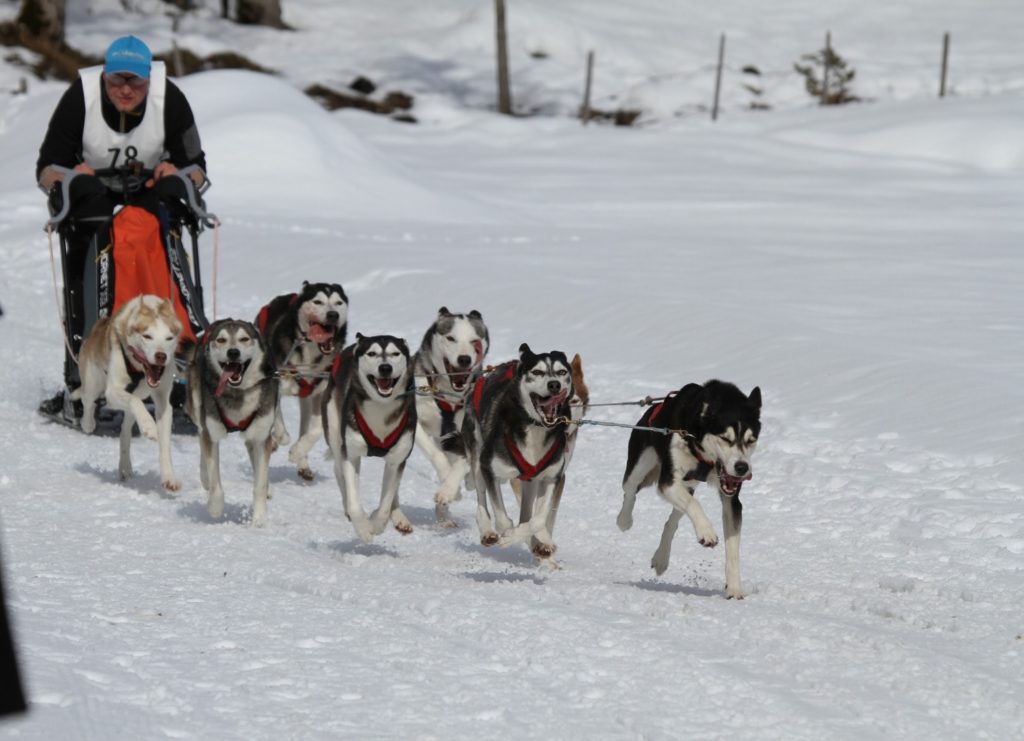
Sled pulling can be a great form of exercise for your dog, whether you’re interested in team sled pulling or weight pulling. This skill requires multiple steps to teach, though. Safety should always be the top priority, especially when your dog is pulling a sled. There are lots of things that can go wrong, so thorough and patient training is necessary.
Featured Image Credit: Jacob W. Frank, Pixabay
Get Hepper In Your Inbox


Pet care tips from our vets and experts, straight to your inbox.
You may opt-out at any time. View our Privacy Policy for more information.

Nicole is a lover of animals of all sizes but is especially fascinated with the feline variety. She’s the proud mom of Baby, a Burmese, and works every day so he can relax in the sunshine or by the fire. She’s always had a cat in her home and has spent countless days with others, observing behaviors and softening up even the grouchiest of the lot. Nicole wants to share her kitty expertise with you so you and your cat can live happy, healthy, and care-free.
Join the conversation
Ask a question, share your story, or send private feedback.