Hepper is reader-supported. When you buy via links on our site, we may earn an affiliate commission at no cost to you. Learn more.
Toxic Moldy Dog Food: Vet-Approved Health & Safety Guide


In this article
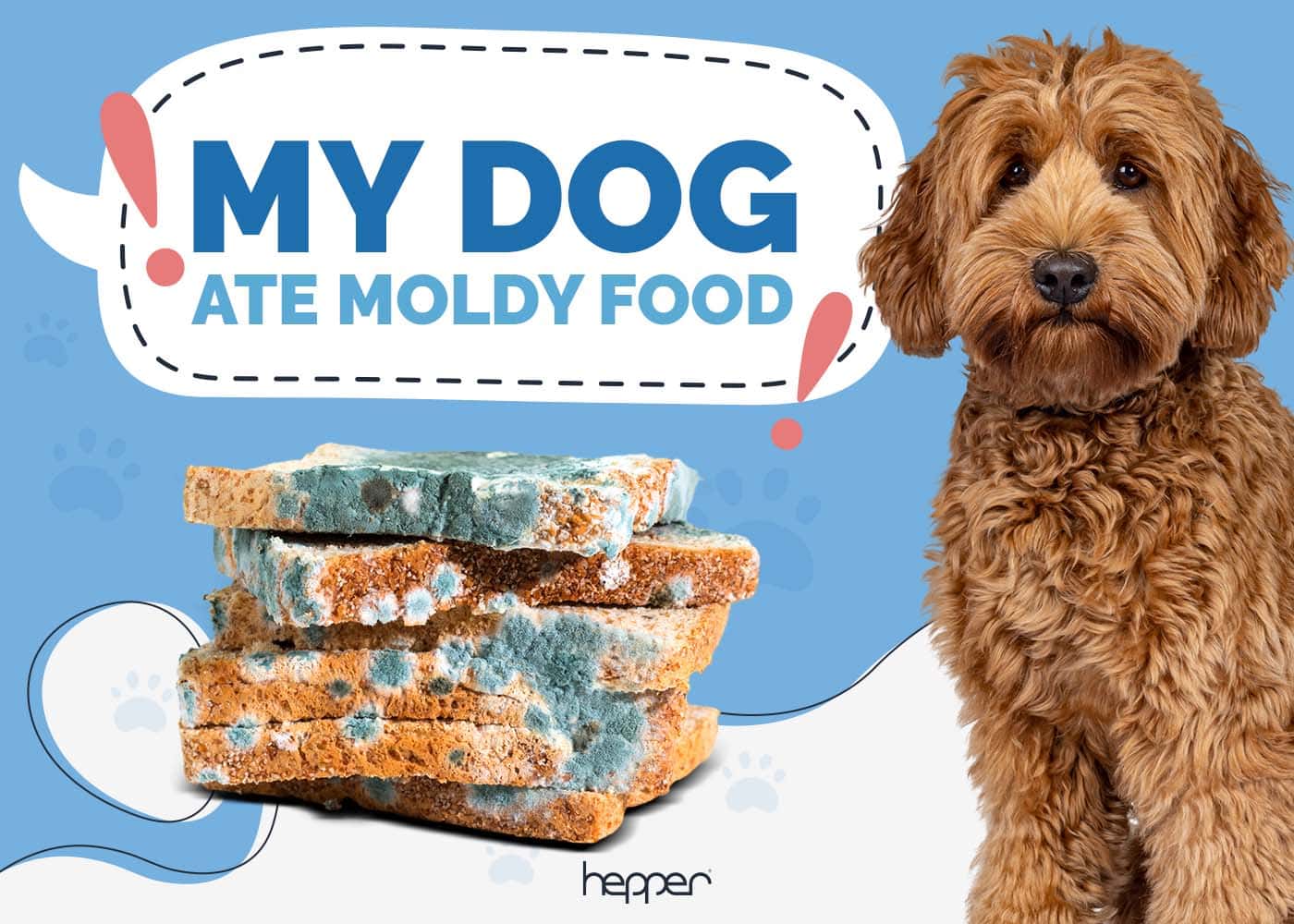
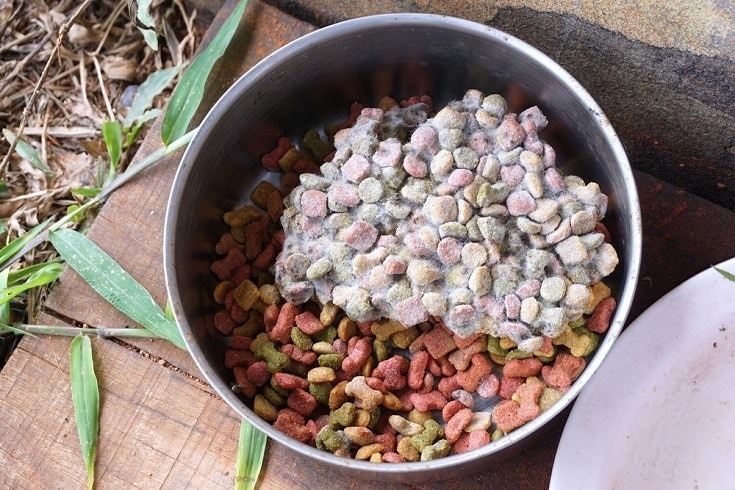
When you think about the things that could possibly harm or kill your dog, you probably have a list of usual suspects in mind: snakes, cars, eating something poisonous, etc. You probably don’t suspect their dog food is a potential culprit, though. However, every year, thousands of dogs are made sick or even killed from eating food that’s gone bad, and one of the most likely causes of these reactions is toxic mold.
What’s worse, the problem isn’t always readily apparent. It can take months of illness or altered behavior before you even begin to suspect your dog’s food, as it’s not always easy (or even possible) to spot the mold that’s making them sick.
In this guide, we’ll walk you through why mold occurs, what to look for if you suspect that it’s affecting your dog, and how to prevent it from hurting your pup in the first place.

What Causes Mold in Dog Food?
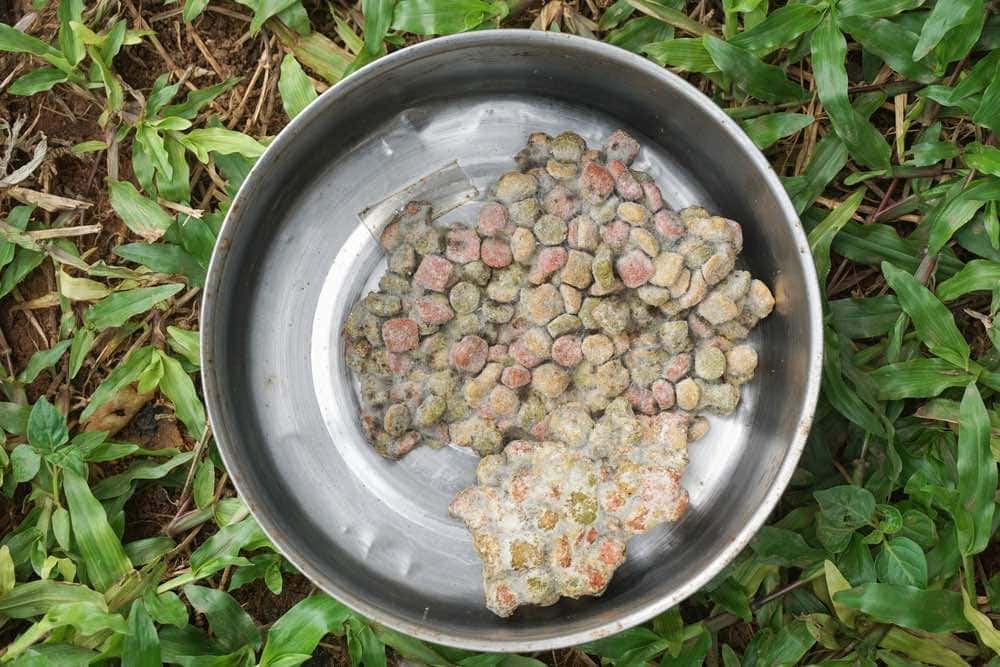
Before we get started, it’s important to note that “mold” isn’t some monolithic creature. There are different types of toxic mold—over 300,000 types, in fact—each of which is caused by different factors. The type we’re mostly concerned about, though, is a group of molds that produce toxic substances called “mycotoxins.” These are usually caused by food being stored in warm, damp conditions, and they are stable enough to survive food processing.
They’re most commonly found in pet foods that are made with corn, wheat, rice bran, and soy. These foods are usually considered cheap fillers, so there’s little reason to put them in dog food, to begin with, but their increased risk of mold toxicity makes them even worse ingredients. Poor food storage can play a role as well. If you don’t keep your food in air-tight containers, moisture can creep in, causing mold to quickly spread throughout the bag.
However, sometimes the bag will have mold in it before it leaves the manufacturing plant. This is usually due to an error during the manufacturing process, and these mishaps can often trigger large-scale recalls.
Is All Mold Dangerous?
No. As mentioned above, there are hundreds of thousands of types of mold, and most won’t affect your dog at all. Certain mycotoxins, on the other hand, can cause issues ranging from upset stomach to death. The worst mycotoxins are called “aflatoxins,” and they can cause severe liver damage, harm DNA, and cause certain cancers.
You probably won’t be able to tell the difference between a safe mold and a toxic one simply by looking at it, so you should throw out moldy food as soon as you realize that it’s been affected. However, some molds aren’t perceptible to the naked eye, so you might not have any idea that you’re feeding your dog moldy food until you start noticing certain symptoms or behavioral changes.
How Can I Tell If My Dog Has Eaten Moldy Food?
In many cases, you won’t be able to tell. That’s because your dog will either not show any symptoms, or they’ll have minor issues that they quickly get over. Since your pup isn’t being severely affected, there will be no reason for you to undertake the kind of investigation that would reveal the presence of mold.
In the case of serious mold poisoning, though, there are a few things to watch out for:
Now, many of these symptoms can also be caused by other issues, so you shouldn’t immediately point your finger at your dog’s food. However, it’s always good to weed out potential issues, so try to see if you can spot any mold before you start running expensive medical tests on your pup.
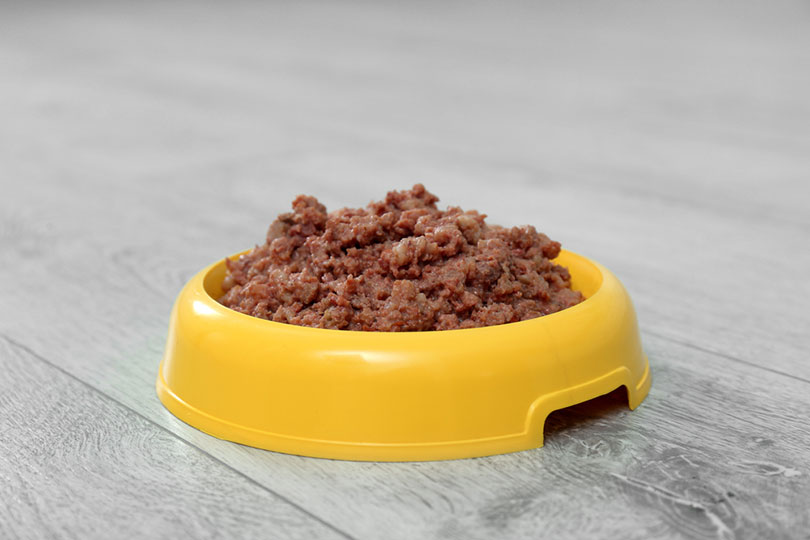
If you suspect that the food is indeed the culprit, you can take a sample of it to your vet for further analysis. This is usually quicker and easier than running tests on the dog, as many mycotoxins lack specific diagnostic markers, making them difficult to diagnose.
What Should I Do If My Dog Is Suffering From Mold Poisoning?
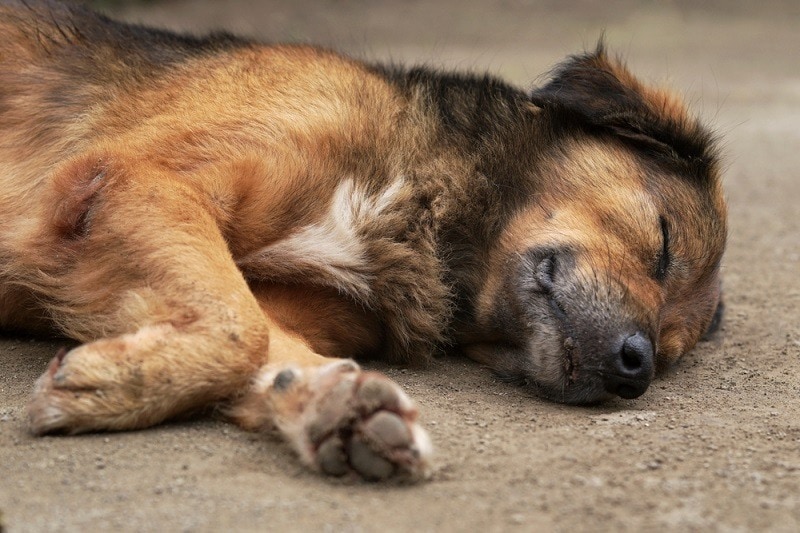
If the symptoms are severe enough, you’ll probably already be at the vet’s office. In that case, it’s simply a matter of following their instructions. Typically, vets will prescribe medications like diazepam and methocarbamol to control seizures. They may also want to flush your dog’s system with IV fluids to improve liver function, and a blood transfusion may be necessary in severe cases.
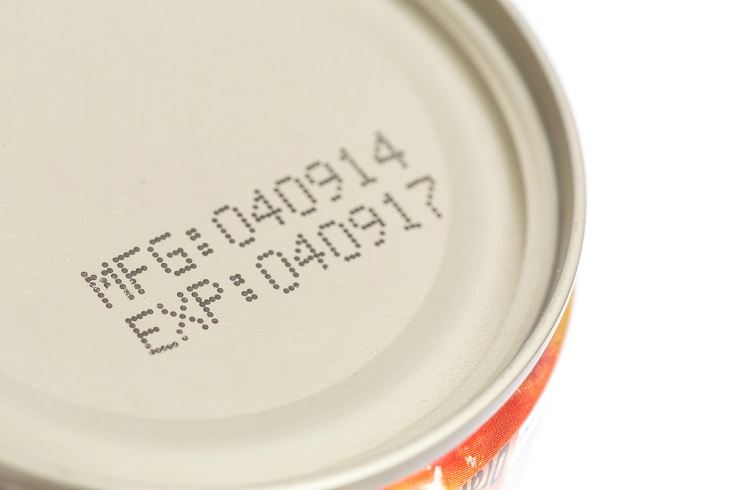
Assuming that you seek treatment in time, your dog should make a full recovery from the mold poisoning. If your dog’s symptoms aren’t severe (but you’ve confirmed that mold poisoning is what’s making them sick), then the first thing you should do is swap out their food. Check to see if there’s a recall for the food in question; if there is, you may need to switch to another brand entirely.
You may want to feed them a bland diet for a few days (boiled chicken and rice is a good option), but once they start eating clean food, the symptoms should clear up on their own.
How Do I Prevent Mold Poisoning?
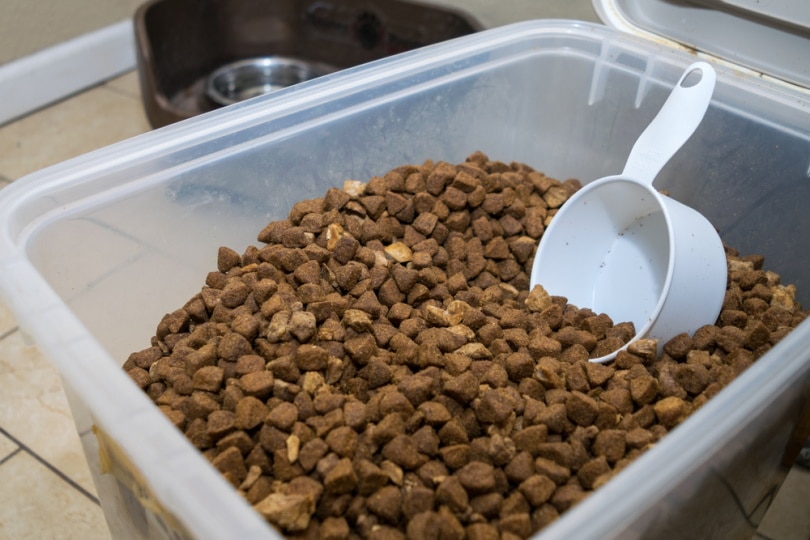
There are several steps that you can take to keep your dog safe from moldy food. The most important is to keep their food tightly sealed in an airtight container so moisture can’t get in. Consider buying smaller bags of food as well, so there isn’t a large supply of kibble just sitting there for weeks on end.
You should also be careful with your food, as many dogs can get exposed to mold by digging through old food in trash cans or composters. Buy a dog-proof trash can to ensure that your pup never has access to it.
Be careful with your recycling too. Wash out old milk bottles, and clean out any plastic containers that still have food on them. You should try to stay apprised of any possible food recalls as well. You may want to set up a Google alert for dog food recalls, or simply read industry news every few days. We aim to keep our recall list up to date in our food reviews. This should help you be one of the first to know if your dog’s food is dangerous.
Past that, all you can do is check your pup’s kibble for obvious signs of mold and try to serve them food that’s unlikely to produce mycotoxins. At some point, though, you have to just take your chances, as you’re unlikely to eliminate all mold sources.
Should I Switch My Dog to a Grain-Free Diet to Prevent Mold Poisoning?
If mold poisoning is your biggest concern in regard to your dog’s diet, then yes, switching to a grain-free diet will help minimize the risk of complications. However, it will be difficult to completely avoid the possibility of mold exposure. One recent study found that as many as 78% of animal feed was infested with mycotoxins. That makes it hard to avoid, regardless of what food you give your dog. Fresh dog food and human-grade food are less likely to be polluted with mycotoxins.
Ultimately, you should give your dog whatever food you think is best for them and their specific needs. This may well be a grain-free option, but it doesn’t have to be. Talk it over with your vet and make a decision based on your dog’s health profile.
That being said, there are solid reasons to feed your dog a grain-free diet—but there’s also an investigation into its possible link to heart disease and kidney issues. The problem is too complex for us to give you a simple answer here, so again, talk to your vet before making any decisions.
Regardless of how you come down on this issue, you should investigate any dog food that you’re thinking about buying for recalls in the past. One or two incidents may be acceptable, but if you see a consistent history of shoddy manufacturing, you probably shouldn’t trust any foods that the company makes.
Take Mold Seriously, But Not Too Seriously
Mold exposure can be a serious health issue for your dog, especially if they're subjected to large amounts over an extended period of time. However, it’s not something that should keep you up at night. As long as you’re not seeing any symptoms of illness or distress from your dog, there’s no reason to worry about mold poisoning (assuming that the food you’re feeding them hasn’t been recalled, and is properly stored of course).
Generally speaking, you should only worry about mold poisoning if your dog is showing signs of illness that can’t be explained otherwise.
It’s a good idea to have your vet inspect your dog’s food before they run a battery of tests, as doing so could save you a bundle of money—not to mention save your best friend from a bunch of unnecessary poking and prodding.

Conclusion
In short, if you see any mold on your pet's food, it is best to avoid feeding it to them. While in most cases, your dog will likely be fine, mold is best avoided as it can potentially cause serious issues. If you have any questions or if your dog has eaten moldy food and you are concerned, it's best to speak to a veterinarian.
Featured Image Credit By: SOORACHET KHEAWHOM, Shutterstock
Get Hepper In Your Inbox


Pet care tips from our vets and experts, straight to your inbox.
You may opt-out at any time. View our Privacy Policy for more information.
Nicole is a lover of animals of all sizes but is especially fascinated with the feline variety. She’s the proud mom of Baby, a Burmese, and works every day so he can relax in the sunshine or by the fire. She’s always had a cat in her home and has spent countless days with others, observing behaviors and softening up even the grouchiest of the lot. Nicole wants to share her kitty expertise with you so you and your cat can live happy, healthy, and care-free.
Join the conversation
Ask a question, share your story, or send private feedback.