Hepper is reader-supported. When you buy via links on our site, we may earn an affiliate commission at no cost to you. Learn more.
My Cat Ate a Poisoned Mouse, What Should I Do? Vet Approved Advice


In this article
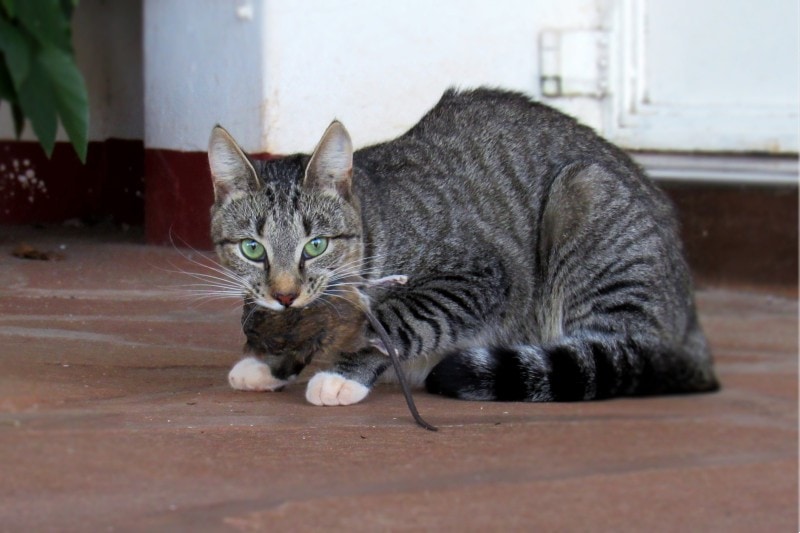
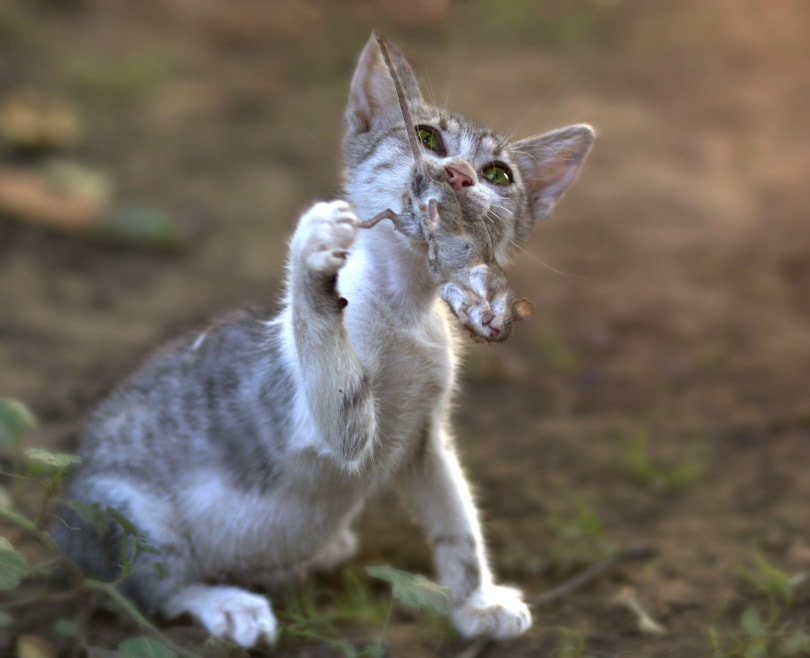
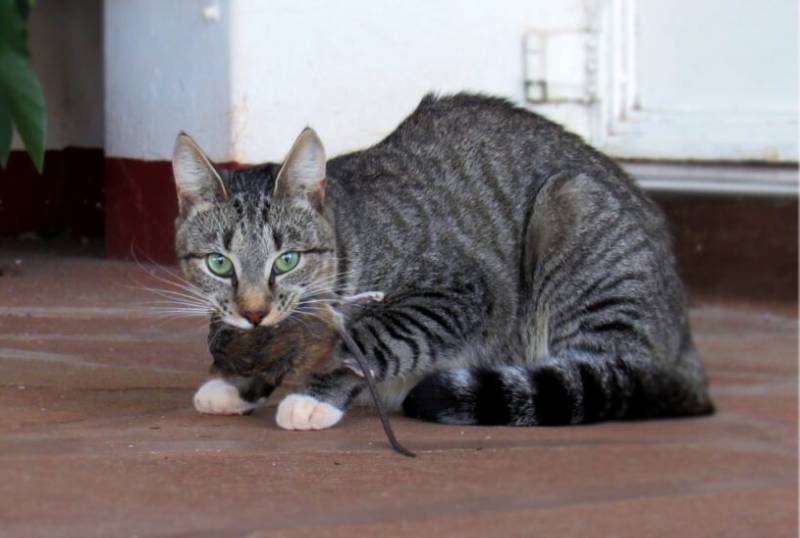
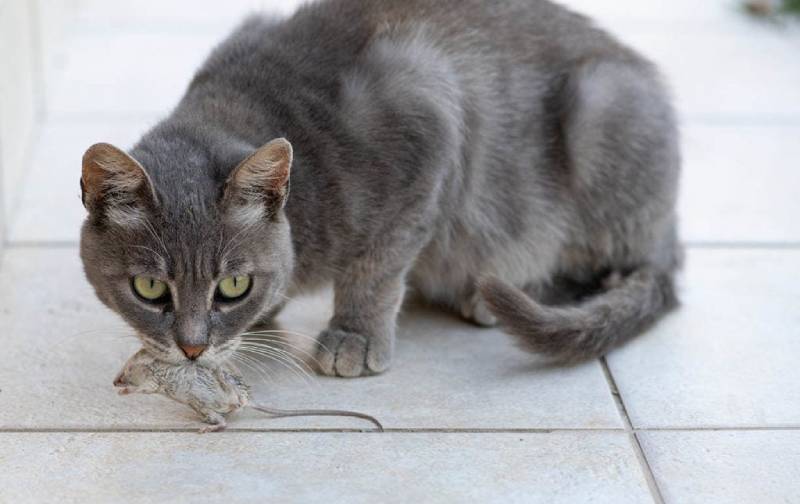
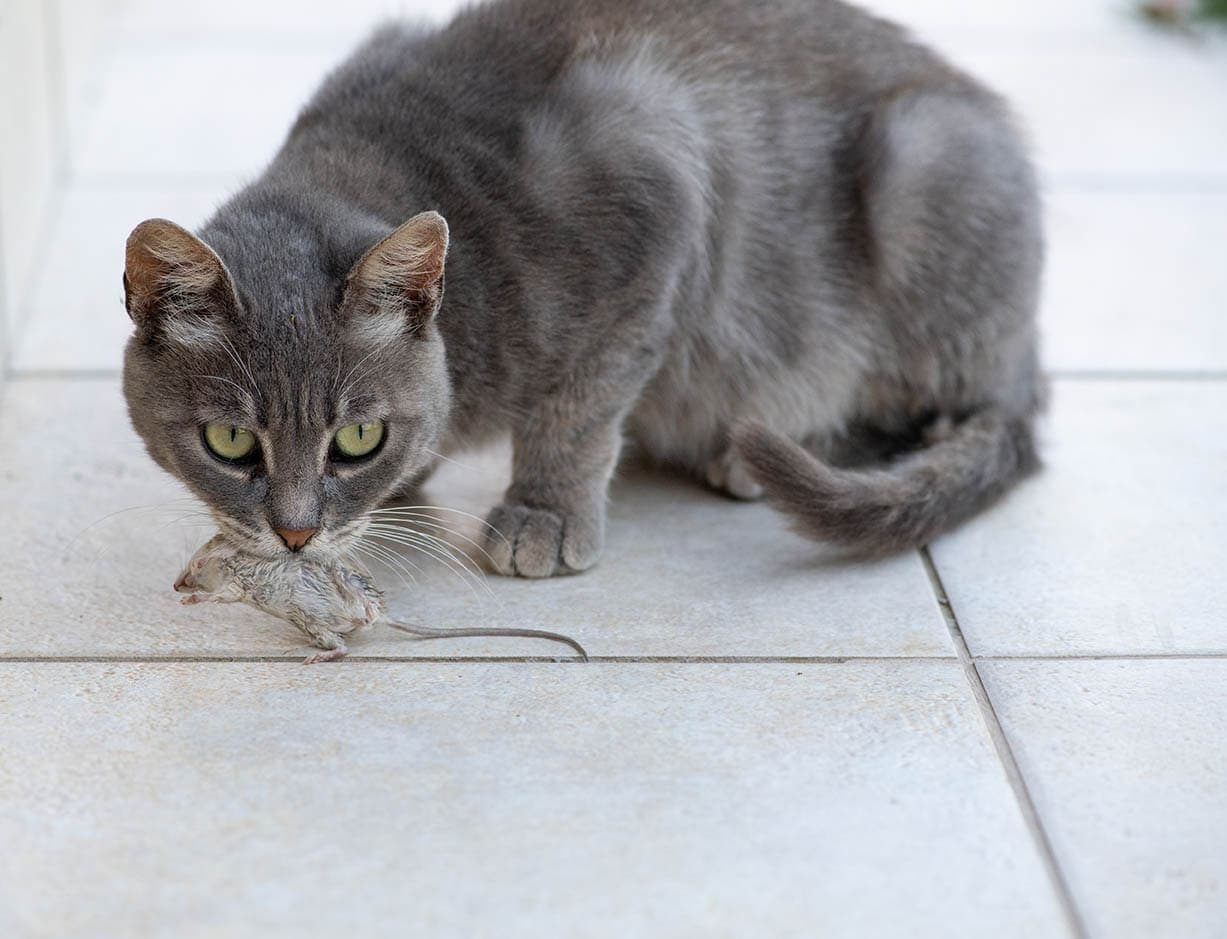
Relay toxicosis, or secondary poisoning, occurs when an organism comes into contact with or eats another organism with poison in its system. If your cat eats a single poisoned mouse, it’s unlikely it will have consumed enough poison for it to become an issue.
However, if your cat repeatedly eats poisoned rodents, it’s possible they could suffer adverse effects. Keep reading to discover what to do if your cat eats a poisoned mouse.

What Happens If My Cat Eats a Poisoned Mouse?
According to PetMD, cats that eat numerous poisoned rodents over time could be at higher risk of toxicity as the toxins can build up in their tissues. Still, it is unlikely that your kitty would suffer any lasting consequences if they’ve eaten just one mouse once.
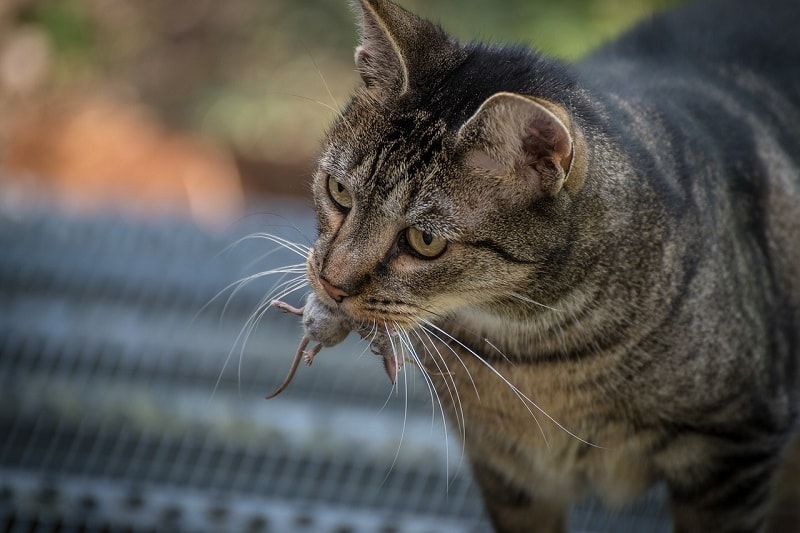
The cats that seem more at risk of relay toxicosis are excellent mousers or those whose diets are composed mainly of rodents, such as barn cats. Studies also show that those that are geriatric, young, or with pre-existing diseases may be more susceptible to toxicosis.1
That said, it is difficult to know what rodenticide was used in the rodent bait, especially if it’s your neighbor’s using the poison. If you know your pet has eaten a rodent that could have been poisoned, it’s best to call your veterinarian for further advice. They will likely recommend that you bring your kitty in for testing and observation to be on the safe side.
Does the Rodenticide Used Matter?
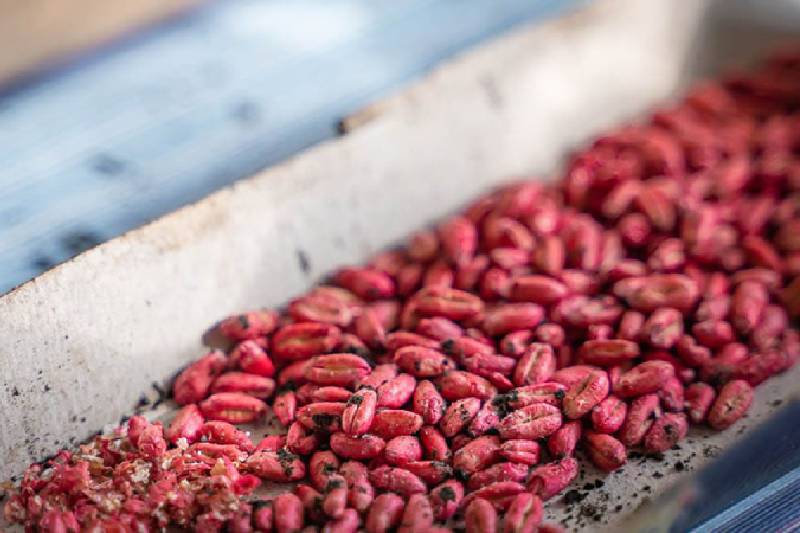
Yes, it does. There are three main types of rodenticides.
- Anticoagulant rodenticides interfere with the rodent’s ability to recycle vitamin K in its body, ultimately causing coagulopathy, a bleeding condition that prevents blood clotting.
- Bromethalin is a non-anticoagulant neurological toxin that affects a rodent’s brain, causing swelling and loss of functioning.
- Vitamin D3 (Cholecalciferol) causes elevations in blood calcium and kidney failure. Unfortunately, according to the Pet Poison Hotline, it has no antidote and is one of the most challenging poisoning cases to treat.
Anticoagulants
Anticoagulants can be further broken down into first-generation and second-generation.
The first-generation anticoagulant rodenticides (e.g., Warfarin, Chlorophacinone) require rodents to consume the bait for several feedings before receiving a lethal dose. There is generally less risk of secondary poisoning with this type of anticoagulant as they’re less toxic, and the poison won’t be in the rodent’s body after several hours.
Second-generation anticoagulants (e.g. Brodifacoum, Bromadiolone) are more potent and can deliver a lethal dose in one feeding, making the risk of secondary poisoning moderate to high.
Bromethalin
Non-anticoagulant rodenticides, like bromethalin, require only a small amount for the rodent to die. Cats are more sensitive to bromethalin toxicity than dogs are.
Vitamin D3
A study from New Zealand shows that most dogs and cats fed carcasses of possums poisoned with vitamin D3 were unaffected. However, note that “low risk” does not mean “no risk.”
Repeat exposure can induce some reversible signs of toxicosis in dogs. However, the study suggests that vitamin D3 poses a lower risk of secondary poisoning, especially compared to other poisons like brodifacoum.

Summary
While secondary poisoning is rare, it’s not entirely unheard of. So if you have any concerns that your cat may have ingested a poisoned rodent such as a mouse, it’s best to contact your vet for advice.
If you use rodent poison in or around your home, consider other forms of rodent control, such as catch-and-release traps. If you must use rodent poison, bury or incinerate carcasses daily or, better yet, keep your beloved cats safe inside when poisoned critters may be available.
Sources
Featured Image Credit: Jumpstory
Get Hepper In Your Inbox


Pet care tips from our vets and experts, straight to your inbox.
You may opt-out at any time. View our Privacy Policy for more information.
Chantelle's life revolves around two passions: writing and animals. Raised on the prairies of Canada amidst a menagerie of pets, she now lives with five cats, two guinea pigs, and a bearded dragon. Together with her husband and child, Chantelle delights in being an exemplary animal parent, going as far as installing wall-mounted cat shelves to give their cats an indoor playground. When she's not cozying up with her cats or snapping their amusing antics, she enjoys venturing into the Rocky Mountains, binge-watching her favorite Netflix shows, and indulging in spontaneous reading adventures.
Join the conversation
Ask a question, share your story, or send private feedback.