Hepper is reader-supported. When you buy via links on our site, we may earn an affiliate commission at no cost to you. Learn more.
How Long Do Tree Frogs Live? Vet-Verified Lifespan, Data & Care


In this article
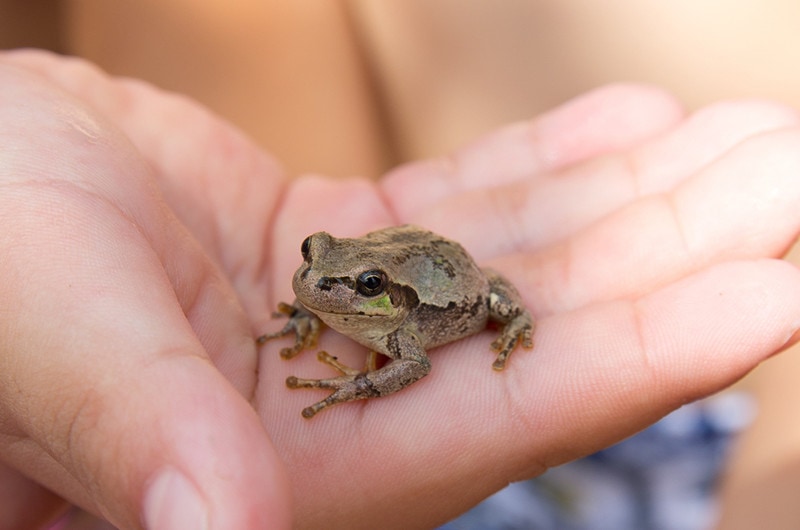
Tree frogs are fascinating creatures, known for their unique adaptations and vibrant colors. You can find them in various habitats worldwide, from tropical rainforests to rainwater guttering. One thing that many people wonder about is how long tree frogs live. Tree frogs live around 3–6 years on average, but that can vary considerably based on the species and other factors. Keep reading as we look into several species of tree frogs to see how long they live and discuss the factors that can affect their lifespan.

Tree Frog Varieties
30 varieties of tree frogs are native to the United States, and more than 800 exist worldwide. While their size can vary significantly—from less than 1 inch to more than 5 inches long—they tend to be small enough that leaves and branches can support their weight, though, despite their name, not all varieties live in trees.
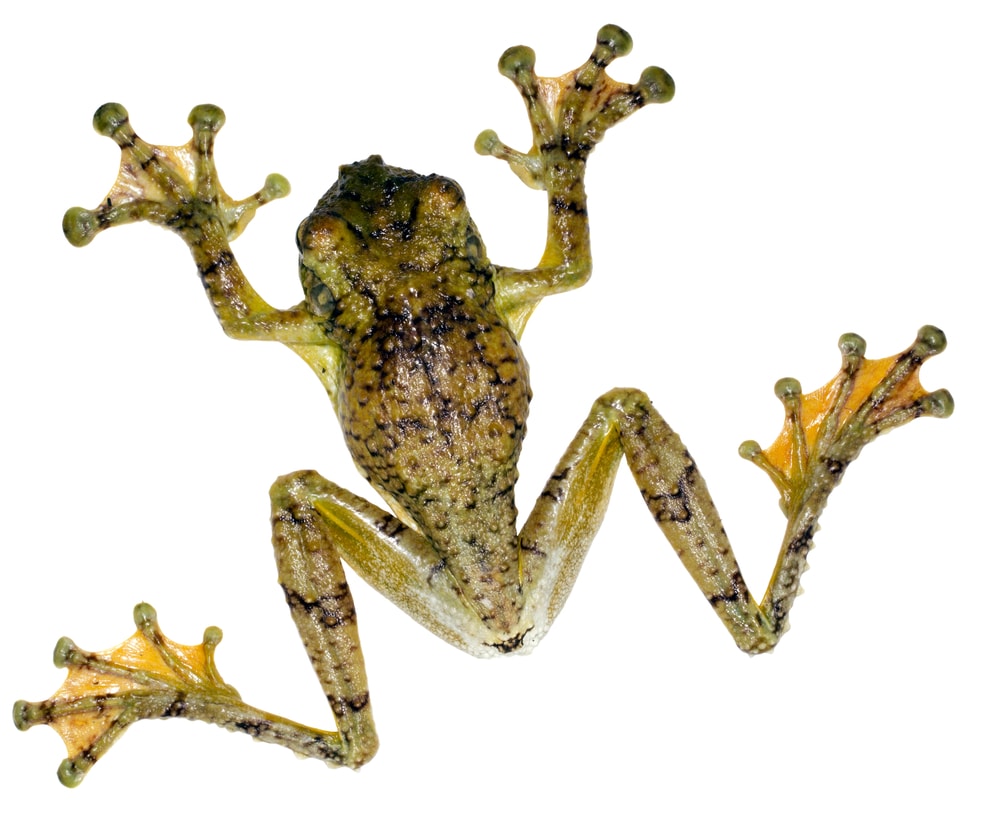
The last bone in their toes - the terminal phalanx - is what classifies them as tree frogs. It has a claw shape that they can use for climbing, making it easier to traverse trees. Most tree frogs in the United States are brown, gray, or green, but you can find other colors elsewhere.
Short-Lived Tree Frogs
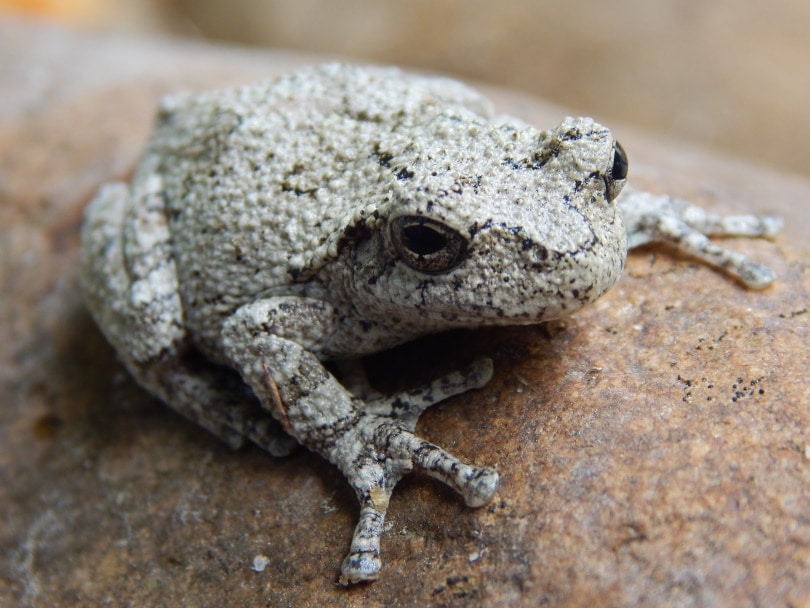
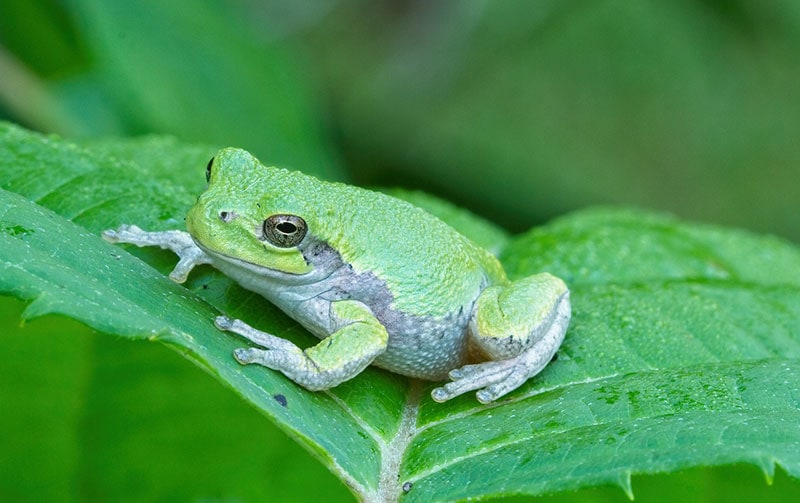
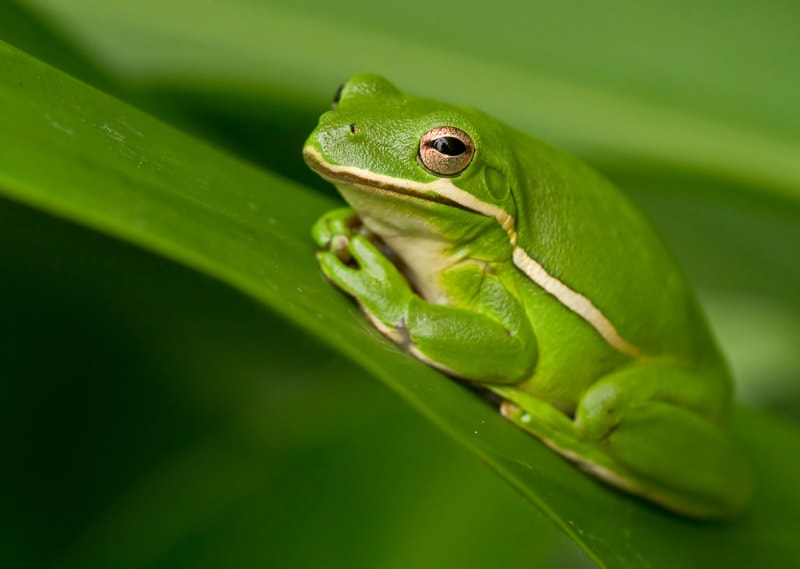
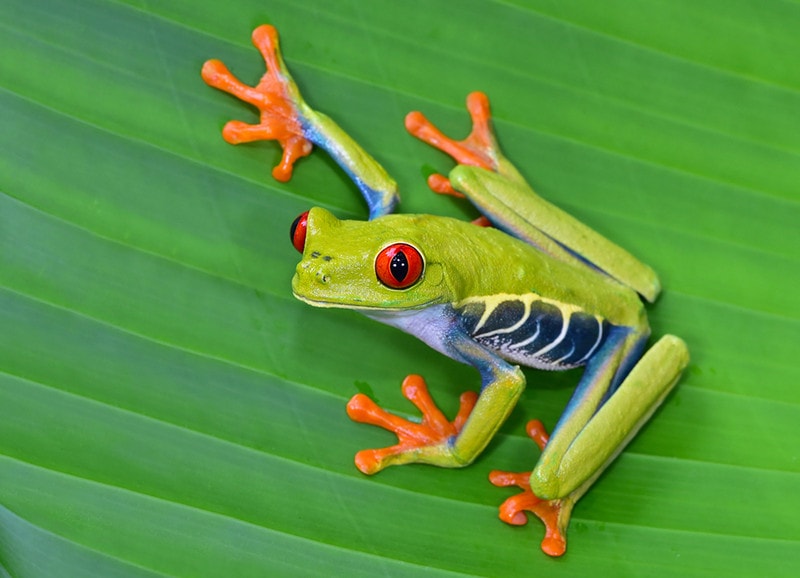
Several tree frog species have relatively short lifespans, typically 1–5 years. These short-lived species often inhabit environments with high predation rates, limited resources, or harsh climates. For example, the Green Tree Frog has a lifespan averaging 4–6 years. This frog is widespread and easy to find throughout the southeastern United States. Other short-lived tree frogs that you can find in America include the Spring Peeper, Barking Tree Frog, Gray Tree Frog, and Squirrel Tree Frog.
| Species | Average Lifespan in Years |
| Green Tree Frog | 4–6 |
| Spring Peeper | 3–4 |
| Barking Tree Frog | 3–5 |
| Gray Tree Frog | 3–6 |
| Squirrel Tree Frog | 3–5 |
Tree Frogs With a Moderate Lifespan
Many tree frog species fall into the category of having a moderate lifespan, living between 5 to 10 years. Factors like favorable environmental conditions, few predators, and food availability contribute to their longevity. For example, the Cope's Gray Tree Frog can be found in the eastern and central regions of North America, and they have an average lifespan of about 6–8 years. Other frogs with a moderate lifespan include the Canyon Tree Frog, Mountain Tree Frog, Boreal Chorus Frog, and Bird-Voiced Tree Frog.
| Species | Average Lifespan in Years |
| Cope's Gray Tree Frog | 6–8 |
| Canyon Tree Frog | 7–9 |
| Mountain Tree Frog | 6–8 |
| Boreal Chorus Frog | 5–8 |
| Bird-Voiced Tree Frog | 6–8 |
Long-Lived Tree Frogs
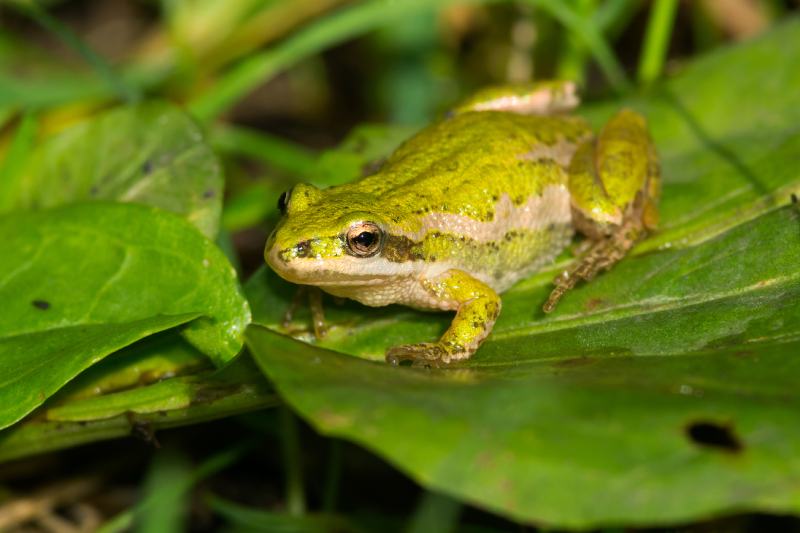
While most tree frog species in North America have moderate or relatively short lifespans, a few are considered long-lived compared to their counterparts. The Pacific Tree Frog is one example and has an average lifespan of 7–9 years, and you can find them all along the western coast of North America, from California to Alaska. Another long-lived American tree frog is the Cuban Tree Frog, which can sometimes live up to 20 years.
| Species | Average Lifespan in Years |
| Pacific Tree Frog | 7–9 |
| Cuban Tree Frog | Up to 20 |
What Factors Can Affect the Lifespan of a Tree Frog?
Species
Different tree frog species have inherent genetic traits contributing to their overall lifespans. Some species naturally have short lifespans, while others have the potential to live longer. Genetic variability within populations can influence tree frogs' overall health and resilience. Genetic factors can also affect a frog's ability to resist diseases, cope with environmental changes, and adapt to varying conditions, ultimately influencing their lifespan.
Habitat
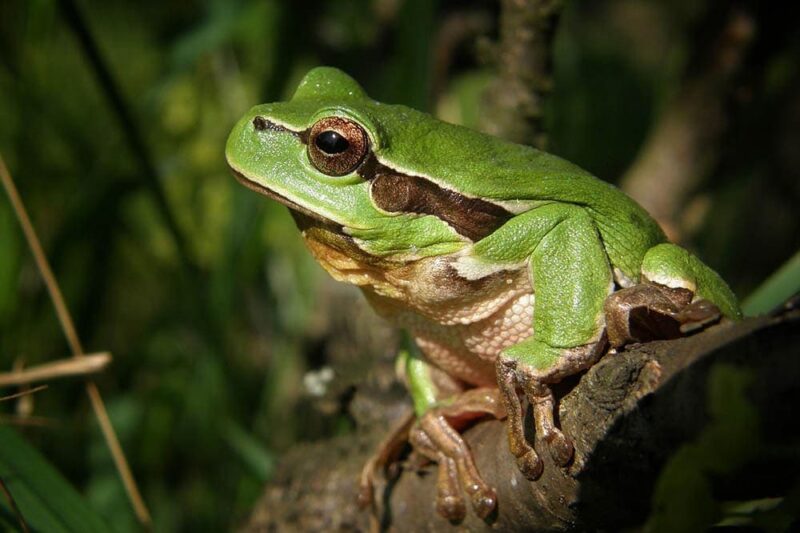
The environment in which a tree frog lives plays a significant role in their lifespan. Factors like temperature, humidity, availability of suitable breeding sites, and access to food sources can affect their overall health and longevity. Frogs living in stable, well-preserved habitats with abundant resources tend to have longer lifespans than those with fewer resources.
Predators
Predators are a major factor that influences the lifespans of tree frogs. Species that face a higher predation risk, either as tadpoles or adults, generally have short lifespans. Predators like birds, snakes, mammals, and other amphibians can significantly impact frog populations, especially in areas where predators are abundant.
Disease and Parasites
Tree frogs are susceptible to various diseases, viral infections, bacterial infections, and parasitic infestations that can significantly impact their lifespans. Certain conditions like chytridiomycosis, caused by the chytrid fungus, have caused declines, even extinctions, in amphibian populations worldwide.
Environmental Stressors
Environmental stressors like pollution, habitat loss, and climate change can negatively impact the health and longevity of tree frogs. Increased exposure to pollutants, changes in temperature and precipitation patterns, and loss of suitable habitats can weaken their immune systems, increase their susceptibility to diseases, disrupt their life cycles, or send them into dangerous environments looking for new homes.
Access to Resources
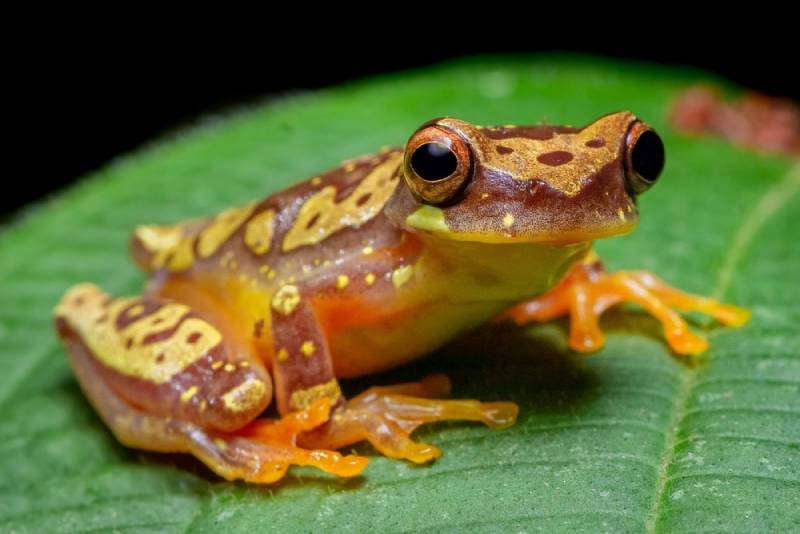
The availability and accessibility of food sources, suitable breeding sites, and shelter play a role in tree frogs overall health and lifespan. Adequate access to resources ensures proper growth, reproductive success, and survival, while habitat destruction can reduce or eliminate their access to important resources.
The Life Stages of a Tree Frog
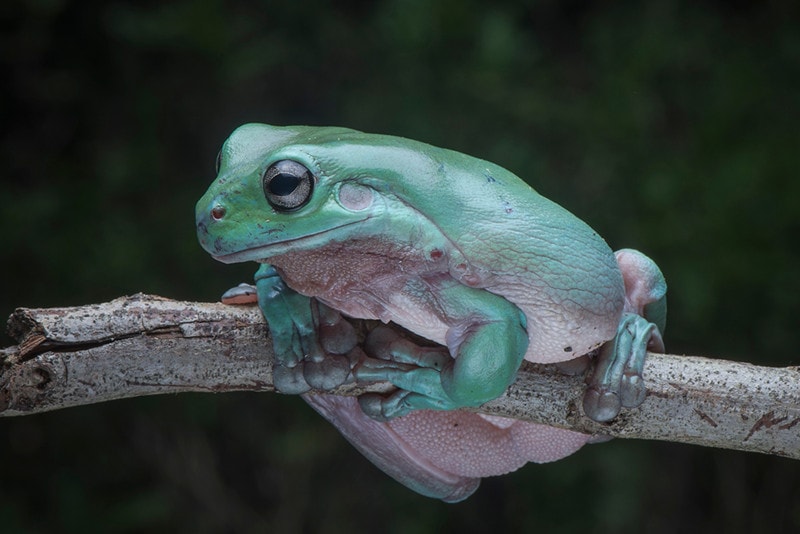
Typically living up to 6 years in an enclosure, the American green tree frog (Hyla cinerea) has a relatively short lifespan and undergoes several life stages during this period, which means some of them can pass by very quickly. For other frogs, how long each stage lasts depends on the species. Poor nutrition and health can also impact their development.
1. Egg
A single female can lay as many as 500 eggs at a time and the frogs hatch about 5 days after fertilization.
2. Tadpole
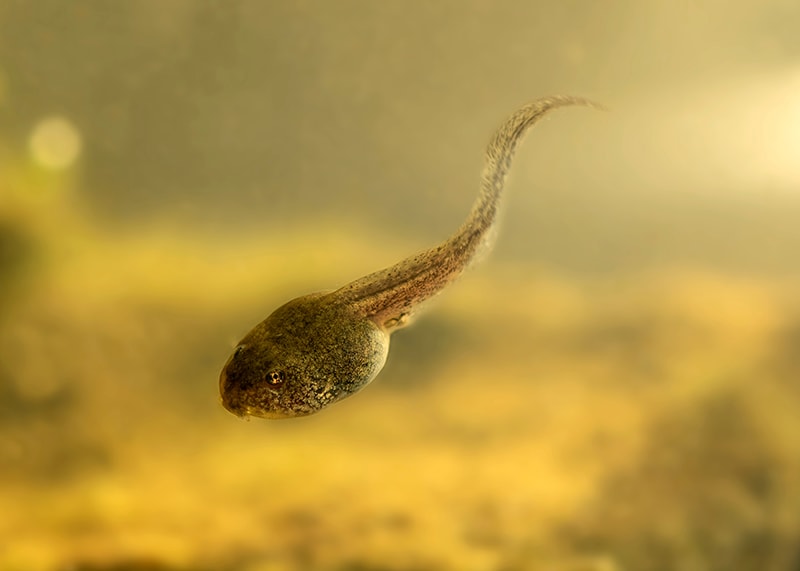
As soon as tadpoles emerge from the eggs, they will scavenge for food including algae and dead vegetation. After approximately 6 weeks, the tadpoles will start to grow hind legs. After around 10 weeks, the tadpoles transition to froglets.
3. Froglet
At 10 weeks, the front legs will be developed, and the young frogs will form lungs, which means they can venture onto land. The tail of the tadpole is slowly absorbed into the body.
4. Adult
Once the tail has been absorbed and the frogs are regularly moving between water and land, they are adult frogs, and will stay in this stage for several years. These critters reach sexual maturity at 2 years, at which point they can lay or fertilize eggs.
How to Tell Your Tree Frog’s Age
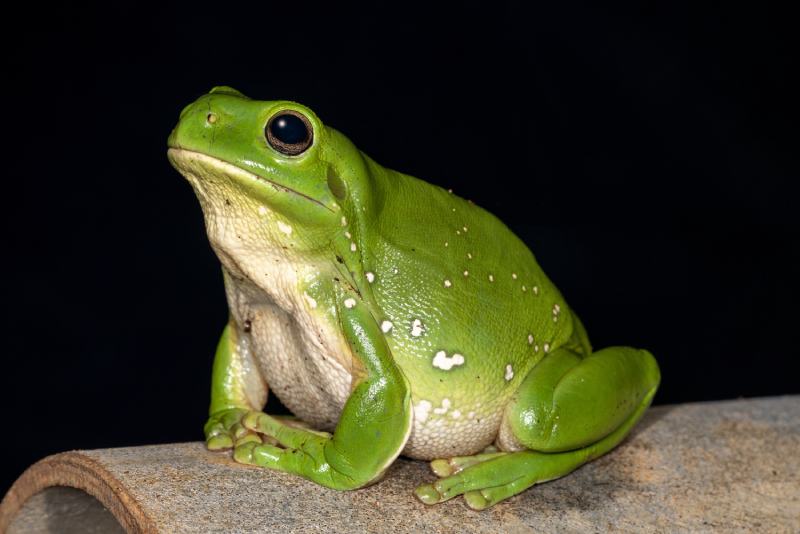
Once a frog reaches adulthood it can be very difficult to determine the frog’s age. Look for any remaining signs of the tail, which will have disappeared after several months. If there is a tail, determine how well-developed the front legs are.
Short front legs indicate an age of about 10 weeks while fully developed front legs are visible after several months. Size is not the best indication of a frog’s age because it is so heavily influenced by diet and even living conditions.
Fred, the Australian Green Tree Frog
Back in 1977, a three-year-old boy rescued a frog he found having trouble at a campsite. Chris Humfrey, who would grow up to become a popular television zoologist, shared his home with Fred, the Green Tree Frog, for over 40 years, making Fred the oldest frog on record. Sadly, Fred passed away in 2022, 45 years after Chris first brought him home. Incredible.
Summary
With so many different species of tree frogs out there, even in just the United States, it can be difficult to pin down an overall average lifespan. However, since the short- and moderate-lived varieties are the most abundant, an average age of 3-6 years is a commonly used figure. Many common varieties, including the Green Tree Frog and Grey Tree Frog, live about this long, and even moderate-lived frogs, like the Boreal Chorus Frog, will struggle to live beyond the average. A habitat that is low in predators and rich in resources can help tree frogs live longer, with many outliving the average, especially in captivity.
Sources
Featured Image Credit: Kurit ashen, Shutterstock
Get Hepper In Your Inbox


Pet care tips from our vets and experts, straight to your inbox.
You may opt-out at any time. View our Privacy Policy for more information.
Ed Malaker is a veteran writer who has contributed to a wide range of blogs that cover pets, tools, guitars, fitness, and computer programming. When he’s not writing, Ed is usually performing DIY projects around the house or working in the garden. He’s also a musician and spends a lot of time helping people fix their guitars and composing music for independent films.
Join the conversation
Ask a question, share your story, or send private feedback.