Hepper is reader-supported. When you buy via links on our site, we may earn an affiliate commission at no cost to you. Learn more.
How Long Does It Take for Tadpoles to Turn Into Frogs? Vet-Approved Info


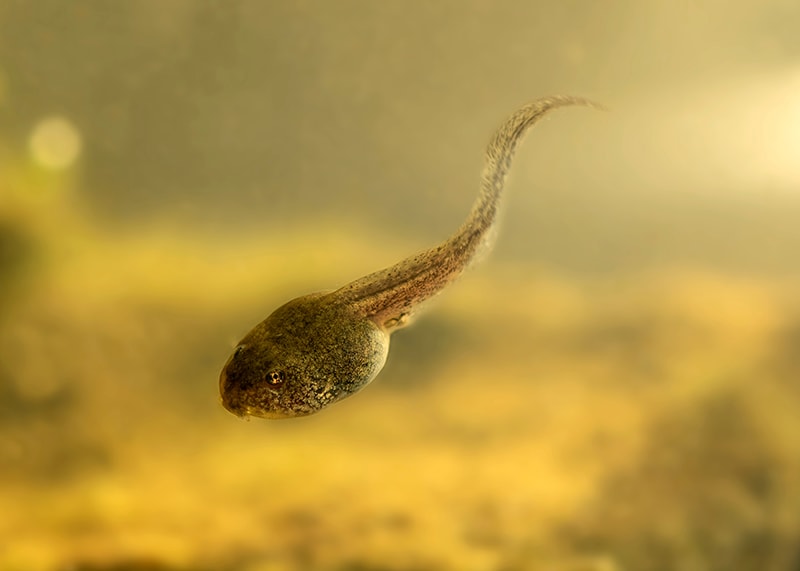
The transformation of a tadpole into an adult frog (called metamorphosis) is one of the most complex and stunning in the animal kingdom. During this process, a tadpole will completely change its entire body, with virtually every organ being reconstructed somehow. Naturally, a process as complex as this takes time; while some species are outliers, tadpoles typically take around 14–16 weeks to turn into tiny, perfectly-formed frogs (called froglets) and another 1 to 3 years to mature sexually.
The exact amount of time each tadpole species takes to progress through metamorphosis can vary; larger species, such as American Bullfrogs, can take up to 3 years to fully metamorphose in colder climates. Climate plays a factor in some species, as showcased in the Bullfrog. Warmer Bullfrog tadpoles take only 3 months to change entirely. The temperature is incidental to the time taken to metamorphose in tadpoles. The study shows that a higher temperature is needed for all the metabolic changes during metamorphosis.1

What Is Metamorphosis?
Metamorphosis is the complete transformation of one thing to another, in this case, from a frog's larval stage (the tadpole) to an adult frog. Metamorphosis can also be seen in other creatures, such as moths and butterflies (from caterpillars). In frogs, metamorphosis means a tadpole's entire body is changed and rearranged during their development from larva to adulthood. Metamorphosis means "transformation" and is only applied to the biological changing of one form to another.
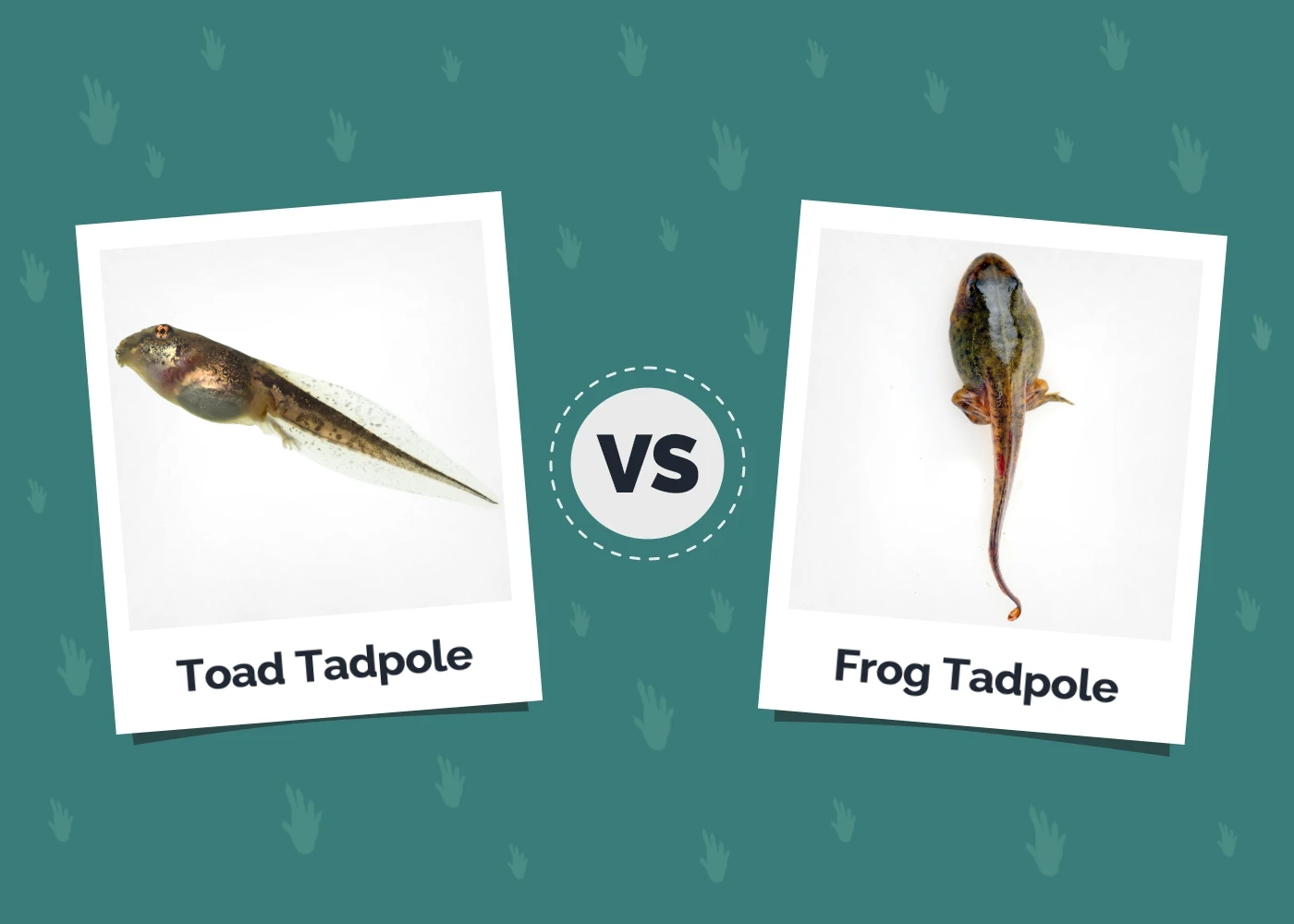
During metamorphosis, tadpoles will go through a series of changes dictated by two hormones: thyroxine and prolactin. The thyroid gland makes thyroxine and prompts the tadpole to begin changing. The tadpole's body will slowly resorb structures such as gills and fins as it'll no longer have a use for them, and the result is a tiny froglet that is a perfect copy of a larger, fully mature frog.
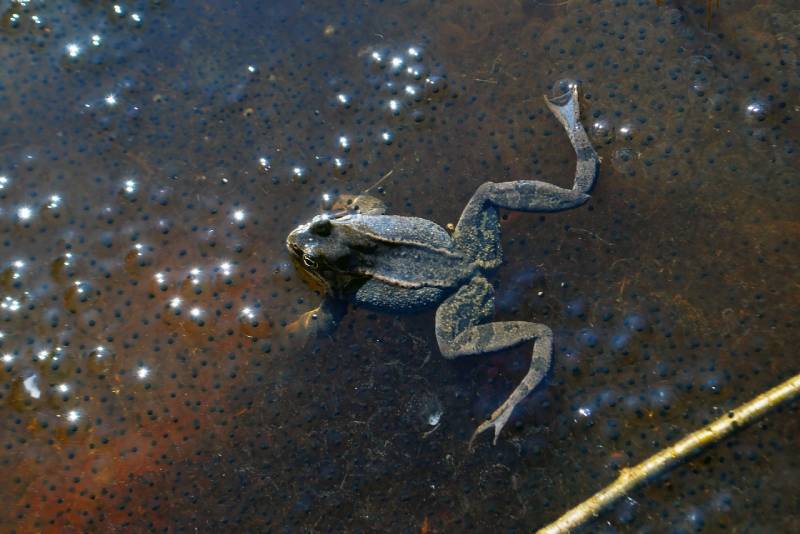
Why Do Tadpoles Go Through Metamorphosis?
Tadpoles undergo a metamorphosis since they must switch from aquatic living to a terrestrial environment. Tadpoles have many unique adaptations that allow them to live in the water permanently, such as gills, a tail, and special teeth. Frogs need legs and lungs to move and breathe on the land, so a tadpole must trigger the necessary changes in its body to allow it to come out onto land.
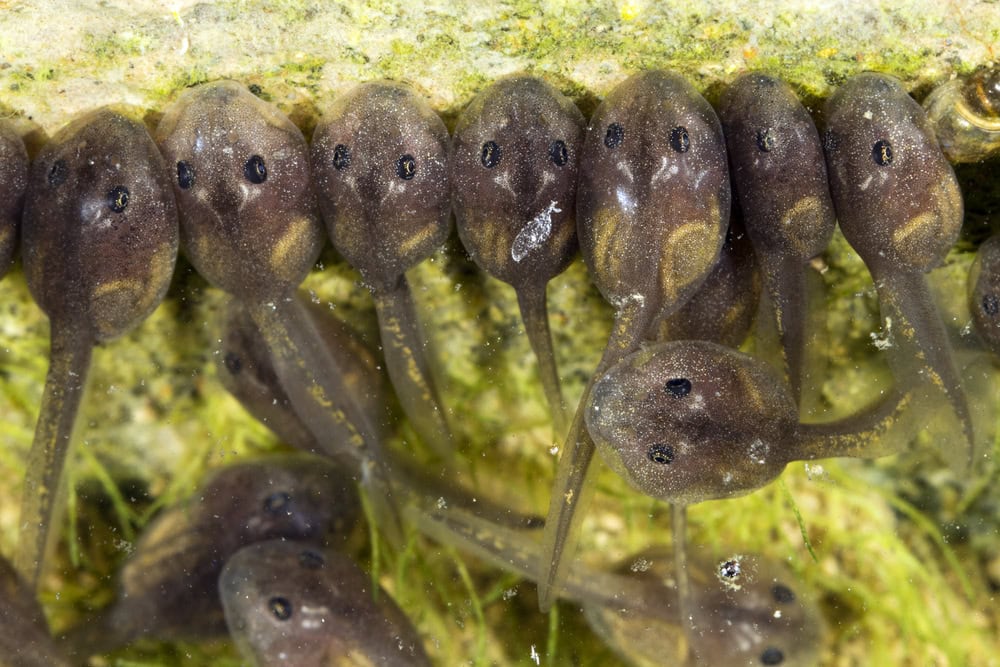
At the beginning of its life, a tadpole will hatch with gills, a long tail, and a spiral-shaped mouth with rasping teeth. They also have a rounded head, and a sensory line runs down a new tadpole's back to help it sense its surroundings in the water. They have eyes, but they're not fully developed and won't mature until metamorphosis.
Tadpoles go through the following changes during metamorphosis:
- Lungs form, and gills are covered with a sac
- Short, stubby front legs form under the gills
- Shortening of the gut to go from herbivorous to carnivorous
- Resorption of the spiral-shaped mouth
- Jaws are developed, and gills are completely resorbed
- A tongue is grown
- Legs sprout and grow together with arms
- Eyes develop
- Tail is resorbed
- Complete neural re-networking in the brain and body
All these changes help the froglet crawl out onto land as an air-breathing, carnivorous animal.
The Frog Life Cycle: From Egg to Frog
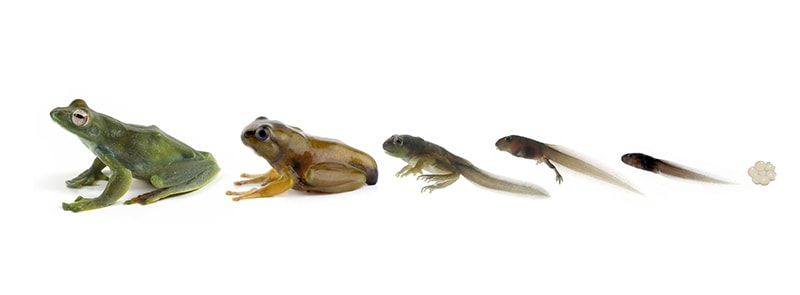
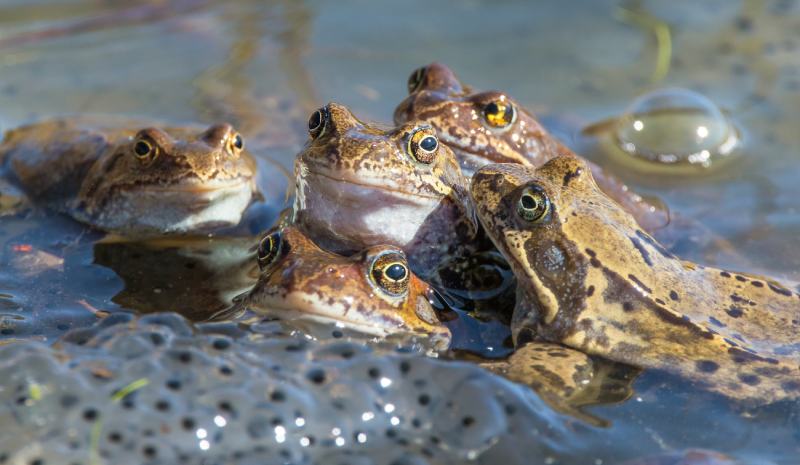
To understand precisely what a tadpole is and what metamorphosis does, we need to look at the frog life cycle. Frogs start as eggs (frog spawn) which take many shapes and sizes. Parent frogs protect the frog spawn, but some adhere to the side of a body of water, and some float freely, depending on the frog species. When these eggs hatch into tadpoles, each will be a different size depending on the species. Tadpoles are in the larval stage of frogs. From here, hormone release begins to trigger changes (sometimes immediately from hatching), and the tadpoles will begin to change over weeks or months.
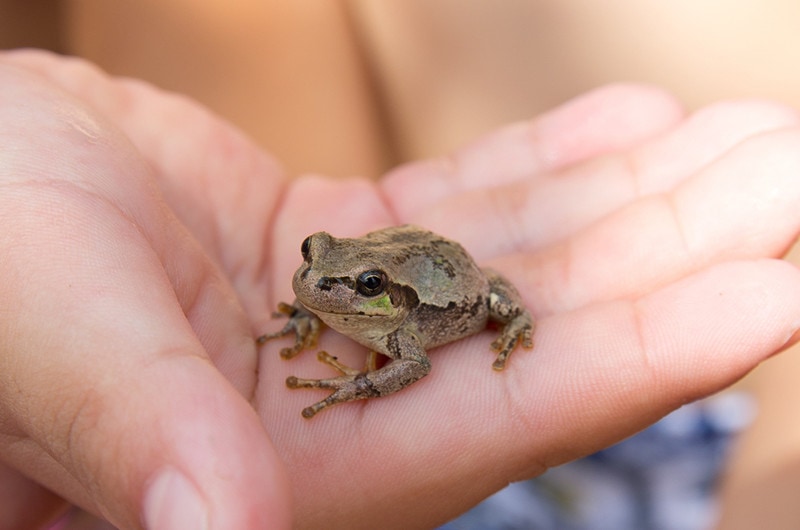
The long tail is often the last thing to go, and froglets will begin to exit the water to continue their growth. Froglets can sometimes keep the ends of their tails for some time once they leave the water. Then, complete maturity is reached within weeks to years (depending on breed), and the adult frogs will search for a mate to begin the life cycle again.
Why Is My Tadpole Not Turning Into a Frog?
Environmental or physiological factors can sometimes affect a tadpole's ability to metamorphose. If the weather or water temperature is too cold, your tadpole may halt its development into a frog until conditions get warmer. This reason also coincides with food availability for tadpoles, as food such as algae flourishes in warmer weather and seasons. Some tadpoles can "overwinter" and only trigger the hormonal changes that turn them into frogs when food is more available and there's enough warmth to survive.
There may also be physiological reasons why your tadpole isn't changing. If your tadpole has a defect, the thyroxine levels might not be high enough to trigger metamorphosis; they'll stay a tadpole forever. However, that isn't the end for the tadpole; tadpoles that don't turn into frogs can still survive in the form they're in, sometimes even for years.
How Can You Tell How Old a Tadpole Is?
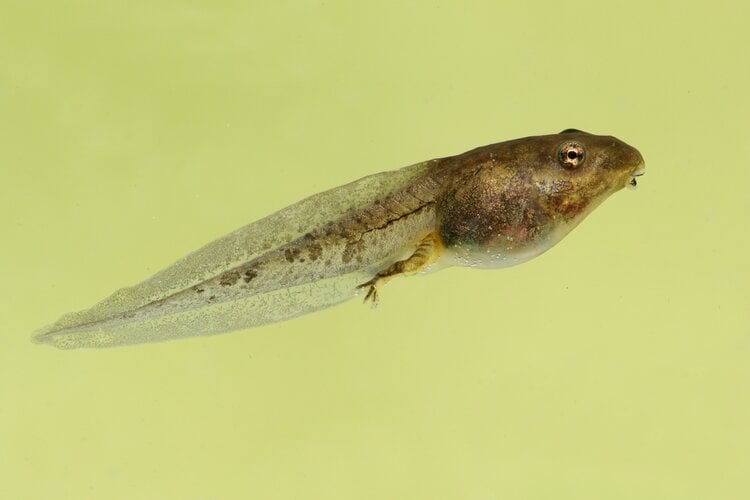
You can tell how old a tadpole is by the stage of metamorphosis it's at. Despite some changes and variations, the average tadpole will complete metamorphosis in steps that can be followed, which gives a good indication of age.
- Tadpoles that have just hatched and have not begun to change will have gills and a long tail, no limbs, and will eat vegetation only; these tadpoles are usually under 4 weeks old.
- Changes will occur from 4 to 8 weeks, such as the external gills being replaced by internal gills. Skin coloring changes can also happen in this window.
- From the age of 8 weeks to around 12 weeks old, limbs will begin to form (usually hind limbs first) via buds from what ends up as the knee joint.
- From 12 weeks onwards, the limbs will be completely formed, and the tadpole will resorb its tail.
- At 16 weeks, most tadpoles will be fully formed (but tiny) froglets.
Final Thoughts
Tadpoles undergo complex changes to become frogs, from herbivorous (in most cases) and fully aquatic animals to carnivorous, land-dwelling frogs. Some frogs can take up to 3 years to mature fully once transformed from a tadpole into a froglet, and tadpoles can self-delay their metamorphosis if conditions in their pond or body of water aren't ideal. The complexity of nature is astounding, and tadpoles rapidly changing their entire anatomy to turn into frogs is one of the most drastic changes in the animal kingdom!
See also:
Sources
Featured Image Credit to: Deborah Lee Rossiter, Shutterstock
Get Hepper In Your Inbox


Pet care tips from our vets and experts, straight to your inbox.
You may opt-out at any time. View our Privacy Policy for more information.
Beth is a mom to two babies: one with four legs, and one with two. Beth has years of practical experience as a veterinary care assistant, working in both the operating room and in consult, expanding her knowledge to gain certification in her favorite subject: feline behavior and well-being! When she's not writing about her favorite topics (cats, dogs, and creature comforts), she's looking after her two-year-old daughter and her energetic eight-year-old Nebelung, Kiba. When she gets a moment's respite, Beth loves to read fiction books. Horror is her number one genre, with fantasy and rich history being her second option.
Join the conversation
Ask a question, share your story, or send private feedback.