Hepper is reader-supported. When you buy via links on our site, we may earn an affiliate commission at no cost to you. Learn more.
American Green Tree Frog: Lifespan, Diet, Pictures & Care Tips
In this article
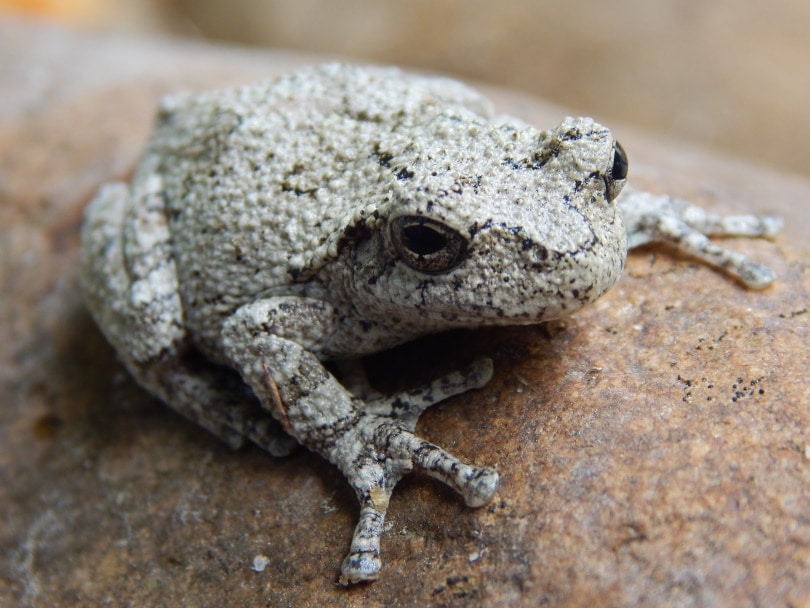
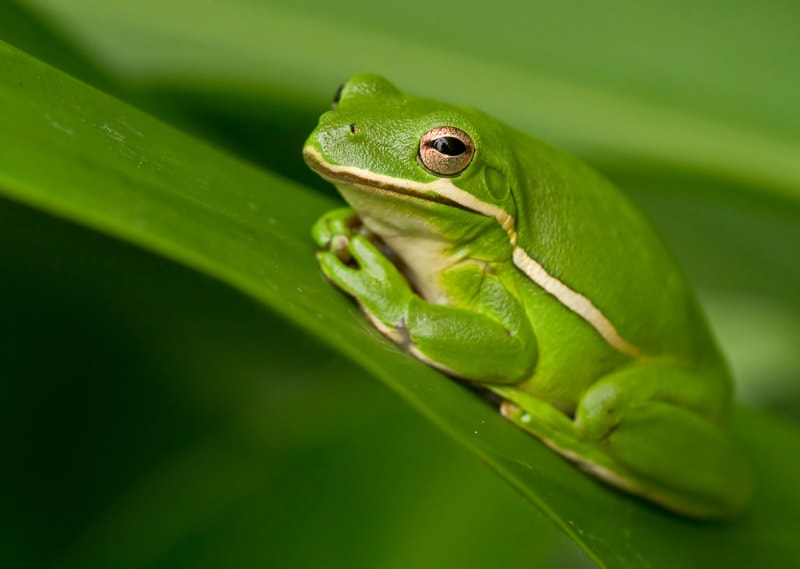
If you’ve heard a frog in your backyard, and you live in the southern states, it was likely an American Green Tree Frog. These cuties of the frog world are not only interesting to learn about but they make great pets if you’re an amphibian lover. Read on below to learn more about these amazing amphibians and how you can properly care for one at home.
| Size: | 1 to 5 inches |
| Lifespan: | Up to 6 years |
| Color: | Bright, dark, or grayish green |
| Suitable for: | All levels of amphibian caregivers |
| Temperament: | Nocturnal, timid yet vocal |
| Diet: | Small invertebrates, insects |
| Tank Set Up: | No light needed, prefers humid environments with more humidity at night, mulch-type substrate, live or artificial plants, and branches. Temperatures should be 65–68 degrees F at night and 72–80 degrees F during the day. |
| Minimum Tank Size: | 10 gallons |
| Suitable Tank Mates: | Mates of the same species |
The American Green Tree Frog is considered one of the easiest pets out there to care for. If you have a love for amphibians but haven’t cared for one before, this could be the perfect friend to share your home with. The American Green Tree Frog is found throughout the US but prefers the Southern states thanks to the humidity. They are big eaters, aren’t fans of handling, and can make some of the most unique noises out there.
American Green Tree Frog Characteristics

American Green Tree Frog Overview
The American Green Tree Frog is quite common throughout the US but they prefer to call the humid Southern states home. You’ll also find these small amphibians in multiple pet stores simply waiting for a responsible pet owner to provide them with a proper home. One of the most recognizable things about these frogs, besides their color, is their big voice. At night, these frogs really raise the roof. What’s even more interesting is their unique bark. Yes, a bark. While they also croak like other frogs, the unique bark is how to alert others to danger and even attract mates.
You’ll typically find wild American Green Tree Frogs in the trees. You’ll also find that these little frogs enjoy spending time near the water and climbing branches or aquatic plants in these areas. This is due to their need for water for breeding. As nocturnal amphibians, they are awake and active throughout the night. This is information that anyone considering one of these frogs as a pet should know due to the noise they can make throughout the later hours.
American Green Tree Frog Cost
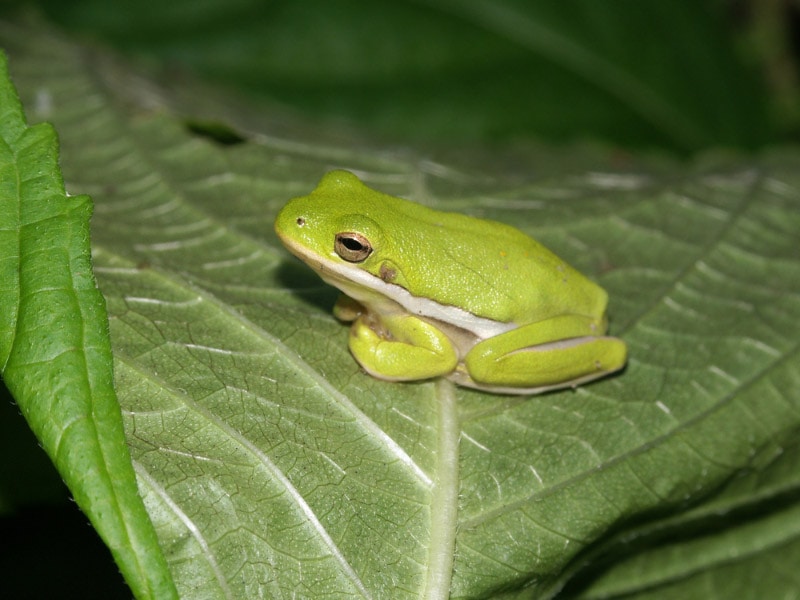
As we’ve already mentioned, the American Green Tree Frog is very common in local pet stores. This is due to an abundance of these frogs. As for costs, you’ll only pay $10 to $20 to bring one of these amazing amphibians home with you. Keep in mind, however, that there is more involved with starting to care for an American Green Tree Frog. You’ll need a tank, substrate, proper lighting, heating, food, water access, and of course, proper décor and toys for your new pet. While your American Green Tree Frog itself is relatively cheap, you could spend up to $100 or more to purchase all the additional necessities you’ll need to keep your frog happy and healthy.
Care Guide & Tank Set Up
The American Green Tree Frog is an easy-going pet that doesn’t require tons of care. However, as we’ve previously discussed, they do need certain items to keep them happy and healthy. Their habitats need to be set up properly from the get-go and kept clean to ensure your pet is well cared for. Let’s take a deeper look at all the things you’ll need for your American Green Tree Frog so you can be better prepared before welcoming one of these amazing amphibians into your home.
Tank Size
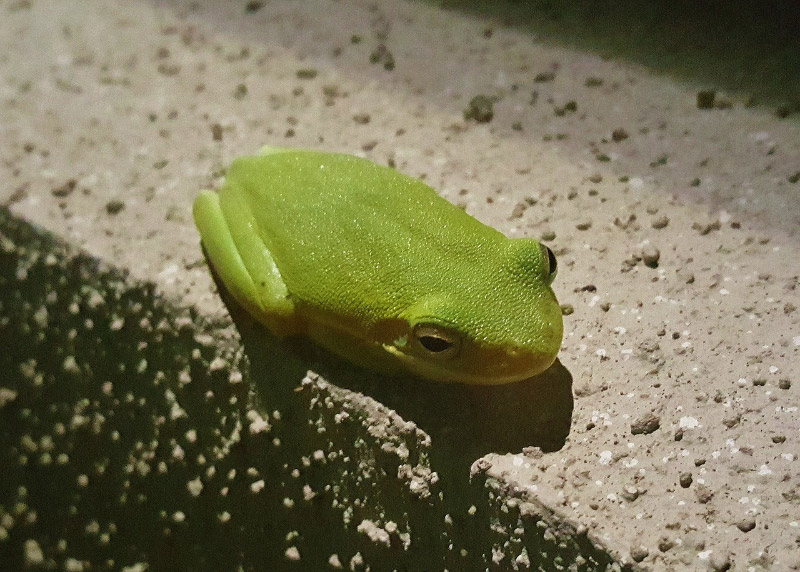
When purchasing a tank for your American Green Tree Frog you’ll find that you have several types from which you can choose. If you want to grab a normal tank for your frog, that’s completely fine. You’ll need to ensure that the tank is at least 10 gallons to give your frog plenty of room to move around. The top of the tank will require a screen lid that fits tightly to keep your frog inside and safe.
However, another option is using a terrarium-type tank. These types of tanks are taller or as tall as they are wide. These tanks are another great option for American Green Tree Frogs due to their love of climbing. You can easily add branches and other climbing materials for your pet to enjoy. If you opt for this type of tank, 12 x 12 x 18 inches is the minimum size you should purchase.
Substrate
A proper substrate is crucial when it comes to these small frogs. This is due to their big appetites and the potential for them to accidentally eat substrate when they are catching live lunch. Particulate substrates such as pebbles can be quite dangerous and cause issues with impaction. Instead, choosing coconut fiber substrate is a great idea. It is safe for your frog. The only issue is that the coconut fiber substrate will not support live plants in the enclosure. If you choose to use live plants instead of artificial ones you should look at another safe substrate such as an ABG mix. This mix features sphagnum moss, peat moss, fern, orchid bark, and charcoal. You can also make this mix yourself instead of buying it pre-made at your local pet store.
Humidity
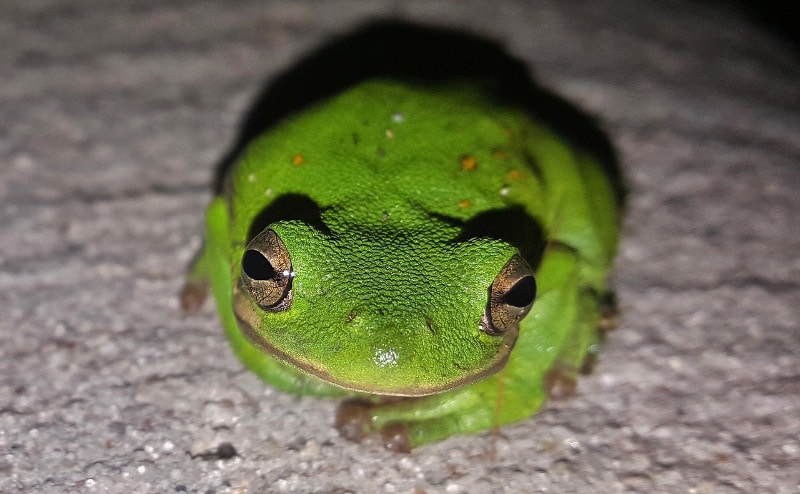
Proper humidity is crucial for American Green Tree Frogs. This is due to its importance to their health and breeding cycle. During the daylight hours, the tank’s humidity should be 50% with up to 60% being acceptable. With American Green Tree Frogs being nocturnal, they sleep throughout the day. This level of humidity is their preferred setting for sleeping as it is drier and cooler.
Nighttime humidity for American Green Tree Frogs should be a bit higher with ranges reaching between 80% to 100%. It’s during this time your frog will be awake, playing, and exploring their tank. To help keep the humidity properly maintained in your frog’s tank you should consider a hygrometer, which measures these levels. You also need to mist the tank daily, use an all-glass tank, and quality substrate to help hold humidity levels throughout the day and night.
Lighting
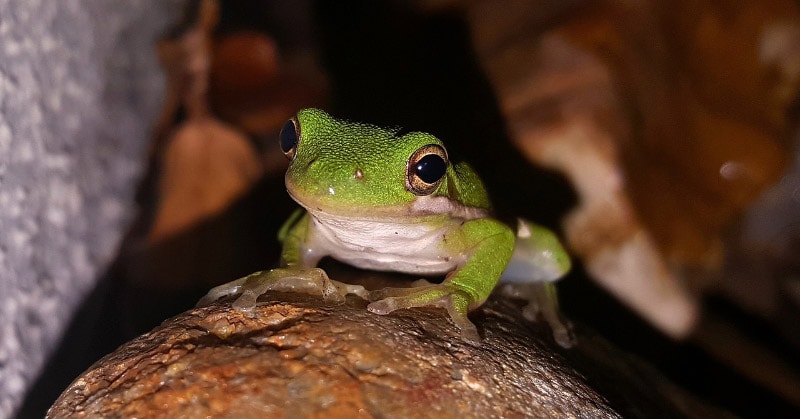
The American Green Tree Frog doesn’t require special lighting for their health since they are nocturnal. Throughout the day, they’ll be asleep. At night, they’ll be ready to explore and play. However, a UVB light can be beneficial for your frog’s metabolism even though it isn’t required. If you want to see what’s happening inside your frog’s tank at night without disturbing their activity, you can add a low-powered purple or red light bulb. These will not interrupt your frog’s fun.
Heating
The American Green Tree Frog requires temperatures inside their habitat to be around 70 to 80 degrees Fahrenheit. Normally, at night, the temperature will drop slightly but they shouldn’t be below 65 degrees. The best way to provide heat for them is through a ceramic heater placed in one corner of the tank. That way if it gets too cold for them, they can move to the warm area of the tank.
Things to Know When Owning an American Green Tree Frog
Food & Diet Requirements
You’ll have fun watching your American Green Tree Frog eat thanks to their quick reaction times and how big their appetites are. Due to these big appetites, you’ll need to ensure their meals are of high quality. Your frog will enjoy crickets, mealworms, dubia roaches, and wax worms. The biggest part of their diet will be the crickets. Due to this, you’ll need to choose crickets that are gut-loaded. You can also dust them with vitamin powder a couple of times per week.
Weight issues aren’t usually a big issue with these frogs as they will stop eating when they are full. If you notice your frog seems underweight, simply offer a bit more food. The same can be said if they are overweight. Simply offer small portions. The biggest concern is the nutritional value of the meals they receive.
Water/ Liquid Requirements
Untreated tap water is dangerous for any amphibian. This is due to the chlorine and other chemicals used to treat the water. Instead, you’ll need toxin-free water with a neutral pH balance that features natural minerals. You can even find products on the market that will help remove the chlorine found inside your tap water.
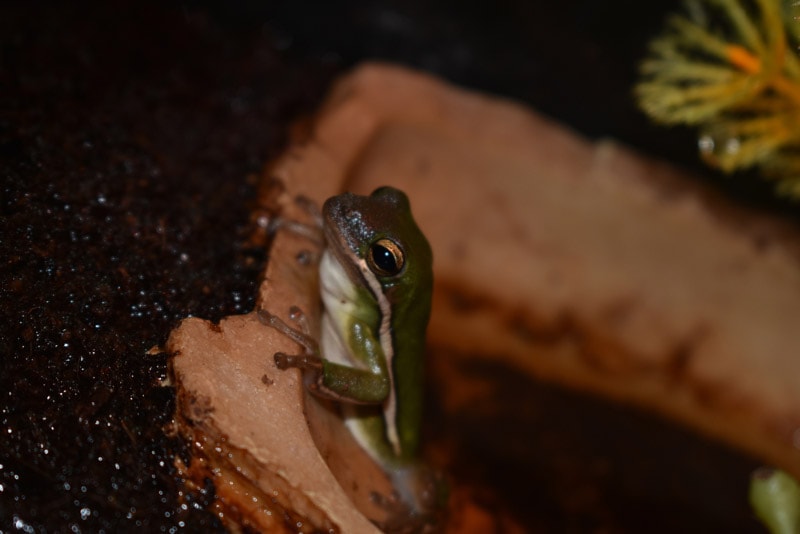
Once the water is safe or treated, you’ll only need to provide your American Green Tree Frog with a shallow water dish. While yes, they are frogs, this species isn’t the best swimmer out there. They prefer the trees. The shallow dish will provide your frog with enough water but should be refreshed daily.
Size and Growth Rate
Female American Green Tree Frogs prefer to lay their eggs in shallow water. These eggs will attach to roots or nearby plants. One clutch of eggs can be as large as 400 eggs. These eggs will begin to hatch in roughly 5 days but can take up to 14. When the eggs hatch, the tadpoles will require up to 14 weeks to become young toadlets. Once the toadlets become adults, you’ll find that female American Green Tree Frogs are slightly larger than the males. This is one of the ways used to determine the sex of this species.
Varieties
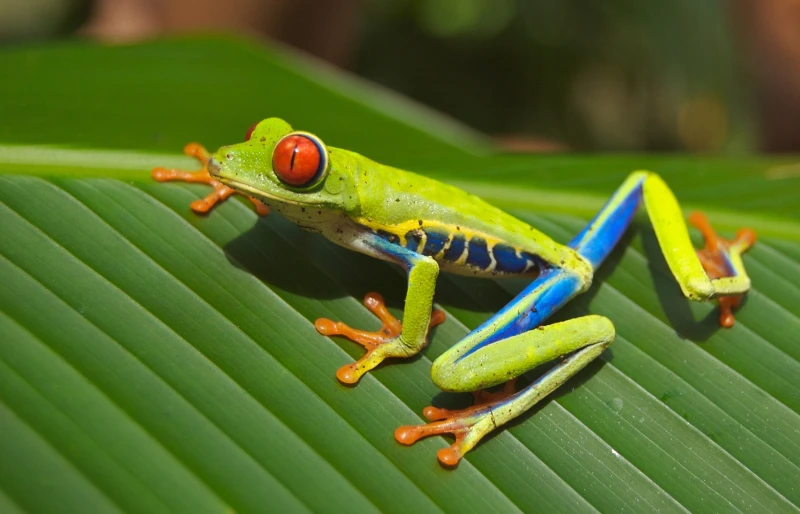
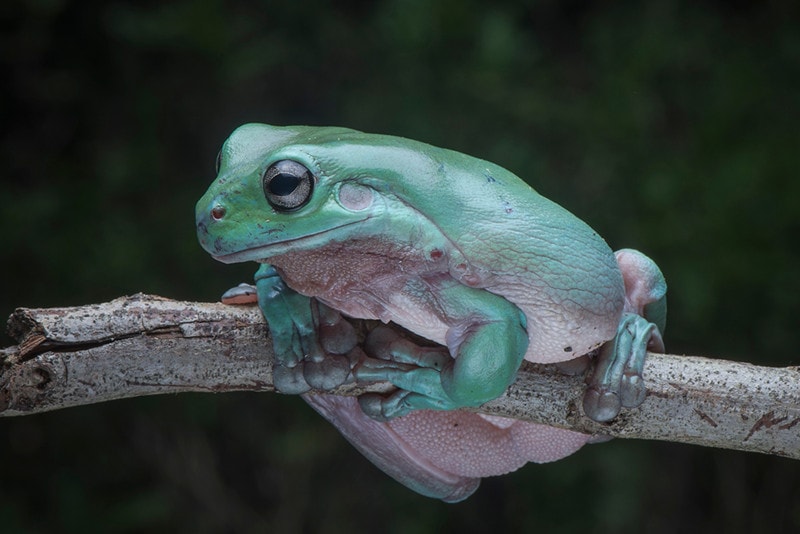
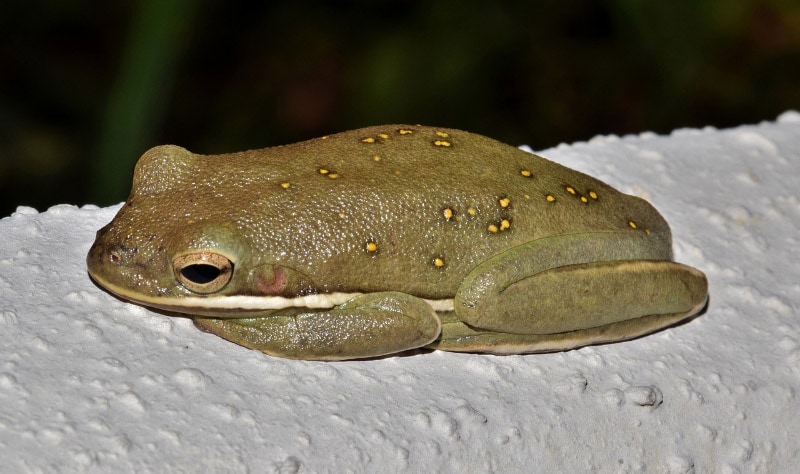
There are several varieties of American Green Tree Frogs out there. You can also find different colorations of this amphibian. Colors can range from light green to dark green. You’ll even find that some of these frogs can have a slightly brownish look.
Lifespan and Health Conditions
In most situations, the American Green Tree Frog is considered a healthy amphibian. That doesn’t mean they can’t experience certain health conditions that affect frogs. Something to keep in mind, however, is that a healthy diet and clean habitat is the best way to keep your pet healthy.
Below, we’ll share a few of the potential conditions an American Green Tree Frog can suffer from so you can be aware.
Male vs Female
The female American Green Tree Frog is typically the largest of the species in both size and weight. Females are also the ones that lay eggs throughout the breeding season. You’ll find that the male American Green Tree Frog is usually the most vocal. This is especially true during breeding season when they use their special bark to attract a mate.
3 Little-Known Facts About American Green Tree Frogs
1. American Green Tree Frogs Can Bark 70 Times Per Minute
The American Green Tree Frog’s unique bark sets them apart from other frogs you may encounter. This bark is very distinctive and is used during the mating season as a way to attract the opposite sex. What’s also amazing about this bark is that not only is it also used to alert other frogs in the area to potential dangers, but one American Green Tree Frog can bark up to 70 times in one minute.
2. The Pet Trade Can Be Dangerous for These Frogs
While pet stores seem to be the easiest way to purchase American Green Tree Frogs, it isn’t the healthiest thing for these frogs. The pet trade has been known to cause health issues in these frogs such as unwanted and deadly pathogens and fungi. If possible, instead of using a pet store, search for a local breeder who can provide you with frogs that could be healthier.
3. American Green Tree Frogs Don’t Want to Be Touched
Yes, these frogs are fun pets to observe, but handling them isn’t the best idea. This particular frog species isn’t a fan of being touched. Instead, they prefer to be left to their own devices. If you do need to touch your pet, consider using gloves and thoroughly wash your hands beforehand so you don’t introduce unwanted bacteria to your pet.
Conclusion
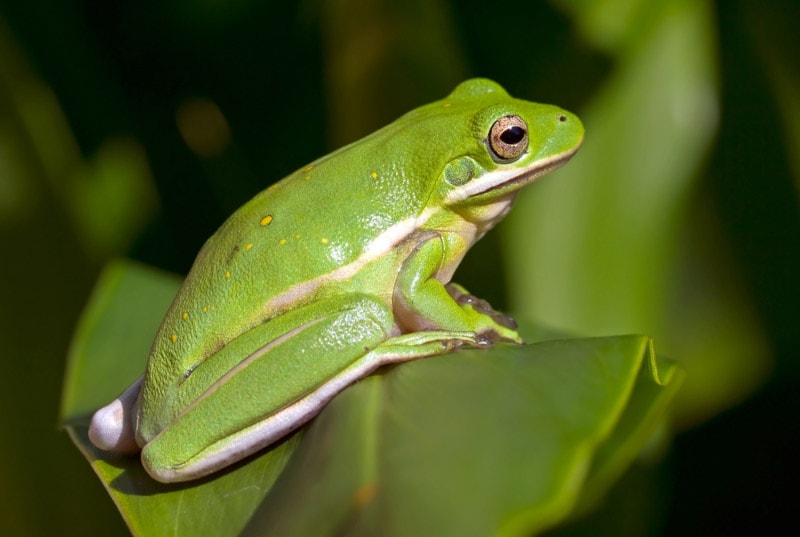
As you can see, the American Green Tree Frog is an amazing creature that can make a wonderful pet. Whether you have one or several of these frogs in your home, providing them with the best care is essential. Hopefully, this breed overview will help you learn the best habits, needs, and care for these amphibians so that those in your care thrive.
Sources
Featured Image Credit: LorraineHudgins, Shutterstock
Get Hepper In Your Inbox


Pet care tips from our vets and experts, straight to your inbox.
You may opt-out at any time. View our Privacy Policy for more information.

Melissa was born and raised in the mountains of East Tennessee where she spent her time writing in an old notebook and playing outside with her pets. As an avid animal lover, she has brought many into her home over the years. Currently, she is the mom of 5 fur babies. Her 2 cats, Princess and Pepper are total opposites who demand attention. Her dogs Jazzy, Whitey, and Demon are full of spunk and keep the entire family on their toes.
Beyond life as an animal mom, Melissa is a dedicated wife and mother to 2 children. Writing in her old notebook led her down the path of becoming not only a freelance writer but a published Indie author under the pen name, Rena Marin.
Join the conversation
Ask a question, share your story, or send private feedback.