Hepper is reader-supported. When you buy via links on our site, we may earn an affiliate commission at no cost to you. Learn more.
11 Interesting Tree Frog Facts: Vet-Verified Info With Pictures


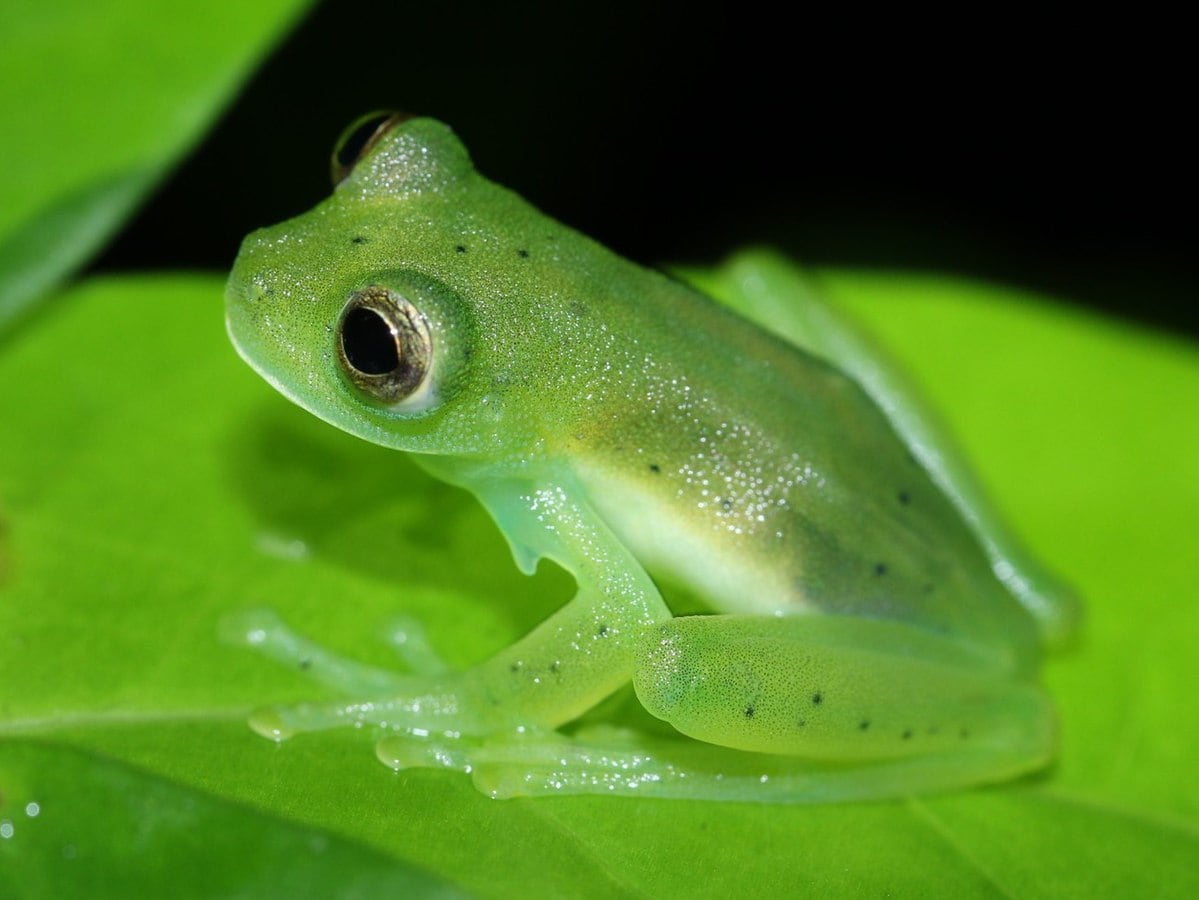
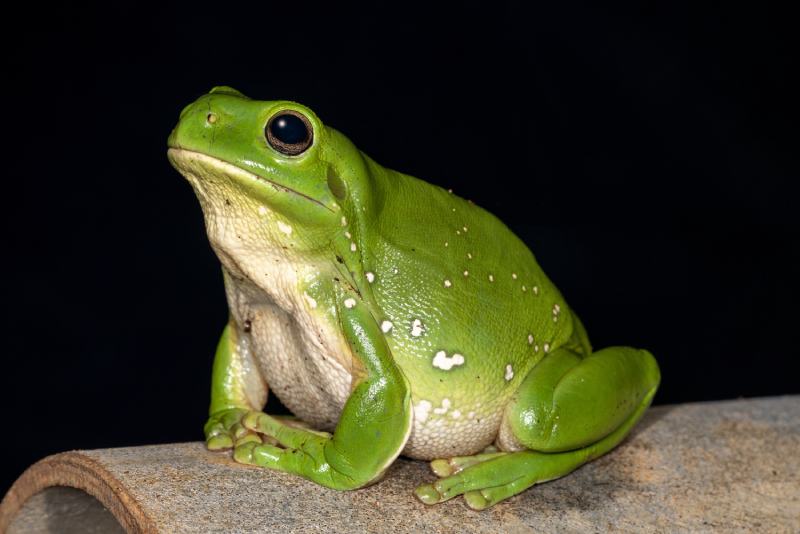
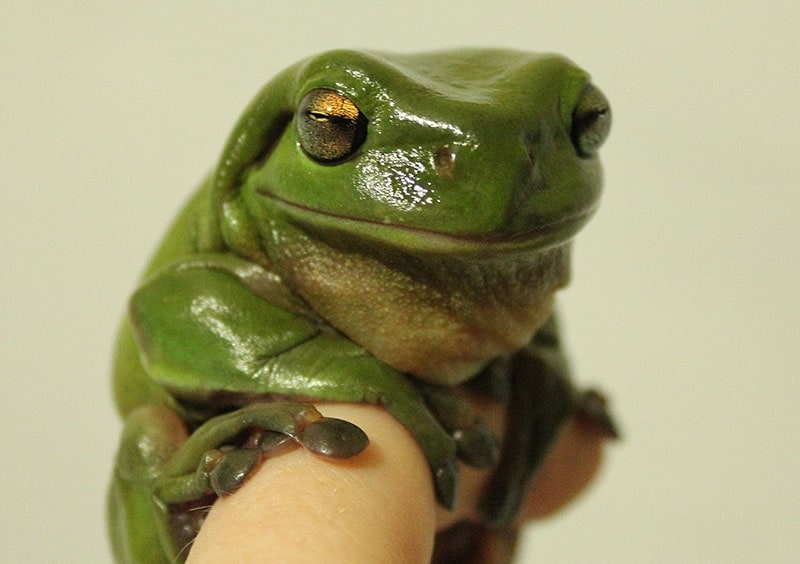
Tree frogs are among the most popular frogs on the planet and are found everywhere except the snowy landscapes of Antarctica. They are also among the most diverse amphibians, boasting about 800 species scattered across the world.1
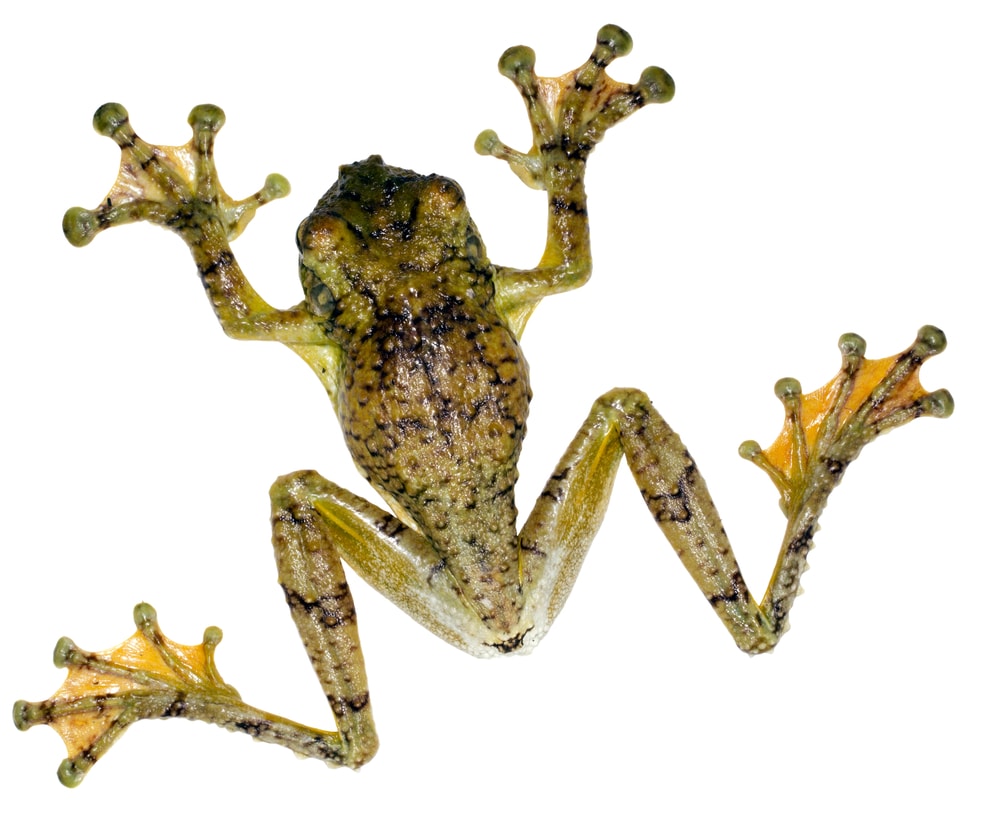
These frogs usually have a smaller and slimmer body profile compared to other frogs and claw-shaped bones for toes (terminal phalanx) and suction pads beneath their toes. These distinctive features enable them to easily climb trees and hunt insects like flies, crickets, and beetles that they eat for sustenance.
Tree frogs have incredible adaptations, allowing them to flourish in their ecosystems. Here are a couple of fascinating tree frog facts to start your conversations and expand your knowledge.

The 11 Interesting Tree Frog Facts
1. Tree Frogs Croak to Attract Potential Mates
Male tree frogs are quite the crooners, “ribbiting” their hearts out to attract potential mates.
Different species of tree frogs have different mating calls, from high-pitched cackles to deep croaks. The mating competition is fierce, and only the finest males get to pass their genes to subsequent generations.
A single female could have hundreds of suitors beckoning for her attention.
Female tree frogs prefer certain call characteristics, filtering through the clamor to find their soulmates. Fortunately, different frogs have different call preferences, and the unlucky ones will remain mateless for a particular season.
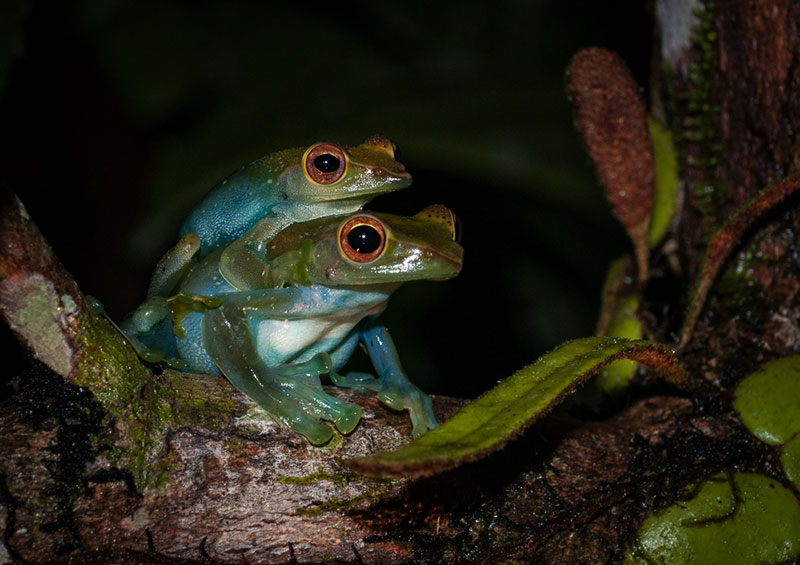
Tree frogs reproduce externally via a technique called amplexus. The male frog holds the female frog tightly and fertilizes the eggs as they come out of her cloacal opening.
2. Their Breeding Pattern Follows the Rain
Breeding is an important aspect of the tree frog life cycle, and like other frogs, these amphibians have evolved to breed during the rainy season.
This explains why you’ll hear excessive croaking as the rains approach. These are the mating calls of male frogs wooing potential female mates. Precipitation is a crucial factor determining the breeding patterns of these frogs, as well as other factors like time of day and temperature.
The sounds and vibrations caused by rain pouring on the round trigger reproductive stimuli in these frogs. In fact, these frogs start croaking before any downpour and are an excellent predictor of rain.
Rainfall also creates temporary ponds that make the ideal breeding grounds for them. It also promotes the growth of vegetation, which increases food sources and ensures the tadpole’s survival.
3. They Lay Hundreds of Eggs in One Go
Tree frogs typically breed once or twice per year, and they have evolved to take full advantage of this breeding window. Once the female frog responds to a male tree frog, the male fertilizes the eggs as they emerge from the female.
Females lay varying amounts of eggs depending on their species. Generally speaking though, tree frogs are quite prolific. Producing many eggs increases the chances of survival for these amphibians.
The females usually lay their eggs in clusters of about 10 to 80 eggs (depending on the species). Many species of tree frogs create foam nests for their eggs. They often choose sites on the ground or on tree branches overhanging water.
4. Not All Tree Frogs Live in Trees
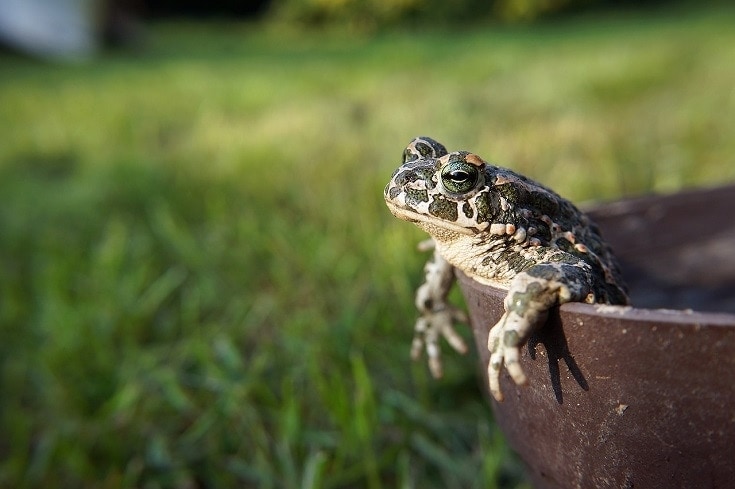
The name tree frog is a misnomer because not all tree frogs live in trees. While it is true that most tree frogs are arboreal (tree living), some of them thrive in landscapes devoid of trees.
For instance, the Australian desert tree frog (Litoria rubella) spends most of their life in canopies, although well-adapted to climbing trees.
Pacific tree frogs (Pseudacris regilla), on the other hand, are surrounded by different types of trees but have been documented at heights equivalent to sea level. That being said, they’re still able to climb and have also been seen in heights as far up as 10,000 feet in some habitats.
These frogs also love spending time near water bodies like ponds, streams, lakes, and other wet areas. Staging near water bodies allows them to keep hydrated, keeps their skin moist, and regulates their internal temperatures.
Water also forms a conducive environment for breeding. You will find them gliding over water bodies on floating lily pads, cattails, and other water plants.
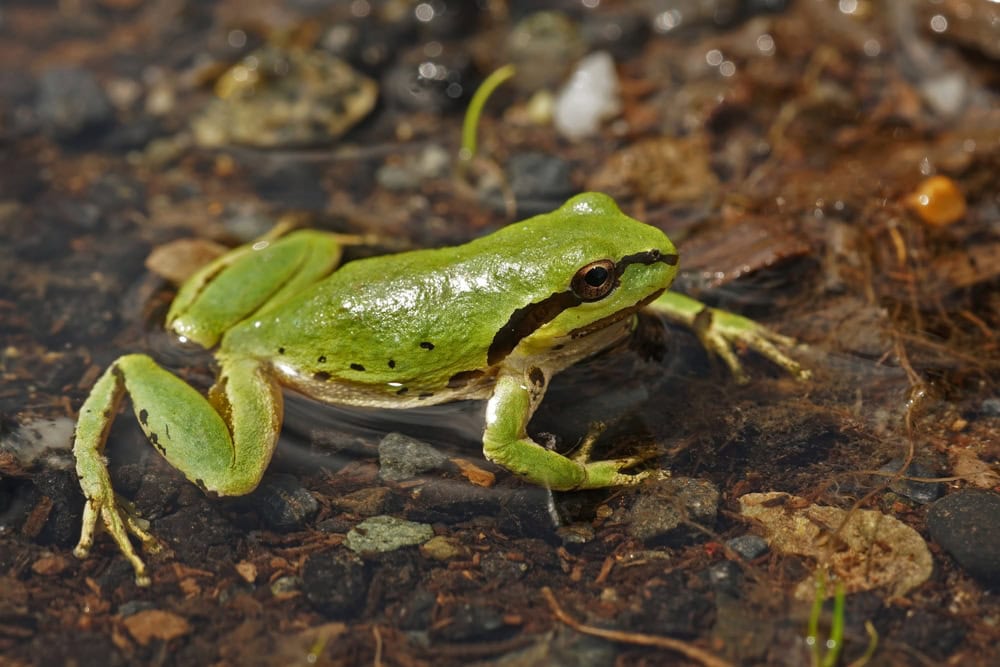
5. Tree Frogs Breathe Through Their Skin
Like other frogs, tree frogs have evolved to utilize their skin for tasks such as drinking and even assistance with breathing. These amphibians have a thin, permeable layer of moist skin with a mucous membrane and a vast network of blood vessels beneath them.
The moisture and mucus on the skin increase the surface area for absorption, facilitating the transfer of oxygen and carbon dioxide through the skin. However, this breathing versatility comes at a cost because it makes these amphibians more sensitive to changes in climate pollution.
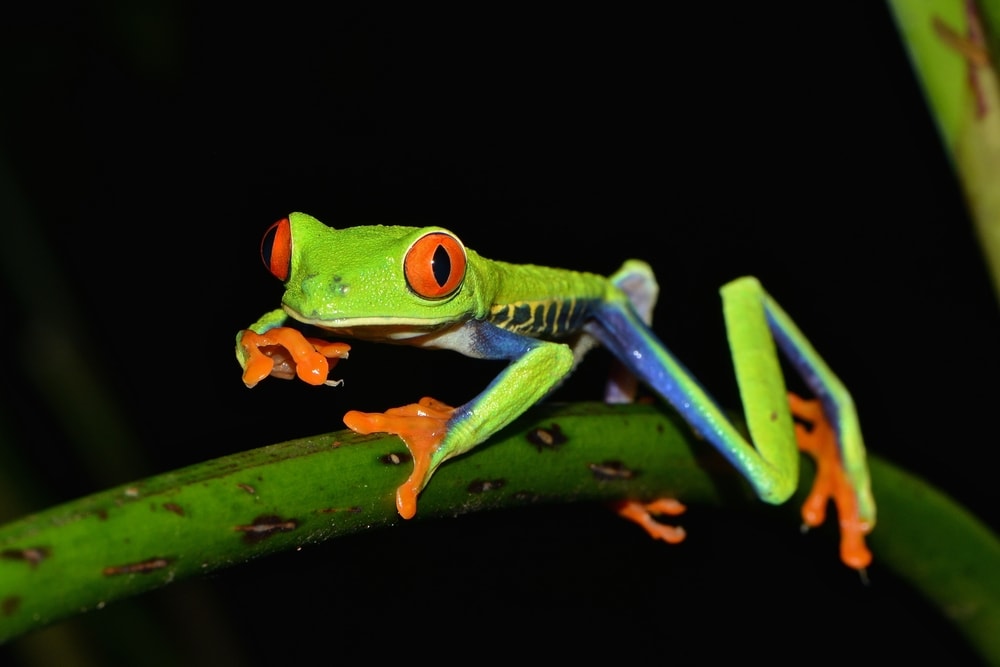
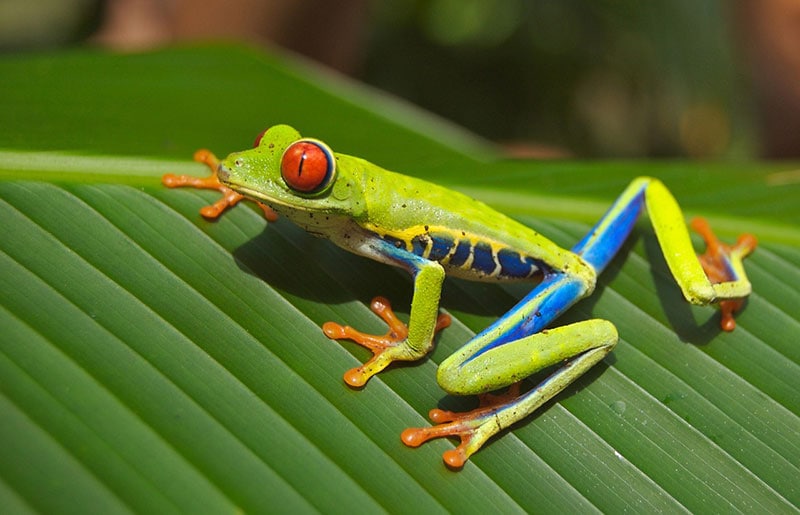
6. Red Eyed Tree Frogs (Agalychnis callidryas) Don’t Have Eyelids
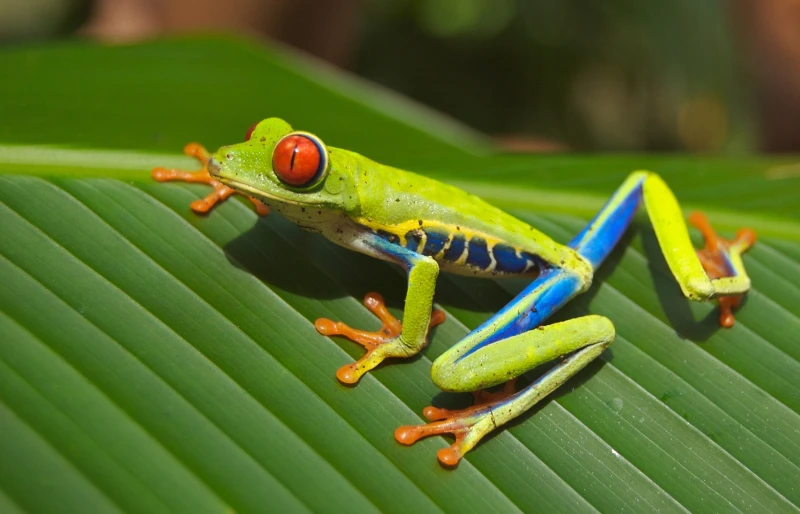
The red-eyed tree frog is the most popular tree frog, inhabiting the neotropical regions of Central and South America.
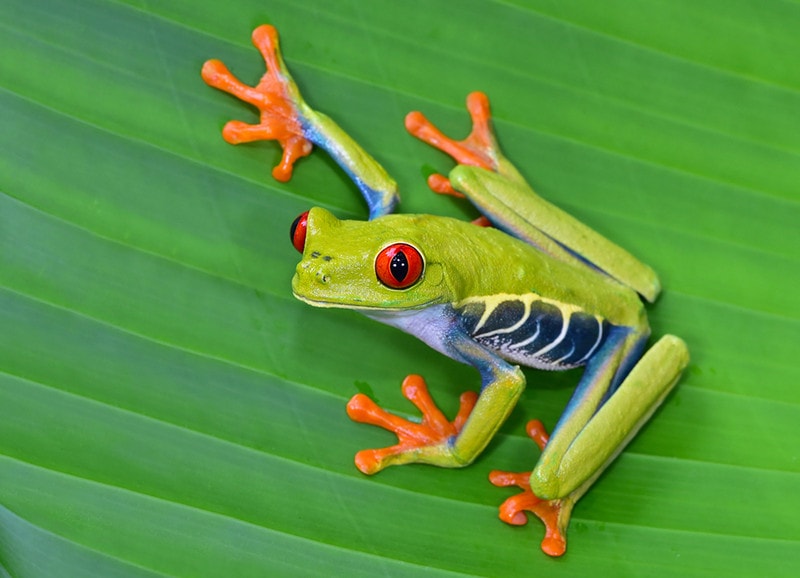
These frogs have distinctive red bulging eyes that make them instantly recognizable. Another thing that distinguishes them from other frogs, including their own species, is that they don’t have true eyelids.
Instead, these frogs have a nictitating membrane. This is a semi-transparent membrane that they can draw across their eyes for protection. This membrane allows the frog to sleep with their eyes open and also helps keep the eyes moist.
It also helps keep the eyes free of water and mud while the frog is wallowing in shallow ponds and other water bodies.
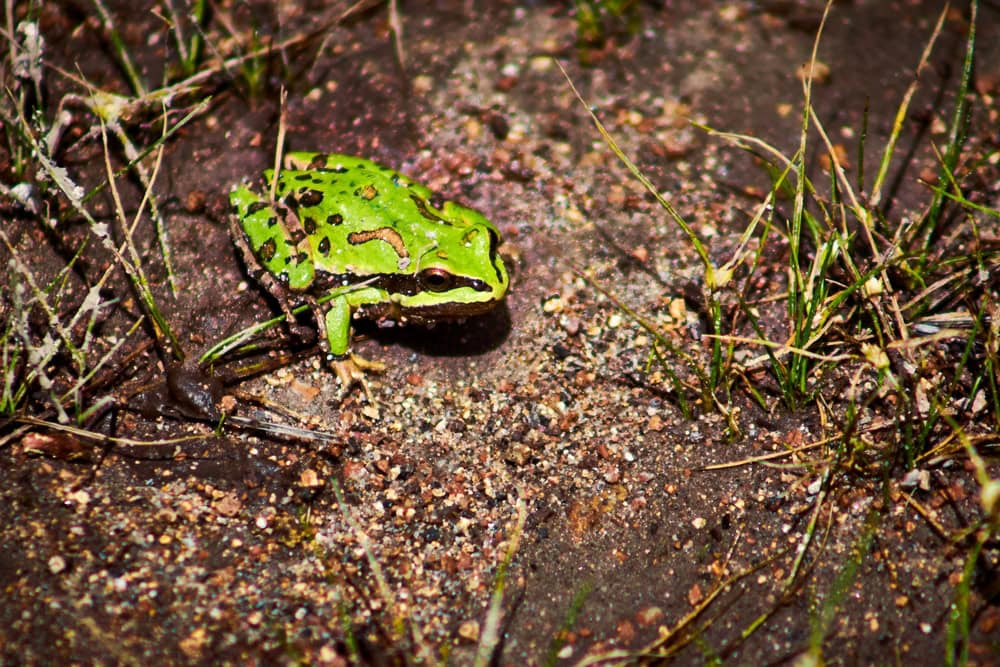
7. A Tree Frog Species Changes Its Color Like a Chameleon
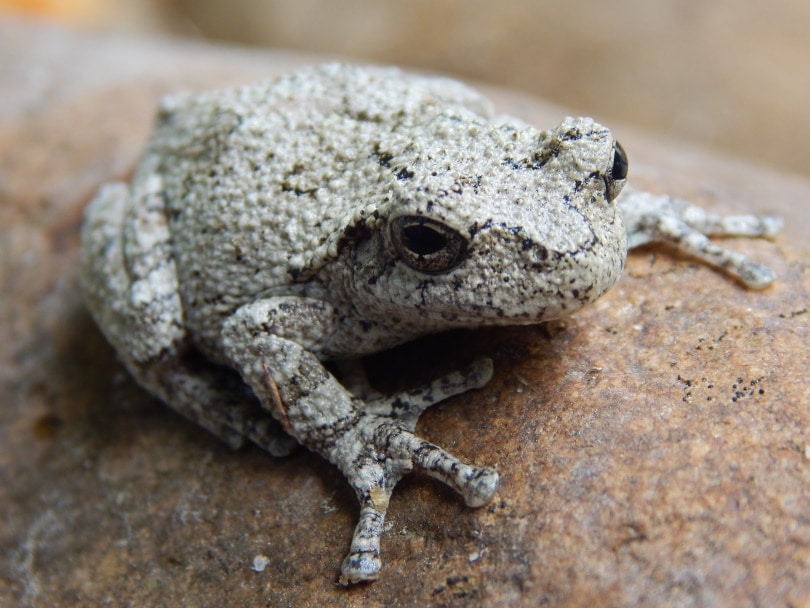
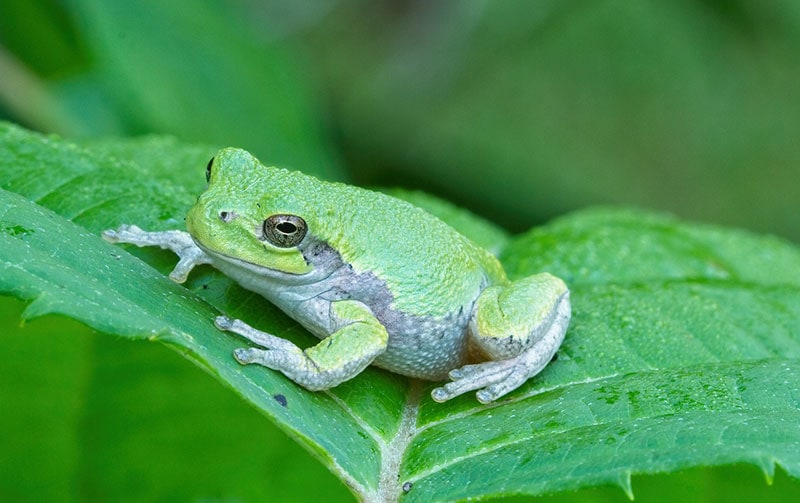
The gray tree frog (Hyla versicolor) is a unique tree frog in that they change the color of their skin, just like a chameleon.
The frog can change color from green to yellow, yellowish brown, and cream.
Like chameleons, these frogs change their color to match their background, enabling them to hide from predators and prey. It’s worth noting that this change in color is gradual and not as rapid as with reptiles like chameleons. However, it still accomplishes its purpose.
8. Tree Frogs Eat Insects
Adult tree frogs are insectivores, meaning their diet mainly consists of insects like moths, cricket, ants, beetles, and flies. During the tadpole stage, tree frogs feed on algae and other pond plants. Apart from insects, these amphibians will also feed on worms like mealworms and the likes.
Still, tree frogs, like the white-lipped tree frog, can feed on small animals like the pinkie mice.
9. Male Tree Frogs Are Territorial
Male tree frogs will do anything to protect their space, resources, and potential mates, including fighting other males. Depending on the species, they’re highly territorial and will fight to retain their territories.
Fighting typically includes shoving, head-butting, and kicking until the opponent retreats.
These fights usually last 60 to 90 seconds. The winning male will shake trees and trigger ground vibrations reaching up to two meters to indicate their presence. Any contesting male will tussle it out to determine who will claim the territory.
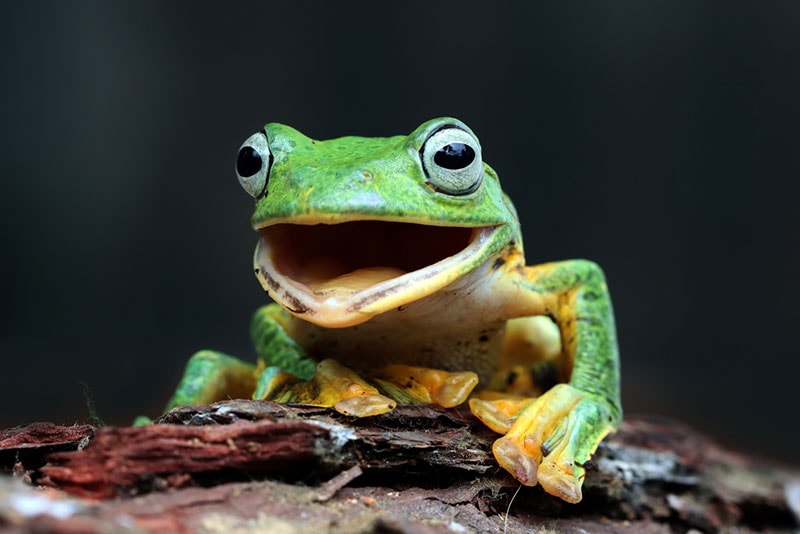
10. Tree Frogs Have Vocal Sacs That Puff Out
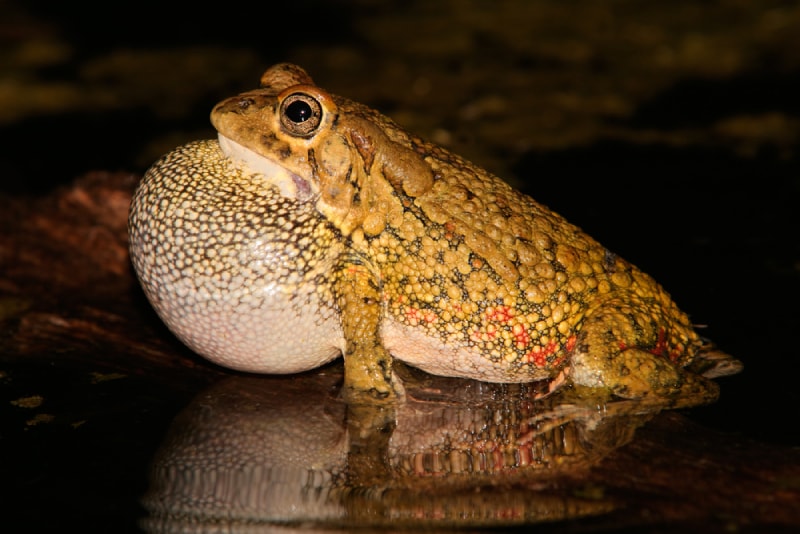
As mentioned, tree frogs call out to attract females during the mating season. They have special organs called vocal sacs that allow them to vocalize these mating calls. Think of these vocal sacs as inflatable amplifiers.
The sac expands and contracts to change the frequency and volume of the sound it produces. To call, the frogs close their mouth and nose and force air through their oral cavity to create the clicking or chirping sound.
11. Tree Frogs Make Interesting Pets
Tree frogs are popular pet frogs. However, it’s important to check local laws before adopting a pet frog. It’s also important to keep in mind that you shouldn’t capture wild animals or release pets out into the wild. Frogs are mostly hands-off pets, as they present a risk of public health issues by harboring dangerous pathogens (such as Salmonella) naturally.

Closing Thoughts
Tree frogs are incredibly fascinating creatures that are integral to our ecosystems.
Their diversity, adaptability, and abundance make them a species deserving of our attention. Like many other frogs, some species of tree frogs make intriguing pets. However, it’s important to ensure that it’s legal to keep a frog where you reside. As these animals play important roles in their ecosystems, you should not capture a wild animal, and you shouldn’t adopt a wild-caught specimen either.
See also: Can Frogs Feel Happy?
Featured Image Credit: Richard655, Pixabay
Get Hepper In Your Inbox


Pet care tips from our vets and experts, straight to your inbox.
You may opt-out at any time. View our Privacy Policy for more information.
Nicole is a lover of animals of all sizes but is especially fascinated with the feline variety. She’s the proud mom of Baby, a Burmese, and works every day so he can relax in the sunshine or by the fire. She’s always had a cat in her home and has spent countless days with others, observing behaviors and softening up even the grouchiest of the lot. Nicole wants to share her kitty expertise with you so you and your cat can live happy, healthy, and care-free.
Join the conversation
Ask a question, share your story, or send private feedback.