Hepper is reader-supported. When you buy via links on our site, we may earn an affiliate commission at no cost to you. Learn more.
Turtle Shell Peeling & Shedding: What's Normal & What Isn't


In this article
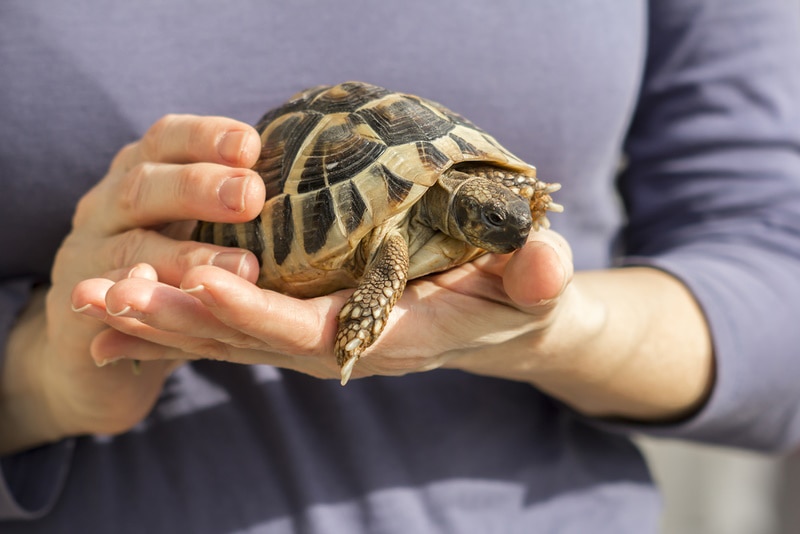
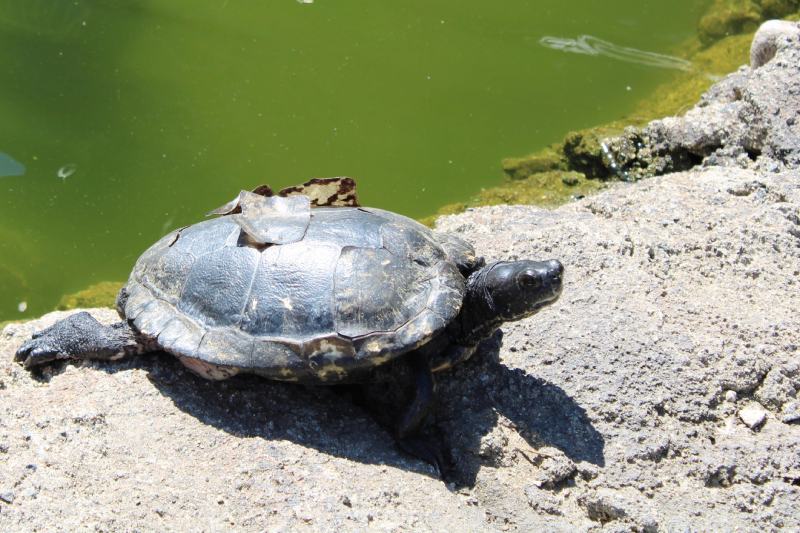
Turtles are unique reptiles. It’s a diverse group of animals even though roughly only 356 living species exist. Of course, their distinctive feature is their shells, which allow them to take their home with them. These structures are an intricate mix of bone and keratin, the material making up animals’ hooves, nails, hair, and horns. Keratin is also a component of a turtle’s scutes or external scales.
As you may surmise, some of these keratinous structures are replaced periodically. Just like how birds molt, and dogs blow their coats, turtles shed their shells. It’s a regular occurrence in both terrestrial and aquatic animals. It gives them a competitive edge in the wild. However, environmental factors also play a role.

What Is Turtle Shell Peeling and Shedding?
The environment takes its toll on an animal. Injuries and failed hunting attempts make bodily repair of a turtle’s shell imperative. Daily activities, like burrowing, wear down the reptile’s shell through the grinding action of sandy soils against it, not unlike a file on a fingernail. Aquatic turtles have a different challenge with swimming. The build-up of their shells affects their weight and, thus, their swimming ability.
Shell peeling and shedding repair everyday wear and restore the animal’s balance for swimming. The new replaces the old, and the reptile can get around with less difficulty. Aquatic turtles also face the challenge of algae growth that can further impact their locomotion. However, there’s a stark difference between normal shedding of scutes and unusual peeling.
For example, snakes often become understandably cantankerous when they shed because their vision is impaired. That’s when noting other signs becomes helpful for determining whether peeling and shedding is a normal process or a red flag.
What Are the Signs of a Turtle Shell Peeling and Shedding?
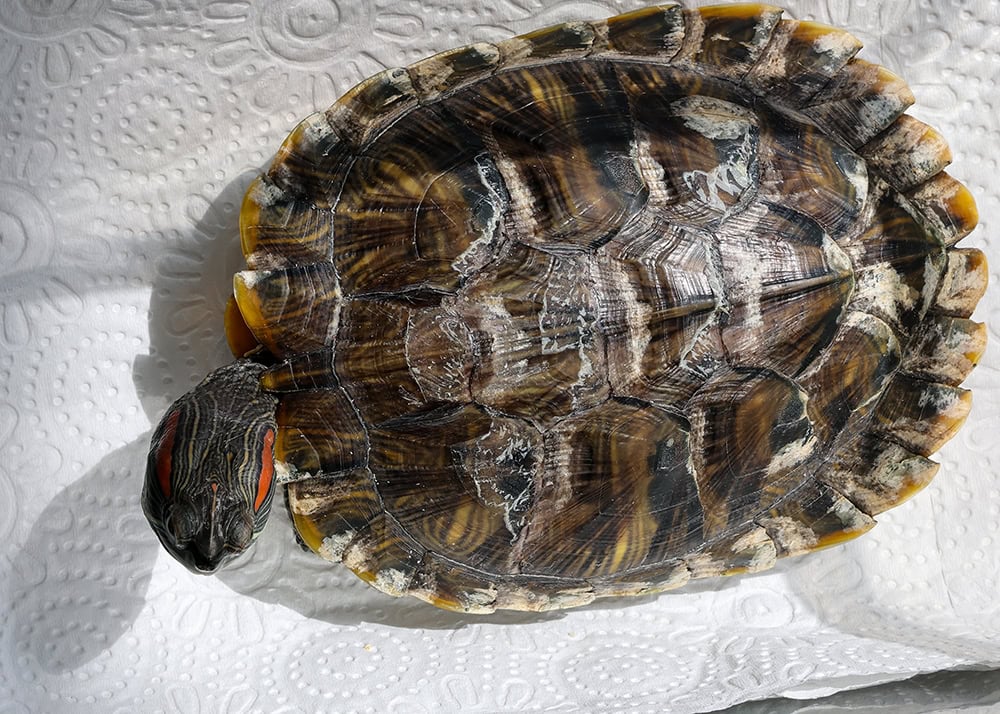
Some animals shed or molt in a short period. Think of waterfowl molting with a short flightless period or the seasonal shedding in some dog breeds like Samoyeds. When a turtle’s shell starts peeling, the process is piecemeal—it looks abnormal. The process is physically taxing because of the toll it takes on the animal’s body. After all, it’s tapping into the turtle’s nutrient reserves, leaving it vulnerable.
Determining whether what you’re seeing is normal or not depends on paying attention to other behaviors. A sick animal will be lethargic instead of active. The scutes look all right, even if they’re not coming off in unison. You might even see the replacements coming through to fulfill their role. Your turtle will eat and behave like nothing is wrong. You may detect an odor, but it isn’t unduly unpleasant.
What Are the Causes of Turtle Shell Peeling and Shedding?
Wear and tear are the usual triggers for shell peeling and shedding. Growth might prompt the replacement of the old scutes as the animal gets bigger. It often occurs annually for aquatic turtles, which may play a role in the reptiles’ health, given their living conditions. Bacterial and fungal infections can cause abnormal peeling. However, you’re likely to see other red flags, such as inflammation.
Keratin is durable for serving its purposes. However, it’s not infallible or permanent. Undoubtedly, you’ve broken a nail and have experienced the material’s imperfections first-hand. Proper nutrition is vital for turtles and other animals with keratinous structures. Protein is an essential macronutrient. It provides the building blocks that strengthen the places where it’s present.
It’s a different story when peeling becomes rot. Shedding is natural; rotting is a sign of disease. It’s a serious condition since it can also damage the underlying skeletal structure. Remember that a turtle’s shell is part of its body and not just a place to live. If something happens to it, it can adversely affect an animal’s quality of life and longevity.
How Do I Care for a Turtle With a Peeling and Shedding Shell?
Offering your turtle a healthy diet is the best way to take care of it during shedding. It will provide optimal nutritional support to help the animal get through this stressful but necessary process. After all, your pet will need new protein to replace protein past its time. That’s true whether your turtle is aquatic or terrestrial.
You shouldn’t pull off the shutes as they start to come off your pet. Healthy shedding is denoted by them shedding off in whole pieces. If they break, it can indicate a calcium deficiency. Ensure your pet is as comfortable as possible while it goes through this stressful event. Make sure it has fresh water daily. Likewise, keeps its tank and water clean. Remember that your turtle is vulnerable to disease while it sheds.

Frequently Asked Questions
What Are Other Symptoms That Shedding Isn’t Normal?
Shedding accompanied by signs of inflammation, such as redness and swelling, are telltale signs something is wrong. Your turtle may also act sick and seem lethargic.
What Else Can I Do to Help My Turtle?
Adequate vitamin D intake is vital, particularly during stressful times like shedding. We recommend ensuring your pet has a UVB light pointing into its tank for proper calcium absorption.
Conclusion
Turtle shell shedding is a normal occurrence in healthy reptiles. It serves a useful purpose that ensures that an animal’s shell stays strong to protect it from environmental threats. After all, it’s not always easy being a terrapin. However, it can be a sign of disease, especially when accompanied by other indicators. They usually show that something else is going on that is anything but routine.
Sources
Featured Image Credit: Jaclyn Vernace, Shutterstock
Get Hepper In Your Inbox


Pet care tips from our vets and experts, straight to your inbox.
You may opt-out at any time. View our Privacy Policy for more information.
Chris is an experienced pet writer specializing in science topics, with a particular passion for health and the environment. She has been a writer for over 15 years and lives with her husband and three cats in Michigan.
Beyond writing about cats and dogs, Chris loves to learn about wine. She has WSET 1 and 2 certifications and is currently pursuing her Certified Wine Specialist Award (CSW).
Join the conversation
Ask a question, share your story, or send private feedback.