Hepper is reader-supported. When you buy via links on our site, we may earn an affiliate commission at no cost to you. Learn more.
Are Turtles Reptiles or Amphibians? Scientific Classification

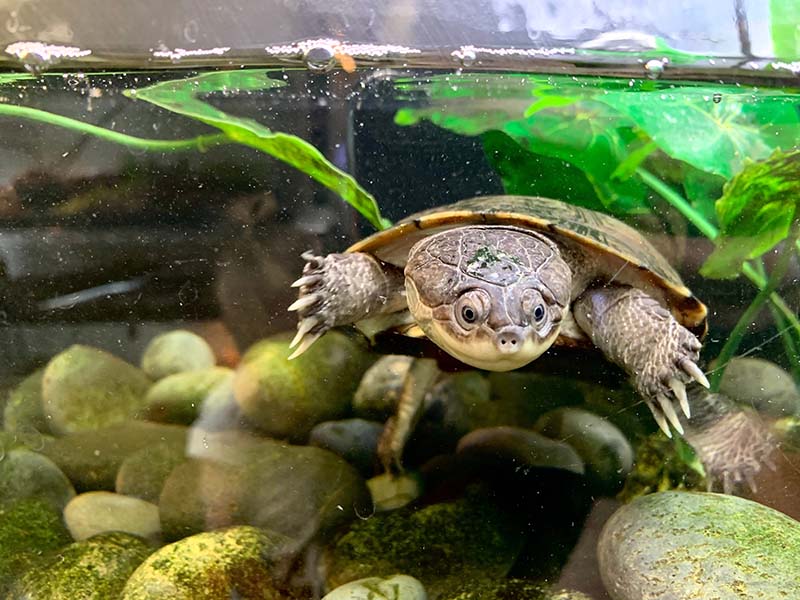
At first glance, it can be difficult to judge whether a turtle would be considered a reptile or amphibian. There are only a few subtle differences that distinguish the two groups. Both are cold blooded, which means they cannot regulate their own body temperature and rely on warm weather to survive. Reptiles and amphibians are both vertebrates and are usually tetrapods—which means they have four legs—with the notable exclusion of snakes.
Although amphibians must live complicated lives partially on land and partially in water, some reptiles do the same. To make matters even worse, reptiles and amphibians were classified together until the 1800s! So, what makes an amphibian different from a reptile? And which one does the turtle belong to? You may be surprised to learn that turtles are scientifically classified as reptiles. Let's see why.

The 3 Reasons Turtles Are Reptiles
1. Turtles Have Scales
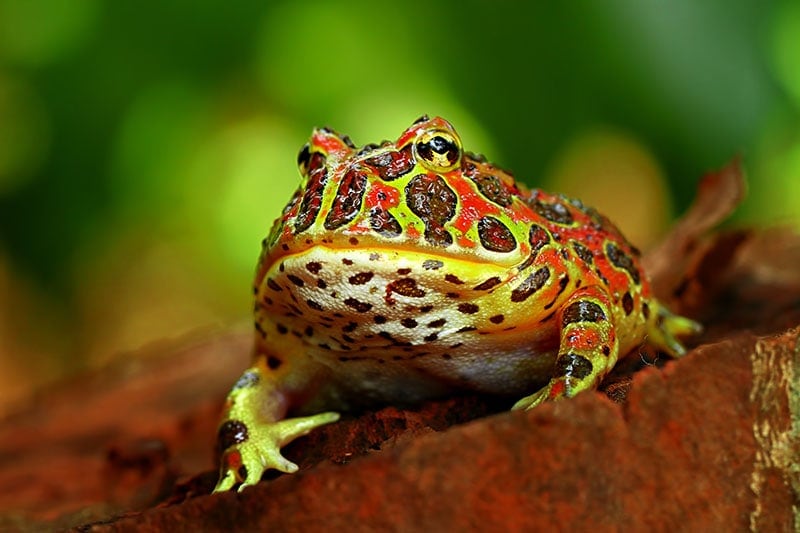
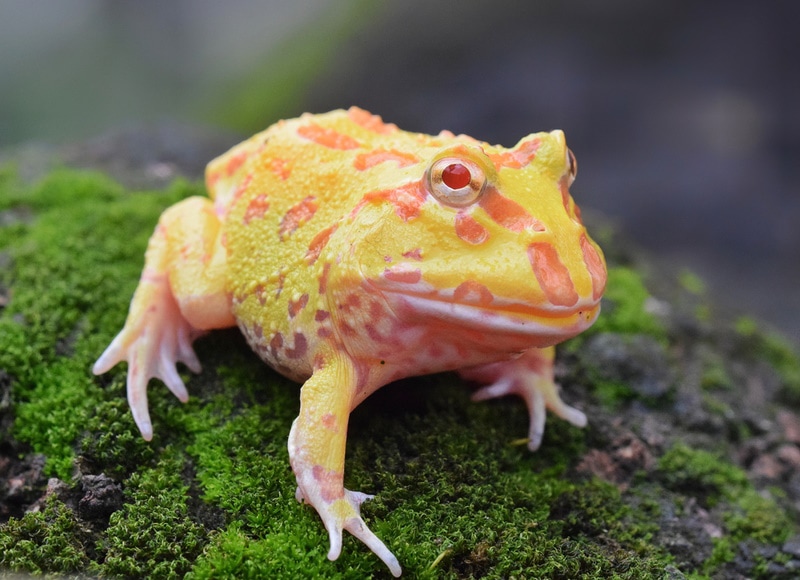
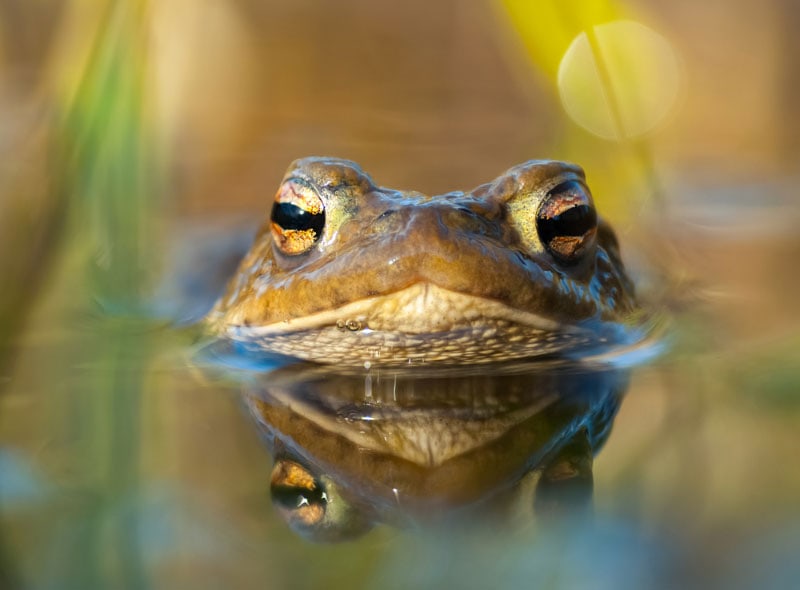
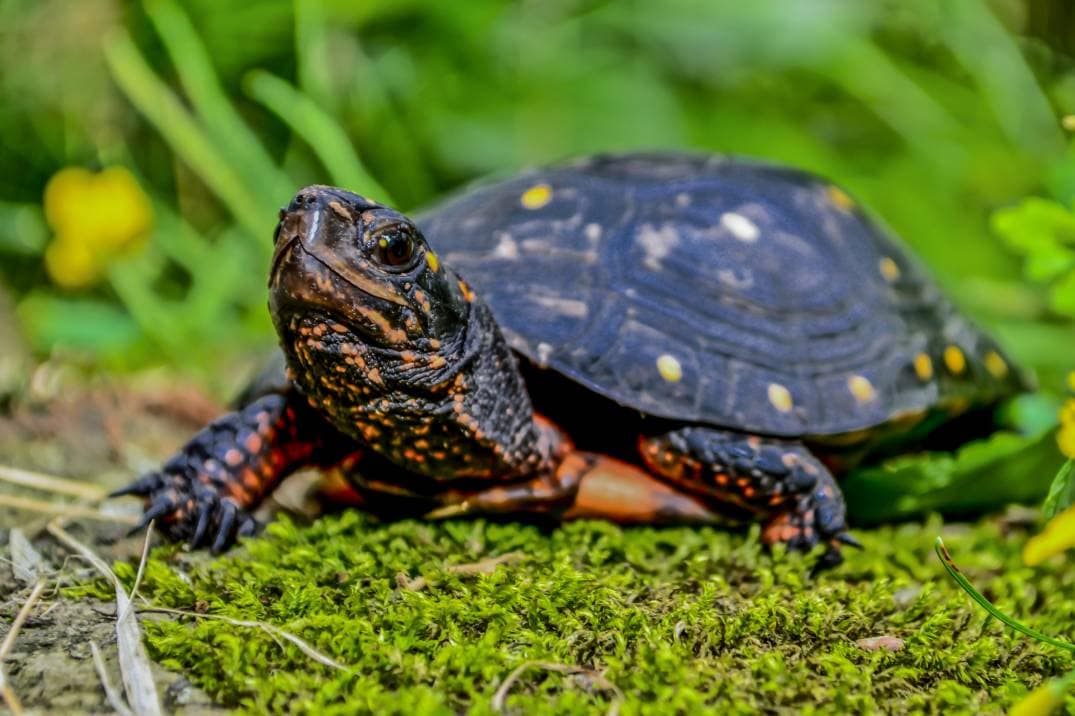
Reptiles almost always have scales, while amphibians such as frogs have mucousy skin that absorbs water and keeps them from drying out as they're on land. The turtle's hard, cracked shell and scaly skin set them apart from the slimy frog or toad. Turtles are more akin to snakes due to their scaly nature.
2. Turtles Don’t Have Distinct Life Stages
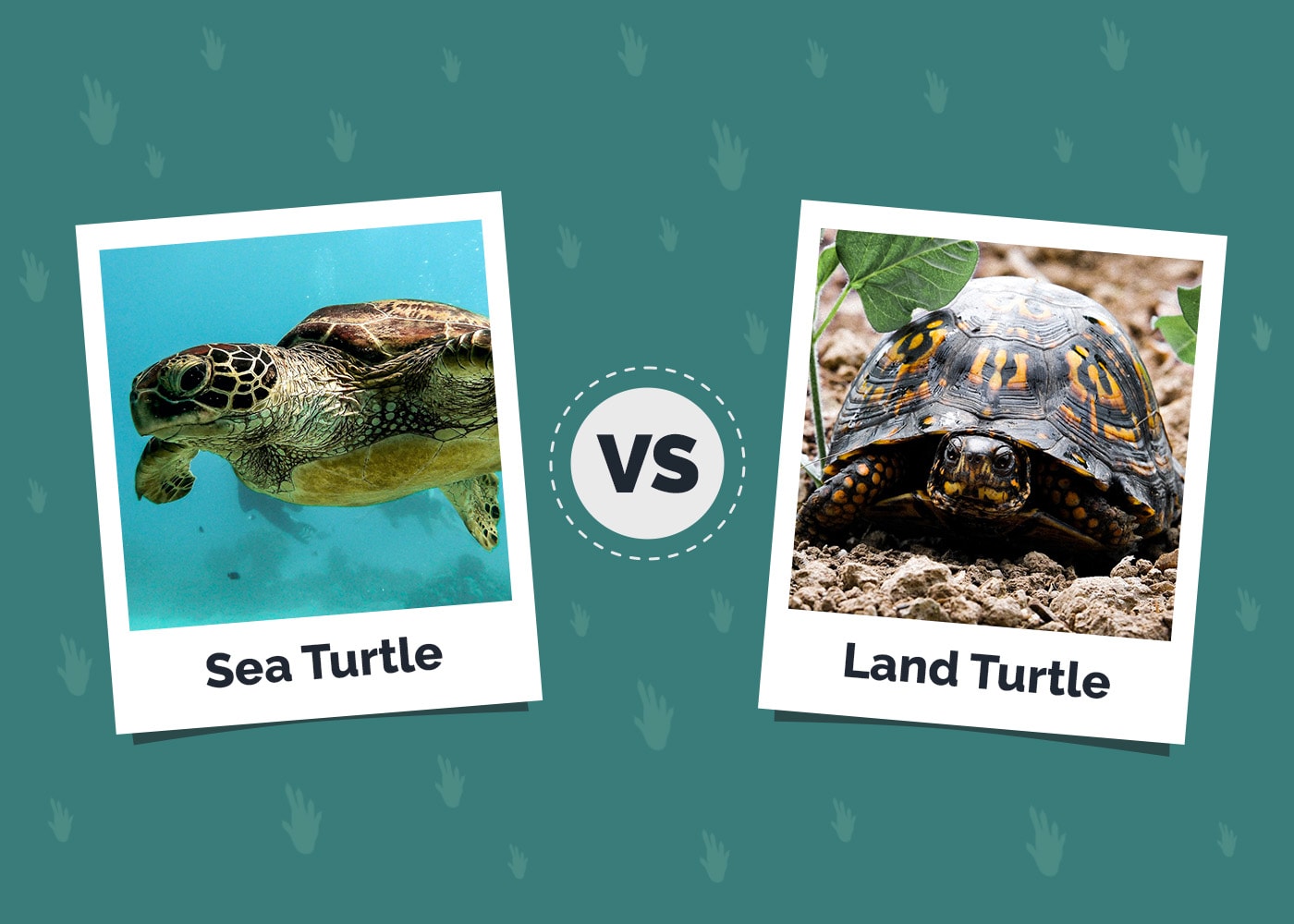
Amphibians have distinct life stages that begin in the water and end on land, but most turtles don't. Sea turtles are more like amphibians than other types of turtles because they lay their eggs on land and live the rest of their lives in water, but they’re still technically reptiles.
With the exception of sea turtles, most turtles don't have a distinct life stage where they must be in the water and another that they must spend on land like amphibians do. In fact, the word “amphibian” was derived from the Greek word amphíbios, which means “both kinds of life.” Frog eggs are semipermeable and must be laid in water for them to survive. In fact, all amphibians experience their life stages in which they lay their eggs in water.
3. Turtles Never Have Gills
Frogs start out as tadpoles with gills that allow them to breathe underwater until they grow into adult frogs. Once a frog outgrows their tadpole gills, they must hop out of the water at least every 4–7 hours to gulp down a lungful of air. Adult frogs can live the rest of their lives on land.
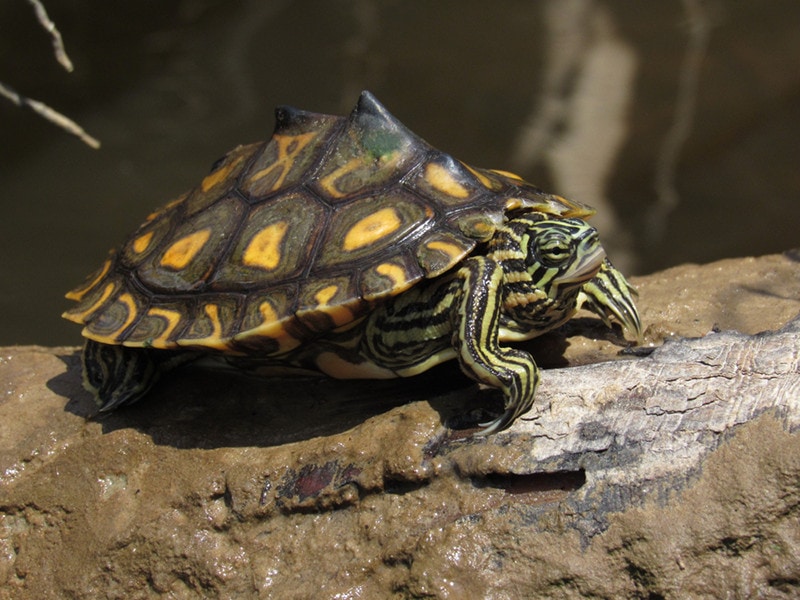
Turtles never have gills. They have lungs throughout all of their life stages. They must spend at least some time above water at every stage of their life. Even sea turtles must come up for air at least every 2 hours.
Are Tortoises Reptiles or Amphibians?
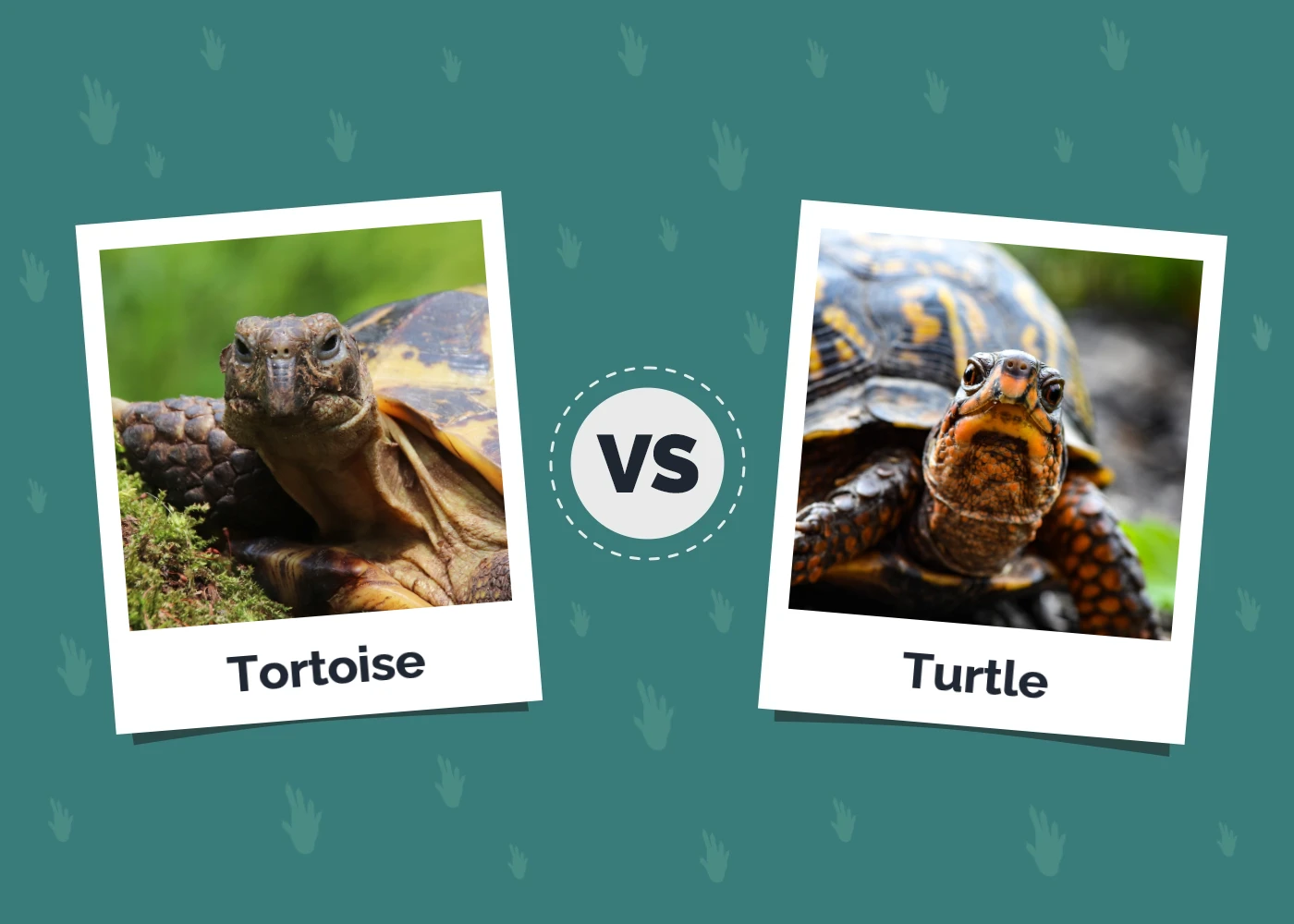
While we're on the subject of reptiles vs. amphibians, you may be wondering about tortoises. Technically, tortoises are a type of turtle that dwells on land. Therefore, tortoises are also reptiles. Tortoises live exclusively on land. They cannot swim, but they do still enjoy wading in shallow water to cool off. Remember, all turtles, including tortoises, are cold-blooded, so water is an excellent medium to regulate their body heat.
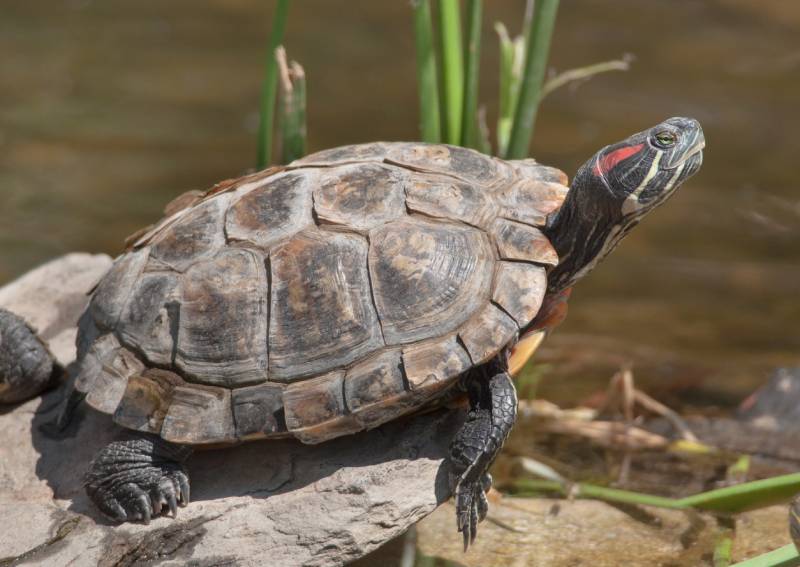
Terrapins, or turtles that live near water and spend their time going back and forth, are also reptiles. If you live near a lake or pond, you're likely to spot a terrapin swimming across the water's surface or resting on a log by the shore.
Conclusion
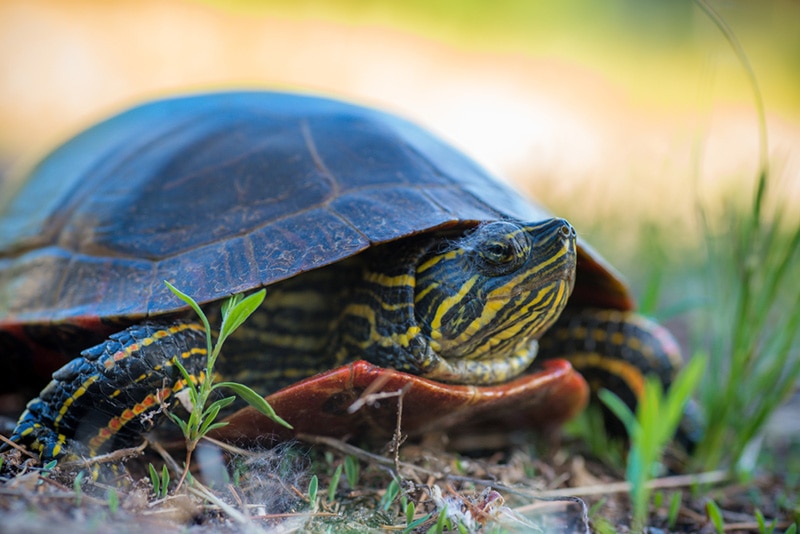
Although they share many similar features, reptiles and amphibians have drastically different life stages. Turtles, terrapins, and tortoises are all scaly reptiles that possess lungs instead of gills at every stage of their life. Most turtles either go back and forth between the water and land throughout their lives or spend their time exclusively on land. Only the sea turtle spends most of their time in the water. Even then, they have to bob above the surface every couple of hours since they don't have gills. Turtles are some pretty terrific members of the reptilian community and are unique animals overall.
See Also:
Sources
Featured Image Credit: Megan Czarnocki, Shutterstock
Get Hepper In Your Inbox


Pet care tips from our vets and experts, straight to your inbox.
You may opt-out at any time. View our Privacy Policy for more information.
Brooke Bundy is a freelance writer who graduated from the University of North Georgia with a B.S. in Media Studies. She is interested in storytelling across different mediums. When she isn’t writing, Brooke loves to spend time with her dog, and three cats, in New Orleans, Louisiana. Brook enjoys gardening, cooking, brewing coffee, and making her pet's house a home.
Join the conversation
Ask a question, share your story, or send private feedback.