Hepper is reader-supported. When you buy via links on our site, we may earn an affiliate commission at no cost to you. Learn more.
How to Tell If Your Turtle Is Dying: 9 Vet-Reviewed Signs


In this article
Losing a pet can be one of life's hardest challenges. Inevitably, we all know death happens to every creature, but sometimes we can jump to scary conclusions before it's time. Turtles can be particularly difficult to determine whether they're dead or alive because they experience brumation, a type of hibernation that can mimic death. During this time—which can last for months—they'll become lethargic and may stop eating or drinking. It's important to recognize true signs your turtle is dying rather than brumating so that you can take them to a vet for treatment or prepare yourself for their passing.

What Is the Brumation Process In Turtles
In the wild, turtles brumate during the colder months. They burrow and naturally stop eating food for anywhere between 10–14 weeks. They may also stop drinking during this time or might wake up periodically to get a sip of water.
Brumation allows turtles to survive when food is scarce and temperatures are lower. It has also been shown to play an important role in the regulation of hormones including reproductive ones. If brumating species are prevented from doing so, they tend to be more prone to illness and have shorter life expectancies.
It's important to educate yourself on all aspects of care of your turtle species including brumation. If your turtle species naturally brumates, healthy adults should be allowed to do so, usually once they are over 4 years of age. Turtles need to spend the summer months preparing nutritionally and you should consult with your vet for a pre and post brumation exam.
The 9 Signs How to Tell If Your Turtle Is Truly Dying
It happens at some point in every turtle's life—and probably more than once. You peer into their enclosure and find your reptile friend acting a little lethargic. Is it actually dying, sick, brumating, or taking a nap? It can honestly be very hard to tell without consulting a vet, but here are a few clues to get you started.
1. Responsiveness
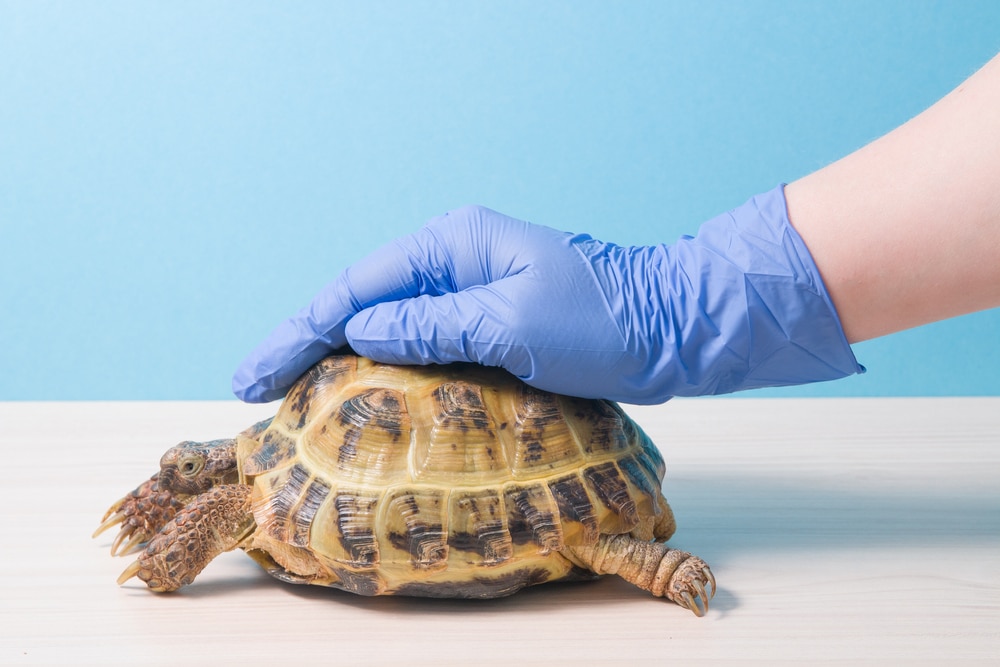
Even brumating turtles will still respond to stimuli, such as gentle poking. If your turtle doesn't budge when you try to move them or their legs seem stiff and lifeless, they may be very sick or dying.
2. Temperature
Turtles are cold-blooded reptiles whose body temperature adapts to the environment. If they feel abnormally cold despite being placed in a warm room, they may be dead. However, it's important to note that brumating turtles temporarily drop their body temperature by a few degrees, so temperature alone isn't a reliable indicator of health.
3. Rotten Smell
If your turtle stinks, they could already be dead and starting to decay, especially if their skin seems shriveled. Alternatively, they could still be alive but have a bad bacterial infection that needs prompt medical attention.
4. Injury or Infection
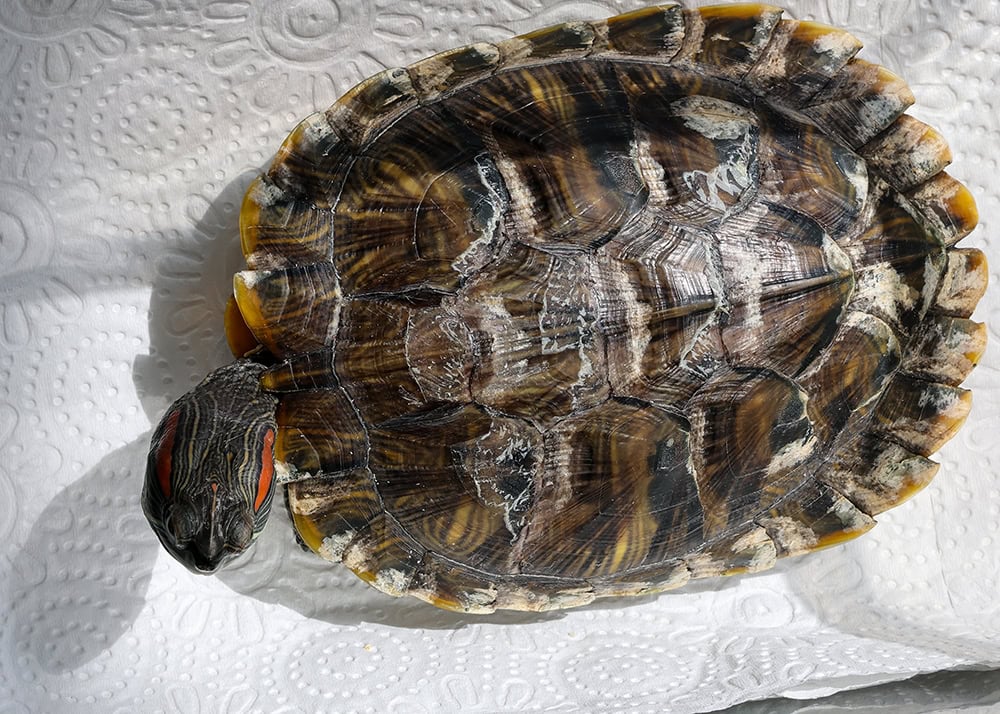
Do you notice any changes in their skin? Lesions, swelling, skin or shell irritations are all signs of serious illness, especially if accompanied by a foul odor. This doesn't always mean they're dying but is definitely a sign that they need to go visit the vet.
5. Abnormal Feces
As gross as it sounds, conscientious turtle parents need to become acquainted with their pet's poop to keep an eye on their health. If you notice any changes from the norm, such as blood, parasites, diarrhea, or an excessively foul smell, your turtle could be ill.
6. Unusual Discharge
Pus or mucus coming from their eyes, ears, or nose can indicate infection or a vitamin deficiency. Call your vet immediately if you notice any of these signs.
7. Respiratory Distress
Notice if your turtle seems to be struggling to breathe. This might manifest in coughing, wheezing, or gasping for air. Respiratory distress is unfortunately common in turtles but can be life-threatening. You'll want to go straight to the vet if you notice any of these signs.
8. Difficulty Swimming
Floating sideways or struggling to swim can be signs of an infection or parasites. This is extremely dangerous and needs immediate care.
9. Eyes
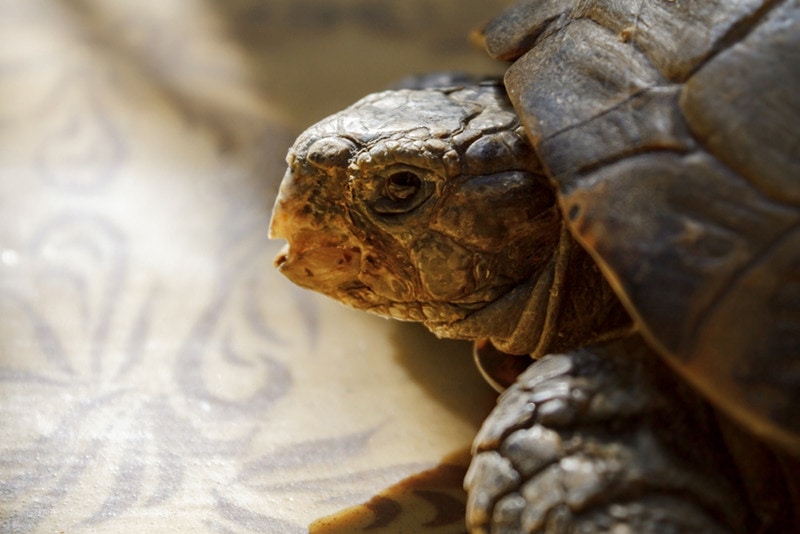
Sunken or dull, lifeless eyes may indicate your turtle is deathly ill or has already passed on.
Can My Turtle Be Saved?
If your turtle shows any of the signs listed above, you should take them to the vet for a checkup as soon as possible. Many of these signs can be associated with brumation or a minor, curable problem but the sooner you take them in, the greater chance that their prognosis will be good. However, you should enter prepared knowing that it might be time to say goodbye just in case.
Summary
Saying goodbye is one of the hardest things we ever have to do for our pets. If you suspect your turtle is dying, you should take them to the vet if possible, to see if there's anything else you can do for them. Some problems are easily treatable, and a single vet visit may add years to their life. If they are truly dying, you can rest assured knowing you did your best to care for them, and your love and time weren't wasted. The fact that you're here reading this article shows what a great pet parent you were to your turtle. You gave them your care, time, and attention, and helped them live the best life they could. The last thing you can do for them—and definitely the toughest—is to let them go when it's time.
Sources
Featured Image Credit to Ivan Smuk, Shutterstock
Get Hepper In Your Inbox


Pet care tips from our vets and experts, straight to your inbox.
You may opt-out at any time. View our Privacy Policy for more information.
Brooke Bundy is a freelance writer who graduated from the University of North Georgia with a B.S. in Media Studies. She is interested in storytelling across different mediums. When she isn’t writing, Brooke loves to spend time with her dog, and three cats, in New Orleans, Louisiana. Brook enjoys gardening, cooking, brewing coffee, and making her pet's house a home.
Join the conversation
Ask a question, share your story, or send private feedback.