Hepper blog

Search our database of over 9,984 posts with up-to-date information from our experts and veterinarians.

Hepper is reader-supported. When you buy via links on our site, we may earn an affiliate commission at no cost to you. Learn more.

Vizsla vs Labrador: The Key Differences (With Pictures)
By Codee Chessher
Share
Ask us a question in the comments
Vizsla vs Labrador

The widely beloved Labrador Retriever and the more niche hunting Vizsla are both strong candidates for many modern households, but they vary a lot across characteristics and temperaments. Let’s check out some more detailed information about the Labrador and Vizsla so you can get a better idea of which breed might be right for your home.

Visual Differences
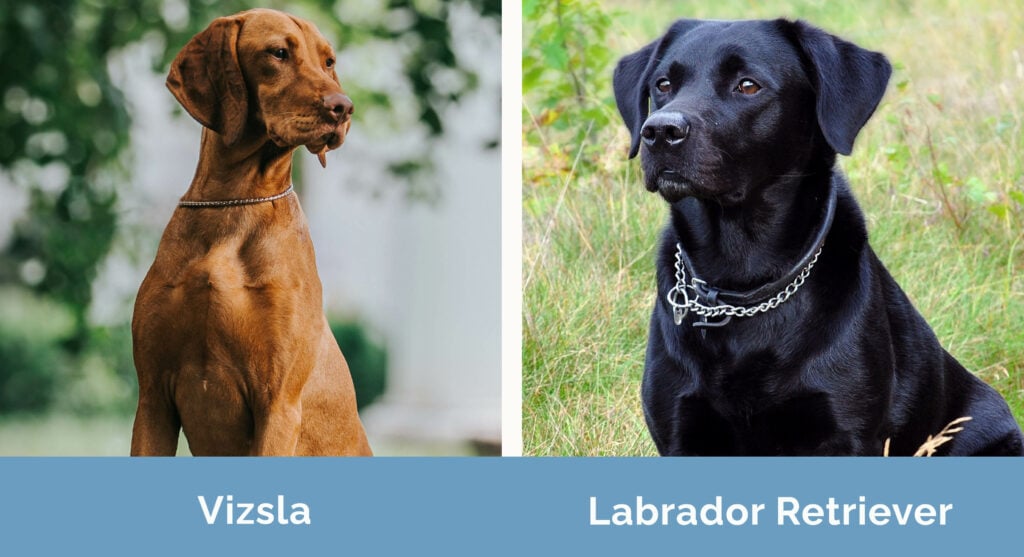
Vizsla vs Labrador Retriever side by side
Image Credit: (L) Eve Photography, Shutterstock | (R) Jumpstory

At a Glance

Vizsla

  • Average height (adult): 20–24 inches
  • Average weight (adult): 45–65 pounds
  • Lifespan: 10–14 years
  • Exercise: 2+ hours a day
  • Grooming needs: Moderate
  • Family-friendly: Yes
  • Other pet-friendly: Sometimes
  • Trainability: Friendly with family but aloof with strangers, intelligent, high-energy, stubborn

Labrador Retriever

  • Average height (adult): 21–24 inches
  • Average weight (adult): 55–80 pounds
  • Lifespan: 10–12 years
  • Exercise: 5+ hours a day
  • Grooming needs: Moderate
  • Family-friendly: Yes
  • Other pet-friendly: Mostly
  • Trainability: Earnest, friendly, lovable, trainable

Vizsla Overview

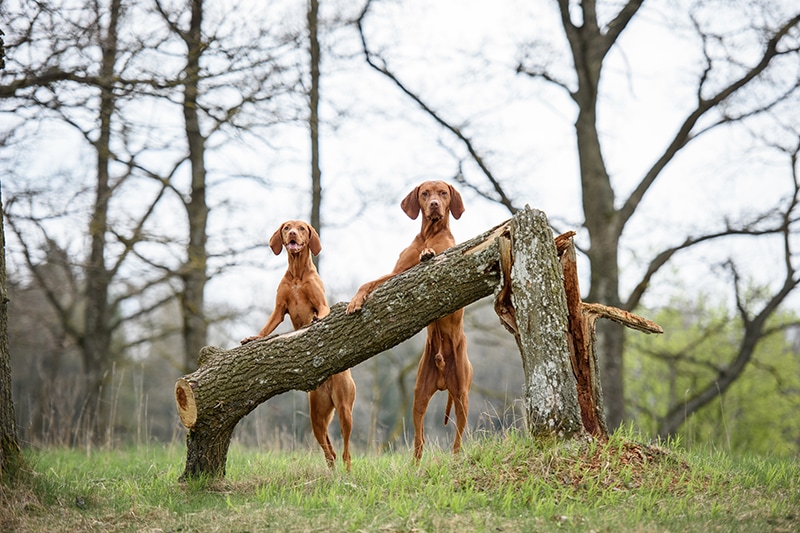
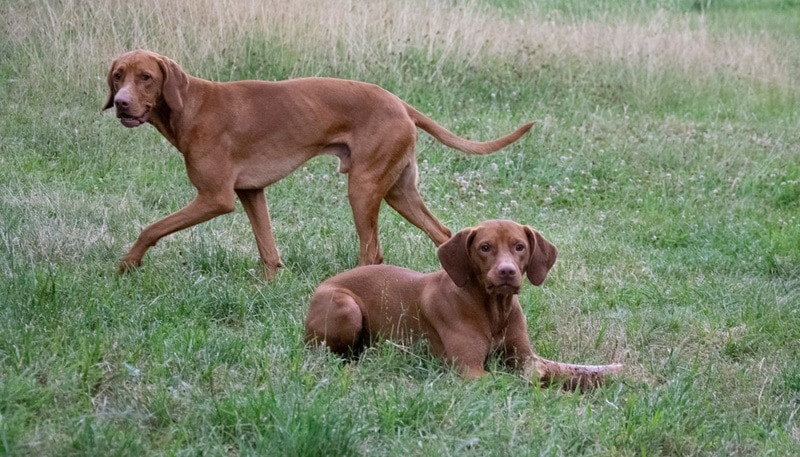
male and female vizslas standing next to each other
Image Credit By: valery.kruk, Shutterstock

Vizslas are smooth-haired hunting dogs with history: they were originally bred for Hungarian royalty centuries ago. Today, Vizslas are energetic, protective, and friendly dogs known for intelligence and a stubborn streak. They’re also less of a hassle to groom than Labs, with a nice, smooth coat. They have great noses and are sometimes used as bomb-sniffing dogs, but the Vizsla lacks the Labrador’s brand recognition, so to speak.

Grooming

Vizslas have short, smooth fur that sheds a bit at all times throughout the year. That means regular brushing is needed, but thankfully, they don’t need many baths. The Vizsla’s coat doesn’t hold much dirt and sheds water easily, so they stay fairly clean even when they’re getting superficially dirty.

Heritage

The modern-day Vizslas are descended from a royal breed of Hungarian dog, which was, in turn, descended from hounds domesticated by the native Magyar tribes. The Hungarian nobles carefully protected the bloodline by breeding only a select few of them, which almost led to the breed’s extinction after a rash of wars ending after WWII.

Health Problems

Maybe one day we can eliminate these, but for now, Vizslas have their own unique set of commonly occurring health problems. Let’s check those out a bit below so you can know what to expect.

Most Common Vizsla Health Problems:
  • Von Willebrand’s Disease: A bleeding disorder common in Vizslas, this needs to be screened for because there are few outward symptoms except excessive bleeding. Naturally, that would be a bad and late time to find out.
  • Hyperthyroidism: Caused by an underperforming thyroid, this can mess with your dog’s metabolism, including appetite and energy levels.
  • Progressive Retinal Atrophy: Just like Labs, Vizslas may develop this ocular condition, which eventually causes cataracts and blindness.
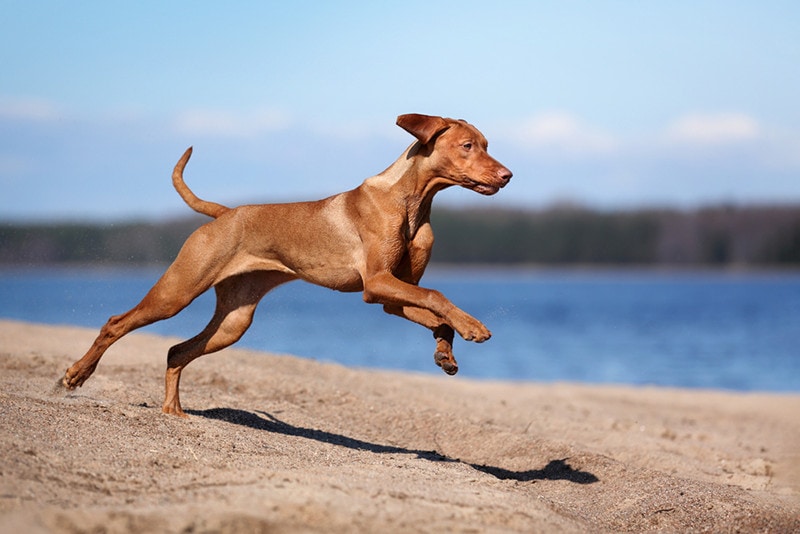
vizsla running
Image By: Ivanova N, Shutterstock

Suitable for:

Vizslas are a great choice for many households but need you to match their high energy levels. If you like to bike, hike, run, or do other exercises, your Vizsla would love to do it with you. After all, they were royal hunting dogs, not couch potatoes!

Vizslas are also more attached to their people than other dogs, acting more aloof with strangers. They warm up fast with proper socialization, so don’t worry. While very smart, Vizslas have a mind of their own and will sometimes disobey if they feel like it’s worth it to do so.

Labrador Retriever Overview
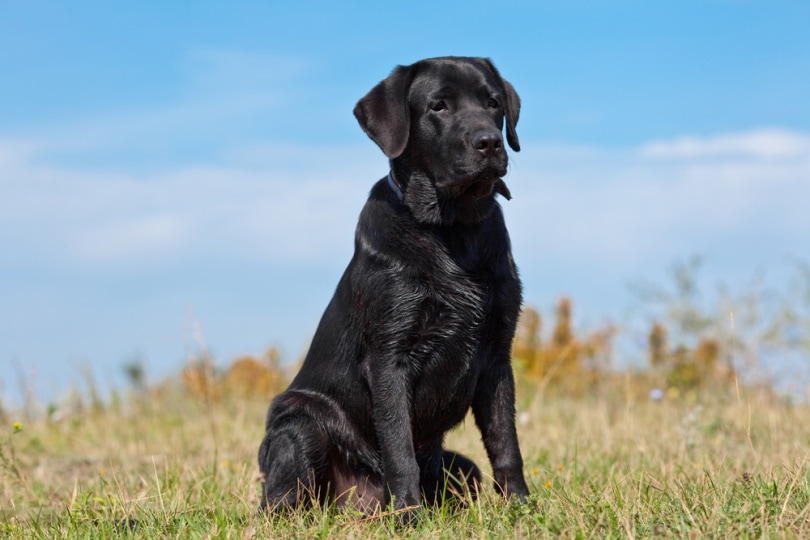
black labrador retriever in the grass
Image By: Baevskiy Dmitry, Shutterstock

Labrador Retrievers trace back to 18th century Canada, but today, they’re one of the most popular dogs in the world. From luscious chocolate to brilliant golden coats, Labs come in all colors and personalities. Nearly all of them are friendly, hyper dogs, but they’re very loyal too. Labs love a good game of fetch and don’t mind running around for hours, but a few of them might love being couch dogs, too.

Grooming

Labs have a big shed twice a year, and their hair comes out in handfuls. During shedding seasons, Labs need to be washed and brushed daily to remove loose hair. That makes them a bit more high maintenance than other dog breeds. With all that said, some Labs are short-haired and don’t shed as much. However, you should still expect to find hair in your home throughout the year.

Heritage

Labradors aren’t ancient dogs but they’re fairly old and can be traced back to the late 1700s and early 1800s when they worked as fishing dogs. Labs were typically used as hunting retriever dogs after this because they’re intelligent, trainable, and most importantly, love playing fetch.

Health Problems

Labs, like all dogs, are more prone to certain detrimental health conditions than others. They’re not any more unhealthy than the average large breed, but you’ll still have to watch out for a few health concerns.

Common Labrador Retriever Health Problems:
  • Hip & Elbow Dysplasia: Common with all big dogs, dysplasia is a joint deformity that develops when a Lab is young.
  • Bloat & Obesity: Labs love food, so bloat and obesity are typically caused by eating too quickly, eating too much food, and a lack of exercise.
  • Hyperthyroidism: Especially common in Labs, this condition can cause fatigue, sudden weight gain, and even skin lesions.
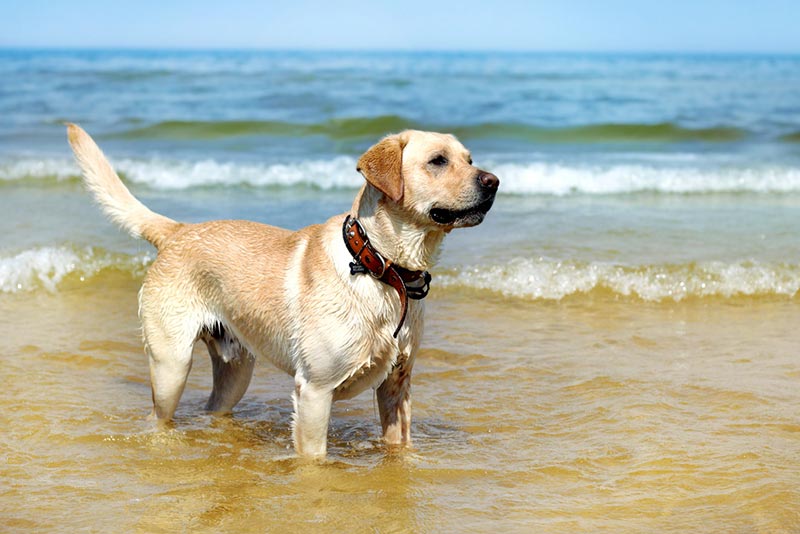
labrador retriever dog at the beach
Image Credit By: MaraZe, Shutterstock

Suitable for:

Labs are a popular breed for a reason: they suit nearly any individual or family lifestyle as long as you can wear them out enough! Once they get enough exercise for the day, they’ll want to snuggle up as close as possible to their favorite people. Labrador Retrievers are big dogs with big hearts, and they’re less wary of strangers than breeds like the Vizsla.

Which Breed Is Right for You?

Labrador Retrievers and Vizslas are both smart, loyal, high-energy dogs, but Labs are definitely more family-friendly. Vizslas can take some socializing to warm up, while Labs are gentler and more welcoming to strangers. Carefully consider everything there is to know about each breed before making a final decision.


Featured Image Credit: (L) Liudmila Bohush, Shutterstock | (R) Ajtai Krisztina, Shutterstock

Get Hepper In Your Inbox

Pet care tips from our vets and experts, straight to your inbox.

List

Select all that apply.

You may opt-out at any time. View our Privacy Policy for more information.

Codee Chessher
Authored by

Codee Chessher

Join the conversation

Ask a question, share your story, or send private feedback.
Rate this post
Required to post. Only our editors see your rating.
Who should see this?

A human reviews every comment before it appears. Your email is never published.

Picked to go with this article

Vizsla & Lab Mix: Info, Pictures, Characteristics & More

Vizsla & Lab Mix: Info, Pictures, Characteristics & More

The Vizsla Lab is a mixed breed that is the result of pairing the Hungarian Vizsla and the Labrador Retriever. These strong, personable dogs are fun-loving by…

Nicole Cosgrove
By Nicole Cosgrove ·
7 Dog Breeds Similar to Vizslas (With Info & Pictures)

7 Dog Breeds Similar to Vizslas (With Info & Pictures)

Vizslas are an old breed that originated during ancient times. Despite their ancient history, they are still rare today, especially in the United States. They’…

Kristin Hitchcock
By Kristin Hitchcock ·
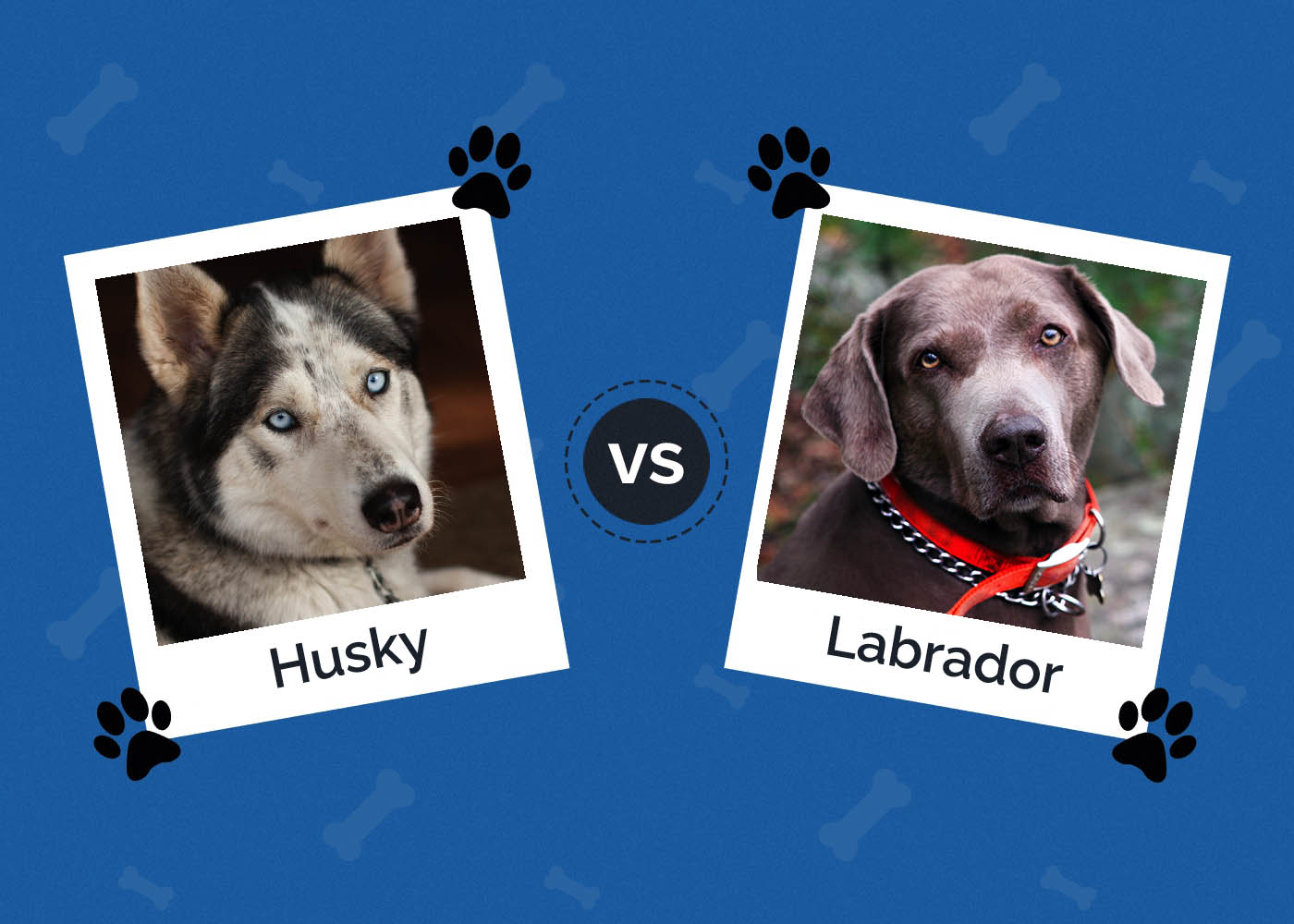
Husky vs. Labrador: What Are the Differences? (With Pictures)

Husky vs. Labrador: What Are the Differences? (With Pictures)

The Husky and the Labrador Retriever are two of the most popular dogs to own as pets in North America. Both of them are considered excellent matches for active…

Nicole Cosgrove
By Nicole Cosgrove ·
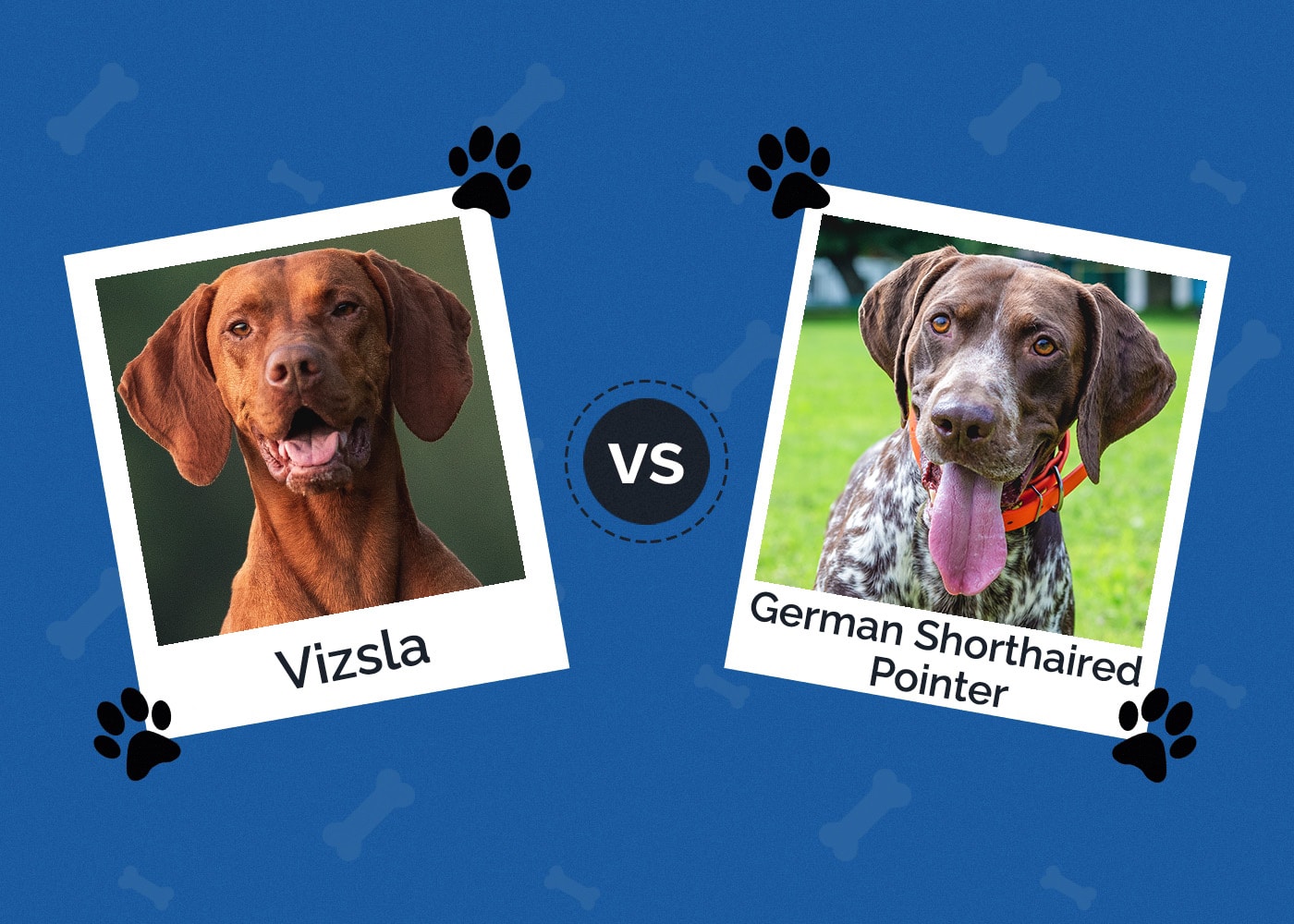
Vizsla vs. German Shorthaired Pointer: The Main Difference (With Pictures)

Vizsla vs. German Shorthaired Pointer: The Main Difference (With Pictures)

If you’ve had your eye on the Vizsla and the German Shorthaired Pointer but aren’t sure which breed will be the better fit for your family, you’re not alone. T…

Kathryn Copeland
By Kathryn Copeland ·

Keep reading

More stories you might like

How Long Do Vizslas Live? Average Lifespan, Data & Care Guide

The popular Vizsla is the picture of a lean hunting dog that has only grown in popularity since its introduction to the U.S. in the 1950s. Known for its athlet…

Shana Loven
By Shana Loven ·
How Long Do Vizslas Live? Average Lifespan, Data & Care Guide

Are Vizslas Good Hunting Dogs? Everything You Need to Know

The Vizsla is a lesser-known Hungarian dog breed that was exported from the country during the World Wars, though the whole breed almost went extinct.1 They we…

Codee Chessher
By Codee Chessher ·
Are Vizslas Good Hunting Dogs? Everything You Need to Know

Great Dane vs Labrador: How Do They Compare? (With Pictures)

Great Danes and Labradors are big, beautiful dogs with fantastic temperaments. They are both friendly, easygoing, and affectionate. If you're considering adopt…

Chantelle Fowler
By Chantelle Fowler ·
Great Dane vs Labrador: How Do They Compare? (With Pictures)

Vizsla vs Redbone Coonhound: The Key Differences (With Pictures)

Are you in the market for a unique hunting dog that also happens to be red in color? Then you’ve probably narrowed down your search to the Vizsla and the Redbo…

Brooke Billingsley
By Brooke Billingsley ·
Vizsla vs Redbone Coonhound: The Key Differences (With Pictures)

Will a Vizsla Be Good With My Kids? Socialization & Training Explained

If you have a family, it’s one of the most important questions you can ask. The Vizsla is a large dog breed, and the last thing you want to do is put your fami…

Nicole Cosgrove
By Nicole Cosgrove ·
Will a Vizsla Be Good With My Kids? Socialization & Training Explained

Australian Shepherd vs Labrador: The Differences (With Pictures)

Australian Shepherds and Labrador Retrievers are similar in many ways. Both are similarly sized and can make fantastic family companions. They’re both high ene…

Chantelle Fowler
By Chantelle Fowler ·
Australian Shepherd vs Labrador: The Differences (With Pictures)

How Smart Are Vizslas? Comparison to Other Breeds & FAQs

If you’re not overly familiar with the Vizsla dog breed, you’ll probably want to learn more about these gorgeous pups. The Vizsla breed came from Hungary and w…

Misty Layne
By Misty Layne ·
How Smart Are Vizslas? Comparison to Other Breeds & FAQs

Vizsla Husky Mix Dog Breed Info: Pictures, Temperament & Traits

Vizsla Husky mixes are naturally active dogs with huge energy reserves and a strong sense of loyalty toward their families. Their coats and attitudes greatly v…

Codee Chessher
By Codee Chessher ·
Vizsla Husky Mix Dog Breed Info: Pictures, Temperament & Traits