Hepper is reader-supported. When you buy via links on our site, we may earn an affiliate commission at no cost to you. Learn more.
Gluten-Sniffing Dogs: Training & Effectiveness Explained

In this article
Having celiac disease¹ (or gluten allergies or intolerance) can not only be a pain to live with, but it can land you at the doctor’s or the hospital if you are not extremely careful. And since gluten is in so many foods we eat, it can sometimes be challenging to know whether something contains it. That’s where gluten-sniffing dogs come in.
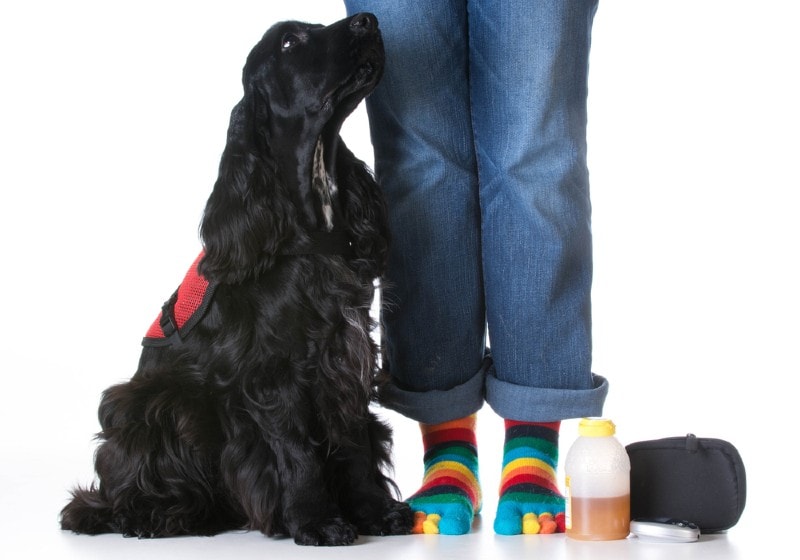
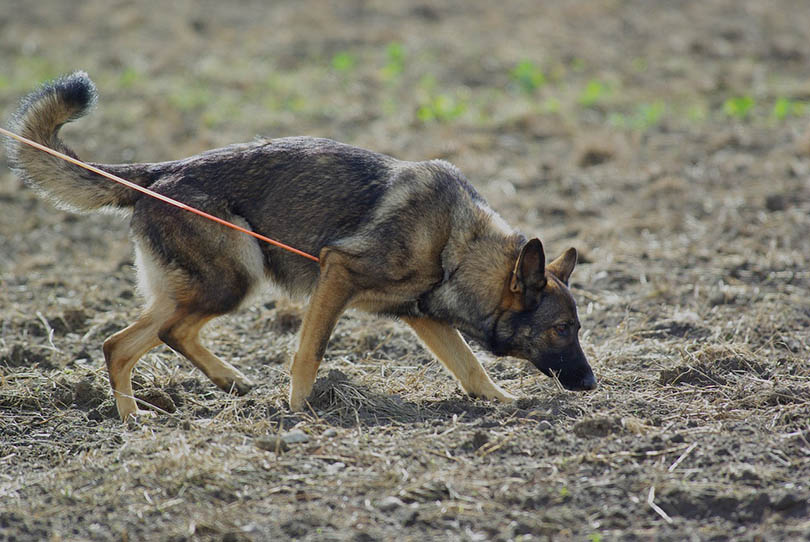
Gluten-sniffing dogs are specifically trained to sniff out and find any gluten hiding in foods (or anywhere near you) to save you from accidentally consuming or touching something you shouldn’t. Though the cost of getting one of these service dogs can be a bit high, the amount you save on emergency medical bills from inadvertently eating gluten will make up for it!
Interested in getting one of these service dogs? Here’s what you need to know.

How Does It Work?
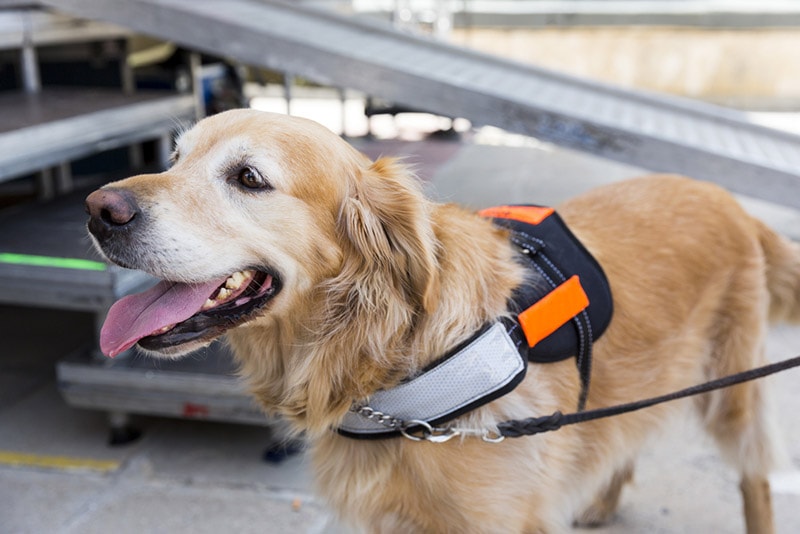
Gluten-sniffing dogs (or Celiac Service Dogs) can be trained by a handful of companies, including Willow Service Dogs¹, Nosey Dog Detection Partners¹, and Allergen Detection Service Dogs¹. Training takes about a year or so to complete (though this can range depending on the dog’s age, breed, and trainability). Most any breed can be trained to be a gluten-sniffing dog, but certain breeds tend to do better, such as Australian Shepherds, German Shepherds, Golden Retrievers, Poodles, and Labrador Retrievers.
Since there are no national guidelines¹ for training a dog to be a Celiac Service Dog, each company will do things somewhat differently when it comes to training. Willow Service Dogs, for example, has a program¹ that helps you teach your dog a host of things, including “Scent Work Foundation Skills and Odor Principles” and “Tasks Work Specialized to your Needs”. And to graduate from the training course, pups must pass three testing areas. Whereas Nosey Dog Detection Partners offers training¹ by professionals or a self-training course that lasts anywhere from 6 months to 1 year.
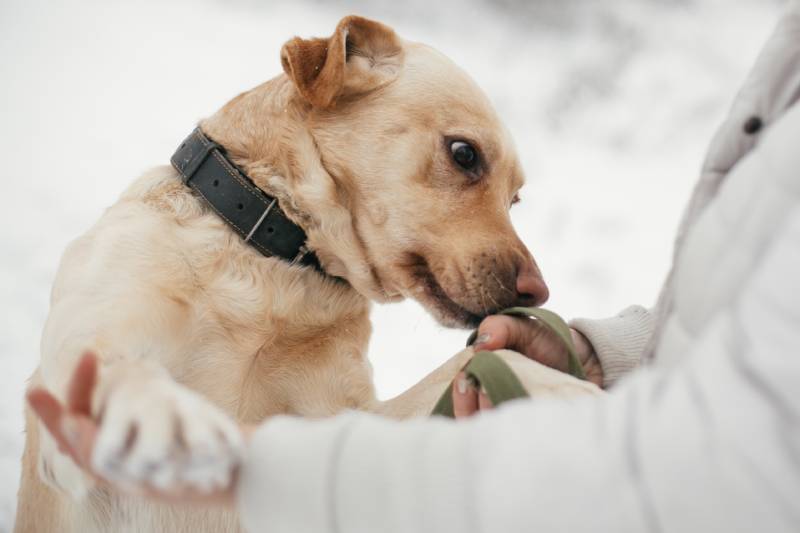
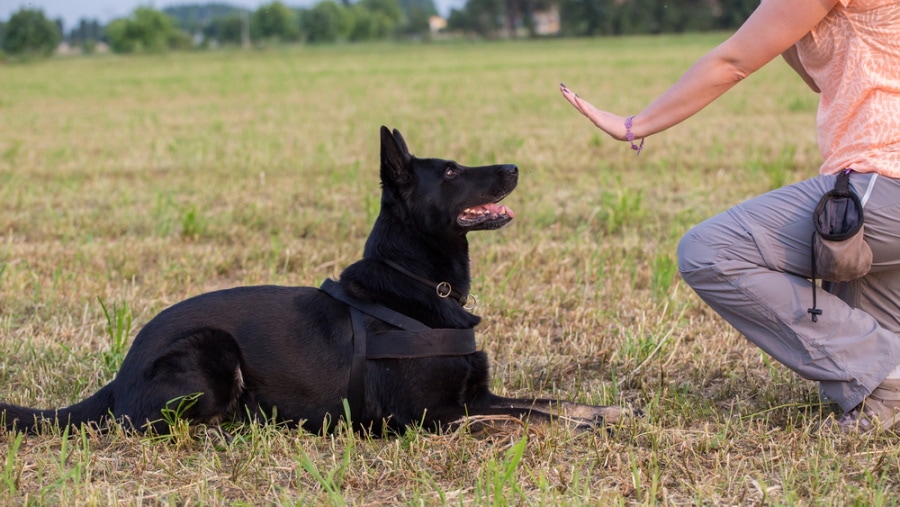
After a dog has graduated from a training program, it will be able to sniff out gluten not only in specific items but any that is in the room. Most often, dogs are taught to raise a paw if they smell gluten, but some training companies may teach them to back away from a food or object if gluten is identified instead.
And training for gluten-sniffing dogs isn’t a one-and-done kind of thing. Much like many professions require continued education, these service pups will need to do the same to keep their gluten-sniffing abilities working as well as possible.
What Does It Cost to Train a Gluten-Sniffing Dog?
While costs will vary depending on the company and program you choose to go with and how long your dog takes to train, the price of training a gluten-sniffing dog is, unfortunately, rather high. You can reasonably expect to pay between $10,000 and $20,000¹ for the original bout of training. (This cost doesn’t include any continuing education courses your service dog will require in the future.)
And you shouldn’t expect your health insurance to cover the cost of training your service animal. Most insurance companies won’t consider this at all. But you may be able to use a Healthcare Spending Account (HSA) or Healthcare Reimbursement Account (HRA) to help cover some of the costs associated with service dog training (and possibly even all the costs).
Your best bet is to speak with any training program you’re considering to find out exactly what they charge and whether they have information on costs being covered or partially covered by an HSA or HRA.
If someone in your family has severe celiac disease, having a Celiac Service Dog around will make a world of difference and keep them safe from harm, so weigh that against the high cost of training to determine if it’s worth the price.
Where Are Gluten-Detection Dogs Used?
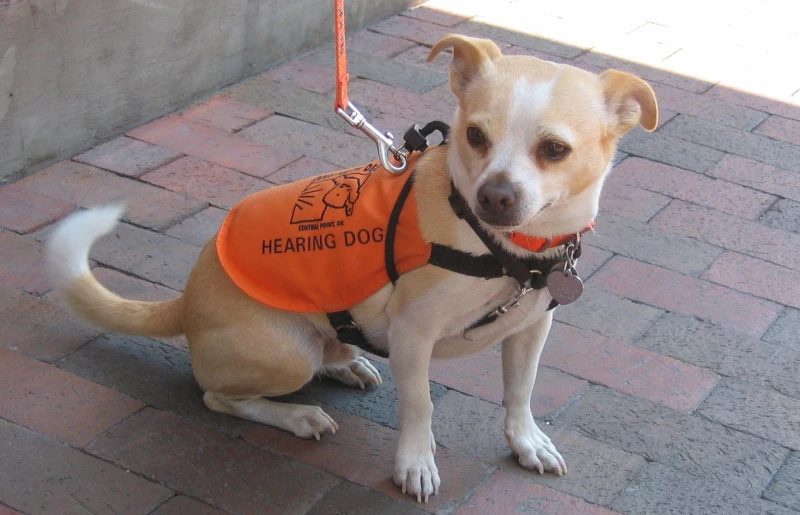
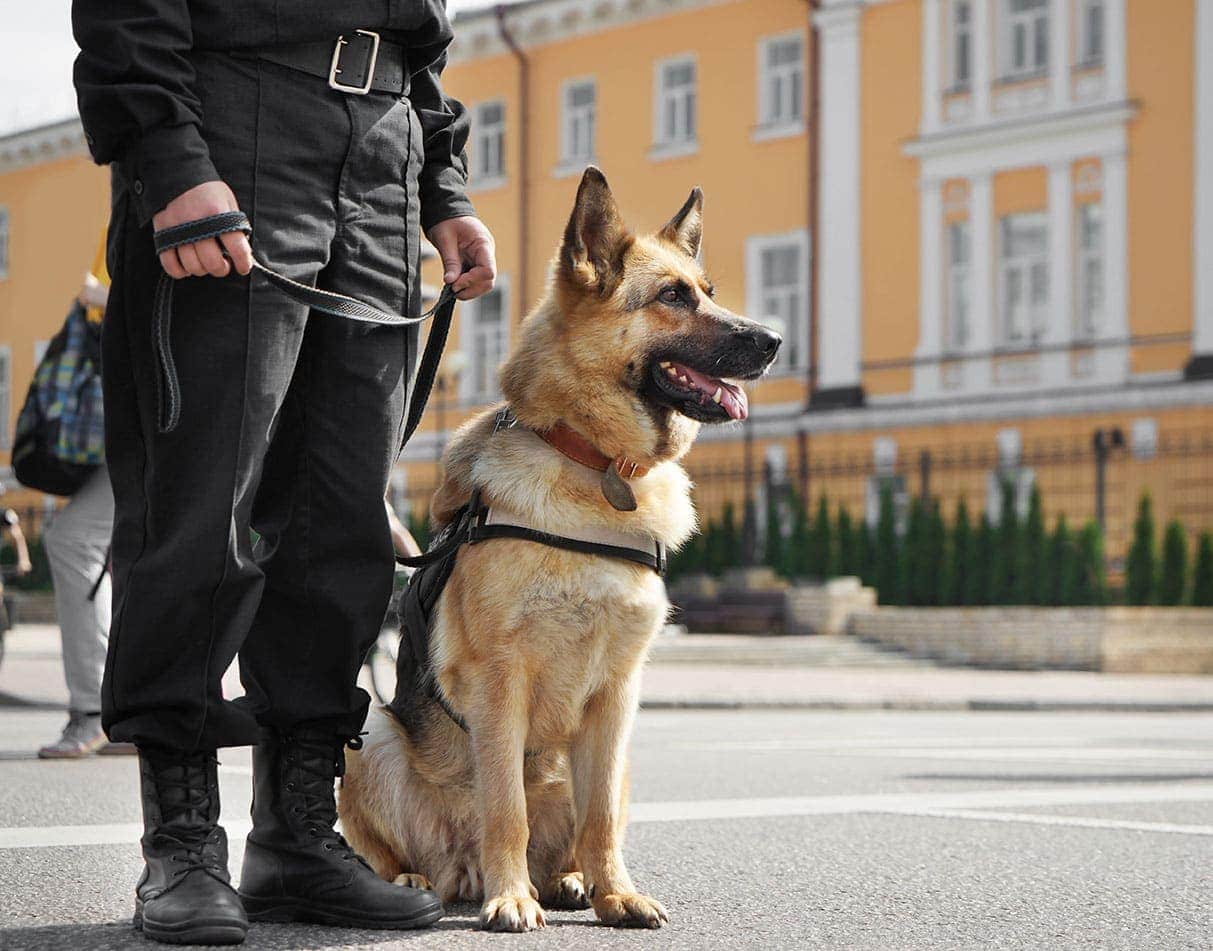
Gluten-sniffing dogs are most often used in the home, but as service dogs, they are allowed under federal law¹ in any place the public is allowed to go. So, you can take a gluten-sniffing dog to a restaurant or grocery store; you can even take it to places such as hotels and theaters. And if it’s a child that needs the service dog, they can bring the dog with them to school. Even if a location has a “No Pets Allowed” sign or policy, your gluten-sniffing dog doesn’t count as it isn’t a pet but a working dog.
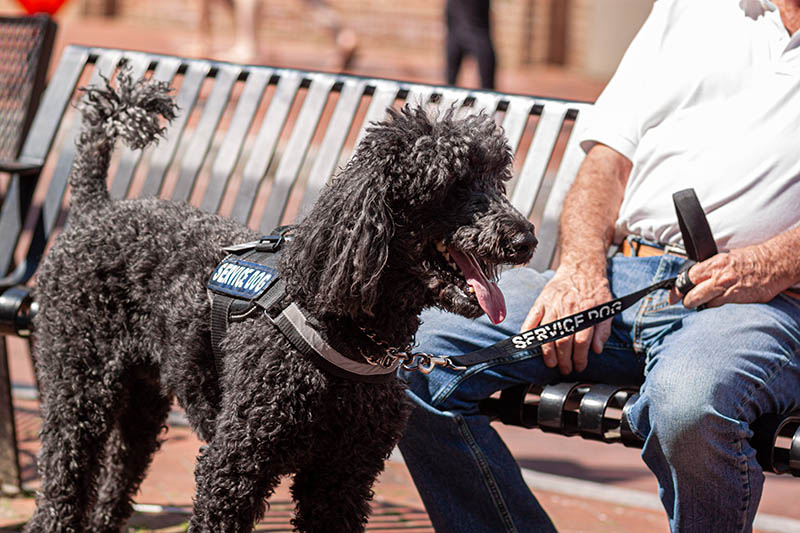
However, service dogs must be leashed or harnessed while in public spaces.
Advantages of Gluten-Detection Dogs
The advantage of having a gluten-sniffing dog is, of course, being able to know whether there is gluten in your food or anywhere in the room near you. Knowing this before eating or touching something you shouldn’t could save you from health issues, especially if you have severe celiac disease. Having a gluten-sniffing dog can easily change the quality of your life for the better.

Disadvantages of Gluten-Detection Dogs
The biggest disadvantages of gluten-sniffing dogs would be the cost of training and the time it takes to train a dog to identify gluten. The cost alone is a considerable disadvantage, especially since health insurance most likely won’t help pay for it. And if you have an immediate need for a gluten-sniffing dog, then the fact that it can take half a year or more to train a dog can be a long time to wait to get your service pet.
Frequently Asked Questions
To help you learn even more about gluten-sniffing dogs, we’ve gathered some of the most frequently asked questions¹ people have about these service dogs.
The Dogs
How are gluten-sniffing dogs different from other dogs?
While all dogs have extremely sensitive noses, dogs that are suitable for sniffing out gluten are the ones that are willing and able to focus on searching out that one smell from the plethora of other smells that are coming through to them at the same time. Any dog with the ability and focus to do this will make an excellent gluten-sniffing dog.
How does one choose a gluten-sniffing dog?
The best way to choose a good service dog is by looking at several factors. That’s why training companies will go through a variety of tests with a dog, including physical, environmental, and intellectual, to assess a dog’s behavior. Those dogs that do well and are smart, motivated, and eager to please will be able to get the job done.
Are gluten-sniffing dogs accurate?
These service dogs are incredibly accurate when finding gluten, but no dog will ever be 100% accurate at all times. While 100% accuracy is typically required for certification, even dogs have days when they are off or sick, just like humans.
Handling Service Dogs
What's the hardest part of having a gluten-sniffing dog?
It’s not just the dog that will need to be trained; you will also have to train with the dog to learn how to properly incorporate it into your daily life. Part of that will require you to work with gluten at certain points, which can be a frightening thought. However, the training program you’re working with can discuss the safest way to go about doing this during training.
Costs
Is the cost of training a gluten-sniffing dog tax deductible?
According to the IRS, the cost of training, the purchase of a dog, and costs associated with maintaining a gluten-sniffing dog are all tax deductible as medical expenses. You might also be able to gain other tax savings by having a service dog (though you’ll have to talk with your accountant about those).
Conclusion
If you have celiac disease, getting a gluten-sniffing dog could be a lifesaver. These dogs go through special training to be able to sniff out gluten wherever it may be hiding. However, the cost of getting one of these service dogs is quite high (though you may be able to cover some costs with health savings accounts), and the time it takes a dog to be trained can also be rather lengthy, depending on the dog.
But if you or someone else in your family needs to ensure there’s no gluten around, then a gluten-sniffing dog could well be worth the time and expense!
Sources
Featured Image Credit: Dmitriev Mikhail, Shutterstock
Get Hepper In Your Inbox


Pet care tips from our vets and experts, straight to your inbox.
You may opt-out at any time. View our Privacy Policy for more information.
Misty Layne lives out in the woods in small-town Alabama with her two Siamese—Serafina and Jasper. She also has an array of stray cats, raccoons, and possums who like to call her front porch home. When she’s not writing about animals, you’ll find her writing poetry, stories, and film reviews (the animals are, by far, her favorite writing topic, though!). In her free time, Misty enjoys chilling with her cats, playing piano, watching indie and foreign films, photographing abandoned places, and catching up on her never-ending TBR list.
Join the conversation
Ask a question, share your story, or send private feedback.