Hepper is reader-supported. When you buy via links on our site, we may earn an affiliate commission at no cost to you. Learn more.
What Are Guard Hairs on a Dog? Vet-Approved Canine Fur Facts


In this article
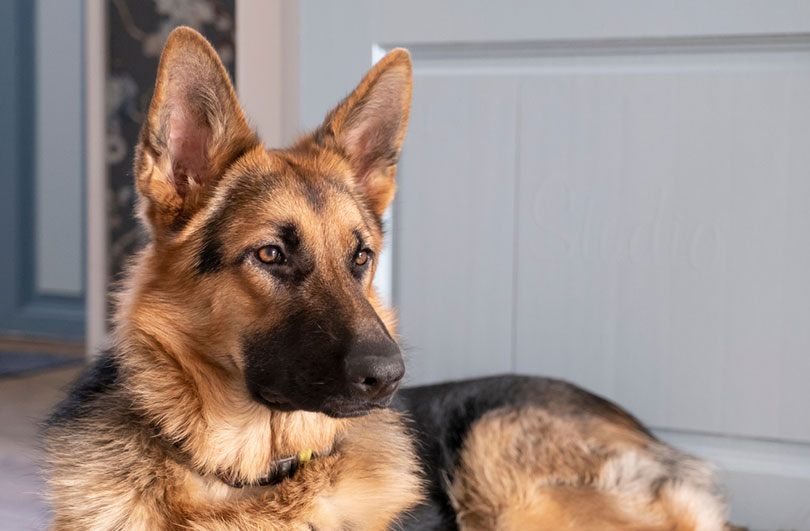
A defining feature of dogs is their coat. A dog's fur coat is made up of hair. Dogs have several different types of hair that all serve different purposes. Guard hairs are the topmost layer that covers your dog’s skin surface and are often referred to as the “top coat.” Every dog breed has guard hairs, and those with a second layer of hair, known as the undercoat, are considered to be double-coated.
You can think of your dog’s coat just as you think of your own coat. Dogs with double coats have a soft and dense undercoat that keeps them warm and insulated, just like your winter jackets. Dogs with single coats don’t have that dense and insulating undercoat, so it’s like they're always wearing a light spring jacket.
If you’ve ever wanted to know more about your dog’s top coat, keep reading. We’re going to take a deep dive into guard hairs and their purpose. Read on for more.

What Exactly Are Guard Hairs?
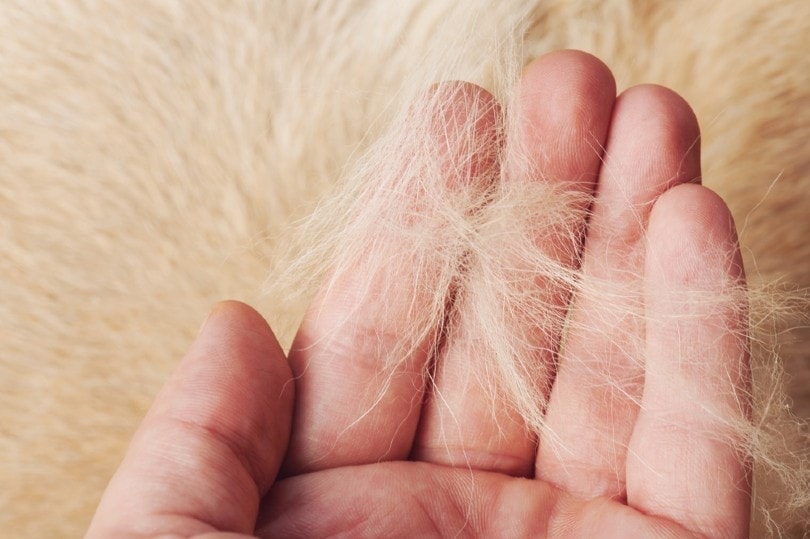
Guard hairs are thick and long hairs that follow the contour of your dog’s body.
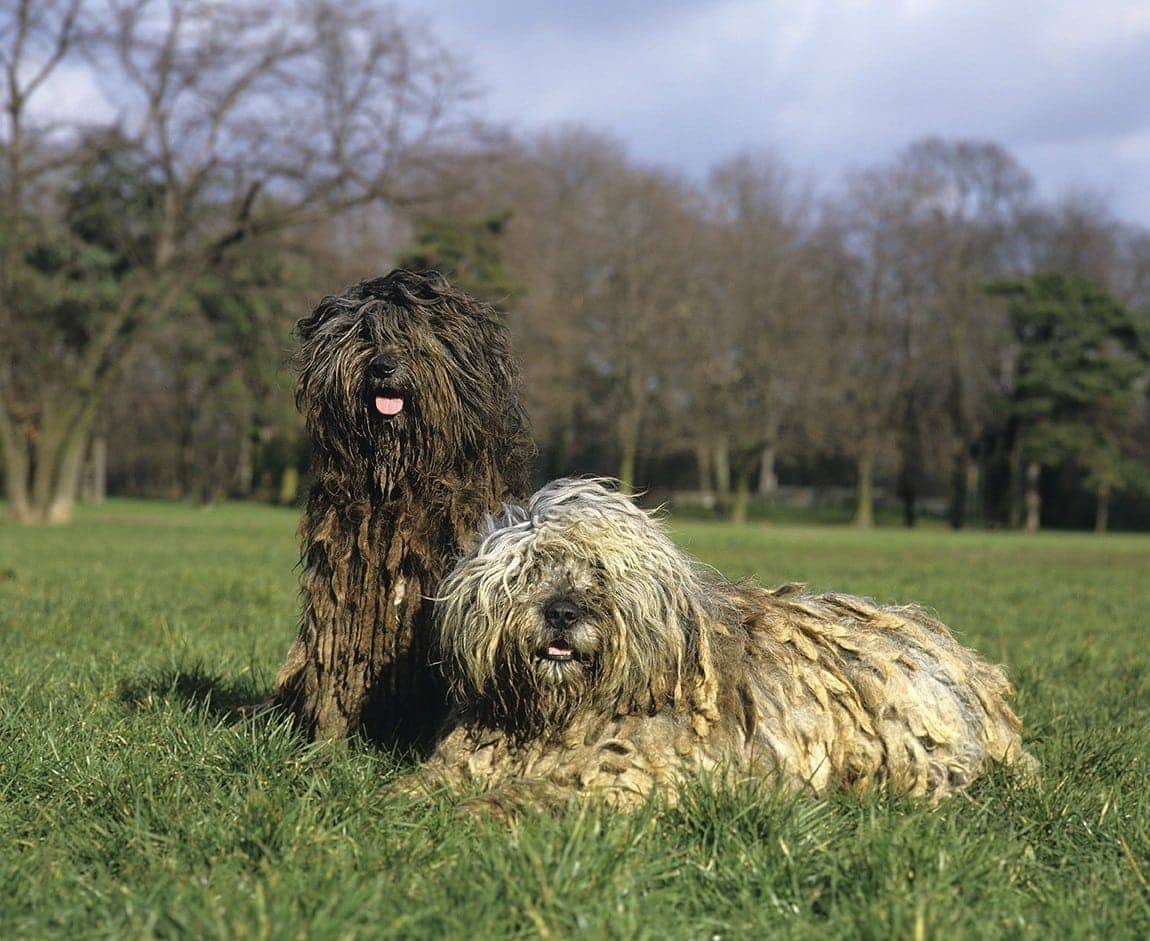
Their texture will vary depending on your dog’s breed. Guard hairs of wire-haired dog breeds like a Schnauzer will be crisp and harder-feeling. Guard hairs on dogs that were bred to work in water will be higher in oil to ensure water runs off of the hairs to protect the undercoat from becoming saturated. Dog breeds designed to live in cooler temperatures will have stiff and long guard hairs to protect the skin and undercoat from harsh wind and freezing temperatures.
What Do Guard Hairs Do?
Guard hairs have many jobs and are an integral part of not just your dog’s coat but their life. In most cases, they help identify a breed and also offer individuality to a dog because they form the various colors and patterns of their coat.
They act like a layer of waterproofing. They protect your dog’s skin against things like moisture, as well as things they may come into contact with in their daily life like fleas, ticks, or pokey plants.
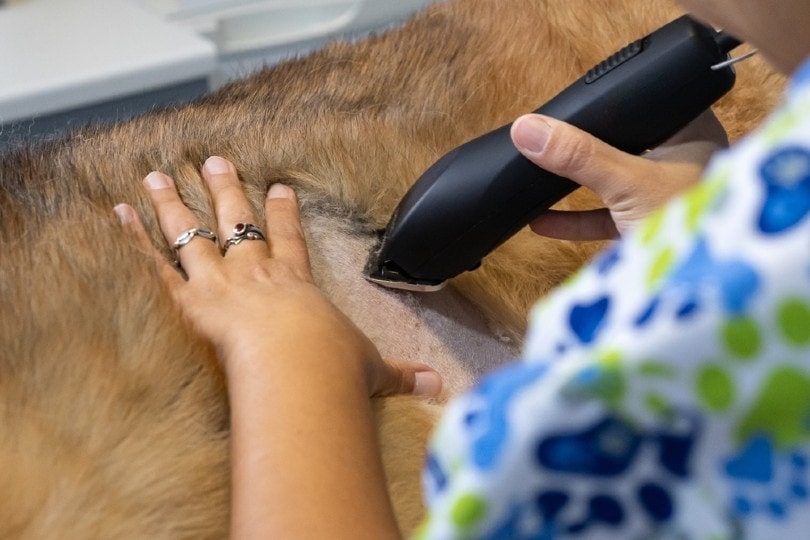
Dogs can get sunburns on any area of exposed skin. Their thick and coarse guard hairs block the sun's harmful UV rays to keep your dog’s skin safe. This is one of the reasons why you should never completely shave your dog as it can make them susceptible to sunburns without the protection of their guard hairs.
Perhaps the most important job of guard hairs is to help with thermoregulation. Guard hairs assist in thermoregulation by keeping your dog warm. Attached near the root of each guard hair is a muscle known as the arrector pili. Whenever this muscle contracts, the guard hair stands up, trapping some air near your dog's body. This trapped air then heats up and provides your dog warmth. They effectively act as an extra layer of insulation to protect your pooch and keep them warm in cooler weather.
In warmer temperatures, guard hairs help cool your pup down as well! When double-coated breeds shed their undercoat, air can easily circulate through their guard hairs, allowing for better regulation during the hotter seasons. Additionally, guard hairs help your pup when they're out in the sun by deflecting away some of the sunlight that falls onto their body.
The action of the arrector pili muscles is also what allows a dog to "raise their hackles" and appear larger when confronted with anything they may perceive as a threat.
How Many Layers Does a Dog’s Coat Have?
A dog’s coat is made of two layers. The top-most layer, as you already know, is made of the stiff guard hairs you are learning about today. The second coat is known as an undercoat and is composed of softer down hairs that act as insulation.
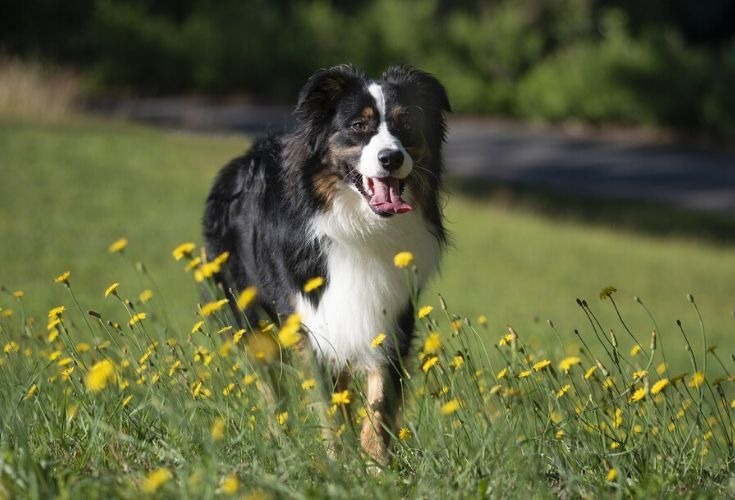
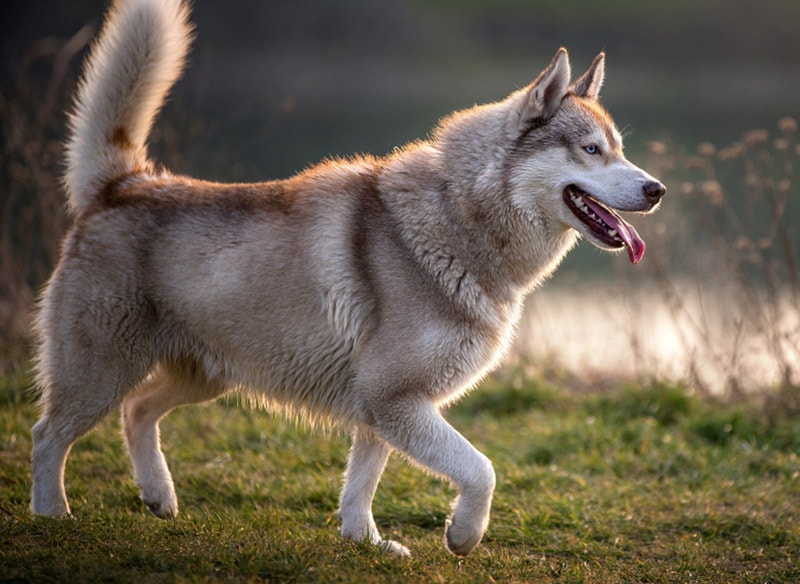
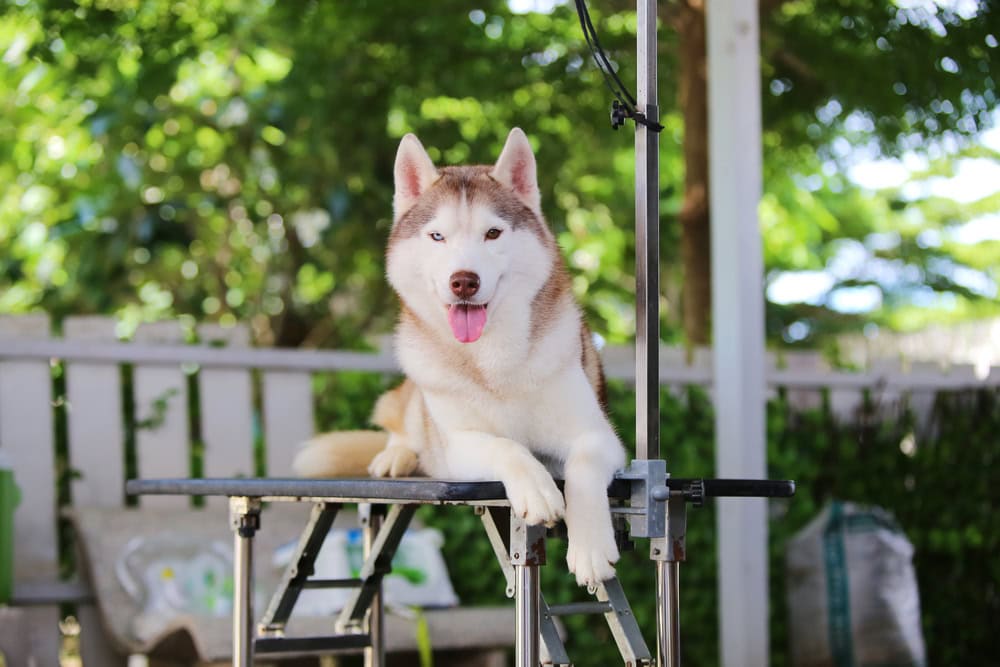
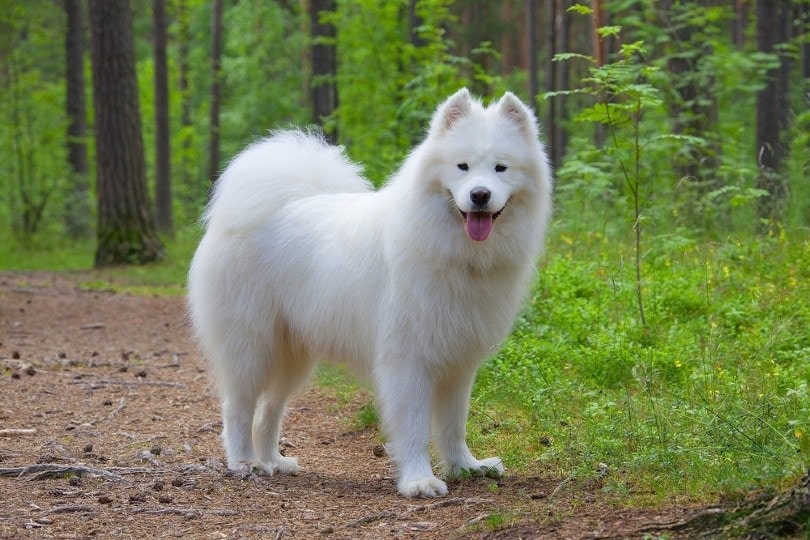
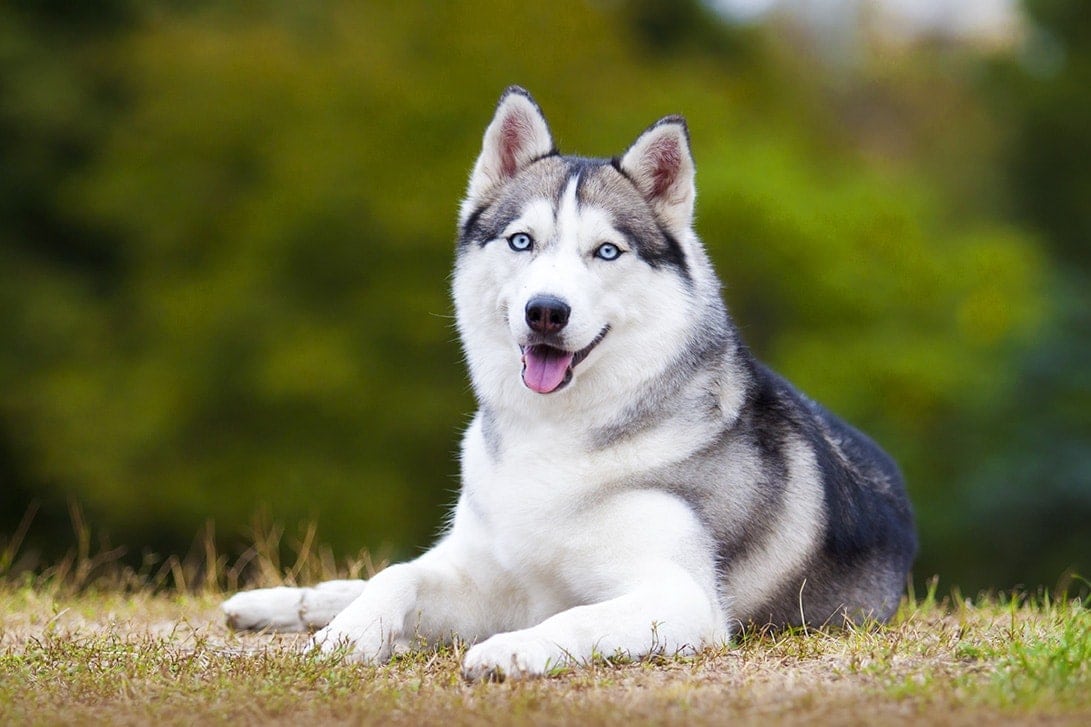
Dog breeds that have both a top and undercoat have what is known as a double coat. Double-coated breeds include Siberian Huskies, Samoyeds, Australian Shepherds, and Bernese Mountain Dogs. These breeds are easy to distinguish, as they often have a dewlap (extra skin around the neck that serves as insulation), as well as through their seasonal shedding.
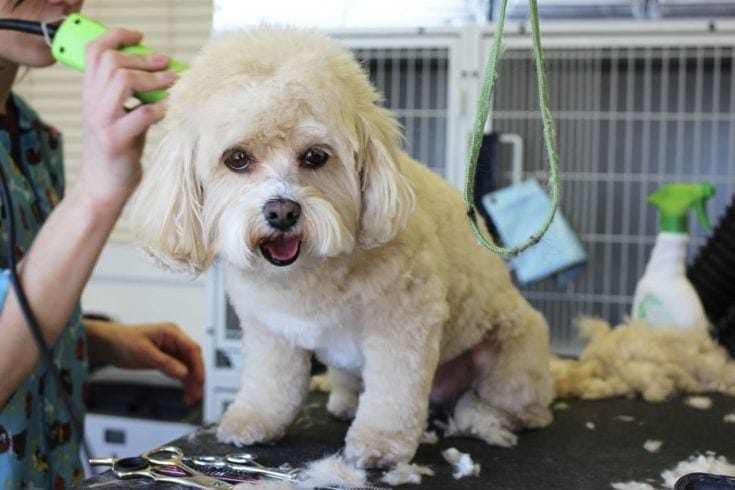
The coats of breeds with a single coat are composed only of guard hairs. Breeds with single coats include Chihuahuas, Boxers, and Dachshunds. Single-coated breeds can have long or short coats in a wide variety of textures and often have a longer growth cycle than breeds with double coats.

Final Thoughts
Like all hairs, guard hairs serve several important purposes on your dog. Without them, these purposes cannot be fulfilled, and your dog will have a difficult time properly regulating its body temperature.
It’s important to know what kind of coat—single or double—your dog has so you can take the appropriate measures in keeping them at a safe temperature no matter the season.
Sources
Featured Image Credit: DasyaDasya, Shutterstock
Get Hepper In Your Inbox


Pet care tips from our vets and experts, straight to your inbox.
You may opt-out at any time. View our Privacy Policy for more information.
Chantelle's life revolves around two passions: writing and animals. Raised on the prairies of Canada amidst a menagerie of pets, she now lives with five cats, two guinea pigs, and a bearded dragon. Together with her husband and child, Chantelle delights in being an exemplary animal parent, going as far as installing wall-mounted cat shelves to give their cats an indoor playground. When she's not cozying up with her cats or snapping their amusing antics, she enjoys venturing into the Rocky Mountains, binge-watching her favorite Netflix shows, and indulging in spontaneous reading adventures.
Join the conversation
Ask a question, share your story, or send private feedback.