Hepper is reader-supported. When you buy via links on our site, we may earn an affiliate commission at no cost to you. Learn more.
Can Bearded Dragons Eat Maggots? Vet-Reviewed Nutrition Facts


Have you ever peered into your bearded dragon's cage and wondered, "Hey, can my bearded dragon munch on maggots?" If so, you're not alone! This question pops up quite a bit among reptile pet parents. Sure, your bearded dragon can snack on maggots, but it's not as straightforward as it seems.
While maggots can provide vital nutrients and fats, feeding them to your dragon buddy should be done with a bit of caution. Not all maggots are created equal! The ones you find outside in your compost bin or trash can carry harmful parasites or bacteria. It could lead to trouble if they end up in your dragon's belly. So, offering your beardie store-bought or captive-bred maggots is crucial to ensure you’re not introducing any unwanted guests to your dragon’s digestive system.
As the saying goes, variety is the spice of life. That is equally true for bearded dragons as it is for us! Maggots should only form a part of their well-rounded diet, alongside a diverse mix of insects, fruits, and veggies.

What Are Maggots?
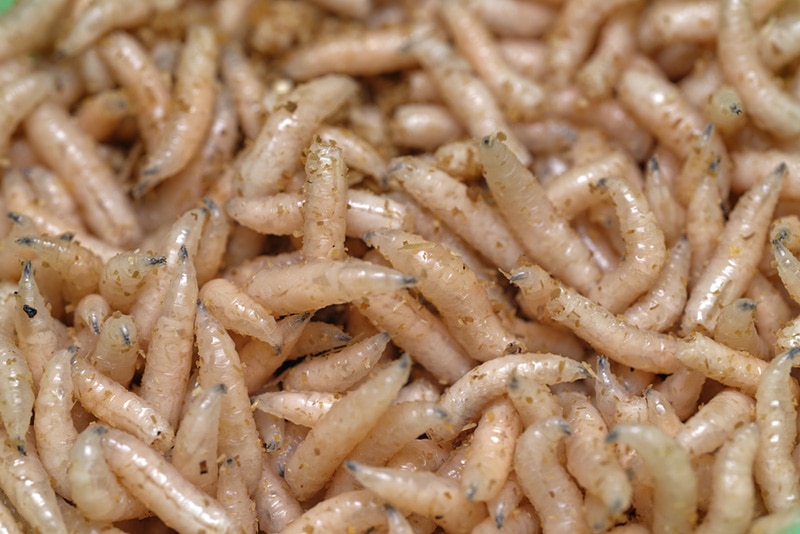
Maggots are the larval form of flies; more specifically, house flies, blowflies, and cheese flies. It’s natural to think of them as dirty or diseased; we usually associate them with garbage or rotting flesh! But the humble maggot is only as dirty as where they are laid, which is why captive-bred is best.
The Upsides of Maggots on the Menu
There's a reason maggots might be considered a good treat for your bearded dragon: they have several health benefits. Let's have a closer look:
- Better Digestion: Maggots are packed with beneficial bacteria. These little microorganisms work wonders for your dragon's digestion, breaking down their food more effectively. It's like a team of tiny food processors in their belly!
- Appetite Boost: A maggot might do the trick if your dragon friend isn't feeling too peckish. Their high protein content gives dragons the energy boost they need, helping stimulate their appetite.
- Disease Defense: Bearded dragons can be prone to various illnesses, including bacterial infections like salmonella. Maggots, when sourced from safe and reliable places, can keep their digestive system healthy, reducing the risk of disease.
- Immunity Improvement: Maggots are an excellent source of vitamins and minerals, giving your dragon's immune system the support it needs to fend off potential illnesses.
- General Health Boost: The essential nutrients that maggots carry can enhance the overall health of your dragon, filling in any nutritional gaps in their diet and keeping them robust and vigorous.
What's in a Maggot? A Look at the Nutritional Value
Maggots have a lot going on nutritionally. They can provide:
- Protein: An essential nutrient for muscle building and maintaining healthy skin and bones. Maggots pack about 22–24 grams of protein per 100 grams.
- Fat: These energy-rich lipids help keep your dragon's energy levels up. Maggots contain 6–8 grams of fat per 100 grams.
- Carbohydrates: Maggots have moderate carbohydrates (around 10 grams per 100 grams) that aid digestion and the absorption of other nutrients.
- Vitamins and Minerals: Maggots are packed with vitamins A, C, E, K, and choline. They also contain minerals like zinc, iron, and magnesium that help strengthen your dragon's immune system.
The Vitamins and Minerals Your Bearded Dragon Needs
- Vitamin A: Also known as retinol, Vitamin A helps maintain your dragon’s skin and vision. You can also find it in leafy greens, like spinach and kale, and orange fruits and vegetables, like carrots and pumpkin.
- Vitamins C and E: These powerful antioxidants help protect your dragon’s cells from damage. Both are found in fruits and veggies, such as bell peppers and tomatoes.
- Vitamin K: Crucial for blood clotting, vitamin K is also in leafy greens, broccoli, and Brussels sprouts.
- Choline: It plays a role in maintaining cell structure and messaging. Egg yolks and fish are good sources.
- Zinc, Iron, and Magnesium: They are essential for many biological functions, including immune function and metabolism. You can find them in nuts, whole grains, and green leafy vegetables.
The Not-So-Good Side of Maggots
Even with their nutritional punch, maggots have a few downsides.
- Imbalanced Diet: Despite their nutrient richness, maggots can lead to nutritional imbalances if they are the primary food for your bearded dragon. Too much protein and fat can lead to malnutrition and health issues.
- Parasitic Infection: If not properly handled or stored, maggots can carry parasites, which can infect your pet.
- Choking Hazard: Maggots can be challenging to handle and pose a choking risk for smaller dragons.
- Allergic Reaction: Though rare, some dragons may have an allergic reaction to maggots. Signs of an allergy can include difficulty breathing, swelling, and skin irritation.
- Obesity Issues: Consuming too many maggots can lead to weight gain in bearded dragons. Obesity in dragons can lead to reduced energy levels and other health complications.
So, if you're considering introducing maggots into your bearded dragon's diet, remember the golden rule of feeding: moderation is key. Providing around 8–10 maggots a week for adults and juveniles is ideal.
And don't forget, maggots are only part of the story. Dragons can also eat vegetables, flowers, and fruits.
Other Insect Alternatives
If the thought of feeding your dragon maggots makes you squirm, or if you're looking for variety, there are plenty of alternatives out there:
- Crickets: They are a staple in the diet of bearded dragons. High in protein and relatively easy to digest, crickets are an excellent choice for your scaly friend.
- Mealworms: Another favorite snack for bearded dragons, mealworms are good sources of protein and fat, but they should be given in moderation due to their high chitin content, which can be hard for dragons to digest.
- Dubia Roaches: These insects are increasingly popular since they provide protein and are easy to digest. They also have a better calcium-to-phosphorus ratio than many other insects, which is vital for bone health in bearded dragons.
- Silkworms: These soft-bodied worms are highly nutritious and low in fat, making them a good choice for a treat. They're also rich in calcium and protein.
- Butterworms: Butterworms are high in calcium and a nutritious treat. They're also high in fat, so they should only be given sparingly.
- Phoenix Worms: Also known as calci-worms, they're rich in calcium and protein and low in fat.
- Nightcrawlers: Also known as earthworms, these wriggly worms can provide essential nutrients, but most beardies don’t like the taste.
Final Thoughts
Incorporating maggots into your bearded dragon's diet can be beneficial due to their nutritional value, but it's vital to source them responsibly and feed them in moderation. Eating too many can lead to nutritional imbalances and health issues.
Remember that a balanced diet for a bearded dragon should include insects, vegetables, and fruits. As your dragon grows and matures, adjust their diet accordingly. Feed juveniles a diet high in protein and gradually shift to a primarily plant-based diet as they reach adulthood. Always gut-load and dust insects with calcium before feeding them to your dragon.
Resist the urge to go into “hunter-gatherer” mode and start collecting maggots. Not only could you misidentify a species and give your beardie something toxic, but there’s no way of knowing what parasites, herbicides, or other harmful chemicals they carry. Always source your live food from a reputable reptile supplier.
Keeping your dragon's diet varied and balanced, coupled with proper hydration, will go a long way in ensuring their health, happiness, and longevity. It's an integral part of being a responsible and caring bearded dragon parent!
See Also:
Sources
Featured Image Credit: andanatb, Shutterstock
Get Hepper In Your Inbox


Pet care tips from our vets and experts, straight to your inbox.
You may opt-out at any time. View our Privacy Policy for more information.
Melody Russell is an experienced pet enthusiast with a background in the animal care industry. She has worked at a zoo, served as a dedicated pet sitter, and has a passion for breeding and raising leopard geckos. As a versatile freelance writer, she excels in various genres, crafting captivating stories, informative articles, and engaging social media content. You can find her cat page, TheCommonKitties_, on Instagram, where she shares the adorable antics of her beloved feline companions. With her practical expertise and creative flair, she is eager to contribute her skills in pet care and writing to make a positive impact on the lives of animals.
Join the conversation
Ask a question, share your story, or send private feedback.