Hepper is reader-supported. When you buy via links on our site, we may earn an affiliate commission at no cost to you. Learn more.
Why Do Dogs Sneeze While Playing? 7 Vet-Reviewed Reasons Explained

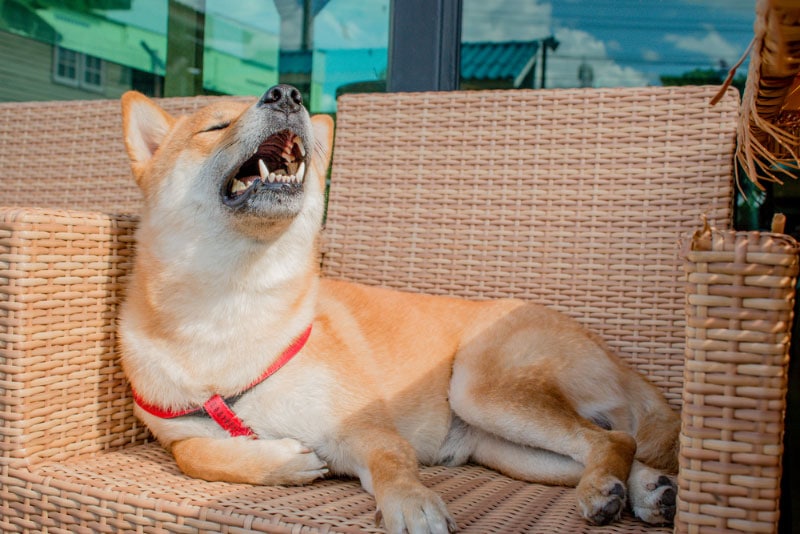
Sneezing is common among our canine friends, and it's often incredibly cute, especially when we see their sweet faces crinkle up and then let out a theatrical sneeze. Dogs sneeze for many of the same reasons that humans do. They may also sneeze while playing, typically as a sign of being excited and not wanting to come off as a threat to their playmate. However, there are many other causes of canine sneezing, especially if you notice an increase in the number of times that your dog sneezes compared to normal.

The 7 Reasons Why Dogs Sneeze While Playing
Sneezing is a normal response that dogs do for a plethora of reasons, such as communicating with other doggie friends, self-expression, or expelling pesky objects from the nose. While these reasons are certainly not an exhaustive list, it does convey the common culprits causing a sneeze or two.
1. Playful Sneezing
Sneezing during play and active times is perfectly normal and is a demonstration by your dog that they are happy, excited, and having fun! It can be used in play fights with another dog to release tension and to indicate that they are friendly and not a threat.
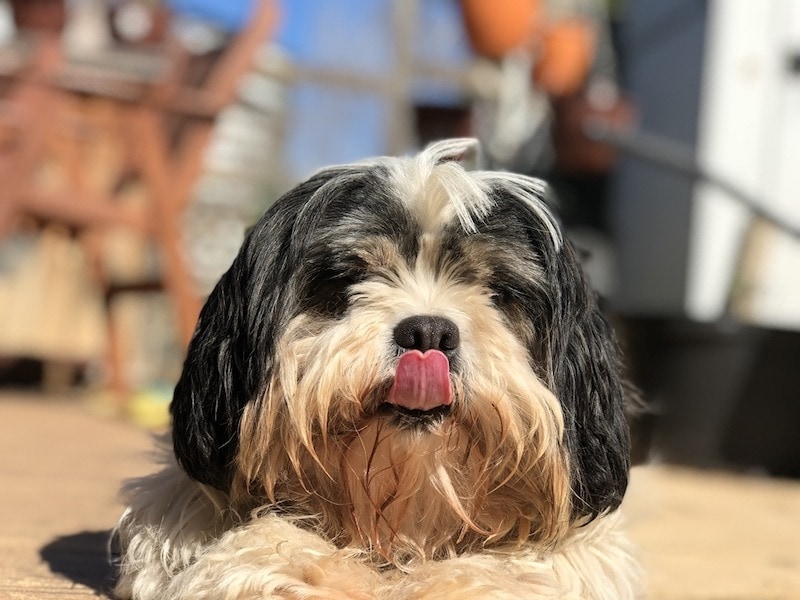
A playful sneeze tends to come from the nasal cavity as opposed to the lungs, making these sneezes short, sharp, and quick. Tail wagging, pricking their ears up, and licking can also coincide with playful sneezes to accentuate the happy and playful mood they are in. It is also thought that playful sneezing is more common in smaller dogs, but dogs of all sizes can and do sneeze while playing.
2. Allergies
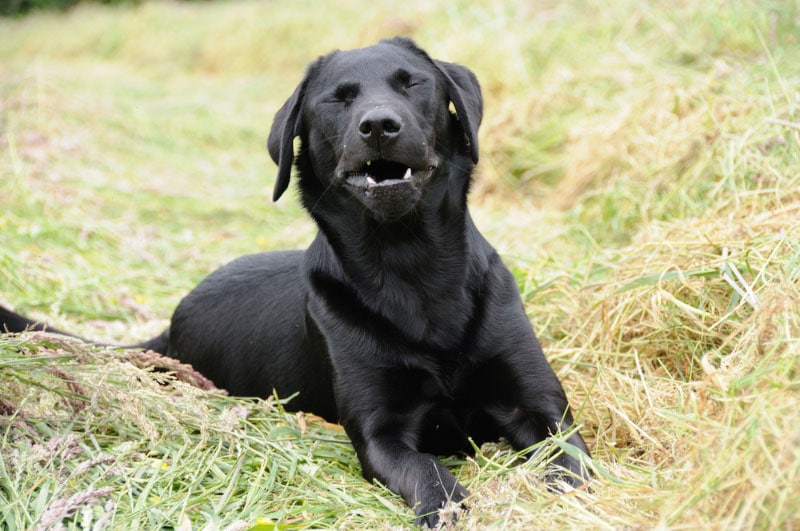
Allergies are a common reason to cause your dog to sneeze. The allergy can be seasonal or food related, and due to the complexity and vast range of this topic, you'll need to discuss with your vet if you suspect that your dog may be allergic to something in their environment or food.
3. Communication
Barring any other signs and illness being present, sneezing is a common way for dogs to talk! They use their sneezes to indicate their playfulness and friendliness, but their excitement or calmness can also be expressed in this way. Dogs use this sneezing technique to communicate with other dogs and people, particularly their owners and other members of the household. As a fun fact, African wild dogs (Lycaon pictus, also known as painted wolves) are thought to vote using a sneeze to mean yes if they want to go ahead with a pack hunt.
4. Irritation
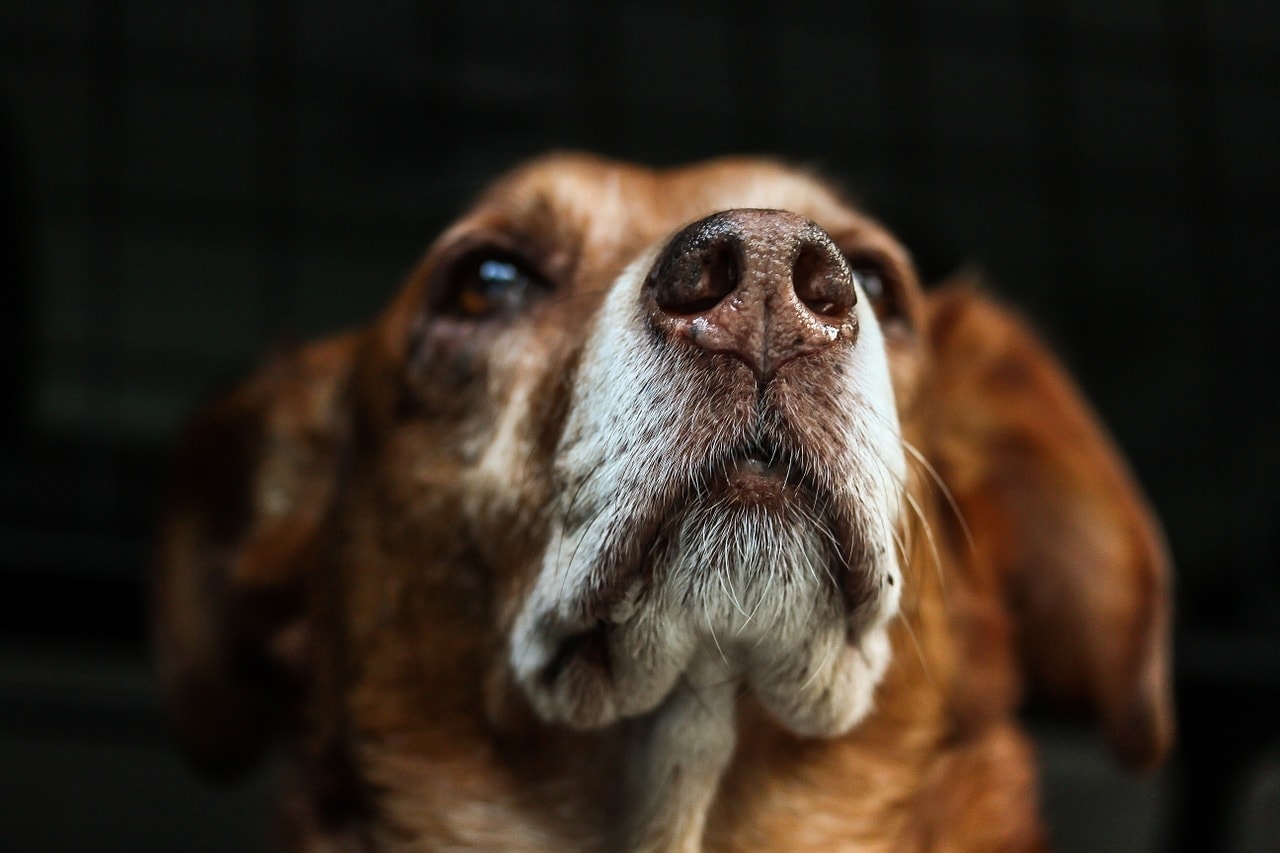
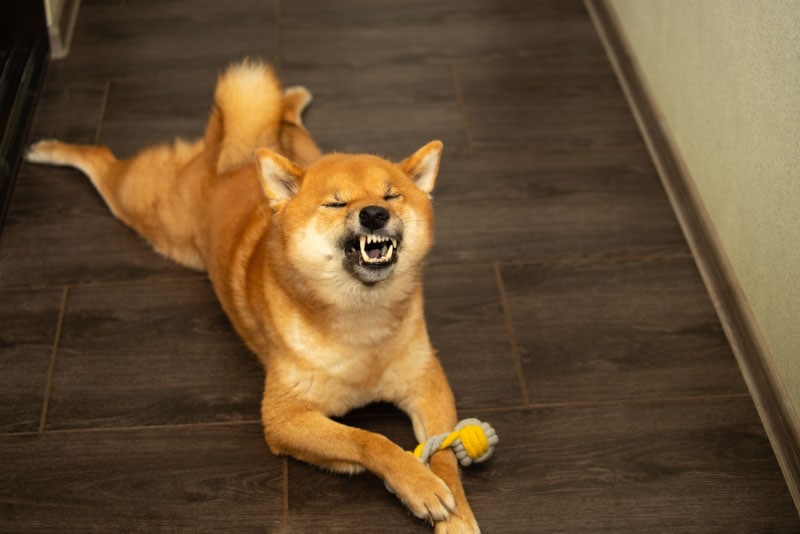
Dogs' noses are exceptionally sensitive and powerful. Their sense of smell is profound—far more so than a human's—and irritants in the air often cause your dog to sneeze or have a bout of sneezing. Any of the following products can cause this, and if you are experiencing this frequently and notice a pattern with your dog, it might be time to switch things up.
- Cleaning products
- Air fresheners and diffusers
- Hair sprays and hair products
- Scented candles, incense sticks, and oils
- Tobacco smoke or other types of smoke
- Dust
- Pollens
- Perfume and aftershave
5. Foreign Bodies
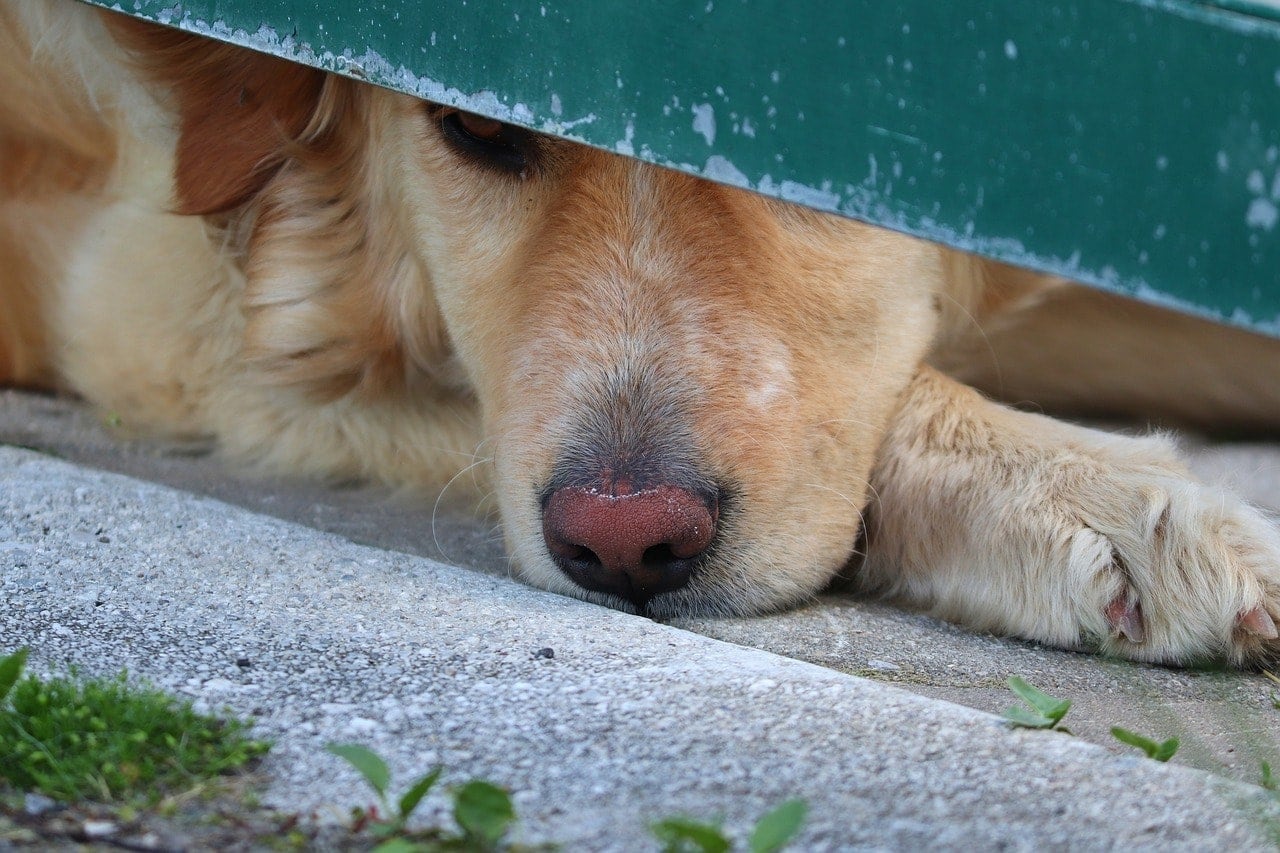
Many dogs, similar to young children, put their noses in places they shouldn’t! This can result in something becoming stuck inside the nose, especially if your dog is a hunting variety and spends a lot of time foraging around in their environment.
Bits of debris, leaves, grasses, grass seeds, and chips of wood or twigs can all wedge themselves in there. In these cases, the sneezing will persist and increase, as your dog’s natural response is to try to remove it. They will also appear irritated and may paw at their face. A trip to your veterinarian will be necessary to examine the nose and remove any object stuck in there.
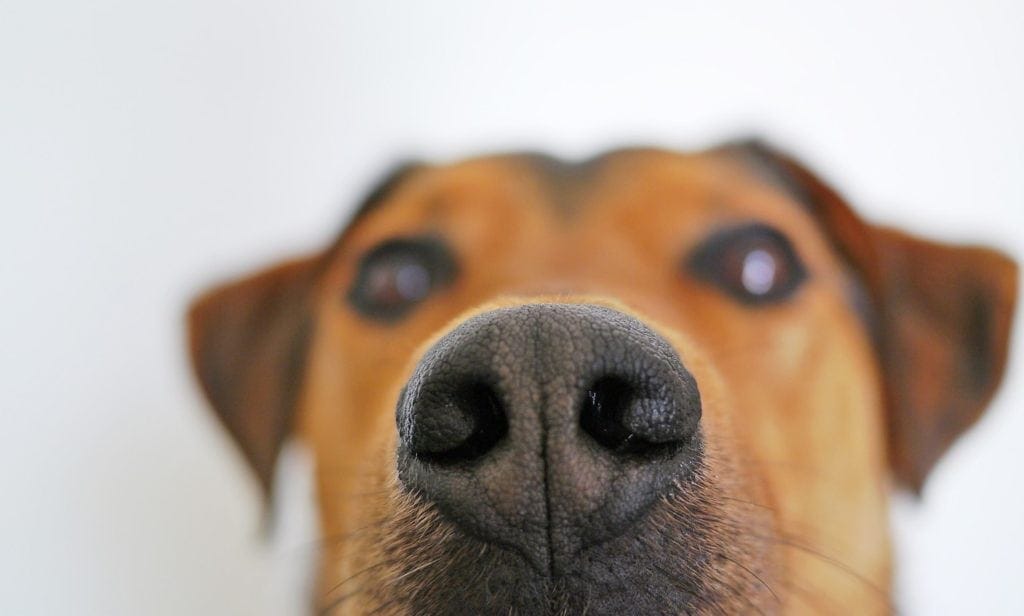
6. Nasal Infection and Tumors
An infection can be caused by one of the huge variety of pathogens out there. Sneezing as a result of infection will present with other signs of illness: nasal discharge, for example. The Aspergillus species, a type of fungus with over 180 types of mold, has a couple of strains that can affect dogs and is an example of such a pathogen. This particular infection causes plenty of snotty sneezing, among other unpleasant signs, and will require extensive tests and treatment.
Tumors, both benign and malignant, are uncommon but can occur anywhere in the nose and nasal cavity. Other signs almost always accompany these and increase as the tumor or lump grows. Signs can include nasal discharge, especially if only from one nostril, nose bleeds, pain, and eventually, facial shape change.
7. Dental Problems
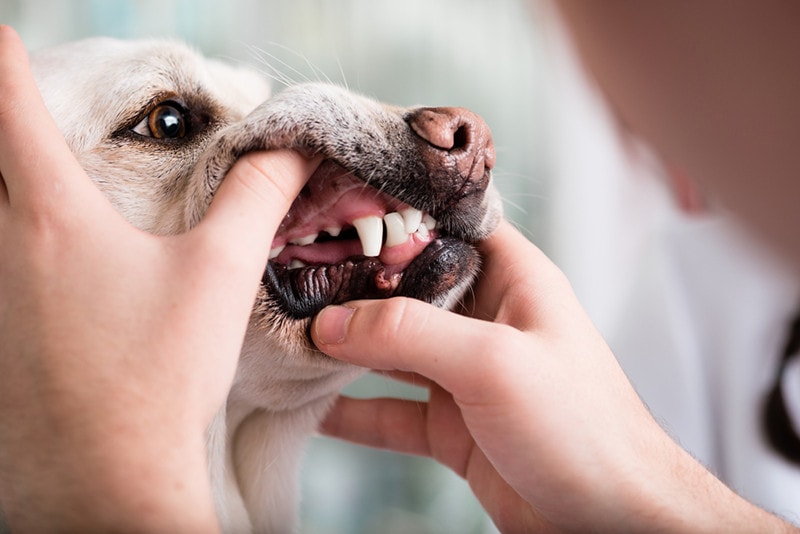
Numerous problems arising from the mouth, teeth, and gums can cause sneezing in a reaction to the said issue, especially if it is chronic, has gone unnoticed for a while, or hasn’t received any treatment.
Abscesses, tumors, infections, fractured or damaged teeth/roots, and inflammation can all be the main cause of sneezing. Some of the larger teeth have multiple long roots and can extend upward near the nasal cavity, causing interference. An examination will be required by your veterinarian to locate and treat the issue. Other signs are also usually presented in cases of dental misdemeanors causing sneezing.

When Should I Be Worried If My Dog Is Sneezing?
A few sneezes here and there with no other signs or issues alongside them are nothing to be concerned about. Should your dog begin to exhibit any of the following signs, though, contact your veterinarian for a health check and examination.
- Excessive and increased sneezing
- Persistent sneezing
- Nose bleeds or the particles from sneezing contain blood
- Seeing something stuck up their nose
- Pain or irritation, such as your dog pawing at their nose and being vocal when they eat
- Bump/lump on the outside of their face near their cheekbones
- Lumps found anywhere in the mouth
- Any discharge coming from their nose
- Inflamed, rough, and/or ulcerated nostrils
- Decreased appetite or not eating
- Drowsiness and lethargy
- High temperature
- Coughing
- Breathing problems and difficulties
- A change in the color of their gums
Final Thoughts
Playful and communicative sneezing is a normal part of canine behavior and is pretty cute! There isn’t anything to be concerned over when this is the case, but many other issues may also cause sneezing. These causes, however, often present with other signs and don’t just occur at playtime. They will need attention from your veterinarian, though. Any concerns should always be checked out, but otherwise, enjoy this sweet form of communication from your dog!
Sources
Featured Image Credit: Nateethep Thawinwisan, Shutterstock
Get Hepper In Your Inbox


Pet care tips from our vets and experts, straight to your inbox.
You may opt-out at any time. View our Privacy Policy for more information.
Annaliese began her career as a veterinary nurse in Edinburgh, later advancing her qualifications with a diploma in advanced veterinary nursing in surgery from London. Her work in small and mixed veterinary practices led her to become a head nurse, where she trained other veterinary nurses, managed the nursing department, conducted nurse clinics, and developed new patient care protocols.
Throughout her career, Annaliese has cared for thousands of patients and their owners, setting higher standards in nursing regimes with a focus on surgery and anesthesia. She co-authored multiple veterinary nursing textbooks and contributed to various mainstream publications in the UK and USA. After more than twenty years in the veterinary and pet care professions, she retired from clinical practice to pursue full-time writing. Having cared for thousands of patients and owners, Annaliese specialized in surgery and anesthesia. She was asked to co-author several veterinary nursing textbooks and contributed to a number of other publications in the UK and USA. After more than two decades in the veterinary and pet care industries, she retired her scrub suit and now works as a full-time writer.
Annaliese Morgan has been a dedicated veterinary nurse for over two decades, having completed a diploma in advanced veterinary nursing in surgery from London and qualifying from Edinburgh. Her professional experience includes managing a nursing department, training other veterinary nurses, providing patient care, and running nurse clinics in both small and mixed veterinary practices.
As an expert in surgery and anesthesia, Annaliese has treated thousands of patients and owners. In addition to being asked to co-author multiple veterinary nursing textbooks, she has written for a variety of publications in the UK and USA. After a long and successful career in the veterinary and pet care professions, Annaliese now dedicates her time to writing full-time. You can find out more about her work at www.annaliesemorgan.com.
Join the conversation
Ask a question, share your story, or send private feedback.