Hepper is reader-supported. When you buy via links on our site, we may earn an affiliate commission at no cost to you. Learn more.
Why Does My Puppy Keep Sneezing? 7 Vet-Reviewed Reasons

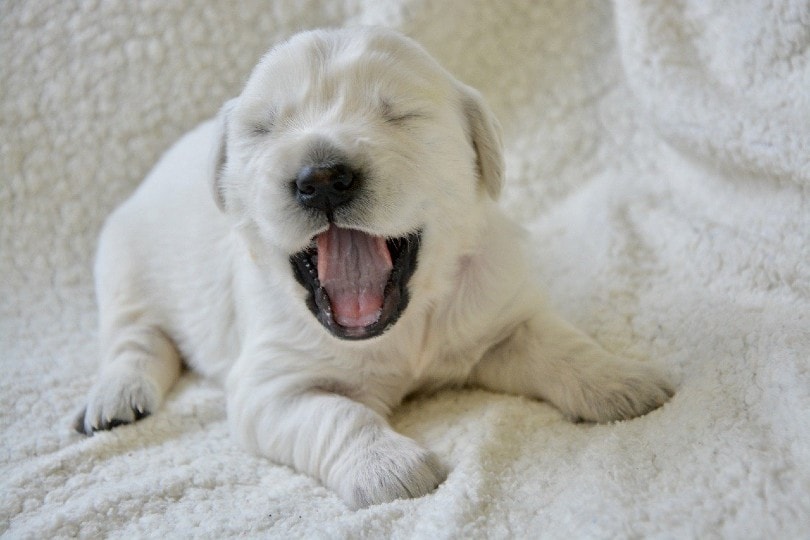
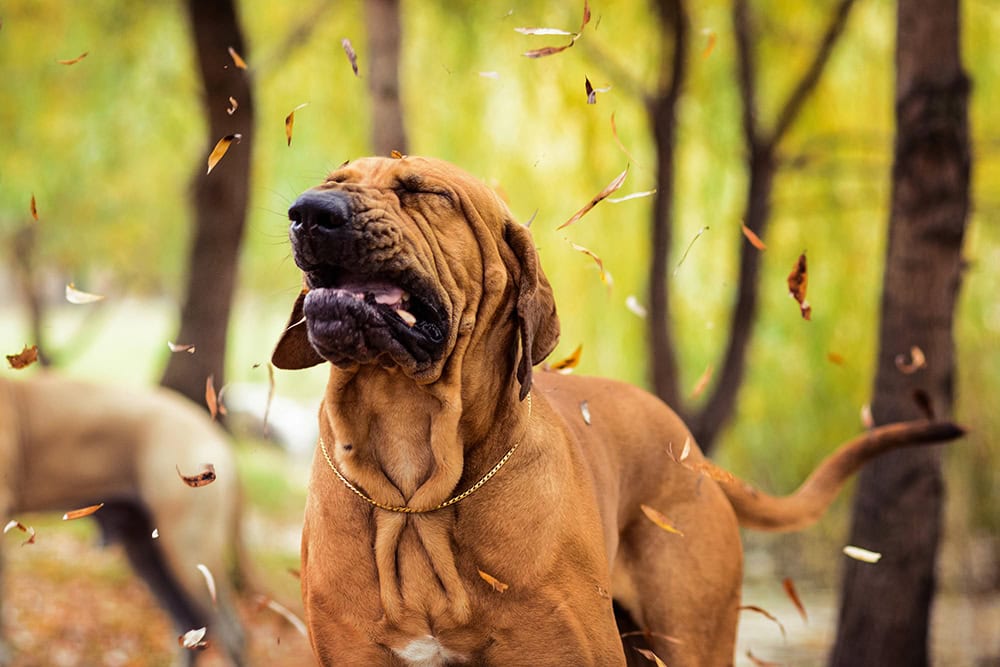
Sneezing is a mechanism the body uses to clear the nasal cavity of irritants, like dust or pollen, which are commonly inhaled through the nose. Sneezing not only happens in humans but also our pets, as they have noses and nasal cavities, after all! But is there ever a cause for concern? Specifically, does your puppy keep sneezing?
If so, the cause could be simple and nothing to worry about, or there could be something else going on. In this post, we’ll list the seven typical reasons why puppies sneeze.

The 7 Reasons Why Your Puppy Might Keep Sneezing
1. Allergies
Allergies can wreak havoc on our sinuses and are the most common cause of sneezing. Allergy symptoms are similar in puppies as in humans, and the causes are usually environmental. If your puppy is allergic to something in the environment, then sneezing, chest congestion, and a runny nose soon follow. It’s wise to take your little puppy to the vet if the sneezing is persistent to determine the cause, which could range from the trees in the area, certain plants, mold, dust mites, or even a food allergy.
2. Inhaled Irritants
Dogs use their sense of smell to navigate the world. For puppies, the world is brand new, and you better believe they will check out anything and everything. That said, your puppy could be sneezing due to inhaled irritants in the home, such as perfume, carpet powders, air fresheners, hair spray, cigarette smoke, cleaning products, and other potential irritants. Dust is a common culprit, and chances are your puppy is inhaling dust when inspecting his surroundings, but the cause could be other irritants.
3. Foreign Bodies
It doesn’t take much to make a puppy sneeze, but when your puppy sniffs an object up his nose, sneezing will follow, as this is the normal mechanism used to rid the nasal cavity of the object. Your puppy could potentially sniff small parts from toys that can get lodged in the nasal cavity, or it could be something as simple as a blade of grass. Some plants have seeds that can shoot up the nose with a sniff, such as the Foxtail plant. However, depending on the object, it may need to be removed by your veterinarian.
4. Nasal Infections
Sneezing can be brought on by an upper respiratory infection that can be a viral, fungal, or a bacterial infection—even an infected tooth can become problematic and cause sneezing. However, any dog can get an infected tooth, but puppies are usually not prone to this type of problem from their teeth just yet unless they eat something that can crack a tooth (remember, they are little investigators). Signs to look for are a bloody or mucus discharge, excessive drooling, and a lack of appetite.
5. Reverse Sneeze
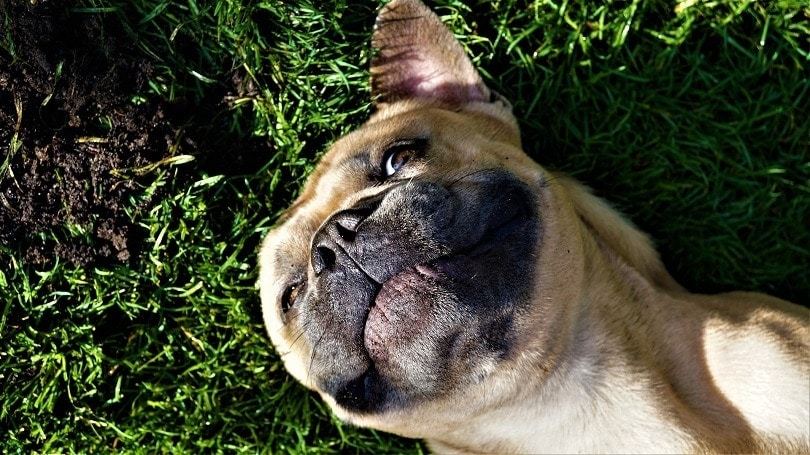
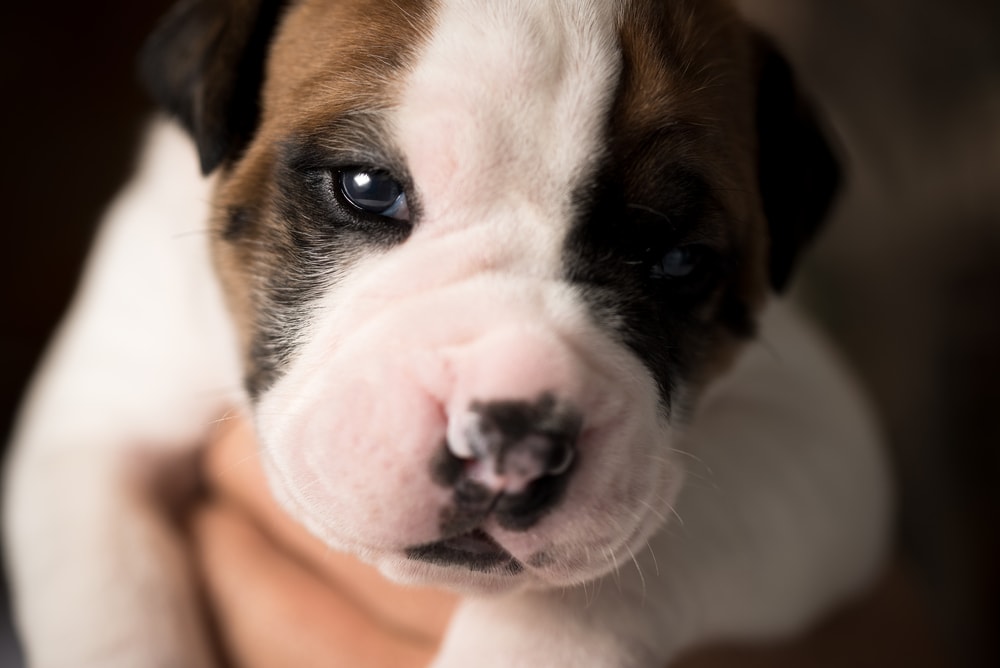
A reverse sneeze is a spasm-type respiratory response that can occur with any dog, but it’s more common with smaller brachycephalic breeds with squished faces. Brachycephalic dogs have shorter skull bones, which give the face and nose a “flat” appearance. The soft tissue inside the sinuses are compressed or folded to accommodate this, causing narrowing and obstruction of the upper airways.
This type of sneeze happens when the body tries to rid the nose and nasal cavity of allergens, or it can happen during excitement. When a dog reverse sneezes, it makes a snorting sound caused by sudden rapid inhalations. Reverse sneezing is fairly common and is no cause for alarm. This sneeze is more common in Boston Terriers, Boxers, French and English Bulldogs, Lhasa Apsos, and Pugs.
6. Nasal Mites
Dogs love to use their noses to rummage through dirt to see what they can find, but sometimes, what they find is unpleasant. Nasal mites are found in dirt and can be inhaled when a dog rubs its nose in the dirt. These pesky little arthropods can cause irritation and inflammation, and they can be a real nuisance to your dog.
A reverse sneeze is common when a dog has nasal mites, along with a bloody discharge, noisy breathing, facial itching, head shaking, and labored breathing. Your veterinarian can administer some form of treatment, usually an ectoparasite treatment such as a spot-on, that is used to treat fleas, ticks and mites.
7. Play Sneezing
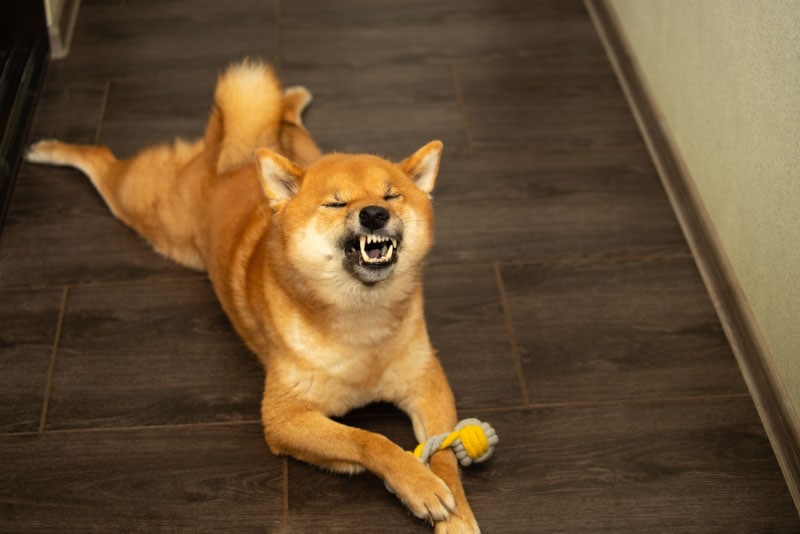
Have you noticed your puppy sneezing while playing? If so, this type of sneeze can happen due to happiness and excitement. A puppy may also have a play sneeze to alert another dog that he just wants to play. If your puppy is on a playdate and is not showing any signs of allergy issues, then a play sneeze is most likely the reason. It is not a “true” sneeze in the strictest sense, more of a nasal exclamation!

What Can I Do to Help My Dog with Constant Sneezing?
We recommend taking your puppy to the vet if the sneezing is persistent. Your veterinarian can examine your puppy to ensure a medical issue, such as nasal mites, a foreign body lodged in the nose, or some other irritant, is not to blame. Once your puppy is cleared of any medical issues, examine your home to ensure nothing is causing the sneezing. If you’re a smoker, don’t smoke inside as the smoke could cause your puppy to sneeze, and it’s unhealthy for them to inhale. Even the smell of smoke on your clothing can cause sneezing.
Keep plants out of reach (ensure you remove poisonous plants from the home for safety) and keep household cleaning products put away and inaccessible to your puppy. Keep small toys and small toy parts picked up so your puppy doesn’t inhale them, and keep an eye out for any bloody mucus or nasal discharge.
Refrain from giving your puppy over-the-counter medications until you consult your veterinarian.
Conclusion
Many reasons can cause repetitive sneezing in your puppy, and usually, the cause is a simple allergen or play and excitement. However, some causes may be more serious and will need treatment by your veterinarian. It’s important to have your puppy examined to determine the underlying cause—it’s also important to keep harmful products out of reach of your puppy to be safe.
Sources
https://www.petplace.com/article/dogs/pet-care/dog-care/puppy-care/why-is-my-puppy-sneezing/
https://vcahospitals.com/know-your-pet/allergy-general-in-dogs
https://www.akc.org/expert-advice/health/what-happens-when-a-dog-reverse-sneezes/
https://vcahospitals.com/know-your-pet/brachycephalic-airway-syndrome-in-dogs
https://www.aspca.org/pet-care/animal-poison-control/toxic-and-non-toxic-plants?
https://www.merckvetmanual.com/dog-owners/lung-and-airway-disorders-of-dogs/canine-nasal-mites
https://www.vmamodesto.com/blog/sneezing-dog-think-foxtails/
Featured Image Credit By: JACLOU-DL, Pixabay
Get Hepper In Your Inbox


Pet care tips from our vets and experts, straight to your inbox.
You may opt-out at any time. View our Privacy Policy for more information.
Rachel Giordano is a writer and musician out of Pensacola, Florida, living there with her partner and their two dogs, Aero, a Border Collie/Sheltie mix, and Sophie, a Boston Terrier. Rachel has a Bachelor of Arts degree in communication and enjoys writing about all types of animals. When Rachel’s not dedicating her time to writing about animals, she enjoys writing thriller/suspense novels. A writer by day and a musician by night, she's passionate about educating the public about the requirements and needs of all types of animals.
Join the conversation
Ask a question, share your story, or send private feedback.