Hepper blog

Search our database of over 9,984 posts with up-to-date information from our experts and veterinarians.

Hepper is reader-supported. When you buy via links on our site, we may earn an affiliate commission at no cost to you. Learn more.

Can Puppies Have Rawhide? Benefits, Substitutes & FAQ

By Kathryn Copeland · Reviewed & fact-checked by Dr. Lorna WhittemoreVet Approved
Dr. Lorna Whittemore
Reviewed & Fact-Checked byDr. Lorna WhittemoreVeterinarian
Lorna is a Scottish vet who has lived, studied, and worked on three continents and has a love of travel. With 20 years of experience in small animal medicine andsurgery, both in the charity and private sector. Gaining a further qualification in feline medicine has given her a continued sense of amazement at the fabulous animals. Currently living in Cape Town, South Africa, with her family and expanding number of pets allows her to spend time in and around nature where she is at her happiest. With a love for learning, Lorna is enjoying researching, editing, and fact-checking for Hepper veterinary editorial team and truly feels that she has the best job in the world!View authorThe information is current and up-to-date in accordance with the latest veterinarian research. Read about our vets
Share
Ask us a question in the comments
Hepper_Can Puppies Have_Rawhide

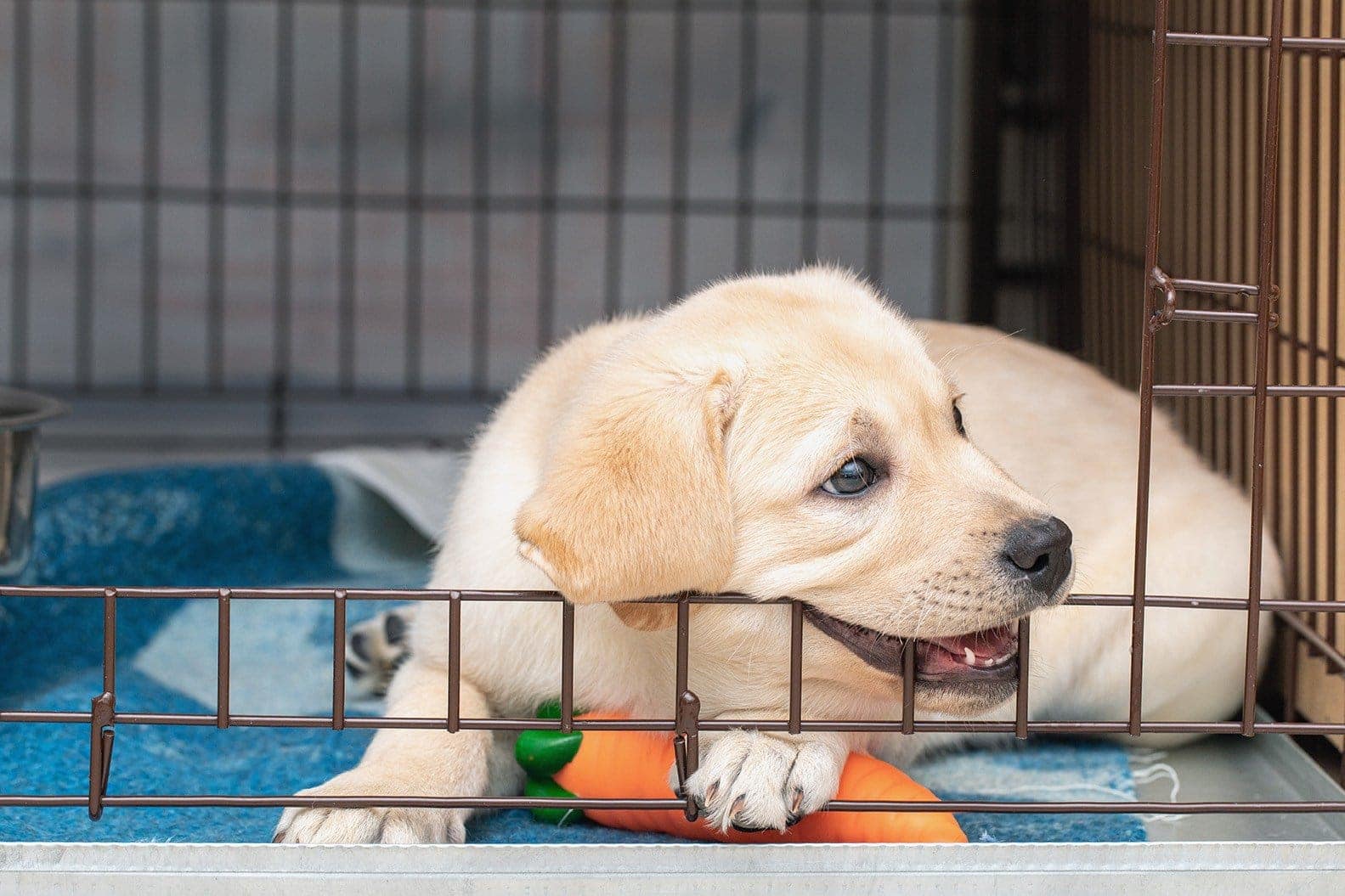
Puppies have puppy teeth and they just gotta chew! But you don’t want your adorable new floor chewing up your shoes, furniture, or anything else that they can get their sharp little teeth on.

This means stocking up on all kinds of chew toys, and since rawhide has been around for ages, you might be wondering if it’s safe to give to your puppy.

Rawhide can be safe for puppies to chew on, but there is a risk of contamination and the potential for choking.

Read on, as we take a closer look at what rawhide is, how it’s made, and why it can pose a risk for your puppy.

What Exactly Is Rawhide?

Giving rawhide to dogs started with the domesticated dog’s wild ancestors. After taking down and consuming hoofed prey, they would chew on the hide, which benefited their teeth.

In the U.S., rawhide generally comes from American cows. But rawhide can be imported from other countries and might be from South American range cows or Oriental water buffalo.

The inner, softer layer of cowhide is the rawhide, which is left over from the slaughterhouse process. The outer, tougher layer of the hide is used for things like shoes and purses.

The hides are treated with various chemicals that strip fat and animal hair and are dried. This process delays (but doesn’t stop) decay and removes the skin color until it turns white or cream.

Rawhide usually has flavors added and is sometimes smoked and dyed with different colors. Following this, it’s preserved with more chemicals and made into a variety of shapes, like bones, rolls, donuts, and braids.

Should Puppies Have Rawhide?

Now that you know how rawhide is made, it should make more sense why it isn’t always the best choice for chewing.

As a general rule, puppies under the age of 6 months shouldn’t be given rawhide, as their teeth are still developing, and it might be too hard for them to chew.

Let’s go over the benefits and downsides of rawhide.

Benefits of Rawhide

Good Chew

The obvious benefit is that they are enjoyable to chew, and teething puppies need to chew! Dogs in general have the instinct to chew and may do so for hours every day.

Rawhides can keep your puppy occupied on something more constructive rather than your favorite shoes. Also, many dogs just love chewing on it!

Healthy Teeth

Chewing on rawhide helps keep the jaws strong and the gums and teeth clean The rawhide gets moistened after chewing and helps rub off plaque, which may help prevent dental problems.
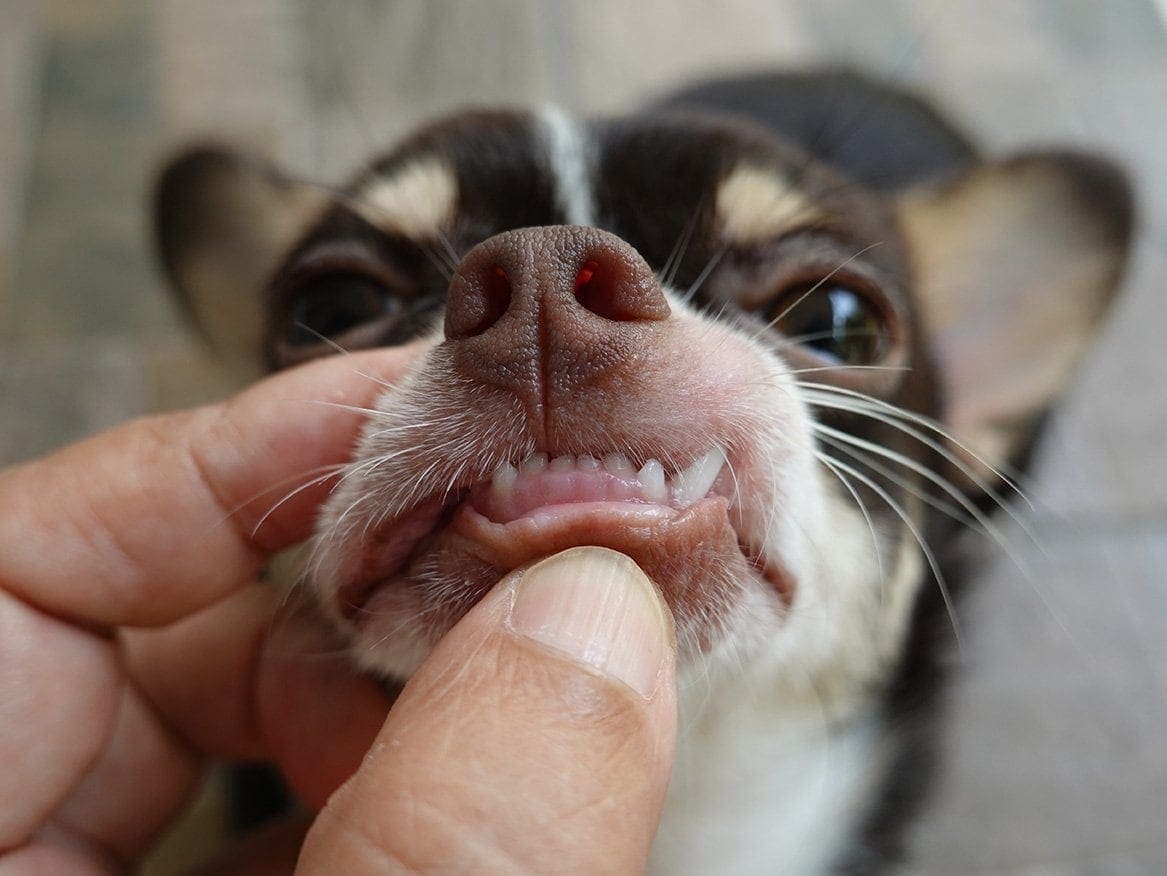
checking puppy teeth
Image: Chang-Pooh24, Shutterstock

Downsides of Rawhide

Chemicals

The process of creating rawhide chews involves various chemicals, especially rawhide made outside of North America. Some companies in other parts of the world have been known to use toxic chemicals in the making of rawhide.

This isn’t common practice in the U.S., so be sure to shop for rawhide made in North America.

Choking/Blockage

Dogs chew and work away on the rawhide and can loosen small pieces. Some of these pieces are large enough that when swallowed, can get stuck in the dog’s esophagus or gastrointestinal tract.

Depending on where the rawhide piece ends up, the vet might be able to remove it from the dog’s throat. But if it’s farther down, the vet might need to perform surgery to remove it. Without surgery, the blockage can be fatal.

Dogs should never be left alone with a rawhide chew to prevent choking and swallowing.
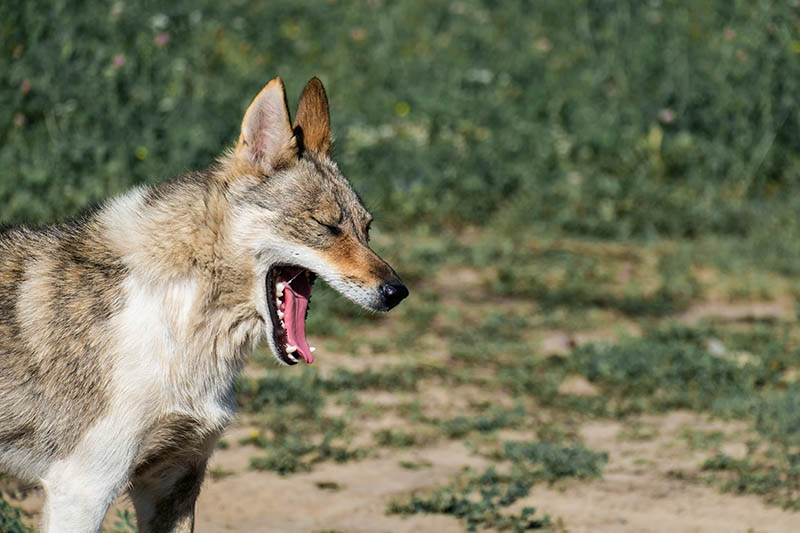
dog choking
Image Credit: McGraw, Shutterstock

Bacteria/Contamination

Beyond the chemicals causing problems, there is also a risk of bacteria and contamination. Coming into contact with contaminated rawhide could lead to Salmonella or E. coli poisoning. The more often your dog chews on the rawhide, the more bacteria will come into contact with your dog.

Digestive Upset

Some dogs might have a sensitivity or food allergy to rawhide, potentially leading to stomach upset with vomiting and diarrhea. The allergy or sensitivity can be directly from the rawhide or the chemicals used to make it.

Finding the Right Size

There can be issues if you don’t give your puppy or dog the right size of rawhide. One that’s too big can potentially cause damage to the dog’s jaw and teeth. But if it’s too small, it’s likely to become a blockage or choking hazard.
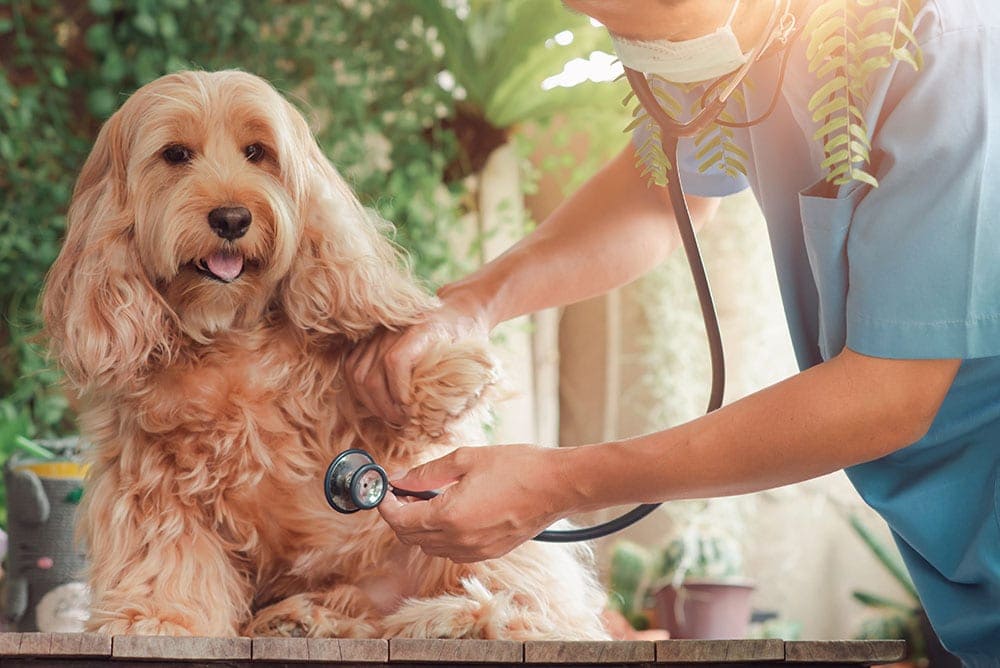
vet examining puppy cockapoo dog
Image Credit: MT.PHOTOSTOCK, Shutterstock

Things to Consider When Giving a Dog Rawhide

If you’d like to give your puppy or adult dog rawhide, keep these things in mind:

  • 6-month-old rule: Don’t give your puppy rawhide unless they are over 6 months old. If they’re younger than this, the rawhide could damage their teeth and jaws.
  • Senior dogs: On the opposite end of the age spectrum, senior dogs are also likely to have issues chewing on rawhide. It’s tough starting and can lead to fractured teeth and damage to the jaw.
  • Dogs with GI tract problems: If the rawhide has been colored or flavored or hasn’t been cleaned properly, this can cause issues for many dogs, especially those with gastrointestinal problems.
  • How your dog chews: Some dogs will wolf down anything, large pieces and all! If your dog is a careful chewer, rawhide might be okay, but if your dog inhales their normal chews, you should avoid rawhide. Choking and obstruction issues are too much of a risk.

How to Choose Rawhide

If you’re still interested in giving your rawhide to your dog, follow these tips:
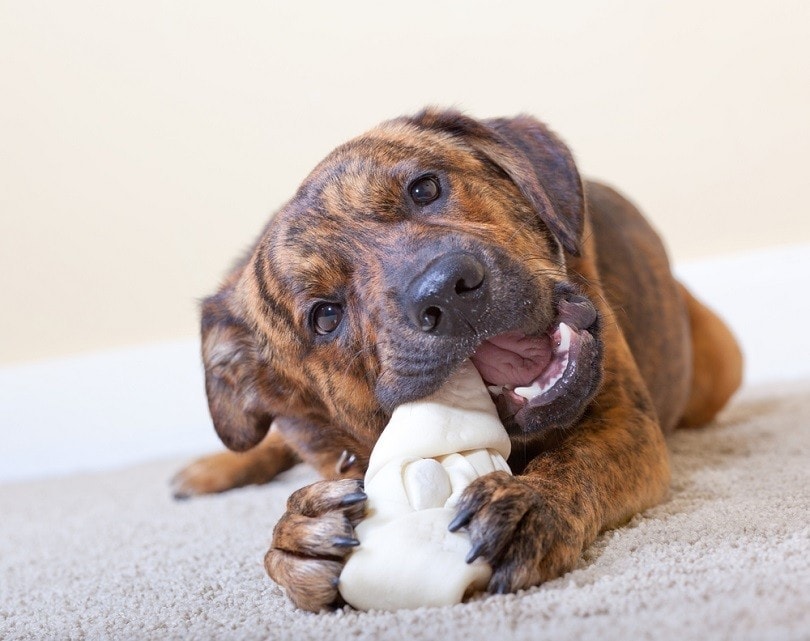
  • Find the right size: Make sure you buy the correct size — not too big for a small dog and not too small for a large dog.
  • Look for products manufactured in North America: Unfortunately, some countries manufacture rawhide that doesn’t follow the same quality control that you’ll typically see in North America.
  • Avoid artificial ingredients: Read the labels, and avoid rawhide that has been colored, flavored, or dyed. Artificial ingredients can lead to GI issues.
  • Always supervise your pet while they’re chewing: Never leave your puppy or dog alone while chewing rawhide or anything else. This way, you can grab large pieces that they tear off before they attempt to swallow them or remove the chew if it’s become too dirty and old.
Brindled hound with a rawhide bone_Will Hughes_shutterstock
Image Credit: Will Hughes, Shutterstock

Substitutes for Rawhide

What type of chew you should get your puppy depends on their age, size, and the kind of chewer that they are. The Veterinary Oral Health Council (VOHC) has a list of tooth-friendly effective products to help with your dog’s oral hygiene.

There are small chew toys specially designed for puppies that can help with teething discomfort. Remember to double-check the size before purchasing.

You can also browse through teething treats, still keeping in mind their age and size. There are many options out there, so don’t feel like rawhide is your only option.

Conclusion

Rawhide, treated and cleaned properly, is a chewing option for your puppy. But there may be uncertainty about what chemicals or other artificial ingredients are part of any rawhide chew.

Speak with your vet if you’re uncertain about what type of chew you should give your puppy, particularly if they have an allergy or gastrointestinal problems.

Regardless of what the chew is made of or how old your dog is, you should always monitor them during a chewing session. You want to allow them to fulfill their chewing needs but still keep them safe and sound.

Sources

Featured Image Credit: Tienuskin, Shutterstock

Get Hepper In Your Inbox

Pet care tips from our vets and experts, straight to your inbox.

List

Select all that apply.

You may opt-out at any time. View our Privacy Policy for more information.

Kathryn Copeland
Authored by

Kathryn Copeland

Join the conversation

Ask a question, share your story, or send private feedback.
Rate this post
Required to post. Only our editors see your rating.
Who should see this?

A human reviews every comment before it appears. Your email is never published.

Picked to go with this article

Is Rawhide Bad for Dogs? Vet Approved Risks, Facts & Safety Guide

Is Rawhide Bad for Dogs? Vet Approved Risks, Facts & Safety Guide

Rawhides have been a go-to chew for dogs for many years and were first touted for preventing the destruction of various household items like shoes and furnitur…

Lindsey Lawson
By Lindsey Lawson ·
Are Bully Sticks Safe for Puppies? Uses, Risks & Alternatives

Are Bully Sticks Safe for Puppies? Uses, Risks & Alternatives

A risk exists anytime you give your pet a treat. It may have an allergic reaction. It might not agree with your dog. Worse still, your pup may swallow it and r…

Nicole Cosgrove
By Nicole Cosgrove ·
Bully Sticks vs. Rawhide: Which Is Best for Your Dog?

Bully Sticks vs. Rawhide: Which Is Best for Your Dog?

Bully sticks and rawhide are both familiar chew toys for dogs. However, there are a few significant differences between them. Selecting the right option for yo…

Nicole Cosgrove
By Nicole Cosgrove ·
Rawhide Alternatives for Dogs: 10 Healthy & Safe Options

Rawhide Alternatives for Dogs: 10 Healthy & Safe Options

Rawhide was once exceptionally popular for dogs. However, there are several drawbacks to giving your dog rawhide, one being digestive problems and another bein…

Kristin Hitchcock
By Kristin Hitchcock ·

Keep reading

More stories you might like

Can Dogs Eat Cow Hooves? Vet Reviewed Facts & FAQ

Cow hooves are a polarizing treat among dog owners, though if dogs had their say, they’d likely have one every day. Technically speaking, dogs can’t EAT cow ho…

Chantelle Fowler
By Chantelle Fowler ·
Can Dogs Eat Cow Hooves? Vet Reviewed Facts & FAQ

Why Do Puppies Chew on Everything? 7 Vet Reviewed Reasons

Anyone who has ever had a puppy knows just how challenging these little monsters can be. Not only are they not born with housetraining and obedience skills, bu…

Brooke Billingsley
By Brooke Billingsley ·
Why Do Puppies Chew on Everything? 7 Vet Reviewed Reasons

Can You Give Your Dog an Antler? Learn About Safe Dog Treats!

Chewing is a natural behavior that dogs engage in for various reasons. Giving dogs various chew toys and treats can help them relax and may clean their teeth.…

Jessica Kim
By Jessica Kim ·
Can You Give Your Dog an Antler? Learn About Safe Dog Treats!

Shih Tzu Teething: How Long Does It Going to Take & Tips

Shih Tzu puppies may look like living stuffed animals, but raising them isn’t always fun and games. That’s especially true during teething, when your cute pupp…

Elizabeth Gray
By Elizabeth Gray ·
Shih Tzu Teething: How Long Does It Going to Take & Tips

When Do Golden Retrievers Stop Teething? The Interesting Answer!

All puppies go through a teething phase, and Golden Retrievers are no exception. Teething begins when the puppy's baby teeth start to come in, which usually ha…

Nicole Cosgrove
By Nicole Cosgrove ·
When Do Golden Retrievers Stop Teething? The Interesting Answer!

Puppy Breath: Vet-Approved Causes & Concerns Explained

In the same way that newborn babies have a new baby smell, so do puppies; in particular, their breath. Puppy breath has a distinctly soft and sweet odor that s…

Annaliese Morgan
By Annaliese Morgan ·
Puppy Breath: Vet-Approved Causes & Concerns Explained

Why Do Dogs Chew Bones? Instinct, Benefits & Potential Risks (Vet-Approved)

Dogs and bones are traditionally believed to go hand in hand, and many dogs enjoy gnawing and chewing on bones. Some dogs may enjoy chewing on bones because th…

Jessica Kim
By Jessica Kim ·
Why Do Dogs Chew Bones? Instinct, Benefits & Potential Risks (Vet-Approved)

When Can Puppies Go to the Dog Park? Their First Visit (Vet Answer)

One of the hardest things to do once you get a puppy is resist the urge to take them everywhere to do everything. We want them to grow up social, confident, an…

Dr. Maria Zayas
By Dr. Maria Zayas ·
When Can Puppies Go to the Dog Park? Their First Visit (Vet Answer)