Hepper is reader-supported. When you buy via links on our site, we may earn an affiliate commission at no cost to you. Learn more.
When Does a Vizsla Go into Heat? Vet Reviewed Signs & Tips



In this article
The canine heat cycle can be confusing, especially when it varies by factors like age, size, and breed. Vizslas, for example, typically go into heat at around 10–12 months of age, which is later than some other breeds, but this can still vary greatly.
Your Vizsla may well go into heat before the 10-month mark, or they may not go into heat until they’re older than 12 months—it really is individual to each dog. In this post, we’ll explain the canine heat cycle and what to expect when your Vizsla is in heat.

What Is the Heat Cycle in Dogs?
The heat cycle—or estrus cycle—is a period of time in which a female dog is receptive to mating and can become pregnant. It typically lasts for around 2–3 weeks, though this can go up to 4 weeks. The four stages of estrus are as follows:
Proestrus
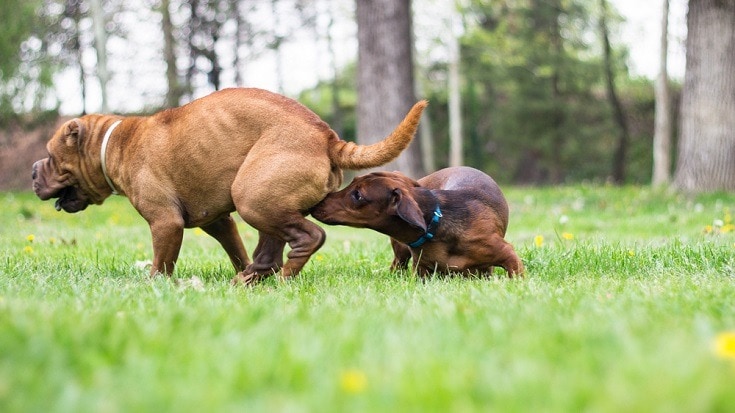
During the proestrus stage, which is the first stage of heat, the female dog will experience swelling of the vulva and you may see blood-tinged vaginal discharge. The female will also be attractive to males during this time but will not allow mating. This stage lasts around 7–10 days.
Estrus
This is the stage in which the female will actually mate with male dogs. It lasts around 5–10 days and you may notice the vulval bleeding stop or get less during this time. Usually a straw-colored vulval discharge is present.
Diestrus
The diestrus phase is when the female is no longer fertile, and they may or may not be pregnant.
Anestrus
This stage lasts around 6 months (variable depending on breed, size, and age) and is the sort of resting period between heat cycles. Once this phase is over, proestrus begins again.

How Often Does Heat Occur?
Dogs usually go into heat every 6 months or so, but this depends on the individual dog.
Vizslas are medium-sized dogs, so they typically go into heat every 6 months. It’s important to bear in mind, however, that you might notice some irregularities with your Vizsla’s heat cycle in the first few years. Some dogs may take up to 18–24 months to become regular.
What Are the Signs of Heat?
If your Vizsla is in heat, they’ll likely display a number of physical and behavioral changes. These include:
- Bleeding from the vulva
- Swelling of the vulva
- More frequent urination
- Marking
- Anxiety
- Irritability
- Roaming
- Raising the bottom
- “Flagging” the tail to the side
- Reduced appetite
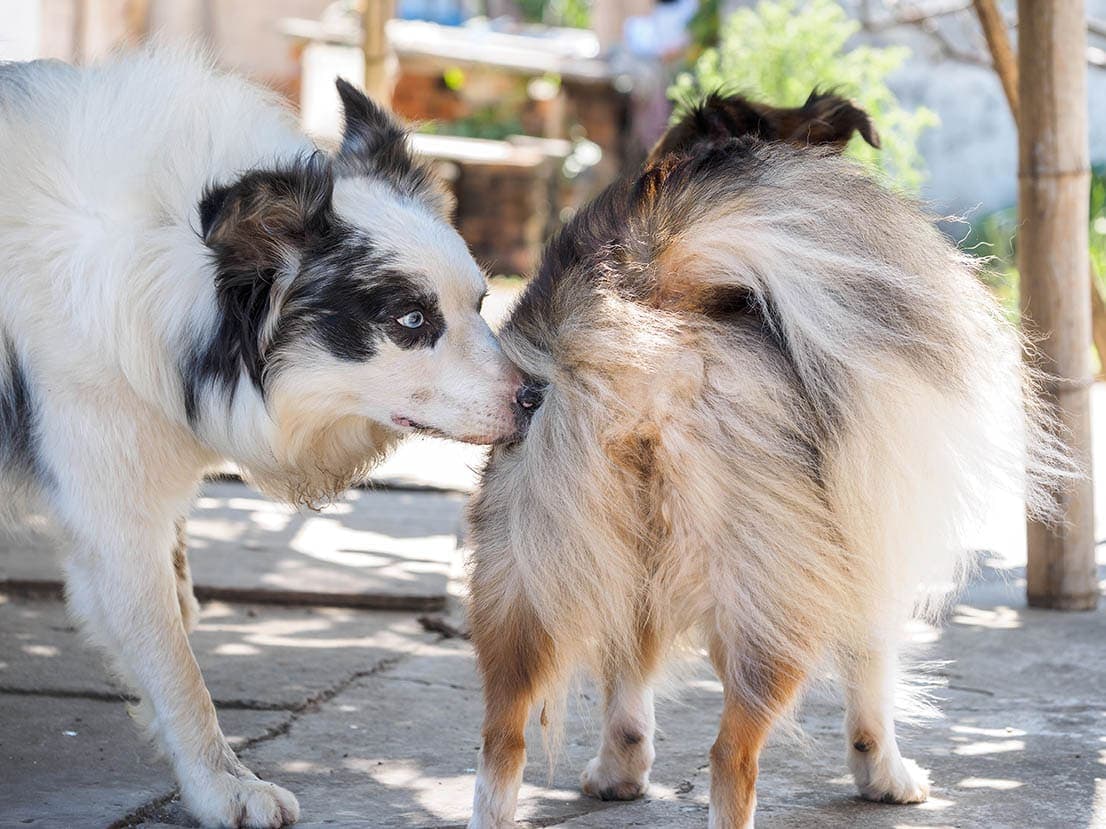
- Change in how they smell
Are Dogs in Pain When They’re in Heat?
No, the heat cycle isn’t thought to be painful for dogs, but it can bring about some hormonal changes. For this reason, your Vizsla might seem more irritable, anxious, or clingy than usual, so make sure there’s an area in your home that’s nice and quiet for them to retreat to. Give your Vizsla plenty of extra attention like brushing, cuddles, and play sessions if they feel like it to help them relax and feel more peaceful.
You can also help improve your Vizsla’s mood by making sure they don’t miss out on their daily walks—maybe throw in an extra one if you have the time. Just be sure to keep your Vizsla on a leash and make sure she stays clear of other dogs. If you can’t easily avoid other dogs in your area then increase training and brain games at home instead.
It’s also normal to spot some blood around your home during this time. If bleeding is a concern for you, you can try making a nest out of blankets and towels that are easy to wash or that you don’t mind getting a little stained for your Vizsla to snuggle up on. You might also consider temporarily using doggy diapers to reduce the risk of blood ending up around your home.
How Can I Prevent My Vizsla from Going into Heat?
You can prevent your Vizsla from going into heat by having them spayed. Spaying is a procedure also called an ovariohysterectomy, and it involves the removal of the ovaries and uterus to prevent a female dog from becoming pregnant, and therefore from having any heat cycles at all.
Spaying is a very common procedure that dogs typically recover from in as little as 5–10 days, and complications are incredibly rare. Most importantly, spaying helps tackle the problem of overpopulation, which occurs as a result of unwanted pregnancies. It also prevents uterine and ovarian cancer and can reduce the risk of other serious health conditions like mammary cancer.
Final Thoughts
To recap, Vizslas typically go into heat when they’re about 10–12 months old, but this isn’t set in stone. Some Vizslas go into heat before this point, whereas others go into heat a bit later. You can expect your Vizsla to experience two heat cycles per year unless you get them spayed.
If you aren’t planning on breeding your Vizsla, please speak to your vet about getting them spayed to prevent unwanted pregnancies and certain health issues.
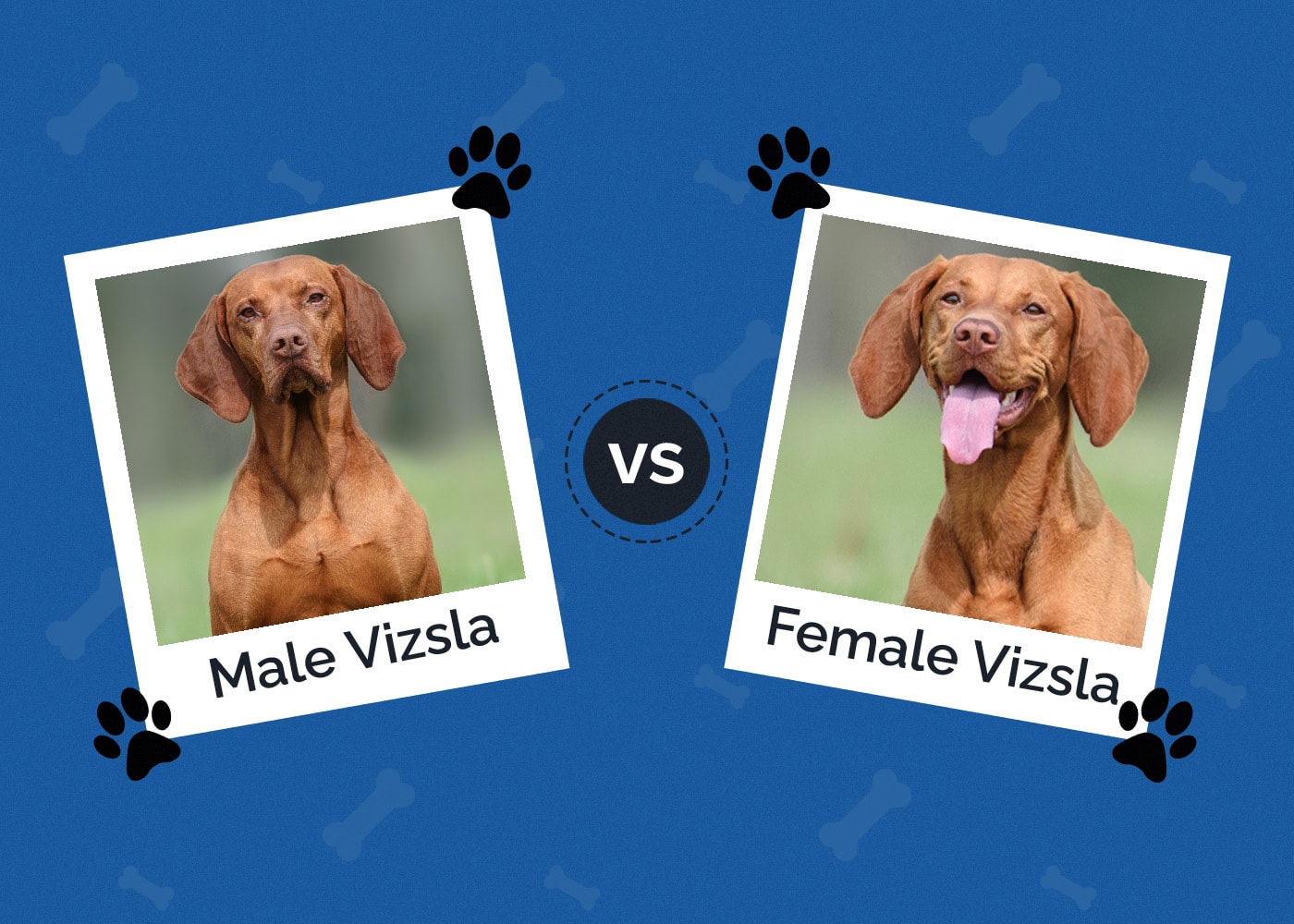
Related Read: Vizsla Male vs Female: Key Differences & Similarities
Sources
https://vcahospitals.com/know-your-pet/mammary-tumors-in-dogs-malignant
https://www.petmd.com/dog/conditions/reproductive/c_multi_ovarian_tumors
https://vcahospitals.com/know-your-pet/uterine-vaginal-tumors
https://vcahospitals.com/know-your-pet/estrus-cycles-in-dogs
https://www.akc.org/expert-advice/dog-breeding/when-dogs-in-heat/
https://avodermnatural.com/blog/caring-for-female-dog-in-heat/
Featured Image Credit: photohun, Pixabay
Get Hepper In Your Inbox


Pet care tips from our vets and experts, straight to your inbox.
You may opt-out at any time. View our Privacy Policy for more information.
Kit Copson is a freelance writer and lifelong animal lover with a strong interest in animal care. She has parented various furry beings over the years and is currently a proud cat mom of two—one skittish but adorable Domestic Shorthair and very chilled (unless hungry) Siamese and a —and dog mom of one—an adopted Bichon Poodle cross. When not writing about or spending time with pets, Kit can be found doodling in her sketchpad, reading, or more often than not, drinking tea.
Join the conversation
Ask a question, share your story, or send private feedback.