Hepper is reader-supported. When you buy via links on our site, we may earn an affiliate commission at no cost to you. Learn more.
Which Dog Breeds Are More Prone to Seizures? Our Vet Explains

In this article
Seizures are a universally scary event for dogs and their owners. This can be doubly true when you are not sure why the seizure is occurring. Some dog breeds are more prone to seizures than others, and this can depend on which type of seizures we’re talking about.
Read on to learn a bit more about seizures, why dogs have them, and for lists of breeds more likely to experience seizures in their lifetime.

What Are Seizures?
The brain is a collection of nerves that coordinate various processes across the body, such as muscle movement. Seizures are episodes in some of these nerves that fire uncontrollably, meaning instead of controlled, coordinated electrical impulses that send messages, they keep sending impulses without direction. This can appear subtle in some dogs, or it can cause muscle convulsions, loss of consciousness, loss of bowel or urinary control, hypersalivation, and vocalizing.
Seizures can last as little as a few seconds or as much as several hours; in worst-case scenarios, they fail to stop at all.

What Causes Seizures in Dogs?
Almost anything can technically trigger a seizure. The most common cause of seizures in dogs is primary epilepsy, an inherited seizure condition that we don’t know the underlying cause of currently. Another cause of seizures in dogs is acquired epilepsy. In these dogs, something changes over their lifetime that causes them to have seizures, such as injuries to the head, developmental disorders, exposures to certain toxins, and developing diseases that predispose them to seizures.
In addition to seizure disorders like these, a dog may also have a single seizure or cluster of seizures related to a specific event. Examples of events that can cause a seizure are:
- Fevers
- Trauma
- Infections
- Dehydration/electrolyte imbalances
- Tick-borne diseases
- Diet/nutritional deficiencies
- Toxins (especially ethylene glycol and xylitol)
- Medications
- Cancer
- Parasites
- Clots

Difference Between Reactive Seizures & Seizure Disorders
Some seizures occur because of a specific insult or event, and these are called reactive seizures. Treating the underlying cause can prevent future seizures, and reactive seizures don’t necessarily increase the risk of future seizures for the dog.
Other seizures are due to epilepsy, but a seizure disorder characterized by repeated seizures over time, such as weeks to years. Epilepsy is either primary or acquired. Primary epilepsy is an inherited seizure condition with no known cause or cure. Acquired epilepsy has a specific insult also, but in this case, a dog continues to have seizures for weeks or longer.
In some cases, treatment of the underlying cause can cure dogs of acquired epilepsy, but sometimes this change to the dog’s brain is permanent, and epilepsy will be a lifelong condition for them.

The 5 Dog Breeds Prone to Acquired Epilepsy
1. Boston Terrier

This small breed is at a higher risk of being born with hydrocephalus, meaning they would have excess cerebrospinal fluid (CSF) built up inside the brain, which can decrease the seizure threshold aka make it easier for seizures to occur.
2. Chihuahua

Like Boston Terriers, Chihuahuas are prone to hydrocephalus, which in turn makes them prone to seizures.
3. Maltese

Maltese dogs are at risk for autoimmune encephalitis, in which their body’s immune system attacks their brain, causing seizures.
4. Tibetan Mastiff
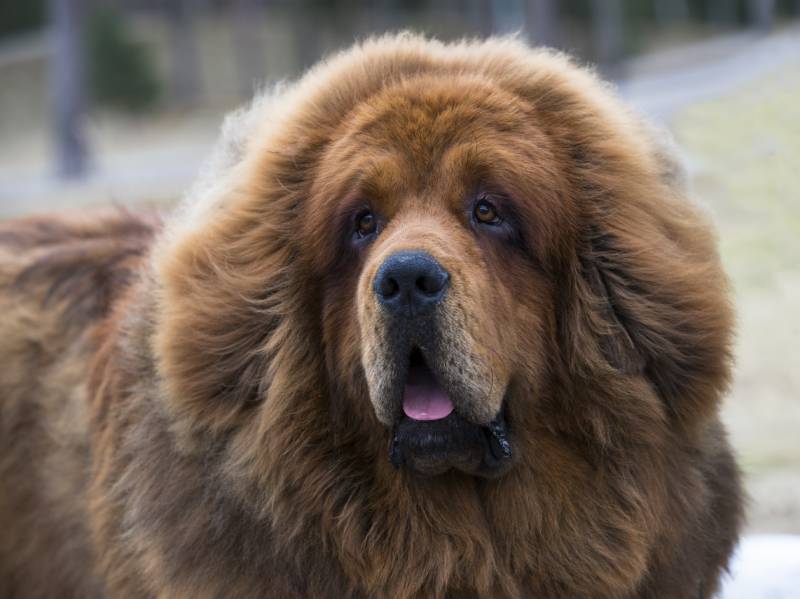
The Tibetan Mastiff and many other large breed dogs have higher rates of brain cancers that can trigger seizures.
5. Yorkshire Terrier

Yorkies are over-represented in cases of portosystemic shunts, meaning the blood flow to their liver, which should filter the blood, has parts that bypass the liver and don’t get filtered. This leads to a build-up of toxins in the blood which can trigger seizures and brain degeneration.
The 5 Dog Breeds Prone to Primary Epilepsy
For dogs with primary epilepsy, we don’t know what causes their seizures, except that there is a genetic component. The following breeds seem to have higher chances of having primary epilepsy, which is the most common reason dogs have seizures.
1. Cocker Spaniel

The Cocker Spaniel is a sought-after breed, and veterinarians believe the reason why this breed is prone to primary epilepsy is inherited. If you choose to get a Cocker Spaniel (or any dog) from a breeder, research them. Ask questions about the parents, too.
2. Australian Shepherd
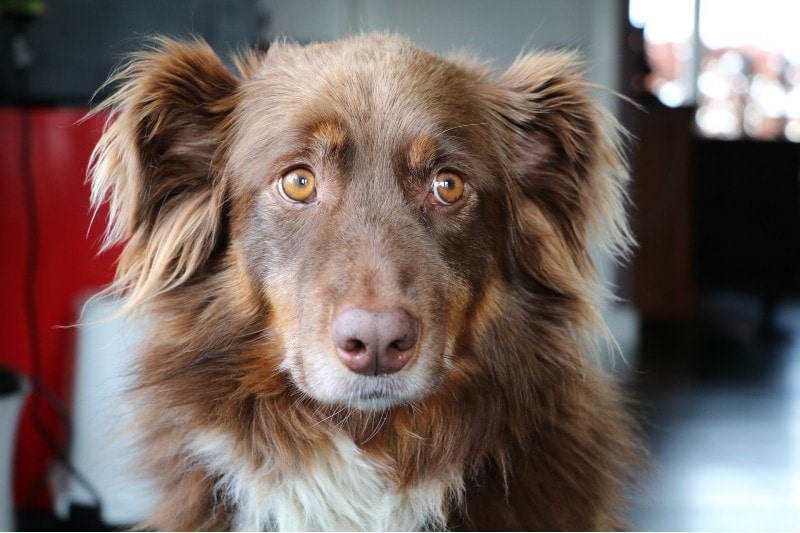
With Australian Shepherds, if they have primary epilepsy, you make notice that they have their first seizure by the time they are 3 years old. The good news is that vets and researchers believe that once the Australian Shepherd is older than 3 years and has not experienced a seizure, they should be free of primary epilepsy.
3. Collie

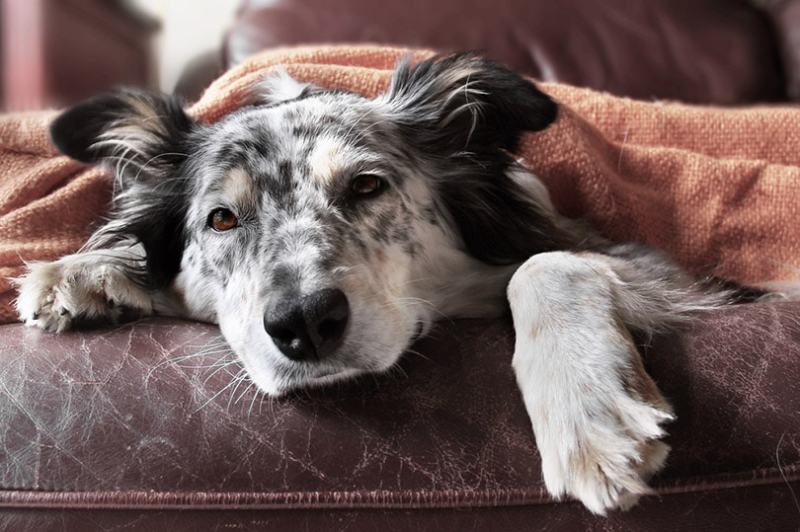
With Collies, especially Border Collies, the best way to see if they have not inherited a genetic disorder making them prone to primary epilepsy is to closely monitor them while they are between 1 to 5 years old. If they have not experienced a seizure during this age range, there is a good chance they have not inherited primary epilepsy.
4. Labrador Retriever

Once the USA’s most popular breed, Labradors are most likely prone to primary epilepsy due to improper breeding. It is important that you research your breeder and check on the health of the parents to see if your Lab runs the risk of inheriting this condition.
5. Miniature Poodle

For Miniature Poodles, if both parents carry the recessive gene for primary epilepsy, they will most likely have inherited this condition. Closely monitor them from the age of six months and three years of age.
What to Do for a Dog Having a Seizure
How Seizures Are Treated in Dogs
Reactive seizures need anti-seizure medication to stop any active seizing and diagnose and treat whatever triggered the seizure. Hospitalization isn’t uncommon in these cases, so a veterinarian can check for toxins, infections, or injuries and treat them appropriately.
Dogs with epilepsy require daily anti-seizure medication. Some examples are phenobarbital, zonisamide, potassium bromide, and levetiracetam. Integrative medicine techniques show some promise for helping dogs with seizures that aren’t fully controlled with anti-seizure medication. This can include adding gabapentin, CBD, or acupuncture to their treatment plan.

Prognosis for Dogs Who Have Seizures
The underlying cause of a dog’s seizures greatly impacts the prognosis. For reactive seizures, as long as the initial insult isn’t usually fatal, then the dog has a good chance of returning to normal afterward. Primary epilepsy cases vary widely in response to medication.
Dogs with cluster seizures have a poorer prognosis than those with individual ones. Some breeds appear to have a worse prognosis than others due to poor control from medications, like Border Collies and Australian Shepherds. For primary epilepsy in dogs, they require medication for the rest of their life, and so do many acquired epilepsy dogs.
FAQs
What should dogs with seizures avoid?
Any toxins that can trigger seizures are that much more dangerous to dogs that already have a seizure condition. Examples would include caffeine, chocolate, ethylene glycol, and xylitol.
Can seizures damage a dog’s brain?
Unfortunately, yes. Seizures that last too long or happen too frequently can cause permanent changes to a dog’s coordination and memory.

Are dogs suffering when they have seizures?
Dogs are unconscious when they have seizures, meaning they do not know they’re happening. They don’t feel pain at the time and are not suffering, even if they look distressed during the seizure. After the seizure, they can be disoriented, anxious, painful, and scared, so it is important to support them afterward.
Final Thoughts
Some dog breeds are more prone to seizures than others, but this can depend on the type of seizure or seizure disorder we’re discussing. If you know you have a dog breed at home prone to seizures, it may be worth speaking to your veterinarian to make sure you know what to do should a seizure occur and where to seek emergency veterinary care. Diagnostics and hospitalization for seizures can be expensive, and it may be in your and your dog’s best interest to maintain pet insurance should you need it.
Although seizures are scary and can be dangerous to a dog’s health, many dogs with seizures live long, otherwise healthy lives, so if your dog begins to have seizures, it is best to bring them to a veterinarian to check for treatments that may work for you.
Featured Image Credit: Lindsay Helms, Shutterstock
Get Hepper In Your Inbox


Pet care tips from our vets and experts, straight to your inbox.
You may opt-out at any time. View our Privacy Policy for more information.
Dr. Zayas has a passion for sharing her extensive knowledge base with everyone she can. She lives in Colorado with her dogs, cat, and fish and has traveled all over the world with them. Her various life and work experiences have allowed her to focus on not only clinical practice, but also providing informative, accurate answers to almost any question her clients and readers can ask of her.
Education
Dr. Zayas received her Bachelor’s degree from Bryn Mawr College and her Doctor of Veterinary Medicine degree from Ross University School of Veterinary Medicine.
Experience
Dr. Zayas owns a house call small animal and exotics veterinary practice. She has special interests in allergies, pain management, end of life/hospice care, and finding unique solutions tailored to her patients’ and families’ individual needs. She has worked in shelter medicine, home health, and everything in between.
Join the conversation
Ask a question, share your story, or send private feedback.