Hepper is reader-supported. When you buy via links on our site, we may earn an affiliate commission at no cost to you. Learn more.
White Bearded Dragon: Size, Pictures, Habitat & Care Guide

In this article
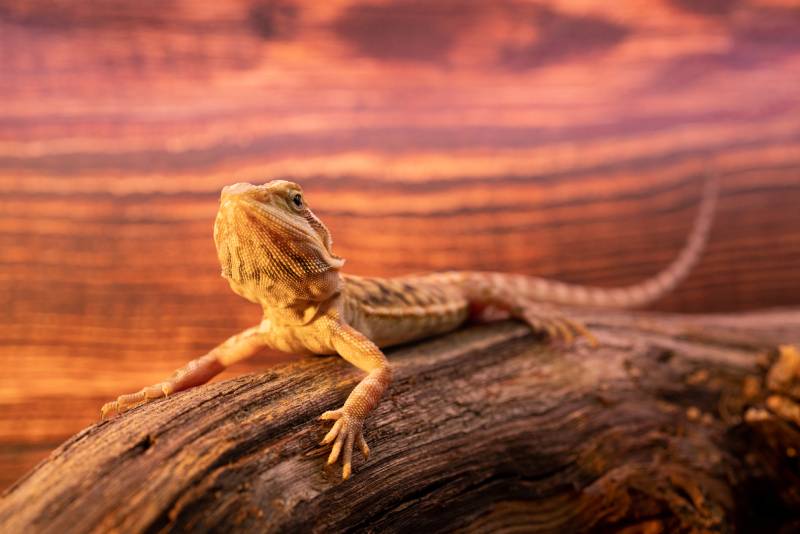
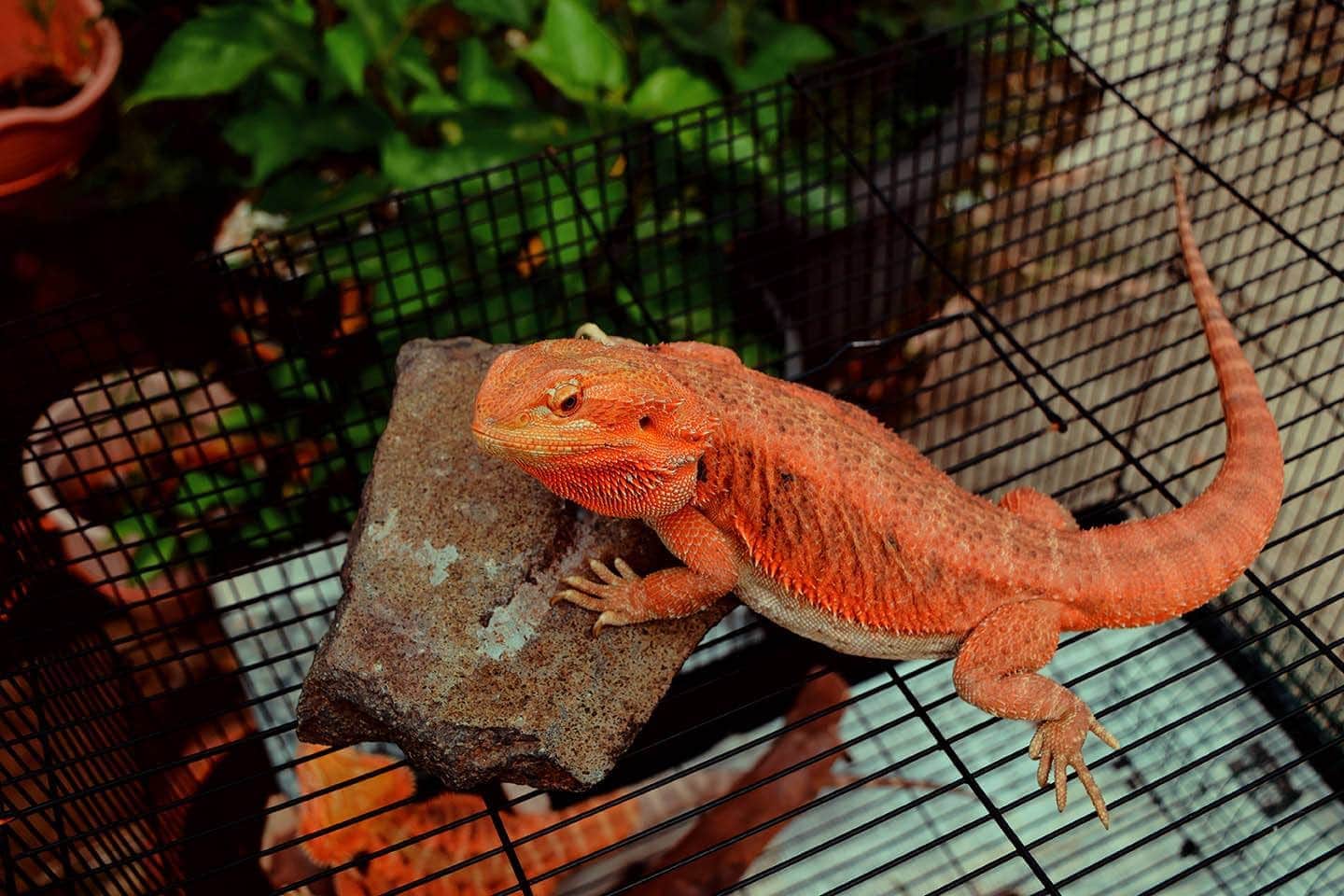
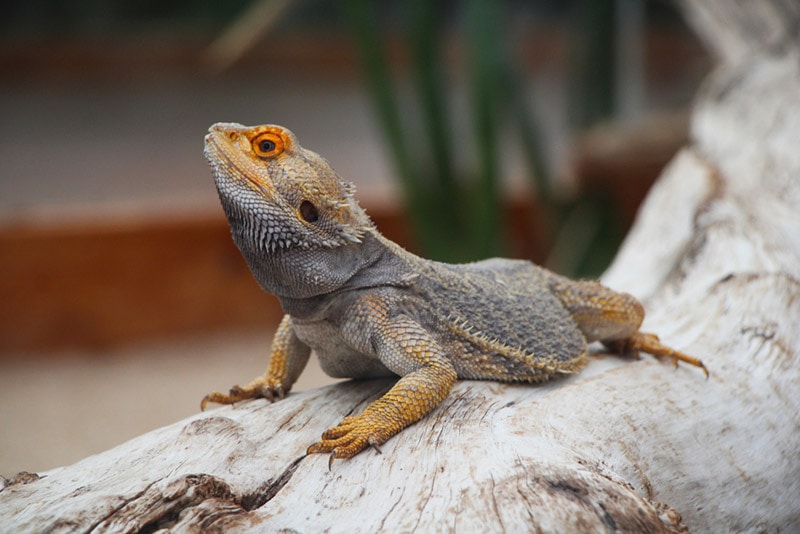
Bearded Dragons are one of the best-loved reptiles, and many are kept as pets in the United States. They are originally from Australia, and the most common type of Beardie (the Central Bearded Dragon) comes in an amazing array of colors, including pure, startling white. We’ll explore everything there is to know about the Bearded Dragon, so you’ll know what to expect when caring for the remarkable reptile.
Quick Facts about White-Bearded Dragons
| Species Name: | Pogona vitticeps |
| Common Name: | Central Bearded Dragon |
| Care Level: | Moderate |
| Lifespan: | 7–12 years |
| Adult Size: | 18–22 inches |
| Diet: | Omnivorous |
| Minimum Tank Size: | 50” x 25” x 25” / 60 gallons |
| Temperature & Humidity: | 75ºF–100ºF and 30–40% humidity |

Do White-Bearded Dragons Make Good Pets?
White Bearded Dragons, like all Bearded Dragons, make great pets for those wanting a friendly and good-natured reptile. Keeping a reptile is not for everyone, but Bearded Dragons tend to be more charismatic than most.
They also have the fascinating allure of their rarity and dazzling color, so if you want a friendly exotic pet receptive to human interaction, the white Bearded Dragon may just be for you! Keep in mind that these mini monsters require a special diet (live food), and they won’t make good pets for those not prepared to provide them with the creepy crawlies and maintenance they need to thrive.
Appearance
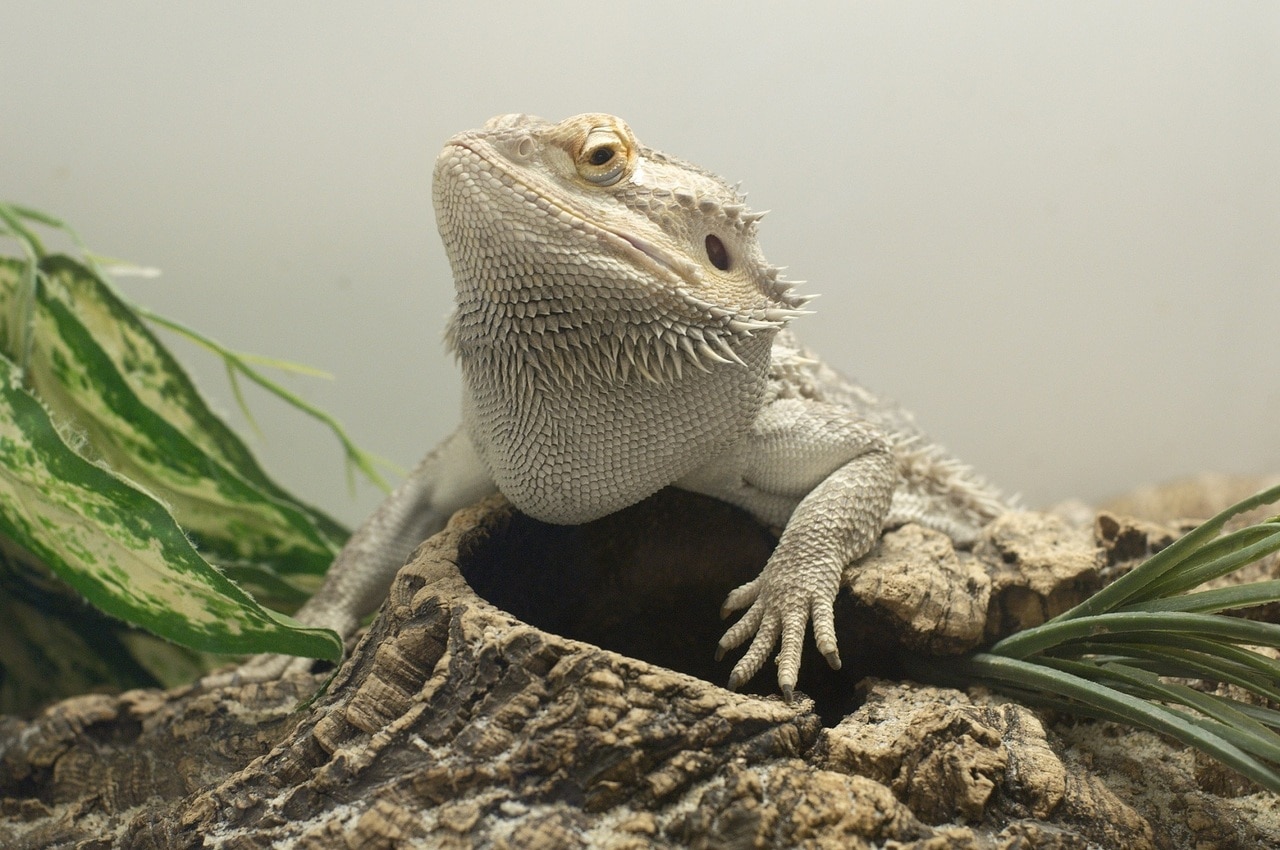
How “pure” the white color is will depend on several genetic factors, as there are a few varieties of “white” beardies. A non-albino, all-white Bearded Dragon is called a “zero” as it has only the smallest amount of melanin and no patterning on its body. These hypomelanistic lizards have clear nails and can have dark eyes, with no discernable iris giving them an alien-like appearance. They're called leucistic zero Bearded Dragons when they have a snow-white color and slightly more melanin.
There are also reports of true albino Bearded Dragons with red eyes, but they nearly always pass away very young due to the severe effects albinism has on them.
How to Take Care of a White-Bearded Dragon
Habitat, Tank Conditions & Setup
White Bearded Dragons need the same environment and furnishings as other Beardies. All captive Bearded dragons descend from their wild ancestors who hailed from the semi-arid climate of Australia, meaning we have to replicate this as closely as possible to keep them happy as owners.
| Tank Recommendations | |
| Tank Type: | 60–100-gallon glass vivarium |
| Lighting: | UVA and UVB Lighting |
| Heating: | Heating pad/heat lamp outside the enclosure |
| Best Substrate: | Recycled paper or artificial lizard grass |
The following is needed to keep your White Bearded Dragon in tip-top happiness and health:
Tank
Your white Bearded Dragon will likely go through a couple of tanks throughout their lives. This is because baby and juvenile beardies need less space than adults, which is easier to manage and helps them to feel secure. The minimum size for a juvenile white Bearded Dragon should be around 20 gallons and should be switched out to a larger one as they grow bigger.
A fully grown white Bearded Dragon will need a tank between 60 and 100 gallons, but the bigger you can manage for them, the better. Larger tanks are more to keep on top of, but they are better for your beardie's health and happiness. Of course, if you keep more than one white Bearded Dragon, you'll need to provide a bigger tank! However, owners usually keep only one Bearded Dragon due to potential injury from territorial fighting.
The tank can be made of glass, wood, PVC, or other materials. The golden rule for tank material is that owners should be able to clean the tank easily. The material also shouldn't absorb waste. The most common setup is a glass or plexiglass tank with a vented lid.
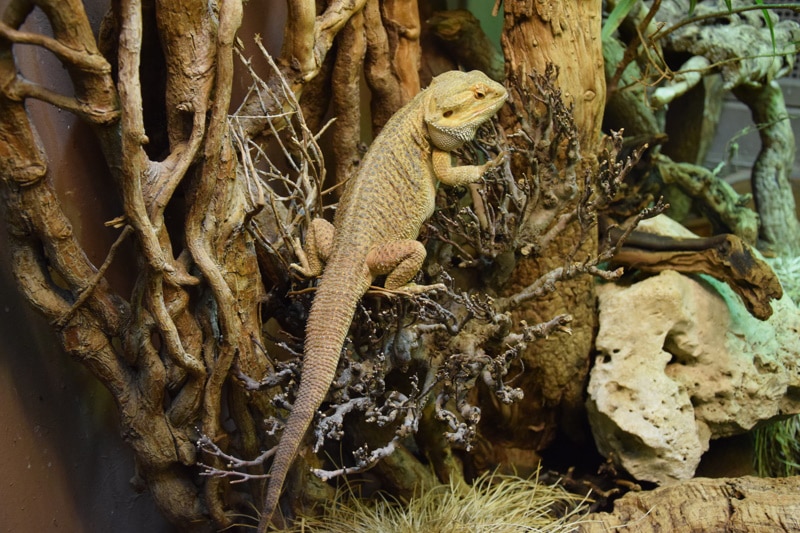
Your white Bearded Dragon will also need a few reptile-safe climbing branches for enrichment, alongside some large, flat rocks for climbing and a hideout to retreat to for privacy. These are important for stress relief and to allow your pet to perform natural behaviors that keep them happy.
Lighting
White Bearded Dragons, like all lizards, need light in their enclosure to keep them healthy. Because all reptiles bask in the sun to absorb UV light, you should provide a UV light source for your Bearded Dragon. The light must produce UVA and UVB light, as UVA is important for behavioral purposes, and UVB stimulates vitamin D3 production in the skin. Vitamin D3 helps a Bearded Dragon’s body absorb calcium and reduces the risk of metabolic bone disease, so getting a UV light that sits within your pet’s tank is incredibly important. This light should turn off at night and provide less heat to simulate the setting sun in their natural habitat.
Heating (Temperature & Humidity)
Bearded Dragons should have a warmer and cooler area in their tank. One end should be the “hot” end and sit at about 90°–100º F, while the “cool” end should be heated to 75-80º F. One thermometer at each end of the tank should be used to monitor temperature, and any heat sources used (such as lamps or mats) should always be placed outside the enclosure to minimize the risk of burns. Hot rocks are not recommended for heating, as the risk of burns to your pet is high.
Humidity in your white Bearded Dragon’s tank should ideally be between 30% and 40%. Humidity levels any higher can cause respiratory problems and fungal growth.
Substrate
There are many choices for reptile substrate available, most of which will suit your white Bearded Dragon just fine. The substrate must be easy to clean, absorbent, and non-toxic to reptiles. Newspaper is a suitable substrate for this reason, and it's cheap! You should remove soiled paper bedding daily and replace it, and you should clean the whole tank once a week. Artificial grass made for lizards is also good, as it's reusable and can be washed. However, you should never use any bedding that can present a risk of intestinal blockage if accidentally eaten.
The following substrate should not be used for your Bearded Dragon:
Feeding Your White Bearded Dragon
White Bearded Dragons are omnivorous, so they eat a wide range of fruits, vegetables, and insect proteins. Younger lizards prefer insects, while older Bearded Dragons prefer fruit and vegetables. Your white Bearded Dragon should have a diet equally split 50/50 between insects and vegetation.
Of the 50% vegetation, around 80–90% of it should be dark leafy greens and flowers such as bok choi, watercress, broccoli, and dandelion. 10–20% of the dirt can be fruit, but fruit should be kept as a treat. Raspberries, strawberries, apricots, and dates are good choices for fruits.
Insects should be given as the other 50% and can include gut-loaded hornworms, mealworms, and calcium-dusted crickets. Buy your insects from a pet store rather than catching them yourself to avoid harmful pesticide poisoning, and never feed fireflies to your white Bearded Dragon as they are highly toxic to them.
Water should be provided in a heavy dish and changed out daily, but white Bearded Dragons also benefit from water-misted vegetables to stay hydrated.
| Diet Summary | |
| Fruits: | 10–20% of diet |
| Vegetables: | 30–40% of diet |
| Insects: | 50% of diet – gut-loaded within 12 hours of feeding. |
| Supplements Required: | Calcium, if needed–contact your vet before feeding |
Keeping Your White Bearded Dragon Healthy
White Bearded Dragons need a good diet and a suitable tank set up to keep them healthy. Many common health issues seen in beardies can be avoided by proper care and environmental conditions, so make sure to keep conditions exact to keep your lizard healthy.
Common Health Issues
- Dysecdysis: This is a condition where low humidity can cause problems with skin shedding, resulting in the skin being unable to shed properly. This is usually seen in adolescent Bearded Dragons and can lead to the blood supply being cut off to certain parts of the body, such as the ends of the tail and toes. Necrosis (tissue death) can quickly follow, resulting in the loss of digits or septicemia.
- Metabolic Bone Disease: Chronic low levels of calcium often caused by insufficient UV light can cause weakness, swelling of the bones and jaw, soft bones and fractures, and seizures.
- Chrysosporium anamorph of Nannizziopsis vriesii (CANV): CANV is commonly seen in Bearded Dragons and is an aggressive fungal infection that can spread over the body if not treated quickly. CANV causes yellow fungus to grow on the Bearded Dragon, resulting in sores, bleeding, weakness, and weight loss. This can be fatal.
- Atadenovirus: Atadenovirus is often seen in juvenile white Bearded Dragons and can cause fatal liver inflammation and infection. Sudden infections can also cause gastrointestinal problems and cause Beardies to become weak, anorexic, and suddenly pass away. The chronic version of this infection causes weakness and failure to thrive over a longer period, ultimately ending in death.
Lifespan
White Bearded Dragons typically live between 7 and 12 years in captivity, although some live over 15 years! In the wild, Bearded Dragons rarely reach age 10 due to environmental factors and predation. Pet Bearded Dragons can live longer because they are usually well cared for, have the correct diet and supplements, and have enough light and humidity to be perfectly healthy.
Breeding
White Bearded Dragons reach maturity at around 1 to 2 years and will begin to court one another around this time. Male white Bearded Dragons have intricate courting behavior, using gestures such as aggressive head bobbing coupled with the inflation of their lower neck and the darkening of the skin to show a willingness to mate.
Females often lay between two and four clutches of eggs per mating since they can hold on to sperm in their bodies. There is much more to know about breeding Bearded Dragons than first meets the eye, so don’t undertake any breeding unless you’re prepared and have spoken to your exotics vet about your white Bearded Dragons.
Are White Bearded Dragons Friendly? Our Handling Advice
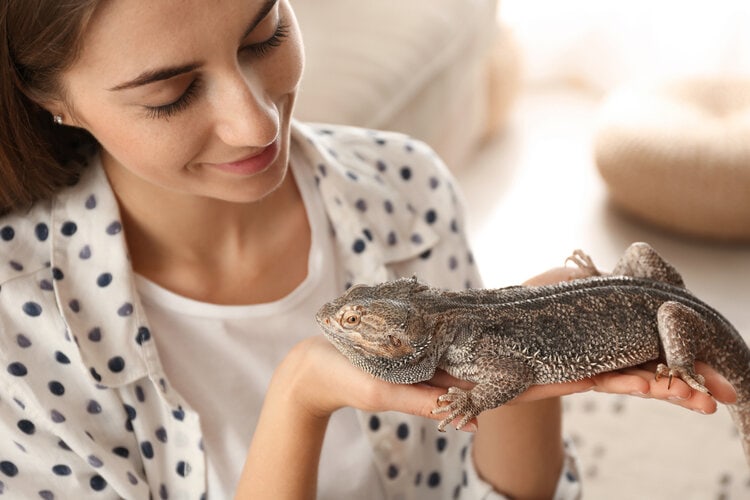
White Bearded Dragons are easy to handle and rarely bite, which is part of why they are so popular as exotic pets! They are naturally inquisitive and energetic, making them great pets to handle. They’re also gentle, so even inexperienced owners can form deep bonds with them!
Young Beardies are agile and fast, so make sure you handle them safely. Hold your pet under the chest securely, supporting its tail and hind quarters with your other hand. Ensure you wash your hands before and after handling your lizard, as they are natural carriers of salmonella bacteria which is zoonotic and harmful to humans.
Shedding & Brumation: What to Expect
White Bearded Dragons shed their skin in patches as they get bigger. Some may have problems shedding, such as sticking skin and restricting blood flow; problems shedding are usually due to low environmental humidity.
Younger lizards shed much more often than older ones, and the process can take anywhere from a few days to 4 weeks. White Bearded Dragons will also brumate during the colder months, slowing down and eating less. This is a throwback to their time in the wild when they conserved energy while food and sunlight were scarce. Some Beardies won’t brumate; in any case, your white Bearded Dragon shouldn’t stop eating or moving entirely. You should take them to their vet for a check-up if they do.
How Much Do White Bearded Dragons Cost?
Because white Bearded Dragons are so rare, they can be sold for a very high price! White Bearded Dragons (especially “zeroes”) can sell for as much as $600 at the highest end, while “normal” naturally colored beardies typically sell for between $75 and $100.
Care Guide Summary
Conclusion
White Bearded Dragons are fascinating creatures that are friendly and open to handling from their owners. Their unique coloring (or lack of) makes them a rare and hot commodity in the reptile world, so be prepared to pay a premium price for one. White Beardies need extensive care and environmental management, so be sure to keep them healthy and happy by providing the correct diet, surroundings, and environment. With care and attention, white Bearded Dragons can bond strongly with their owners and find their place as part of the family!
Sources
Featured Image Credit to: pxhere
Get Hepper In Your Inbox


Pet care tips from our vets and experts, straight to your inbox.
You may opt-out at any time. View our Privacy Policy for more information.
Beth is a mom to two babies: one with four legs, and one with two. Beth has years of practical experience as a veterinary care assistant, working in both the operating room and in consult, expanding her knowledge to gain certification in her favorite subject: feline behavior and well-being! When she's not writing about her favorite topics (cats, dogs, and creature comforts), she's looking after her two-year-old daughter and her energetic eight-year-old Nebelung, Kiba. When she gets a moment's respite, Beth loves to read fiction books. Horror is her number one genre, with fantasy and rich history being her second option.
Join the conversation
Ask a question, share your story, or send private feedback.