Hepper is reader-supported. When you buy via links on our site, we may earn an affiliate commission at no cost to you. Learn more.
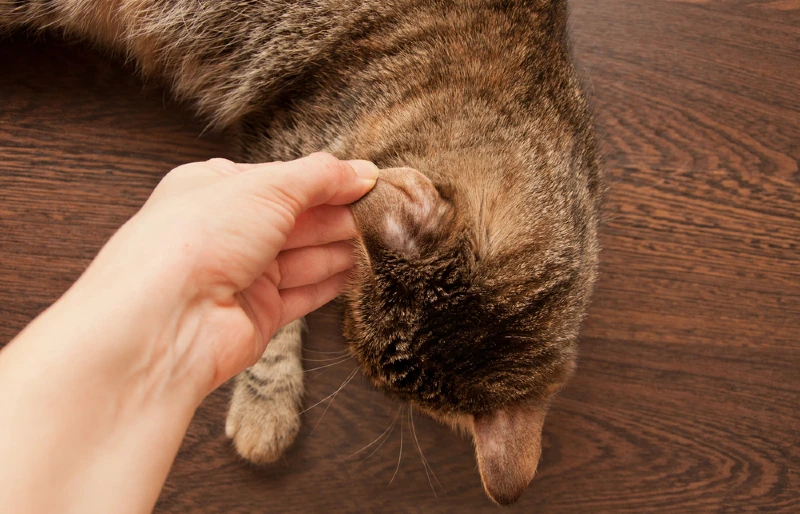
Why Are My Cat’s Ears Hot? 5 Vet-Reviewed Reasons


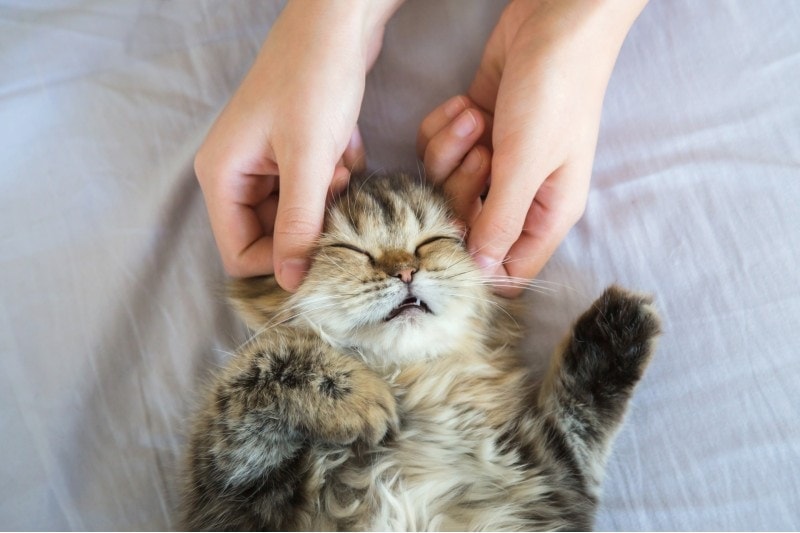
If your cats are anything like ours, they constantly try to get you to scratch behind their ears. But what does it mean when you’re scratching behind their ears and they’re hotter than usual?
Well, it can be a variety of things ranging from very serious to nothing to worry about. The best thing you can do is keep reading and learn a bit more about the potential causes. That way, you can figure out what’s going on and contact your vet accordingly!

The 5 Reasons Why Your Cat's Ears Are Hot
1. Body Temperature Regulation
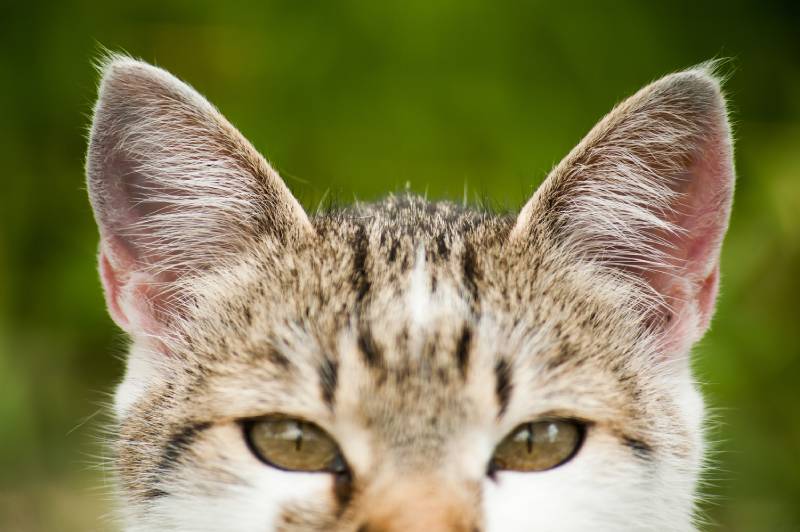
Cats don’t sweat like humans do to regulate their body temperature, so their body needs to get creative when they’re getting a bit too hot. Cats sweat through their footpads to cool down, but another way they can regulate their body temperature is through their ears!
Their ears contain a complex web of intertwined arteries and veins that are directly connected, called arteriovenous anastomoses, allowing the blood circulating through the area to either cool down or become warmer, depending on the outside air temperature. These anastomoses are also abundant in the skin, especially on the extremities, and are associated with thermoregulation.
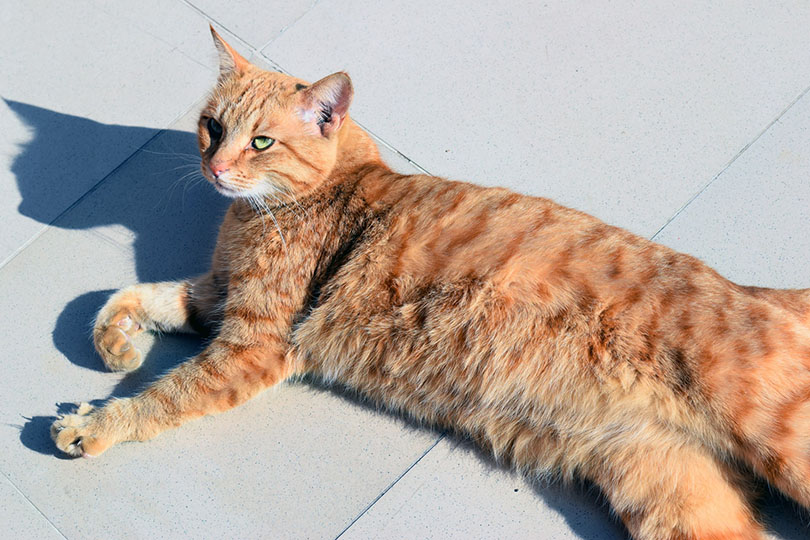
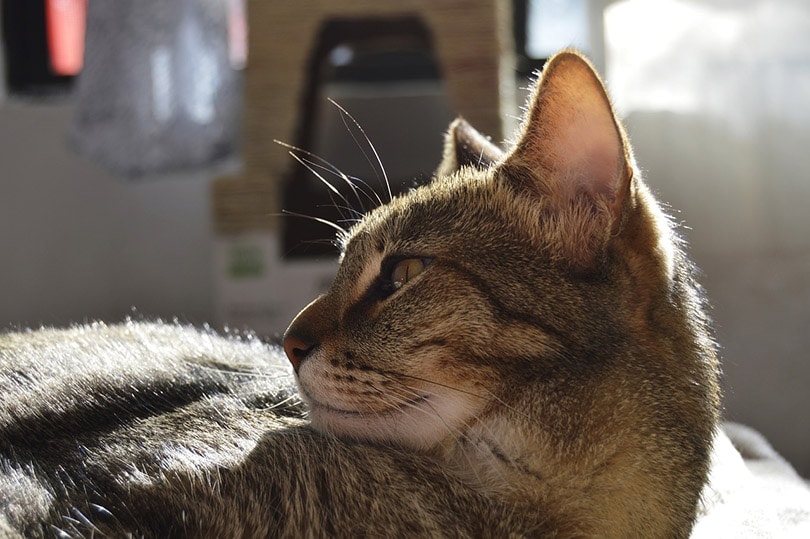
This means that when your cat is exposed to the hot summer weather outside, their body is trying to cool down by dilating those little blood vessels in the ears and skin of the most exposed body parts. This allows more heat to be released so their core body temperature is maintained at normal.
So if you just brought your cat in from outside on a hot day, it’s perfectly normal for their ears to be a bit warmer. Keep an eye on your cat for a bit and when their body temperature cools down overall, their ears should cool down, too.
2. Inflammation and Infection of the Ear
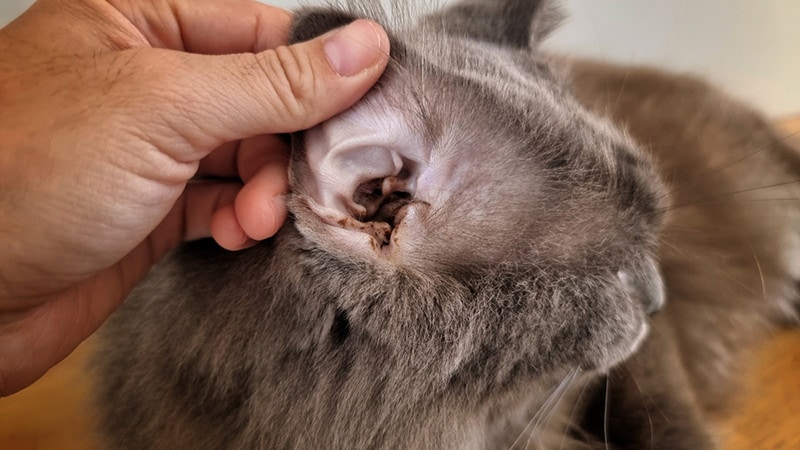
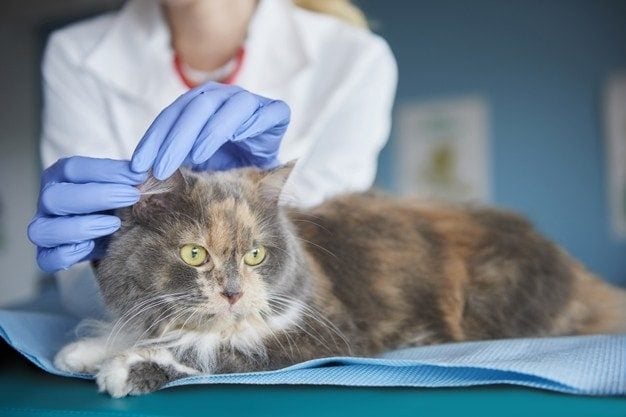
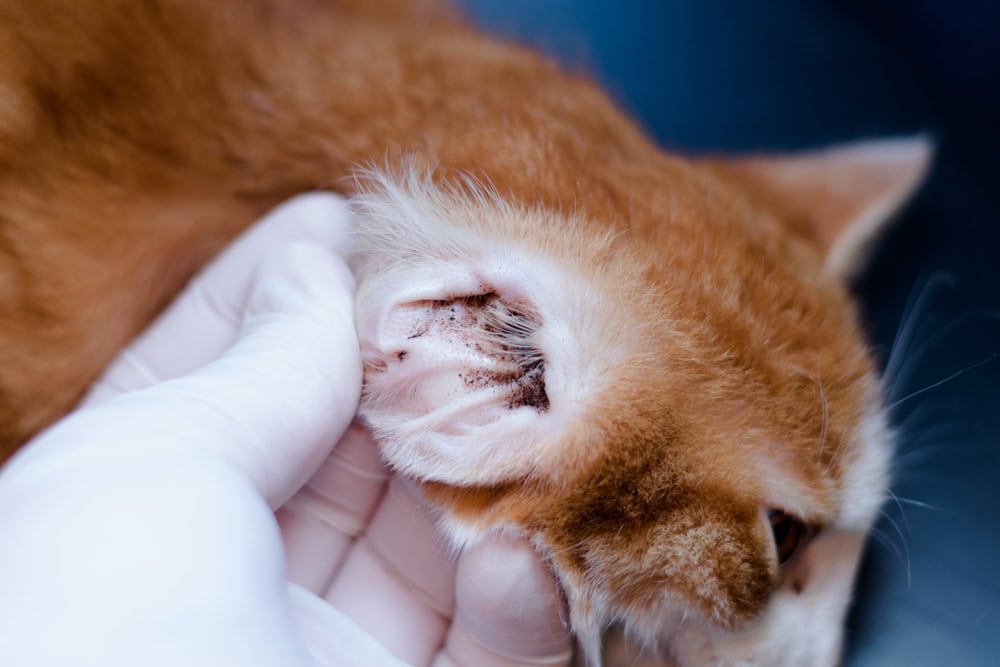
Inflammation of the external ear canal in cats, also called otitis externa, can be caused by many different factors and is one of the potential reasons their ears might be a bit warmer than usual. If this is the cause, your cat will be scratching their ears frequently and shaking their head. At times, the inflammation can also affect the ear flap, leading to that sensation of increased warmth. Some of the causes for the inflammation involve infestation with parasites (ear mites), foreign objects in the ear canal (grass), and allergies, while others, such as bacteria and yeasts, lead to an actual infection of the ear canal. Inflammation of the ear can progress to infection very quickly. Ear infections are not very common in cats. According to the Veterinary Specialty Center in Tucson, signs of ear infections in cats include yellowish or black discharge from the ear, a strong and unpleasant smell, swelling or redness of the ear canal and ear flap, scaly skin, and pain.
Ear inflammation and infection in cats can lead to more severe problems and will cause your cat a lot of pain and irritation, so it is very important to take them to the vet as soon as possible.
3. Fever
While cats don’t get fevers quite as often as people, they absolutely can get them and they are often a sign of serious illness. A cat’s normal body temperature falls between 100.5 and 102.5 degrees Fahrenheit, and according to VCA Animal Hospitals, any time your cat has a temperature higher than 102.5, they have a fever.
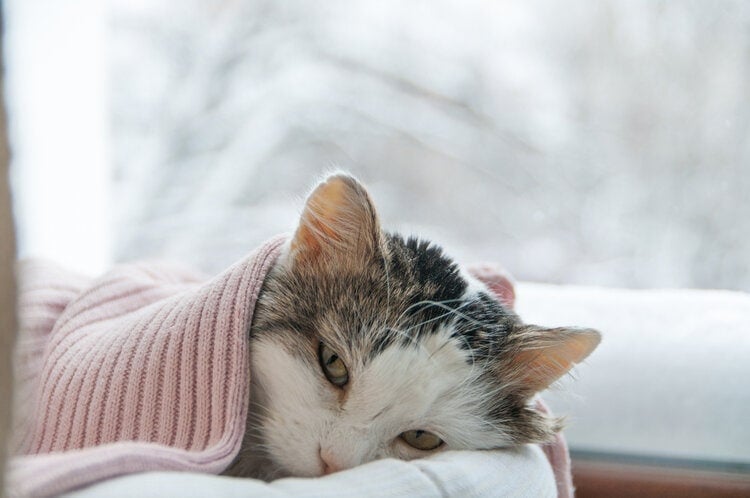
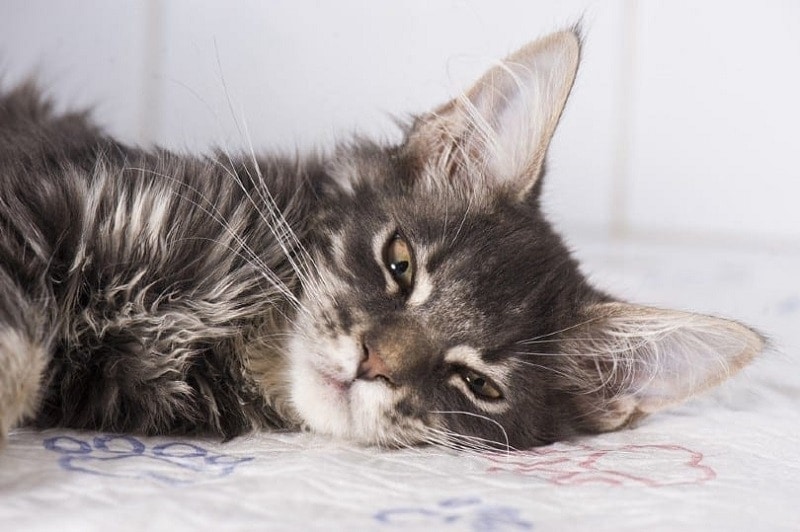
As the cat’s feverish body is trying to cool itself down, the ears can feel especially warm, but the cat in general will often feel very warm all over their skin. Initially, cats with a fever will often be lethargic and uninterested in eating or eating very little. Fever can be a sign of systemic inflammation or infection in the body, organ disease, wounds, internal damage, poisoning, cancer, or many other disorders. Any fever no matter the cause is considered a serious sign of illness that needs urgent attention and it is best to contact your vet immediately.
4. Heatstroke
Cats can’t regulate their body temperatures quite as effectively as people, and because of this, it’s easier for them to start suffering from heatstroke. According to the Royal Veterinary College at the University of London, signs of heatstroke in cats include panting, drooling, red gums or tongue, lethargy, confusion, vomiting, diarrhea, increased heart rate, weakness, and even seizures. Cats with heat stroke will have a very high body temperature, and this will cause the skin and ears to feel very warm. It doesn’t necessarily need to be very hot outside for this to happen. Cats that are left in an enclosed warm or humid environment that is poorly ventilated can quickly overheat.
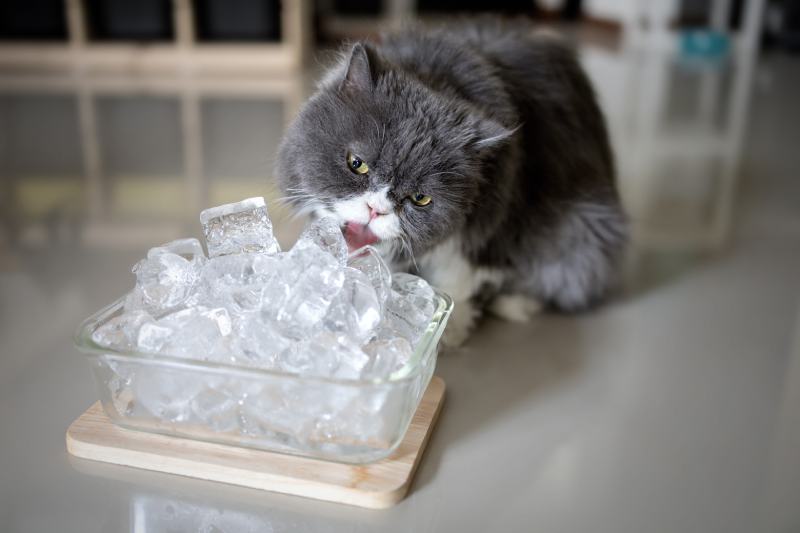
The first thing you need to do if your cat is suffering from heatstroke is to quickly take them to a cool, well-ventilated area and offer them small sips of water, but do not force them to drink. Pour some cool (not ice cold) water on them or cover them with a cool, wet towel. Change the towel every 5 minutes as it will be getting warm in contact with the cat. While doing all of this, have someone reach out to a vet or animal hospital immediately, as heat stroke can be lethal for your cat and they will need veterinary care straight away!
5. They’re Just Warmer Than Us
If you’re wondering why your cat’s ears are always warmer, while your cat is otherwise absolutely fine, the reason might be that in comparison to us, cats just “run a bit hot!” The average temperature for a cat ranges between 100.5 and 102.5 degrees Fahrenheit, which is a bit warmer than in humans.
Because of this, you might simply feel your cat is warm even when there’s nothing wrong. The best thing you can do is handle your cat frequently throughout the day and get to know their normal skin and ear temperature. You may also want to learn how to measure your cat’s body temperature; that way, if their temperature does spike, you’ll be able to recognize it as abnormal and get them to your vet for the treatment they need.
When to Take Your Cat to the Vet
When it comes to your cat, trust your gut. If something doesn’t seem right, it probably isn’t. And while you might make a needless trip to your vet, that’s better than not taking them only to find out that they’re genuinely ill.
If you suspect your cat has a fever, heatstroke, ear inflammation or infection, or is unwell in any way, you should take them to a vet right away! They’ll be able to ensure your cat gets all the attention and medication they need to get happy and healthy once again!
In Conclusion
Now that you know a bit more about why your cat’s ears might feel toasty, and you’re sure their ears are hotter than normal, we highly recommend taking them to a vet straight away so you get some peace of mind and your cat can get any necessary treatment.
Sources
My cat’s ears are hot: what should I do? | Vetoquinol Pet UK
https://www.msdvetmanual.com/cat-owners/ear-disorders-of-cats/otitis-externa-in-cats
https://pets.webmd.com/cats/ear-infections-in-cats-causes-treatment-and-prevention
https://www.charlotte.carolinavet.com/site/charlotte-emergency-vet-blog/2021/01/28/fever-in-cats
Featured Image Credit: Gumpanat, Shutterstock
Get Hepper In Your Inbox


Pet care tips from our vets and experts, straight to your inbox.
You may opt-out at any time. View our Privacy Policy for more information.
Adam, a dedicated freelance writer and animal advocate, has a long history of rescuing animals and creating compelling written content. For over ten years, he has worked as a freelance writer, and his passion for rescuing animals extends even further back. Adam is also a proud father of three, always ready for a challenge and eager to embark on new adventures.
Join the conversation
Ask a question, share your story, or send private feedback.