Hepper is reader-supported. When you buy via links on our site, we may earn an affiliate commission at no cost to you. Learn more.
Ear Infections in Cats - Vet Reviewed Causes, Signs & Treatments


In this article
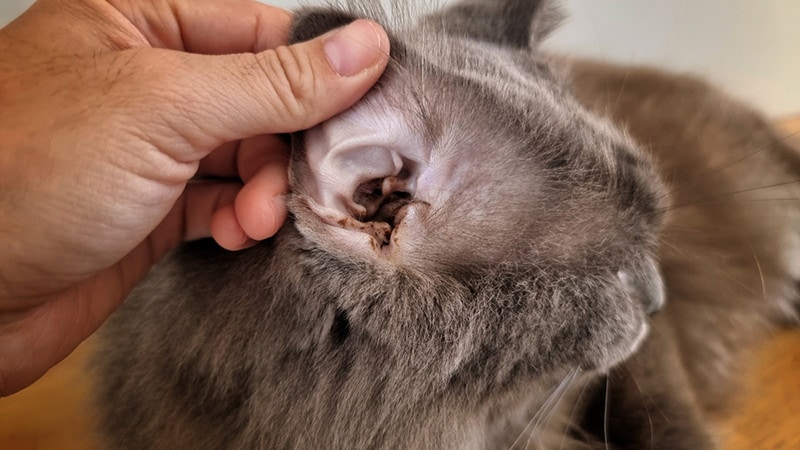
You might have noticed your cat excessively scratching at its ears or shaking its head more than normal, which could be a sign of an ear infection. Otitis externa (an ear infection) occurs when the outer ear canal becomes inflamed and swollen, and it can be quite uncomfortable for your cat.
It’s a common condition that doesn’t go away by itself, so it’s important to know what to look for to get your kitty back to normal.

What Are Ear Infections in Cats?
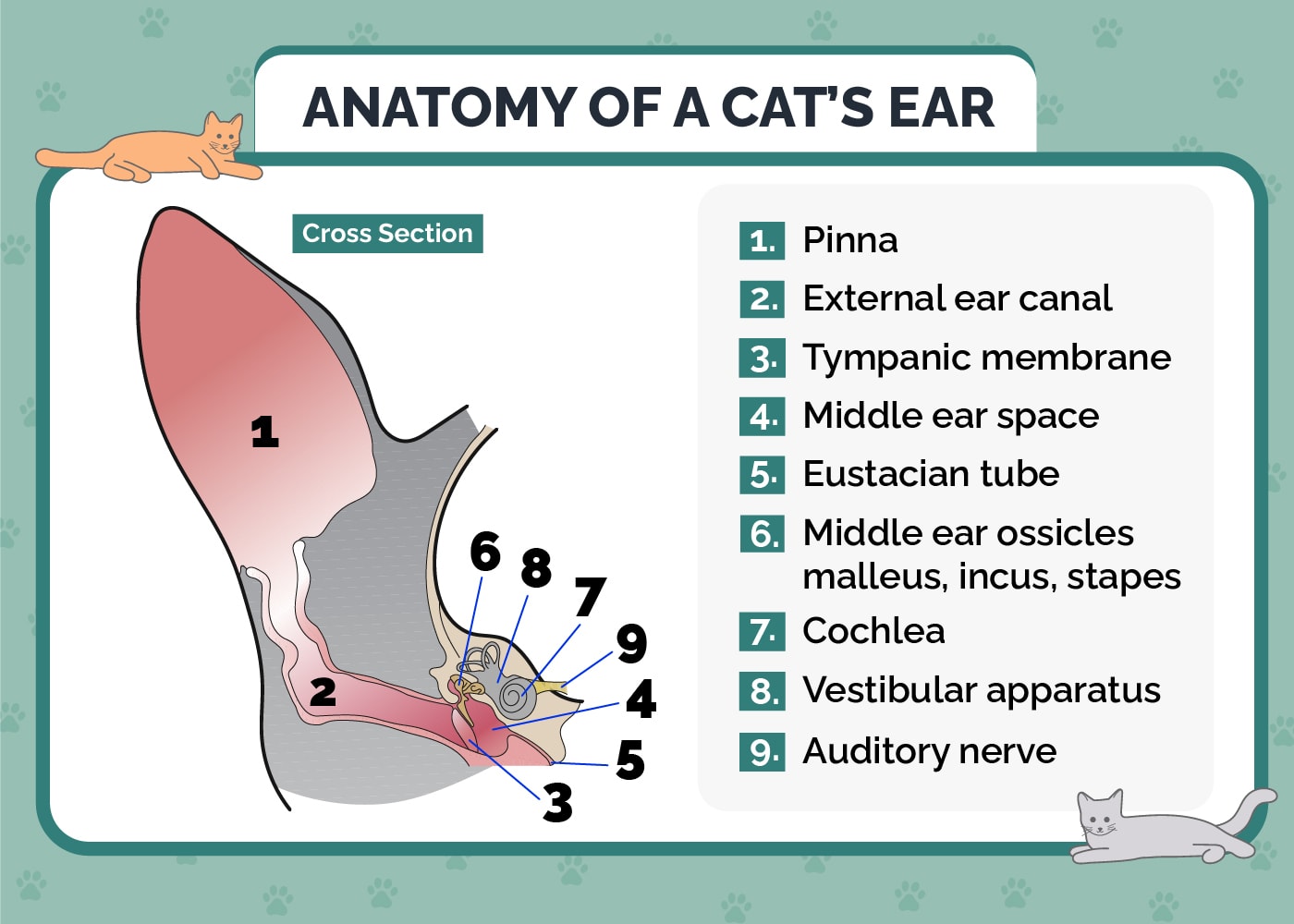
To understand ear infections, you first need to understand a little about the structure of a cat’s ear. It is separated into three sections: the outer, middle, and inner ear. The middle and inner ear are separated from the cat’s outer ear by the eardrum, and it’s within this inner ear where hearing and balance occur. If left untreated, a chronic or severe outer ear infection can develop into serious infections of the inner or middle ear.
Cats have much more sensitive ears than we do, partly because of a deeper, larger canal which allows for better sound processing, but it also attracts more wax and dirt, which can contribute to irritation and infection. Unfortunately, the ear canal is dark and often moist, which is the perfect home for bacteria and yeast.
What Are the Signs of Ear Infections in Cats?
Cats suffering from an ear infection might experience different signs because of how severe their infection is and how long the ears have been infected. However, most cats will show these signs:
- Ear discharge and odor
- Ear pain
- Head shaking
- Head tilt
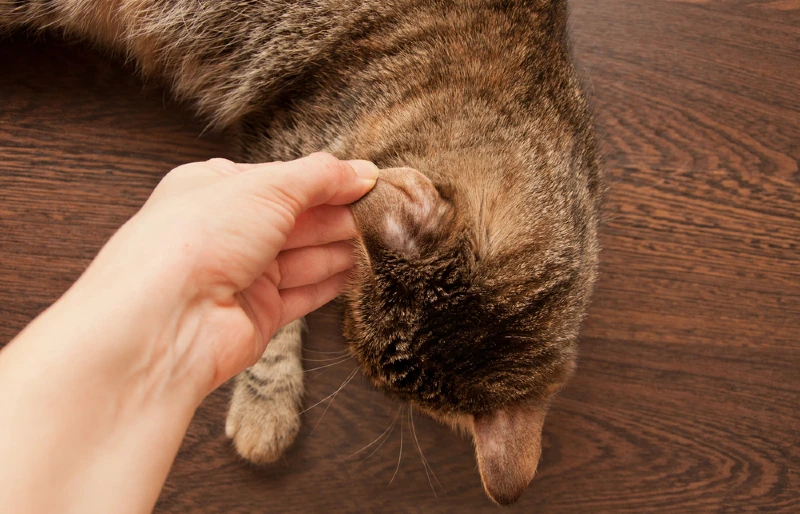
- Scratching at their ears
- Red, swollen, and sore pinna (they may appear ulcerated)
While it is more common for both of your cat’s ears to become infected, sometimes only one ear will be. But if you notice signs of infection in one ear, check the other, just in case. You might notice signs of incoordination as the inflammation and infection progress to the middle and inner ears. This could indicate a vestibular issue, as the system is involved with motion, balance, and orientation; this feeling is similar to vertigo for humans. Your cat might also injure their ear from all the scratching and cause an ear hematoma.
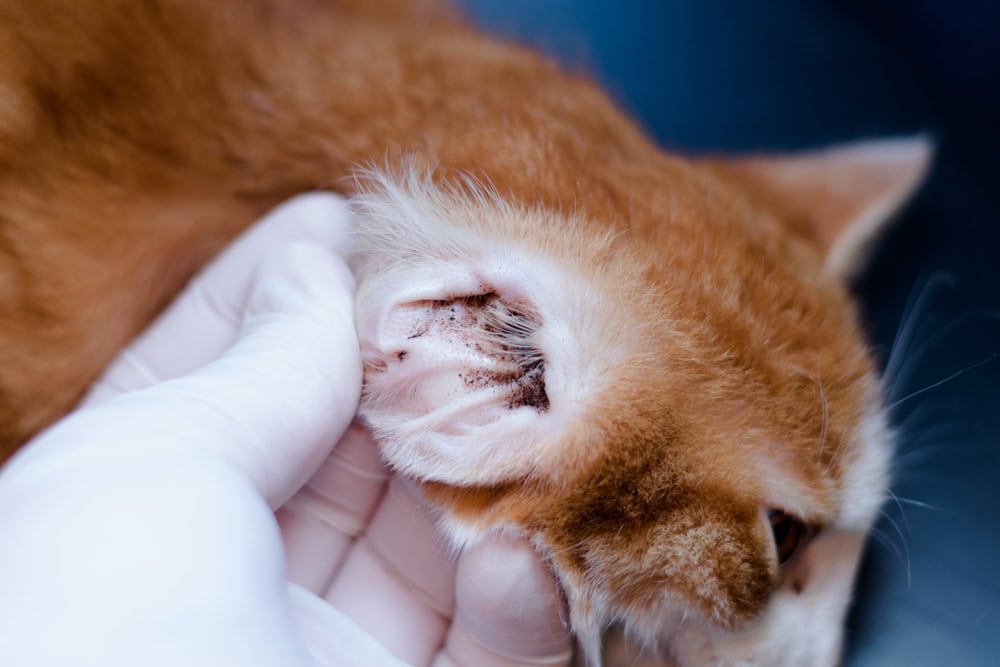
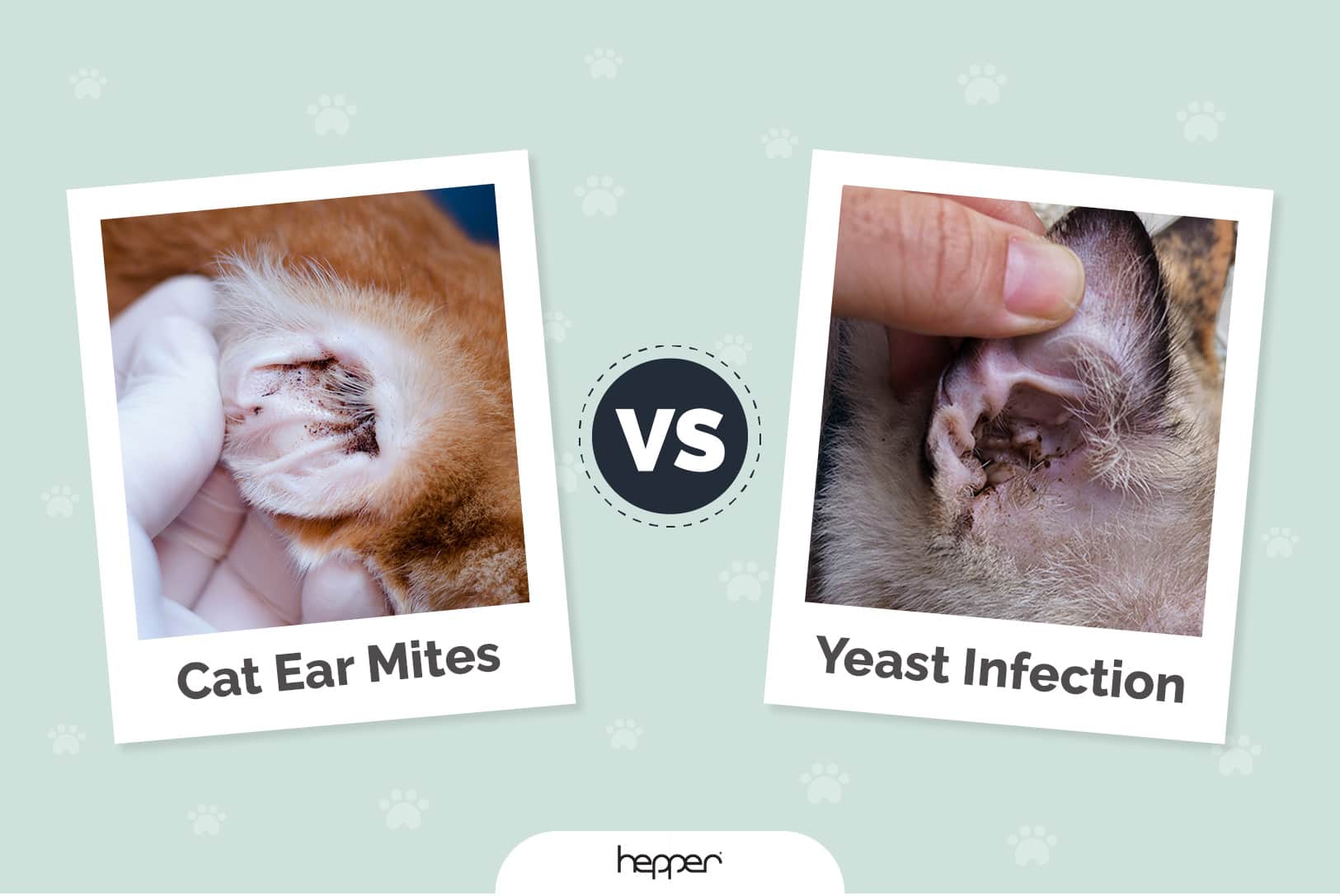
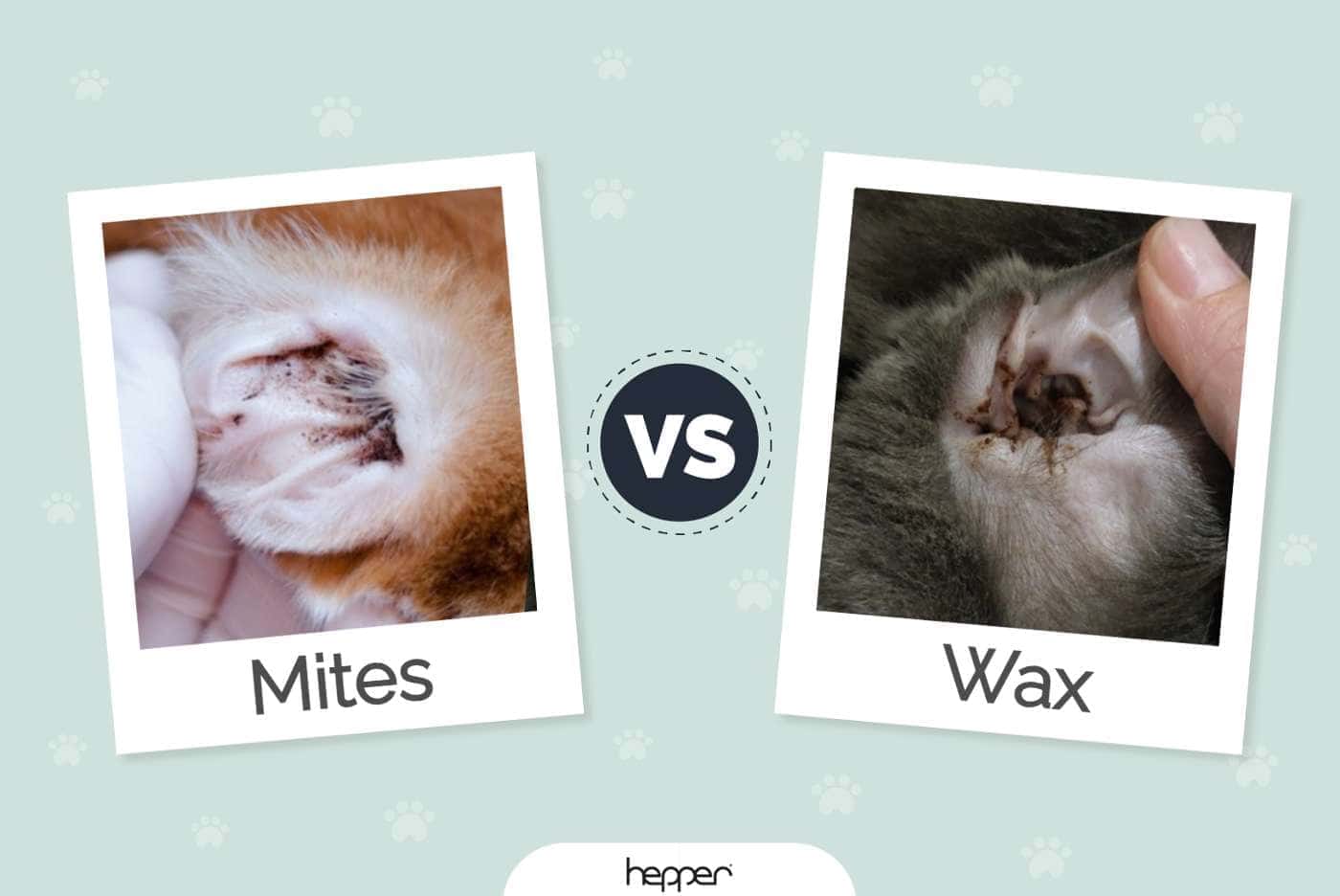
These signs might also sound very similar to those associated with ear mites, which generally occur in outdoor cats and kittens or adult cats that have been introduced to a new kitten. It’s also possible for the ear mites to create an environment in the ear canal that results in secondary infection with yeast or bacteria. And by the time the cat is taken to the vet, the mites are gone, and the severe infection remains.
What Are the Causes of Ear Infections in Cats?
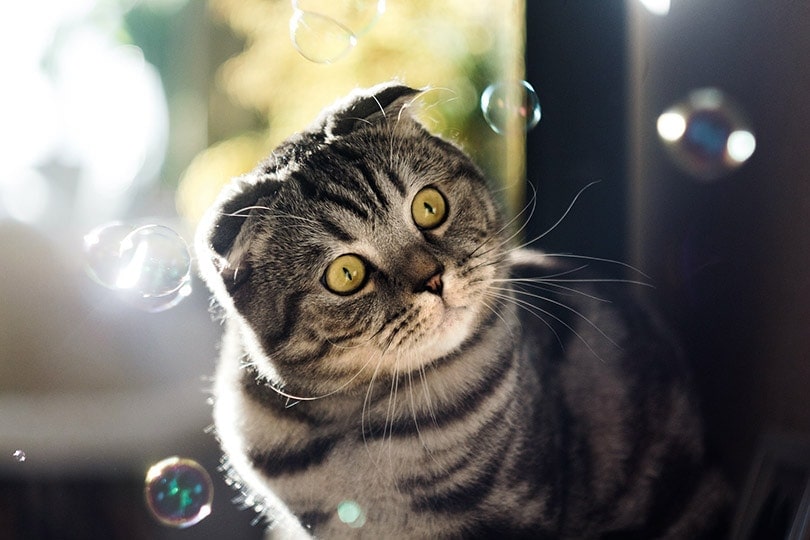
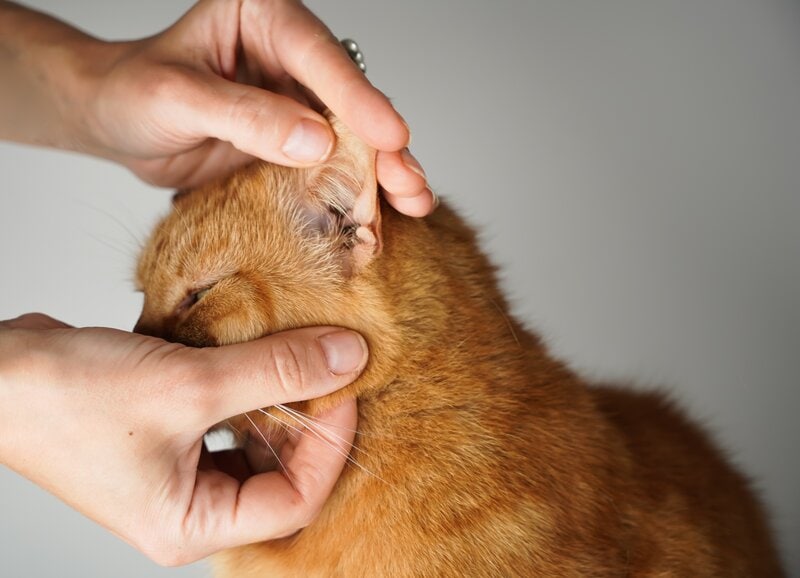
There are many causes of ear infections in cats. Predisposing factors like the abnormal shape of the ear (like a Scottish Fold’s ear) could increase the risk of an ear infection. Cats with lots of ear hair, too much wax production, or small ear canals could also be predisposed to ear infections.
Yeast and bacteria are generally opportunistic, secondary infections which means the original problem was not bacteria or yeast, but they are instead taking advantage of the situation. A healthy ear canal will defend and fight off yeast and bacterial overgrowth, but an unhealthy ear canal loses that ability.
Other causes of secondary infections are:
Medication or treatments that aren’t intended for feline ears, like alcohol or hydrogen peroxide, might also cause inflammation. Even products that are designed for the ear could cause a problem if a veterinarian hasn’t prescribed them, so always consult the vet before making any medical decisions.

How Do I Care for a Cat With an Ear Infection?
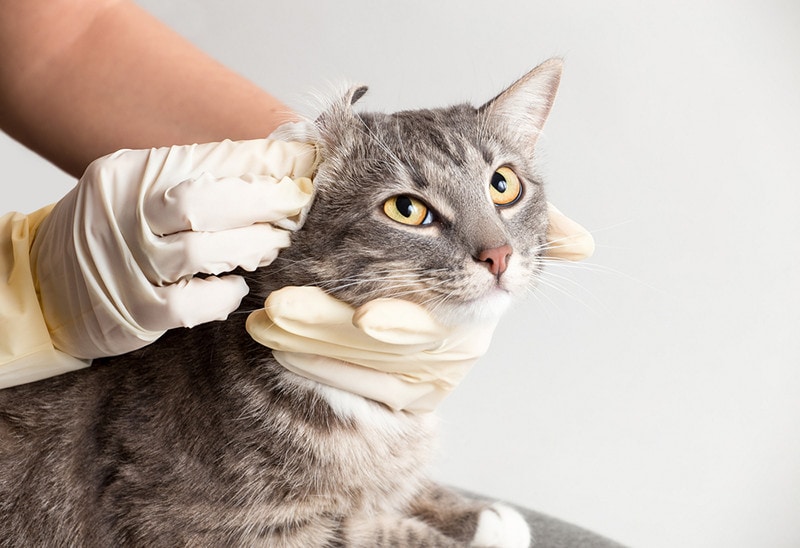
The care your cat will need depends on the reason for their infection. Treatment will be aimed at the cause and treat a secondary infection if it has occurred. Medication and cold laser therapy are often used to decrease inflammation and treat pain.
- Allergies: The first step will be determining if your cat is allergic to a particular food or the environment. Diet trials and specialized testing might be used to identify possible allergens. But there are a few ways your vet can treat your cat’s allergy.
- Ear mites: Topical anti-parasitic medications are often used, and some might also be placed directly into the ear canal.
- Yeast and bacterial infections: Generally, these are treated with anti-fungal, antibiotic, and anti-inflammatory drugs.
You will have to keep the ear clean as any debris left in the ear can cause the infection to last longer and make it tougher to treat. Oral anti-inflammatory drugs like NSAIDS or steroids can treat pain and decrease inflammation for particularly severe infections. Surgery might be needed to treat foreign bodies, and polyps, tumors in the ear canal.
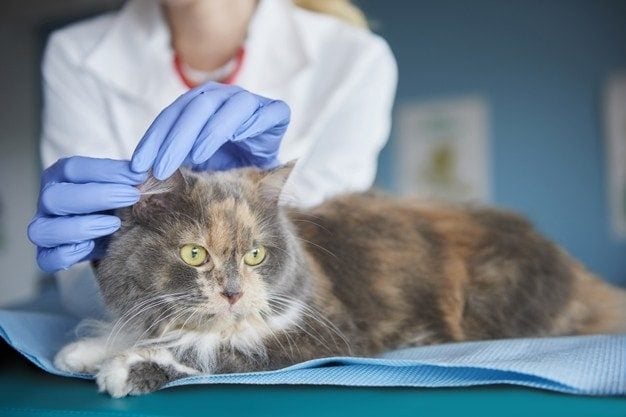
You might notice your cat feeling better before treatment has ended, and it is tempting to stop early or even cancel your follow-up appointment. However, it’s vital to continue the full length of the treatment—a common cause of the treatment failing is stopping it too early. Visiting your vet will also show them one or more of the following examples:
Generally, the prognosis for cats with ear infections is good. Early intervention, treating any underlying factors, and completing any medications are all incredibly important keys to success.
Frequently Asked Questions (FAQs)
Why Is It Important to Clean Your Cat’s Ears?
Cleaning your cat’s ears will maximize the medication's effectiveness and ensure the infection does not persist. Always clean your cat’s ears before administering medication unless told to do otherwise by your veterinarian. If the infection is severe or your cat is in a lot of pain, you would first medicate for a few days and then start cleaning their ears.
The goal is to break up wax and debris without causing your cat irritation. Home remedies like vinegar or hydrogen peroxide aren’t recommended because they can often cause more irritation and discomfort. Be careful not to use too much liquid, as cats are sensitive to having fluid in their ears, and you might find that excessive fluid causes incoordination.
How Do You Clean Your Cat’s Ears?
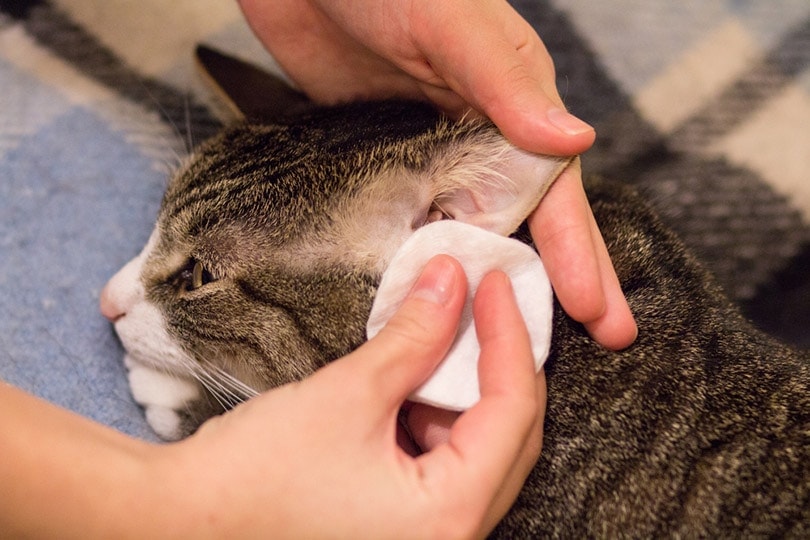
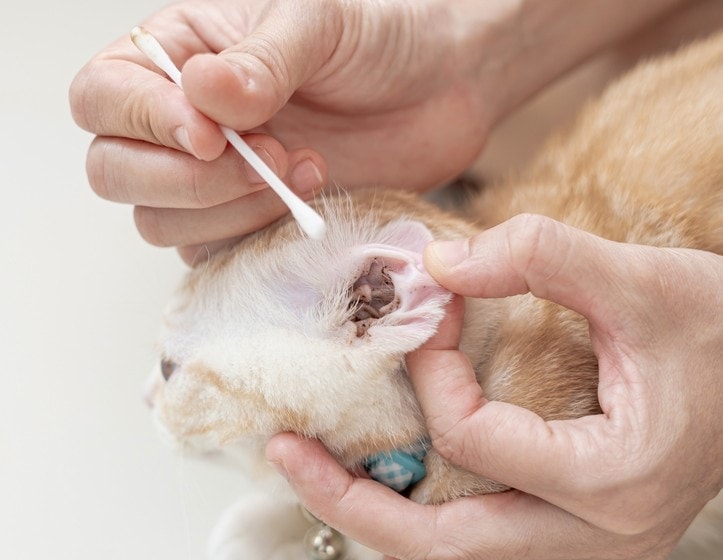
There are a variety of methods you could use, but this one is feline-friendly and isn’t time-consuming:
- Moisten a cotton ball with ear cleaner
- Apply the cotton ball to the base of your cat’s ear and fold the ear flap over so it’s on the cotton ball
- Massage the base of your cat’s ear (it should make a squishing sound), and then allow your cat to shake its head
What Are the Signs to Indicate Treatment Isn’t Working?
If you notice any of these warning signs, discontinue treatment and contact your vet immediately:
- An increase in odor or debris in the ear
- Cat is fighting harder against cleaning and application of medication
- Increased temperature/swelling of the ear
- Red and white blisters in the ear/ear canals
- Red discharge from the ear
Conclusion
It’s troubling to see our pets in pain, so chances are, as soon as you notice the first signs of distress, you will head to the vet. Thankfully, the prognosis for ear infections is good; if you follow your vet’s instructions, your cat should be back to normal in no time. Until then, provide plenty of love and compassion for your beloved kitty!
Sources
https://www.petmd.com/cat/conditions/ears/8-steps-treating-cat-ear-infections
https://www.petmd.com/cat/conditions/ears/cat-ear-infections
https://vcahospitals.com/know-your-pet/ear-infections-in-cats-otitis-externa
https://www.pdsa.org.uk/pet-help-and-advice/pet-health-hub/conditions/ear-infections-in-cats
Featured Image By: RJ22, Shutterstock
Get Hepper In Your Inbox


Pet care tips from our vets and experts, straight to your inbox.
You may opt-out at any time. View our Privacy Policy for more information.
Kerry-Ann lives in Scotland and wishes her garden was bigger so she could have her very own Highland cow. But her dogs probably wouldn’t like that very much. She has a La Chon called Harry who was poorly with a liver shunt when he was a puppy. It wasn't likely he would make it into adulthood, which was difficult, but he beat the odds and is a healthy old man now. She also has a Pug called Maddie who is a big foodie. She’s small, sassy, and every day she finds a new way to mess with her brother.
When she isn’t writing you can find Kerry-Ann going for long walks when the weather isn't bad, reading, or watching cartoons when she should be tidying her house. She would one day like to be a tourist in her own country and travel through the Highlands with her family.
Join the conversation
Ask a question, share your story, or send private feedback.