Hepper is reader-supported. When you buy via links on our site, we may earn an affiliate commission at no cost to you. Learn more.
Cat Ear Mites vs Wax: The Differences (Vet-Reviewed Facts With Pictures)


In this article
Ear mites can be a serious problem for cats. If not treated, they may even threaten your cat’s hearing and cause secondary infections, which can be deadly. While ear mites themselves aren’t deadly, secondary infections can be.
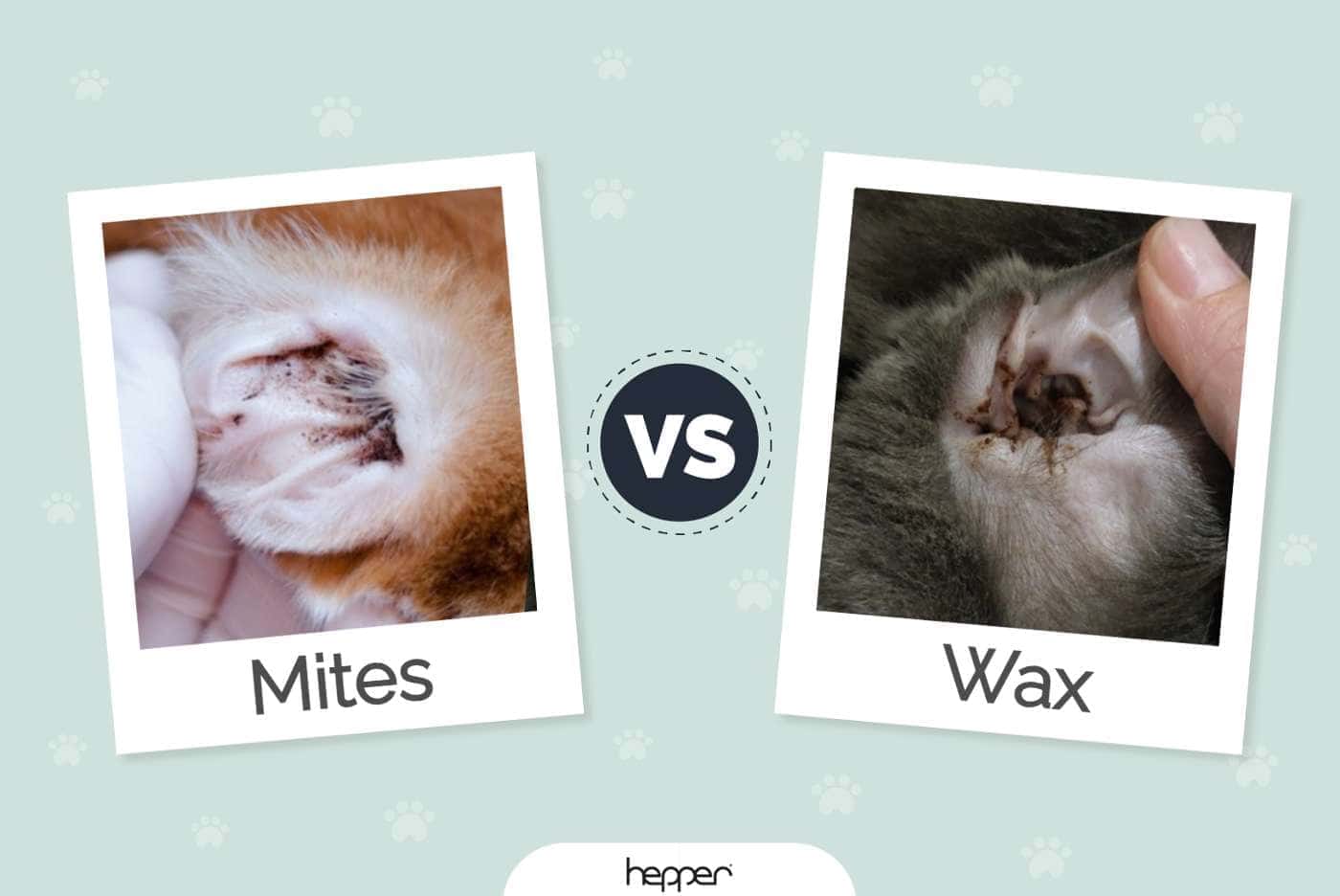
However, it isn’t always easy to tell what ear mites are if you aren’t a vet, as ear wax can also look like ear mites.
In this article, we’ll take a look at both ear wax and ear mites and help you figure out which is which. While you should always rely on your vet for a final diagnosis, it is always best to have some sort of idea of what you’re looking at.

Overview of Cat Ear Mites
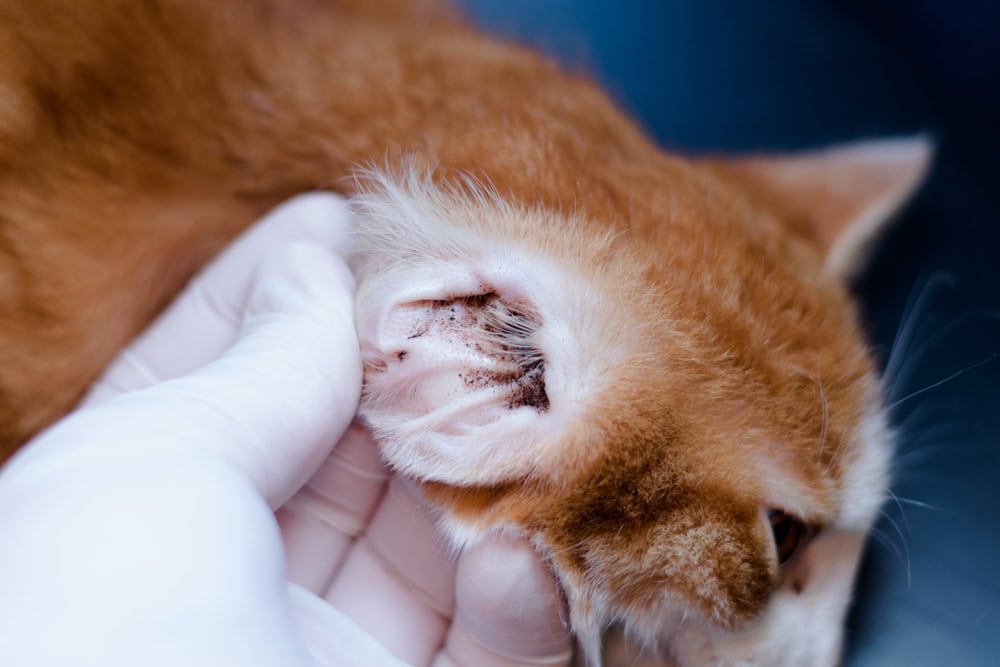
Ear mites are tiny arthropods that can live in your cat’s ear. After they make it to your cat’s ear, they will feed on your feline. Usually, this doesn’t cause any serious problems right away. However, it can lead to problems down the line. If the infection is not treated, it typically won’t go away by itself. Cats with compromised immune systems are more prone to ear mites, including older and younger felines.
Signs
Ear mites can only be seen under a microscope. Therefore, you won’t actually see them in your cat’s ears. Instead, you’ll have to rely on looking for signs and then take your cat to the vet to get looked at.
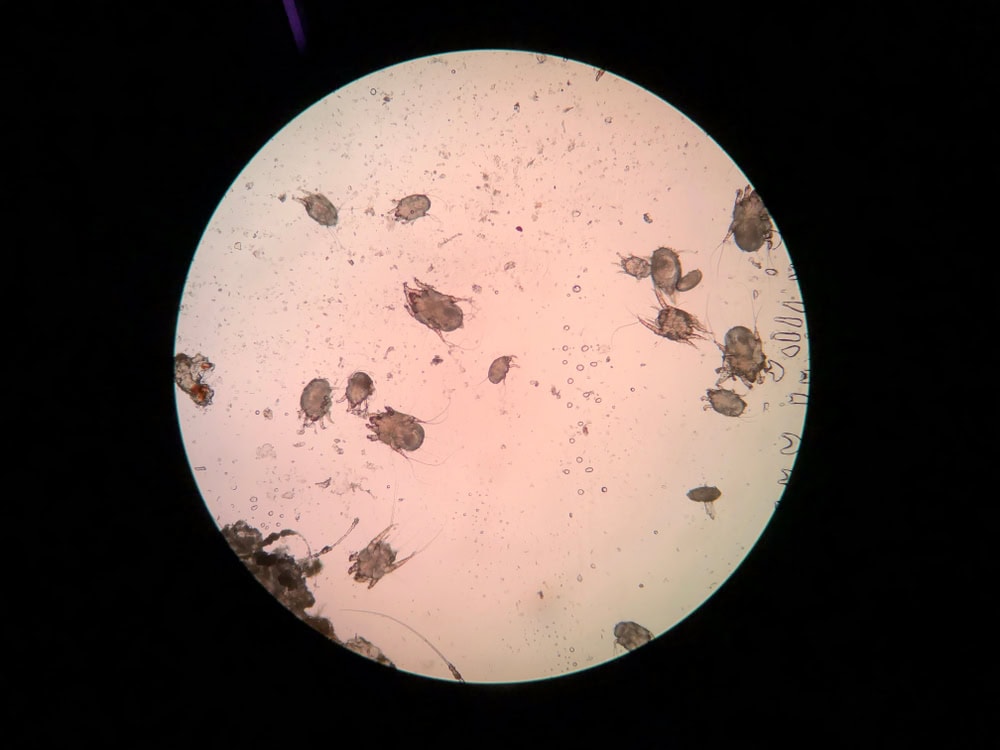
Signs of ear mites typically include obvious signs that your cat’s ears are irritated. They may shake their head back and forth or mess with their ears. The inside of their ears will likely be red and irritated, though the level of irritation can vary, and it doesn’t necessarily line up with how bad the infection is.
Other signs include:
- Foul-smelling wax
- Inflamed skin
- Disorientation
- Tilted head
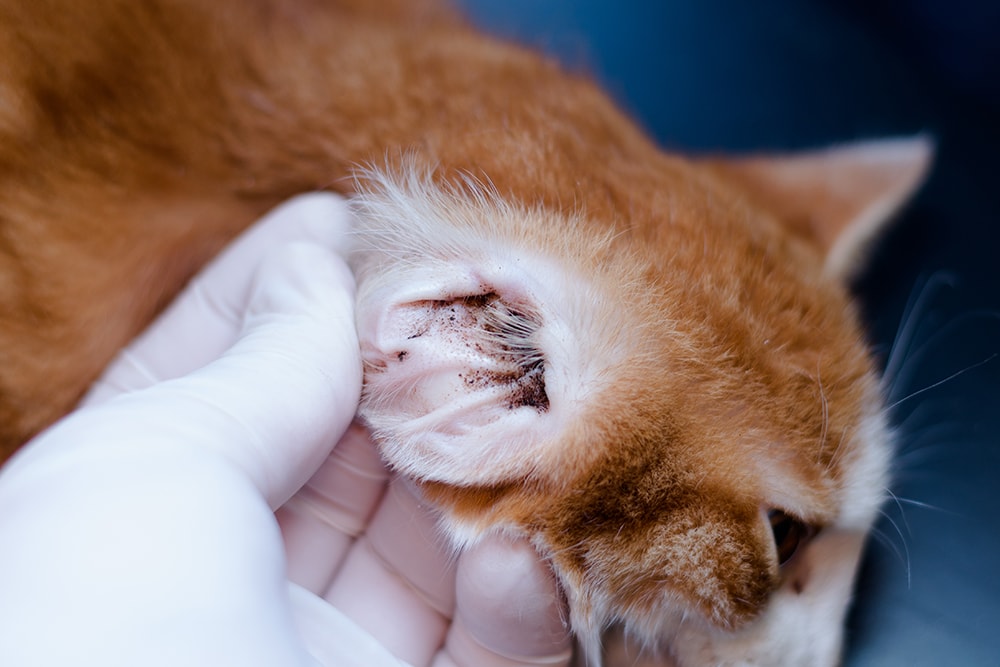
- Dark discharge

Overview of Ear Wax
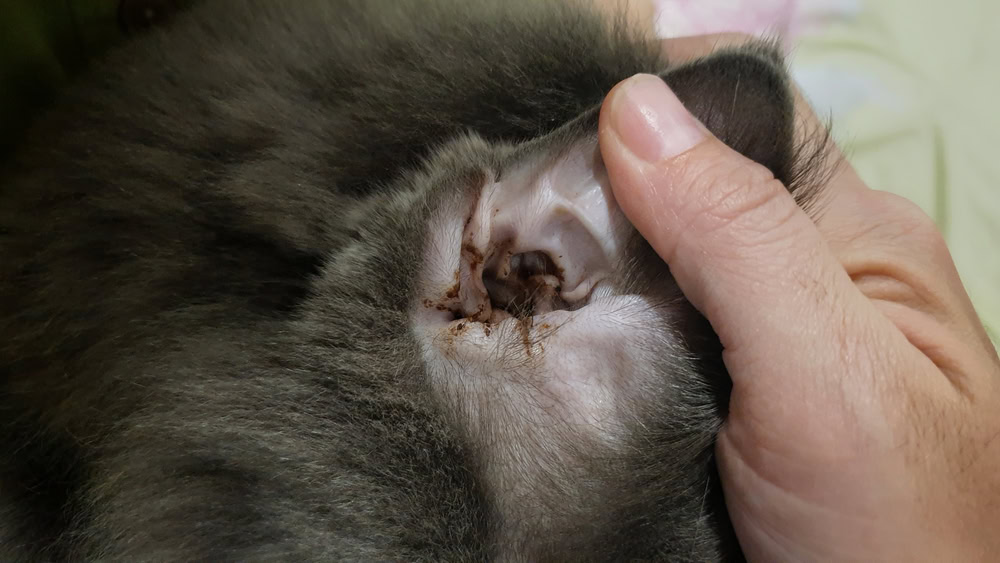
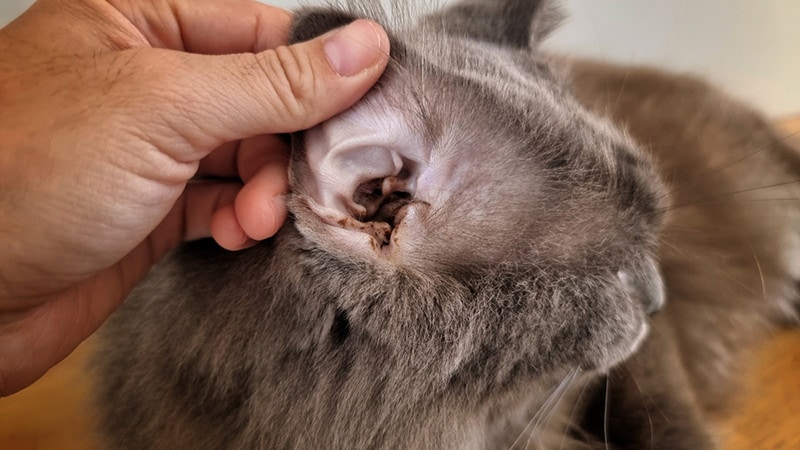
Ear wax naturally occurs in all cats’ ears on some occasions. However, it can change shades and smell when the cat has an underlying problem. Therefore, you shouldn’t necessarily just be looking to see if you see ear wax in your cat’s ear (odds are, you probably will). However, you should be looking to see if you notice healthy versus unhealthy ear wax.
If you do not see wax in your cat’s ears, then it is usually not a sign of a problem. In fact, most healthy cats do not have visible ear wax in their ears.
While the presence of ear wax isn’t always the sign of a problem, it absolutely can be.
See also: Why Do Cats Like Earwax? What to Know
Cat Ear Mites vs Wax: How to Tell the Difference
Generally, to determine if your cat has ear mites, you do not need to distinguish them from ear wax. In fact, since ear wax often becomes more plentiful when mites are present, trying to determine if it is ear wax or mites misses the point.
In other words, you cannot see ear mites. Anything you see in your cat’s ear is ear wax. However, ear wax changes if your cat becomes sick or has ear mites. Therefore, your main purpose should be to tell if the ear wax is healthy or not. If it isn’t, it could be a sign that your cat has ear mites.
Normal Ear Wax
Normal ear wax will have the following characteristics:
- Brown (usually light brown, but it can vary)
- Odorless
The best way to determine if the ear wax is healthy or not is to know your cat’s “normal.” If you know what your cat’s ears usually look like, then you’ll know if the ear wax has changed or not.
However, if you are only just now paying attention, it can be difficult to determine if your cat’s ear wax is normal or not. You just have to make your best guess.
Infected Ear Wax
Ear wax because of an infection is a bit different from healthy ear wax. Here are the things to look out for:
- Darker colored (though still brown)
- Smelly
The reason the darker-colored ear wax is associated with mites is that the mites leave behind waste and blood, which turns the wax into a darker color. Therefore, the darker it is, the worse the infection likely is. However, there isn’t always a correlation.
Signs of Unhealthy Ear Wax
If your cat’s ears are unhealthy, then you likely need to pay a visit to the vet. There are many conditions that can make the ear wax look unhealthy. Healthy ear wax should be light brown and surrounded by pale skin. On the other hand, unhealthy ear wax is:
- Smelly
- Darkly colored
- Plentiful
If your cat’s ear wax fits this description, then you should likely visit your vet to determine if your cat’s ear wax problem is a sign of something else.
What to Do if You Notice Unhealthy Ear Wax
If you notice that the ear wax is a darker color, it isn’t necessarily a sign that your cat has ear mites. However, if your cat has unhealthy wax, it is a sign that something is wrong. Therefore, you should take your cat to the vet either way.
Even if your feline doesn’t have ear mites, they likely have something else going on that requires veterinary attention.
Cats are famously good at grooming themselves, but sometimes they need a little extra help. Natural, hypoallergenic wipes like our Hepper Wash Wipes can help you keep your cat clean without causing any irritation. These wipes are specifically designed to work on all ages of cats, gently cleaning sensitive areas while effectively removing dirt and grime.

- Gentle Care For All Pets - Infused with moisturizing hypoallergenic ingredients & enriched with cucumber & aloe fragrance for healthier fur, coat & skin, the ultimate dog and cat cleaning wipes
- Deep Cleans From Head to Tail - Tackle the toughest dirt & messes with our extra strong pet wipes for dogs, cats and other pets while being gentle on sensitive areas like the face, ears, butt & paws
- Freshness On The Go - Each dog grooming wipes pack contains 30 counts of premium dog wipes that leaves your pets fresh. Packed in resealable packaging, keeping the cat wipes fresh & ready whenever
Related Reads:
How to Clean Your Cat’s Ears: Vet-Reviewed Step-by-Step Guide
How Often Should You Clean Your Cat’s Ears? Vet-Approved Facts & FAQs
Final Thoughts
We highly recommend that you take any darker-colored ear wax seriously, as it can be a sign that your cat has an infection, ear mites, or a similar problem. These things need veterinary treatment, as they do not go away on their own. In fact, leaving them to fix themselves can lead to serious problems down the line, such as hearing loss.
You cannot see ear mites, so you don’t need to tell them apart from ear wax. Instead, you’ll need to speak with a vet about whether it is ear mites or not.
See also:
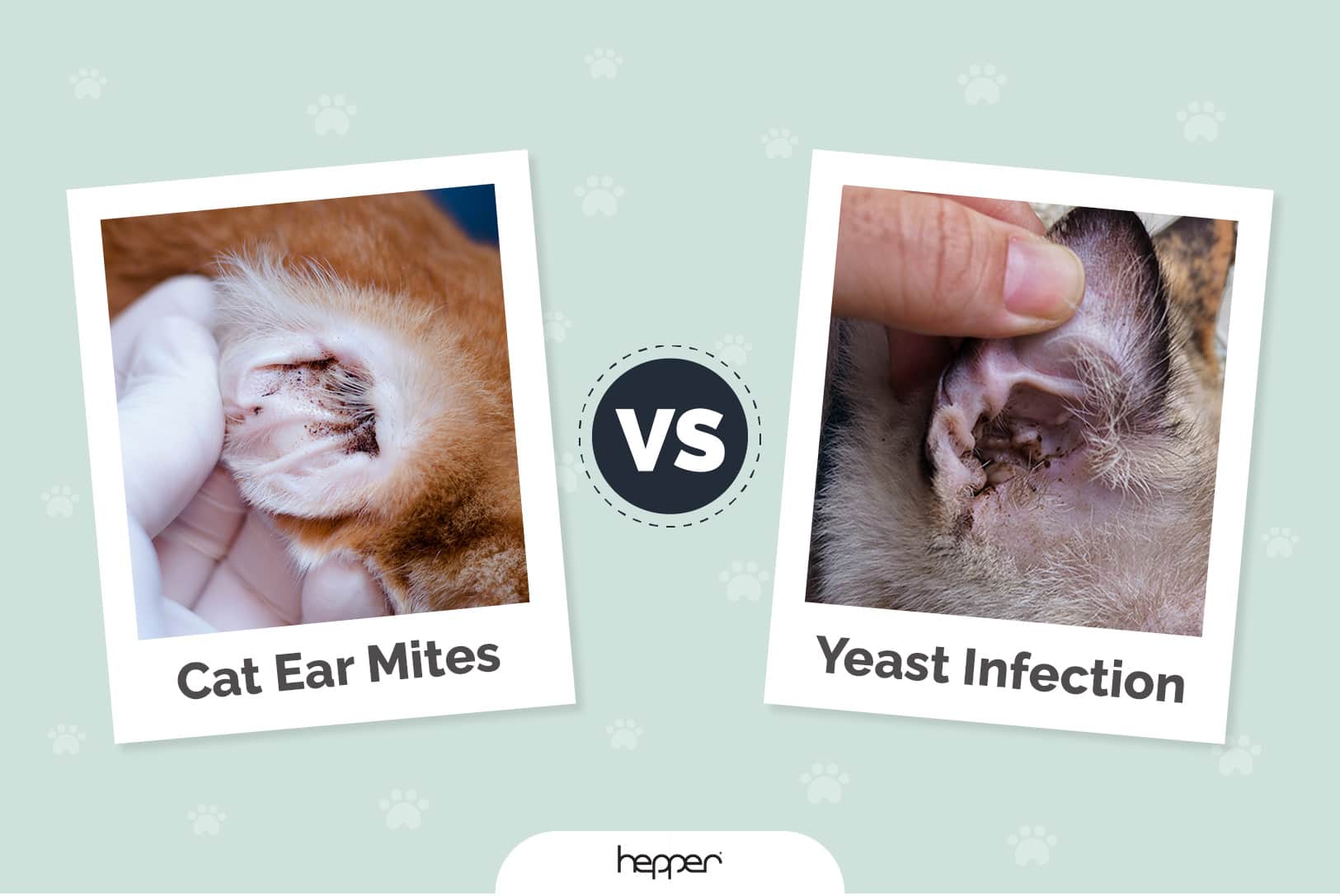
Cat Ear Mites vs Yeast Infection: Visual Differences (Vet-Approved)
Will Rubbing Alcohol Kill My Cat’s Ear Mites? Vet-Approved Facts & FAQ
Featured Image Credit: Left: Ear Mites: NONGASIMO, Shutterstock | Right: Ear Wax: NONGASIMO, Shutterstock
Get Hepper In Your Inbox


Pet care tips from our vets and experts, straight to your inbox.
You may opt-out at any time. View our Privacy Policy for more information.
Kristin is passionate about helping pet parents create a fulfilling life with their pets by informing them on the latest scientific research and helping them choose the best products for their pets. She currently resides in Tennessee with four dogs, three cats, two fish, and a lizard, though she has dreams of owning chickens one-day!
Join the conversation
Ask a question, share your story, or send private feedback.