Hepper is reader-supported. When you buy via links on our site, we may earn an affiliate commission at no cost to you. Learn more.
Are Petunias Poisonous for Cats? Vet-Reviewed Safety Facts


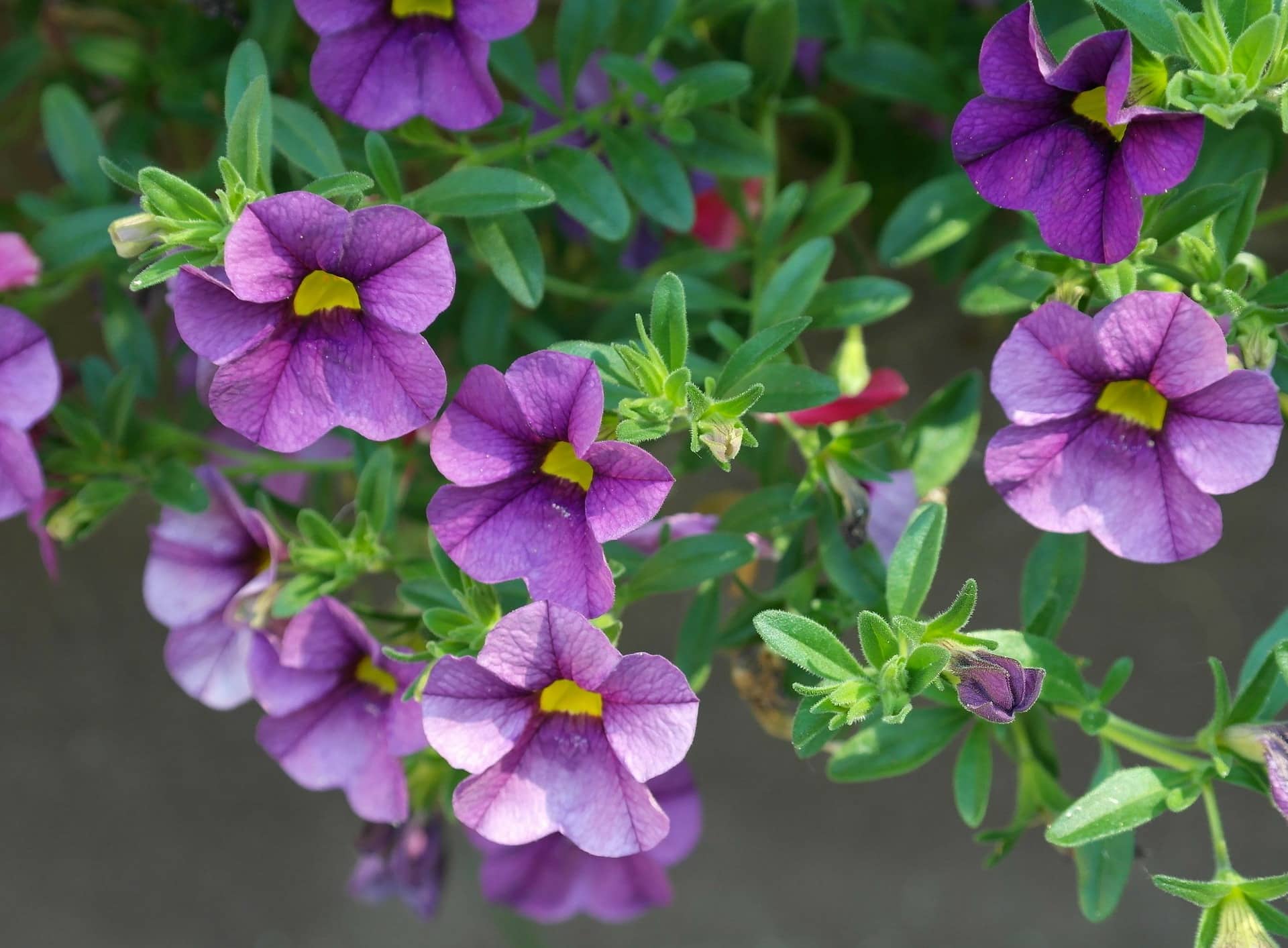
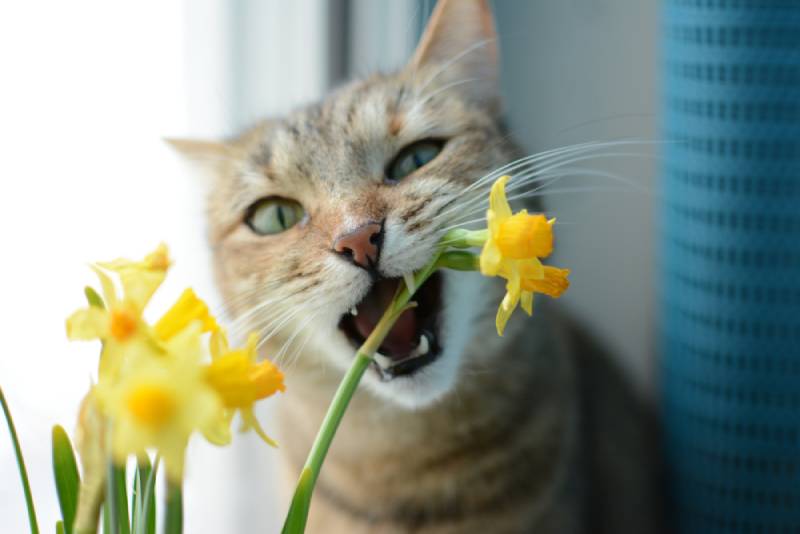
Cats are curious animals that like to investigate their world with their mouths, a habit that leaves cat parents running after them, trying to save them from eating things they should not. You may find your cat chewing on the leaves or flowers of houseplants. However, some plants can cause some health issues for your furry friend. If you have petunias in your home, you might wonder if those plants are poisonous to cats.
Luckily, if your cat has taken an interest in your petunias, you don't have to worry about your cat’s health. Petunias are non-toxic for cats.1

Are Petunias Healthy for Cats?
Although petunias are not toxic for cats, this plant offers no health benefits for cats. So, you shouldn't encourage your cat to eat petunias—even if it is just a nibble on the leaves or petals. Cats are obligate carnivores meaning their bodies are physically "designed" to digest the nutrition from animal proteins best.
Indeed, a cat's diet consists primarily of small rodents and birds in the wild. Cats can digest proteins from plants but this is not their mainstay of nutrition. Studies show that cats can increase their ability for digesting plant proteins if there is more plant protein in their diet. Many of the animals they hunt are herbivores and omnivores. Cats will eat every part of an animal they hunt, even the bones; they're very waste-not-want-not! Scientists believe that this behavior may be how cats would fulfill their plant-based dietary needs.
However, this doesn't mean that cats don't get any nutritional benefits from eating plant material. On the contrary, while their cecum is underdeveloped, they get some nutritional benefits from eating plant material. This may explain why cats tend to eat houseplants when they have the option to do so.
Additionally, when a cat hunts a small animal and consumes them, they consume not just the fat and muscle meats but also the organs. Organs are very dense in protein and nutrients. So, it's no wonder that they take advantage of it. They commonly also consume the stomach and its contents which are likely to be plant material in birds and small rodents.
A survey on cats eating plants yielded results suggesting that plant-eating is a relatively common and benign occurrence amongst cats of all ages. Furthermore, it dispelled the myth that eating plants is a learned behavior for cats as the behavior was most common amongst young cats, and incidence declined as cats aged.
Additionally, we have found ingesting plant material—grass, in particular—has been linked to the expulsion of intestinal parasites. The fiber in grass increases the amount of muscle movement in the intestinal tract, which can help cats pass parasites through the intestinal tract before an infestation can take hold.
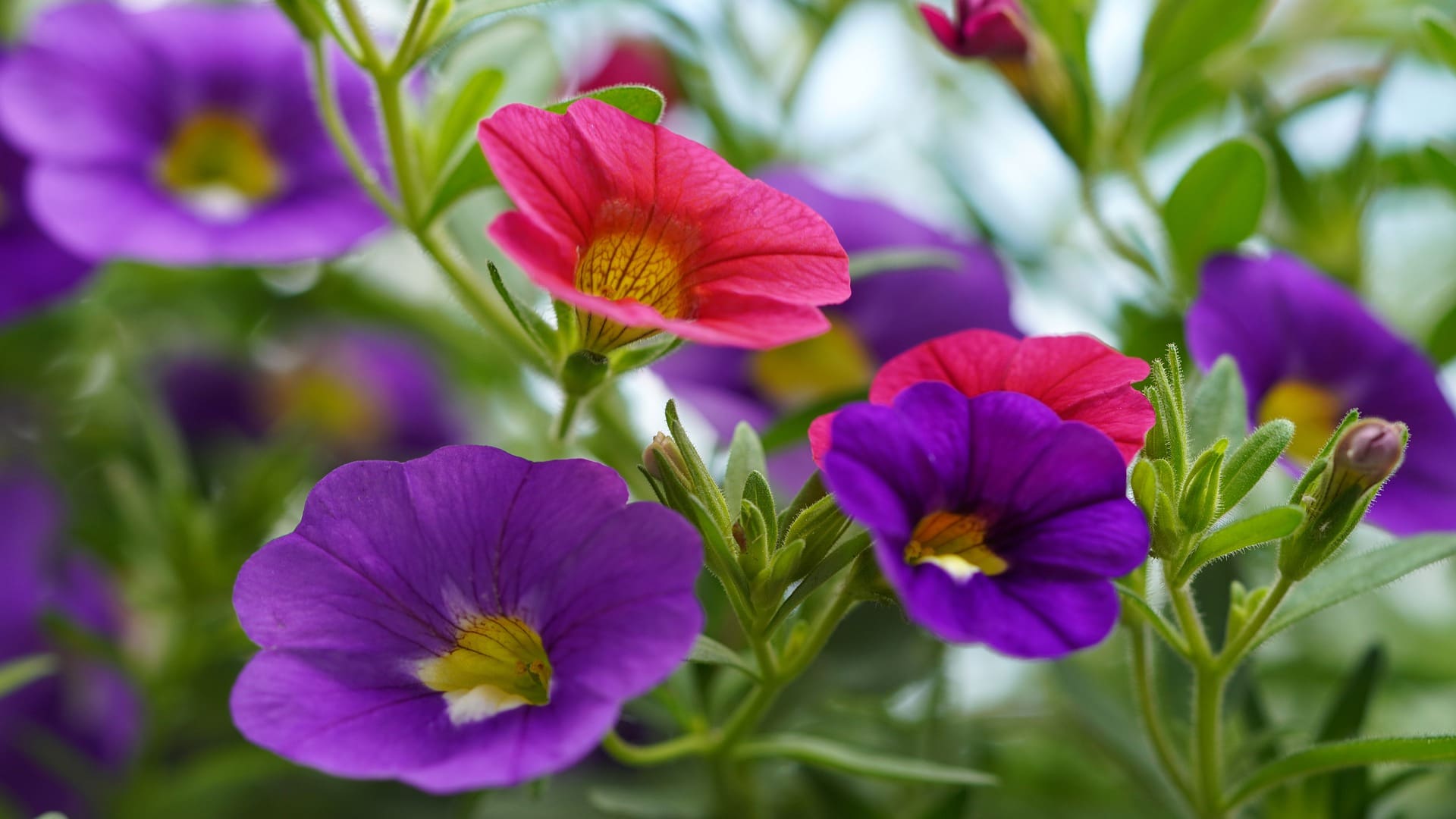
The 3 Other Cat-Safe Plants
Unfortunately, cats can destroy any plants you try to keep around your house. But that doesn't have to stop you from trying! Here are some cat-safe plants that you can plant in your home or yard to help make your house look beautiful!
The ASPCA keeps a list of plants that are toxic, mildly toxic, and non-toxic for cats, dogs, and horses. This list is by no means exhaustive, and new information about toxicology and animals is available every day. Still, it's a good starting place for any pet parents who aren't sure if their cat has ingested a toxic plant.
1. Cat Grass
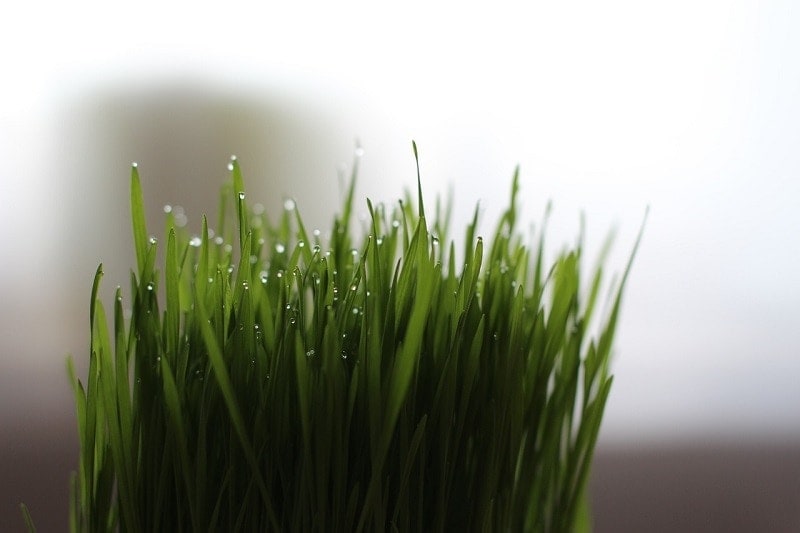
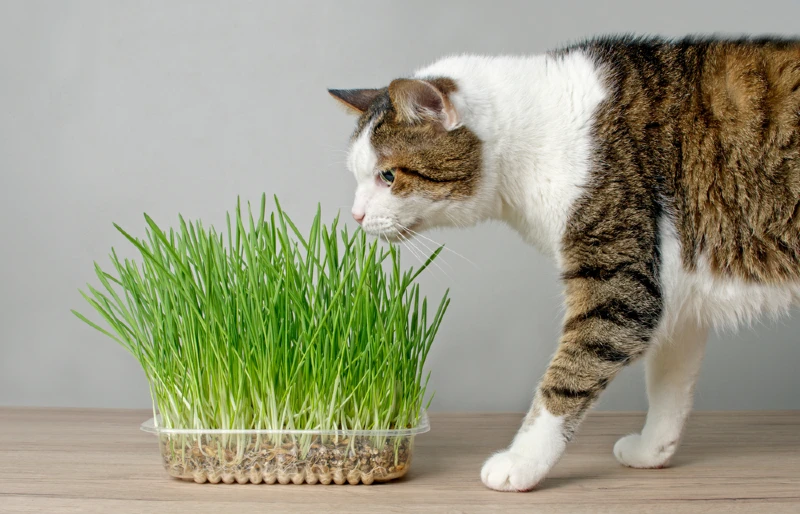
Cat grass is a great plant to grow if your cat likes to munch on your houseplants. Cat grass isn't a particular type of grass. Instead, cat grass is often a mixture of grass seeds including barley, rye, and wheat.
Cat grass isn't just tasty for cats; it's also healthy! In moderation, cat grass provides cats with essential plant-based nutrients, roughage, and fiber. In addition, providing your cat with cat grass to nibble on can help reduce the number of hairballs your cat throws up and aid healthy digestion.
2. Catnip/Catmint
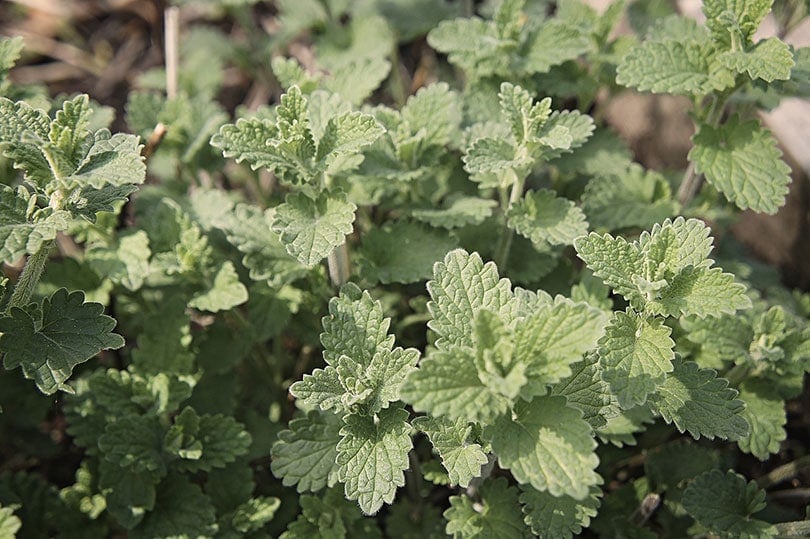
This herb goes by many names, but it's delectable to our cats. Catnip is a plant in the mint family that produces a substance called nepetalactone which mimics the smell of cat sex hormones.
In doing so, catnip protects itself from its primary insect predators who avoid the area, as nepetalactone triggers a receptor involved in uncomfortable sensations in insects TRPA1. However, this represents an irresistible temptation, and they're well known for chewing on the leaves and rolling around in shavings to try and get the plant to release more nepetalactone.
Catnip is a cat-safe plant. It doesn't provide as many healthy boons as cat grass, but it's perfectly safe for your cat to consume whether you buy it dried at the store or grow your plants.
3. Spider Plants
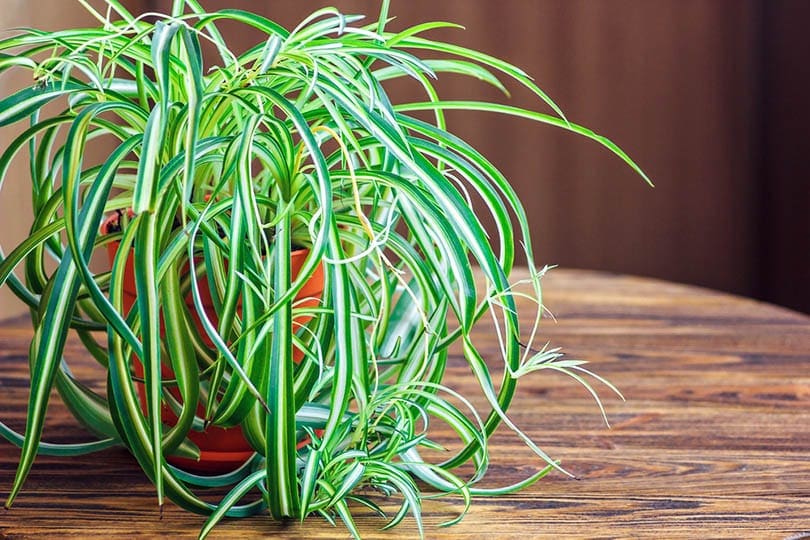
Spider plants are another excellent plant for pet parents who want to beautify their homes with plants. They're non-toxic for cats, and cats find their long dangly leaves delightful to play with. This makes for an engaging coexistence between your cat and your spider plant.
Final Thoughts
Cats are curious creatures that can get themselves in trouble with their tendency to put inappropriate things in their mouths. Luckily, petunias are safe for cats. So, if your cat has gotten into your petunias, there's no imminent danger for them.
If you are worried that your cat has ingested something that might be toxic for them, take them to an emergency veterinarian. A trained veterinarian will be able to identify anything your cat has ingested and respond appropriately to ensure the best outcome for your cat.
Featured Image Credit: Pixabay
Get Hepper In Your Inbox


Pet care tips from our vets and experts, straight to your inbox.
You may opt-out at any time. View our Privacy Policy for more information.
Luxifa is a freelance writer with a passion for animal science and technology. She loves to share the world of animal science with people to help them make informed decisions for themselves and their pets. Luxifa has worked in professional pet care for over six years and realised she could help change the world of pet care by bringing the information people needed to them in terms they could understand. Knowledge is power and she loves to help everyone become the most informed they can be.
Join the conversation
Ask a question, share your story, or send private feedback.