Hepper is reader-supported. When you buy via links on our site, we may earn an affiliate commission at no cost to you. Learn more.
Why Is My Kitten Sneezing? 8 Vet-Reviewed Likely Reasons


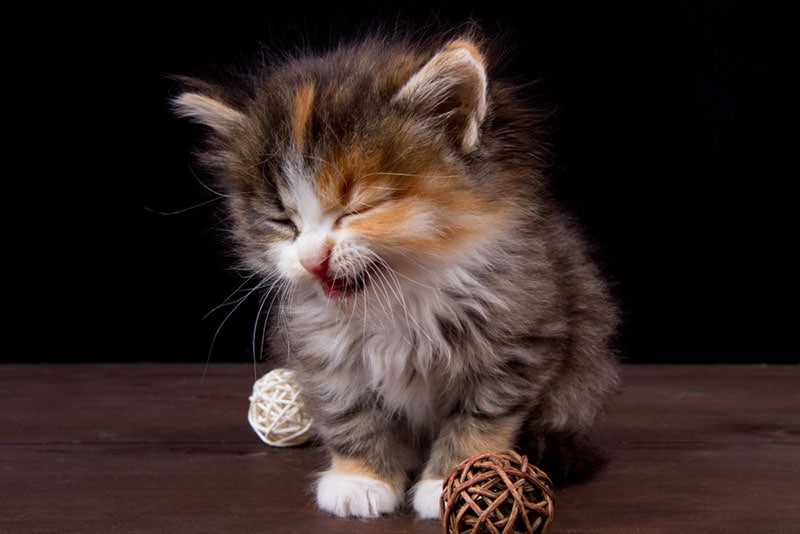
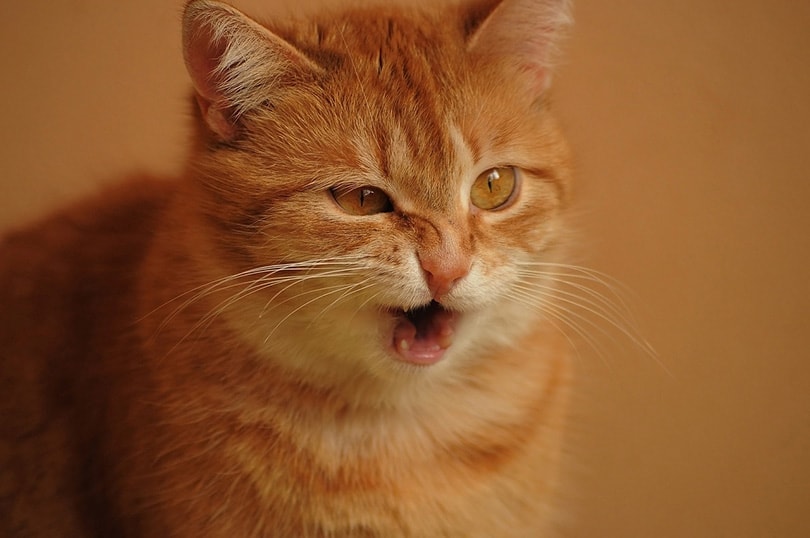
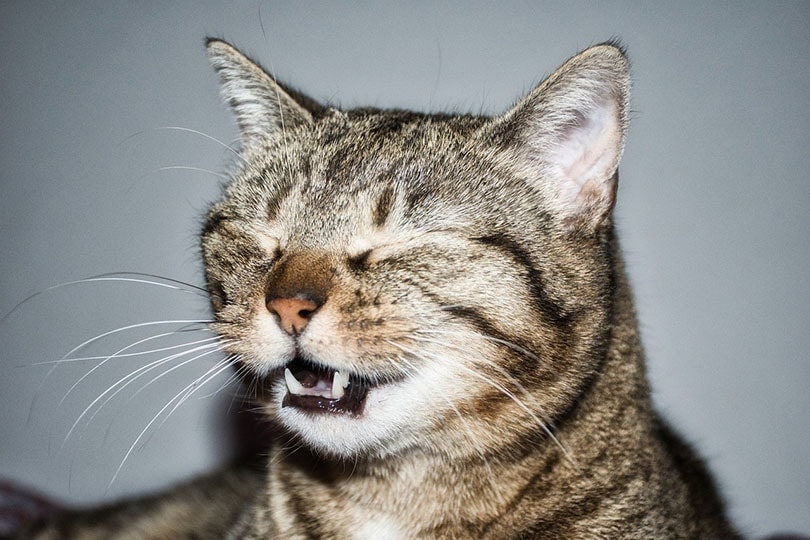
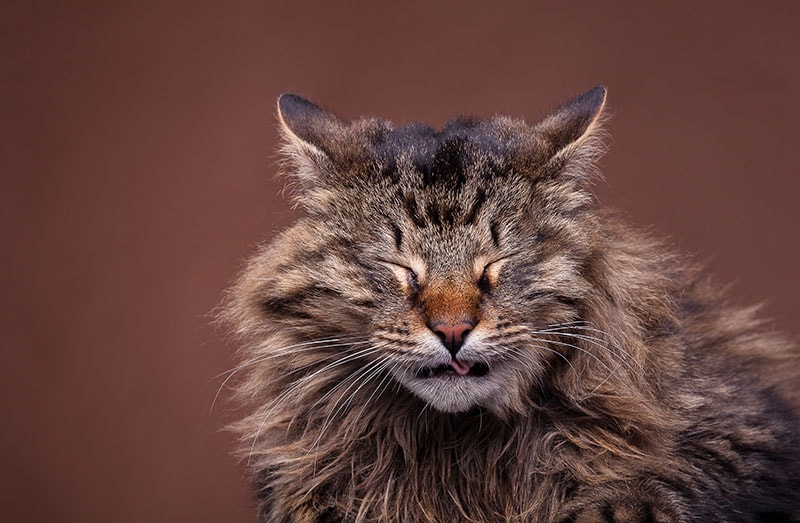
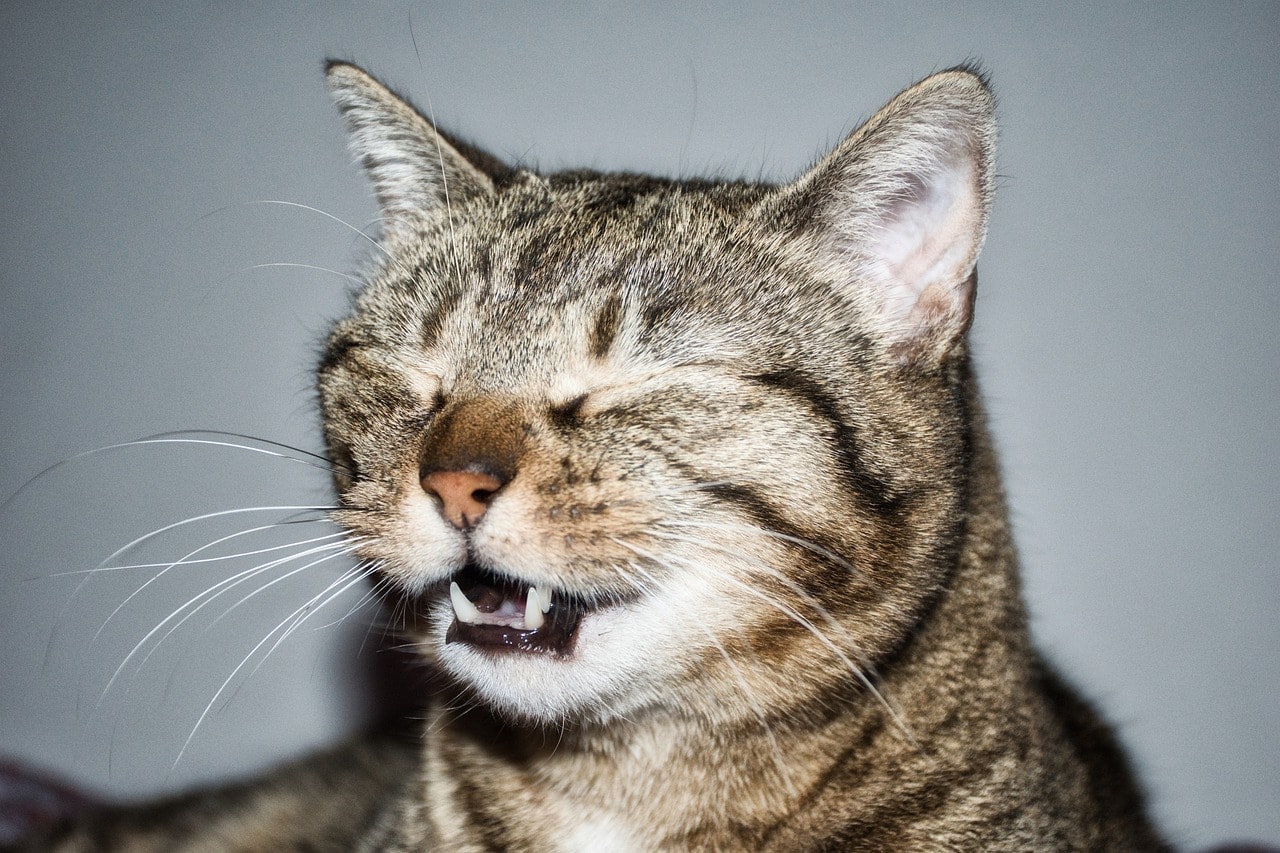
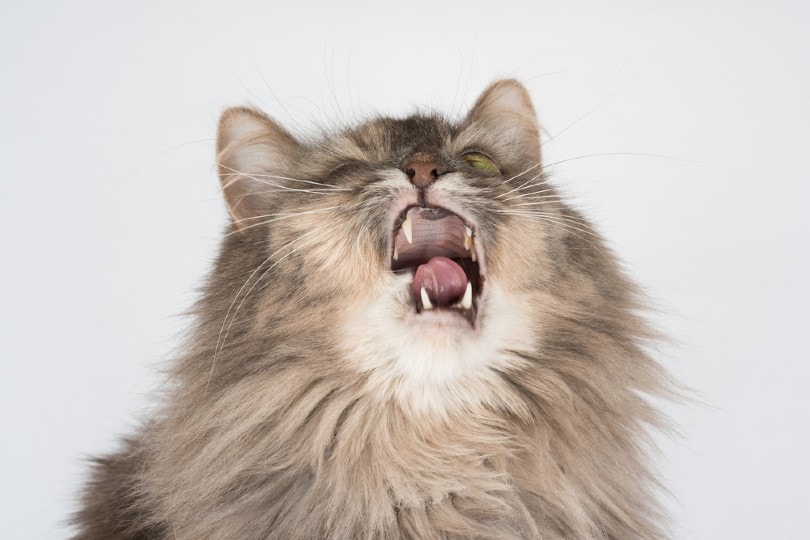
Gesundheit! Is your kitty acting more sneezy than usual? Sneezing is a normal body function for cats and, most of the time, doesn’t mean anything. But it can be a problem when your cat starts sneezing and can’t stop. Sometimes, this can mean a serious medical issue.
This post lists eight potential reasons your cat is sneezing and what you should do about it.

The 8 Possible Reasons Kitten Is Sneezing
1. Upper Respiratory Infection
The most common illness related to sneezing is an upper respiratory infection. Several upper respiratory infections exist, and the symptoms can vary based on your cat's condition. Some common respiratory infections in cats include:
- Feline Herpes Virus
- Feline Calicivirus
- Feline Leukemia
- Chlamydia
- Bordetella
- Mycoplasma
What to Do:
2. Inhaled Irritants
Like humans, cats sneeze to cleanse their respiratory system of unwanted irritants. The most common household irritants include:
- Dust
- Pollen
- Smoke
- Perfume
- Cleaning chemicals
- Scented candles
- Mold
- Pest sprays
What to Do:
3. Dental Disease
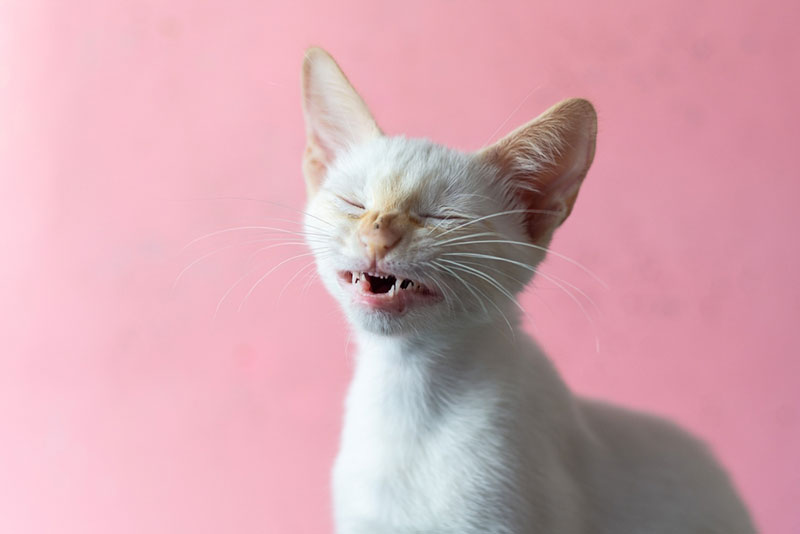
Dental disease in cats is pretty common—about 50% to 90% of cats struggle with some form of the disease 1. Many don’t know that a rotting tooth can send drainage to the nasal cavity, causing a sneezy cat.
What to Do:
4. Nasal Cancer
Tumors can grow within the nasal cavity, making it difficult for your cat to remove debris. Nasal tumors can have drainage, triggering your cat to sneeze 2.
Unfortunately, because nasal tumors are hidden, the signs don’t surface until the cancer is advanced. Common signs of nasal cancer include:
- Excessive sneezing
- Loud snoring
- Bloody noses
- Pawing at the face
- Seizures
- Facial deformity
What to Do:
5. Intranasal Vaccine
Intranasal vaccines are administered in the nasal cavity, which can certainly tickle your cat’s nostrils. These vaccines are often given to prevent upper respiratory infections in cats.
What to Do:
6. Nasal Blockage
Nasal blockages can trigger a cat to sneeze to dislodge the item. Common nasal blockages include:
- Plant material
- Bugs
- Litter
- Polyps (non-cancerous growths)
- Vomit/regurgitation
What to Do:
7. Excitement
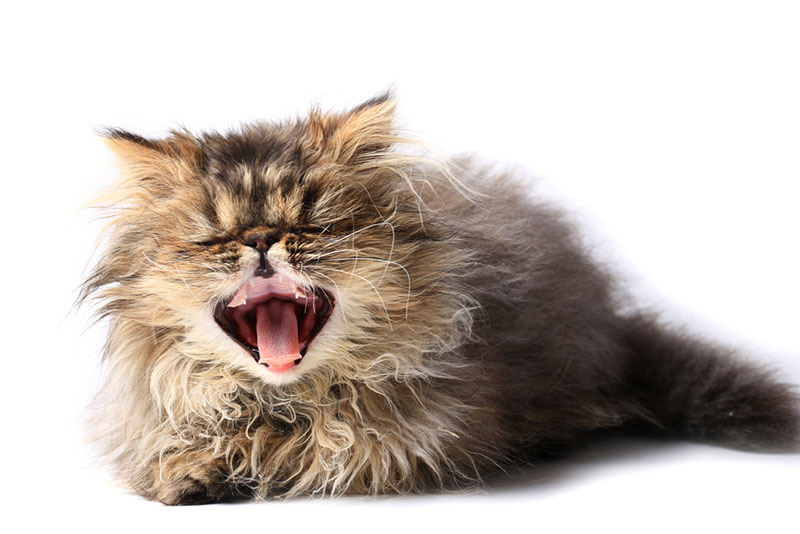
We all have our quirks, right? Your cat could be an excited sneezer. With all that running around, the juices are flowing!
What to Do:
8. Allergies
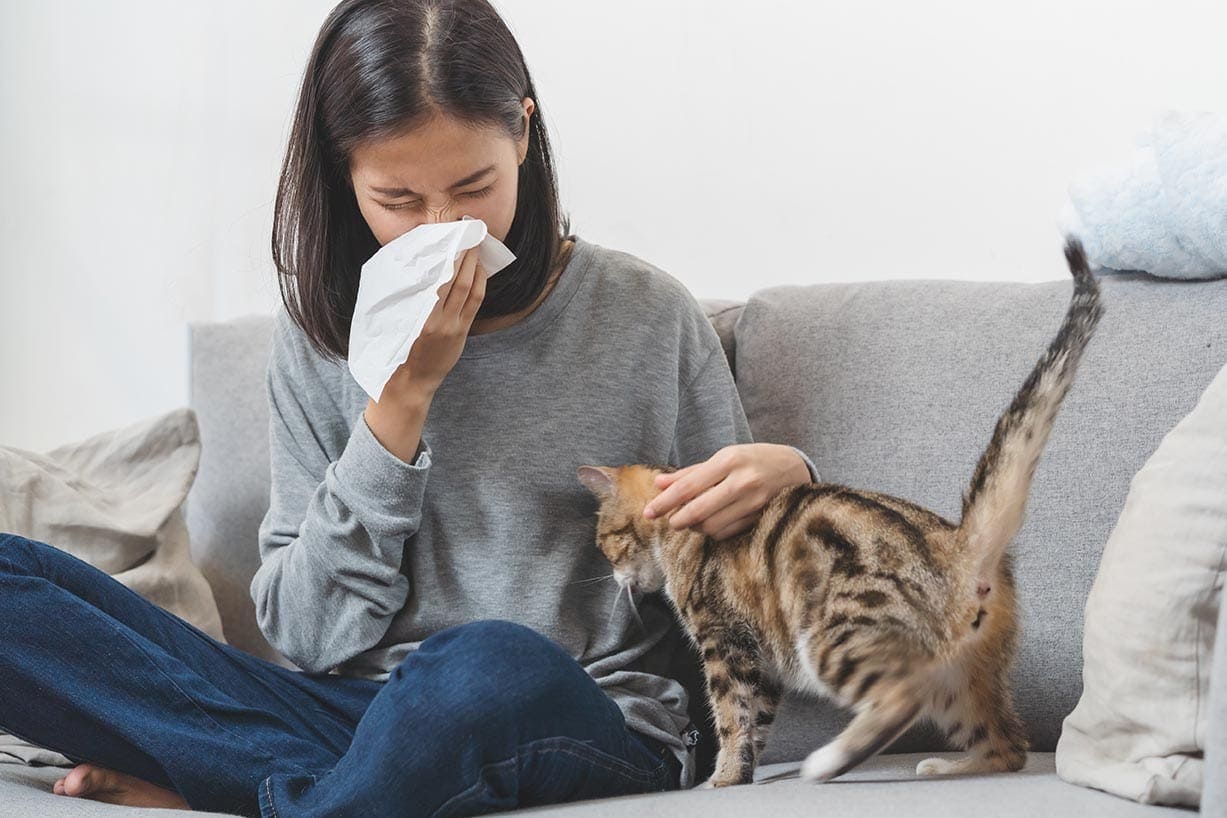
Cats can have allergies, like humans. Common cat allergies include mold, dust, perfumes, smoke, pollen, etc.—all the inhaled irritants you’d expect to cause a sneezy kitty. These can be one-time irritants but can cause recurring allergies in some cats.
What to Do:

When Should I Visit the Vet?
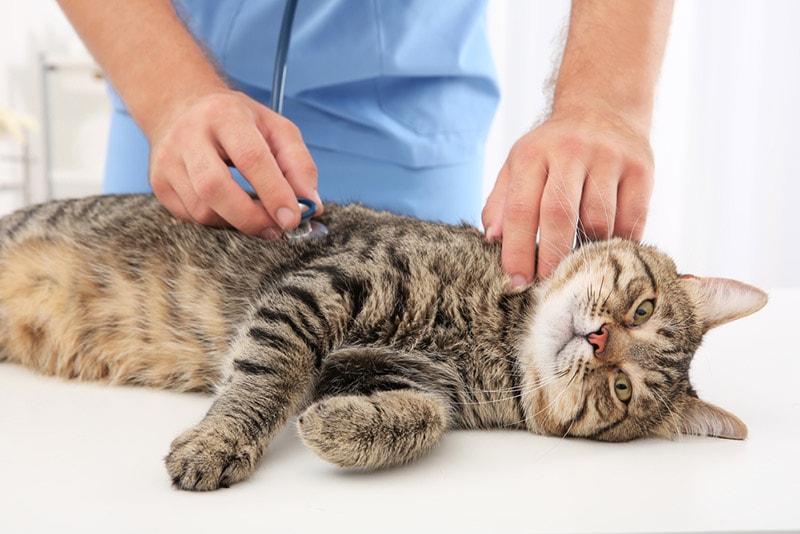
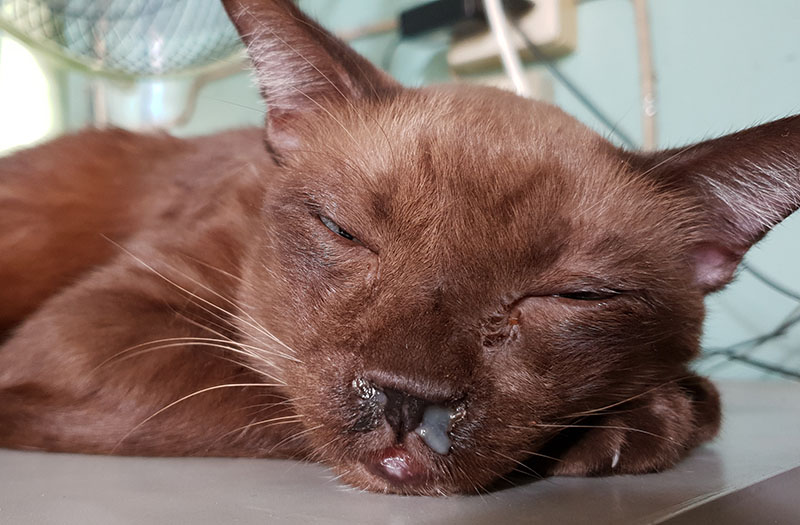
If your cat can’t stop sneezing and you notice additional symptoms, it’s time to visit the vet. Frequent symptoms that can accompany sneezing are:
- Watery eyes
- Sniffling
- Coughing
- Fever
- Drooling
- Inappetence
- Weight loss
- Poor coat condition
- Diarrhea
- Difficulty breathing
- Lethargy
- Nasal discharge
Call your vet right away if you notice any of these signs.
Conclusion
After reading about the potential concerns with sneezing, it’s easy to worry that something might be wrong with your cat. But remember that sneezing is usually normal for kittens. It only becomes a problem when the sneezing doesn’t go away and you notice other health issues tagging along.
The important thing is to monitor your cat and make adjustments. Call your veterinarian for further instructions if you believe your cat has a serious medical issue.
See also:
Featured Image Credit: Elizabett, Shutterstock
Get Hepper In Your Inbox


Pet care tips from our vets and experts, straight to your inbox.
You may opt-out at any time. View our Privacy Policy for more information.
Cassidy is a vet tech and pet sitter who has more recently become a pet writer. She loves cats and dogs and has had dozens of pets over the years. Her specialty is the human-animal bond.
Cassidy and her husband currently live in Kansas with a German Shepherd named Raven, two cats named Lucy and Streudel, and several backyard chickens.
Join the conversation
Ask a question, share your story, or send private feedback.