Hepper is reader-supported. When you buy via links on our site, we may earn an affiliate commission at no cost to you. Learn more.
Why Did My Kitten Throw Up? 11 Vet-Reviewed Reasons


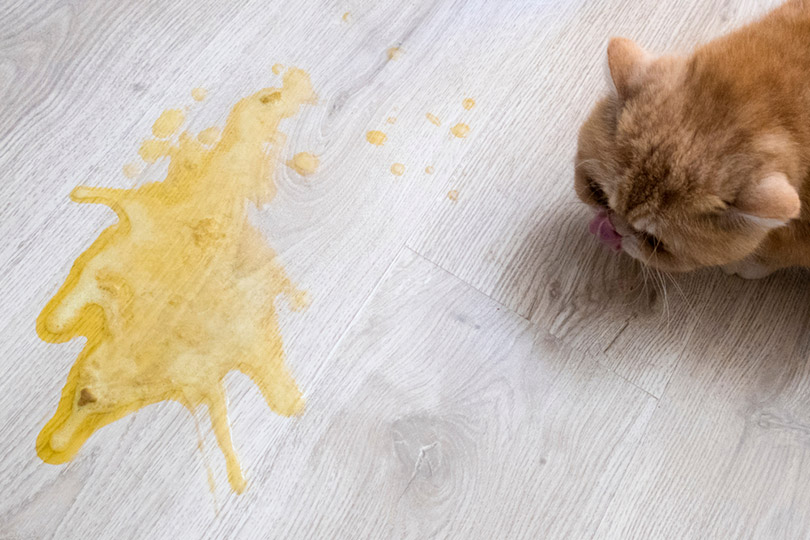
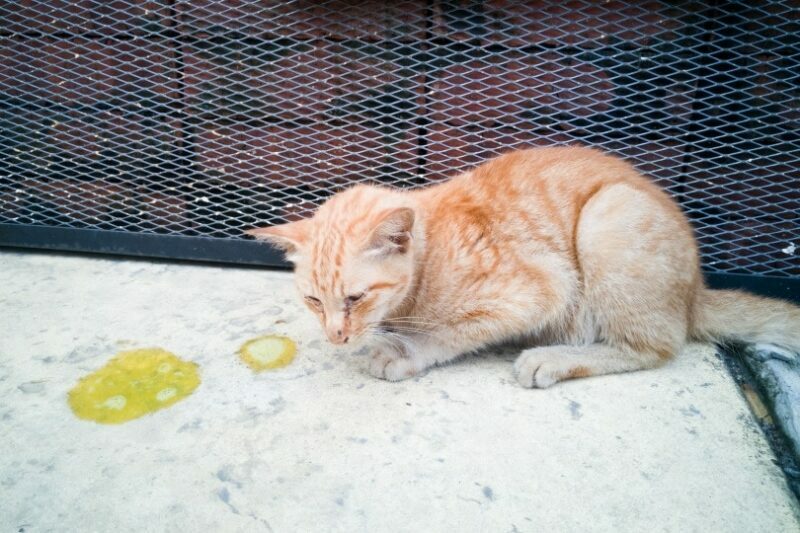
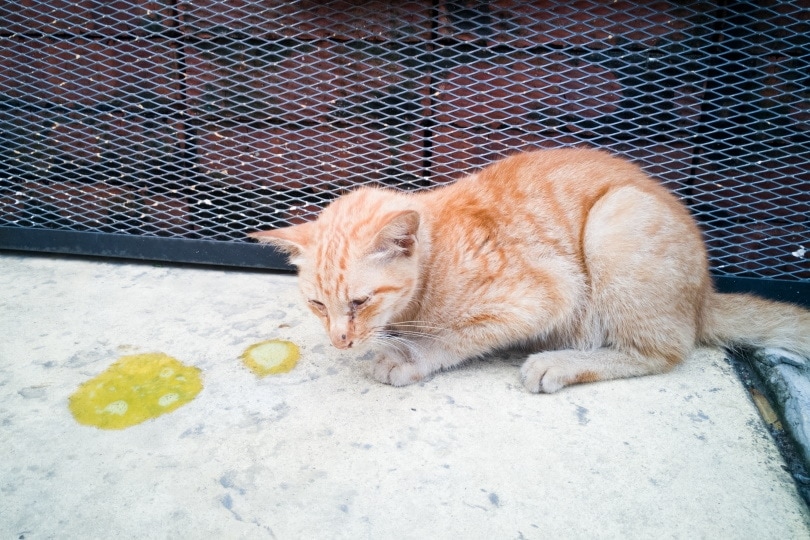
If your kitten is vomiting, it can be a worrying time—especially if you’re not sure what’s causing it. There are several possible explanations for why your kitten is throwing up—some serious and others less serious, like hairballs or overindulgence. In this post, we’ll explore 11 possible causes of vomiting in kittens and the signs that accompany them.

The 11 Possible Reasons Your Kitten Threw Up
1. Bacterial and Viral Infections
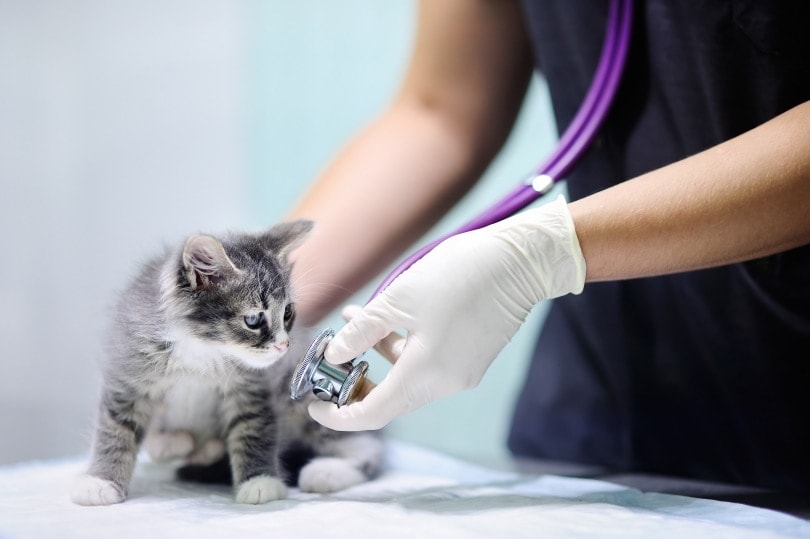
Kittens are susceptible to several bacterial and viral infections. Both gastroenteritis and systemic infections can result in vomit. If your kitten presents other signs of infection, such as diarrhea, eye or nose discharge, fever, lethargy, or lack of energy, please bring them to the veterinarian for a check. The vet might need to collect some samples for diagnosis. The treatment and prognosis will depend on the causal agent but having the kitten checked sooner rather than later increases the chances of recovery.
2. Foreign Object Ingestion
A cat’s unceasing curiosity can cause them to nibble on and sometimes even swallow things they shouldn’t. Kittens are especially curious—they’re young, and inquisitive, and everything is new and exciting to them. It’s also the age when they hone their hunting skills, so it’s not uncommon to see them taking an interest in something unusual.
If a kitten has swallowed a foreign object, their vomiting reflex will usually be stimulated. If the object isn’t lodged, vomiting should get rid of it. Unfortunately, the object sometimes does get stuck in the stomach or intestine and causes an obstruction. This results in persistent vomiting, diarrhea, low appetite, and weakness amongst other symptoms.
If you suspect that your kitten has eaten something that has become lodged, take them to a vet immediately; the kitten might need surgery.
3. Hairballs
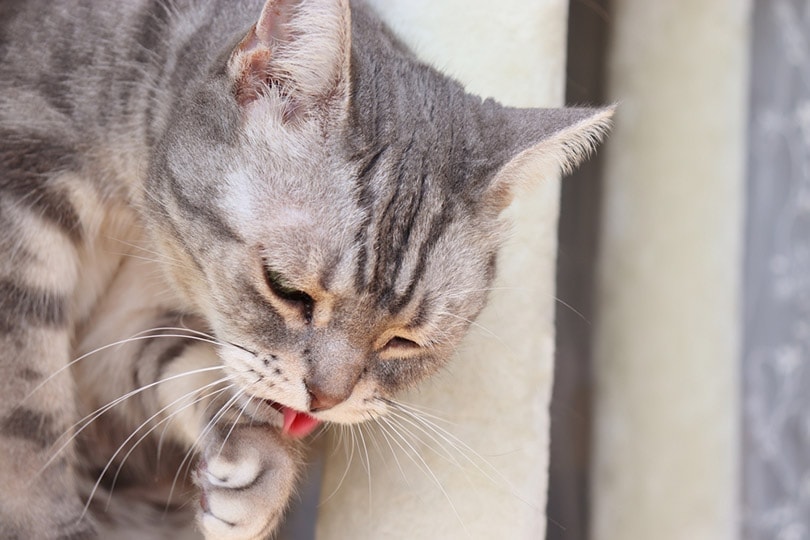
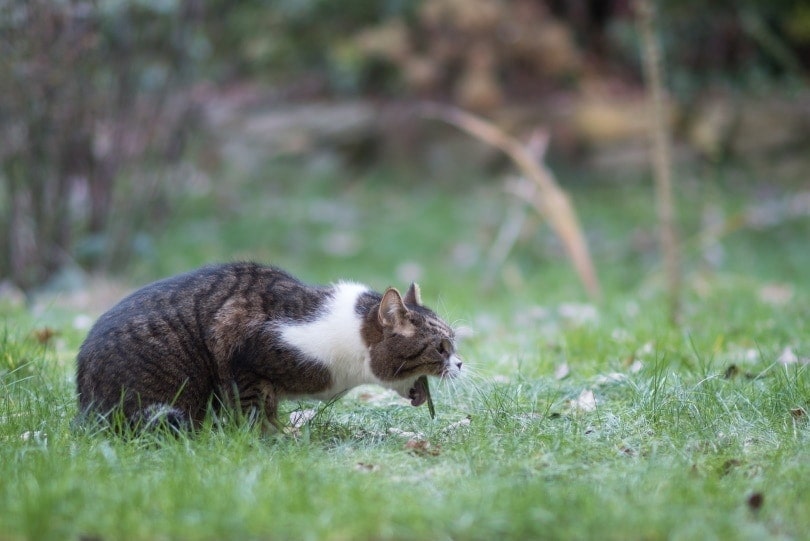
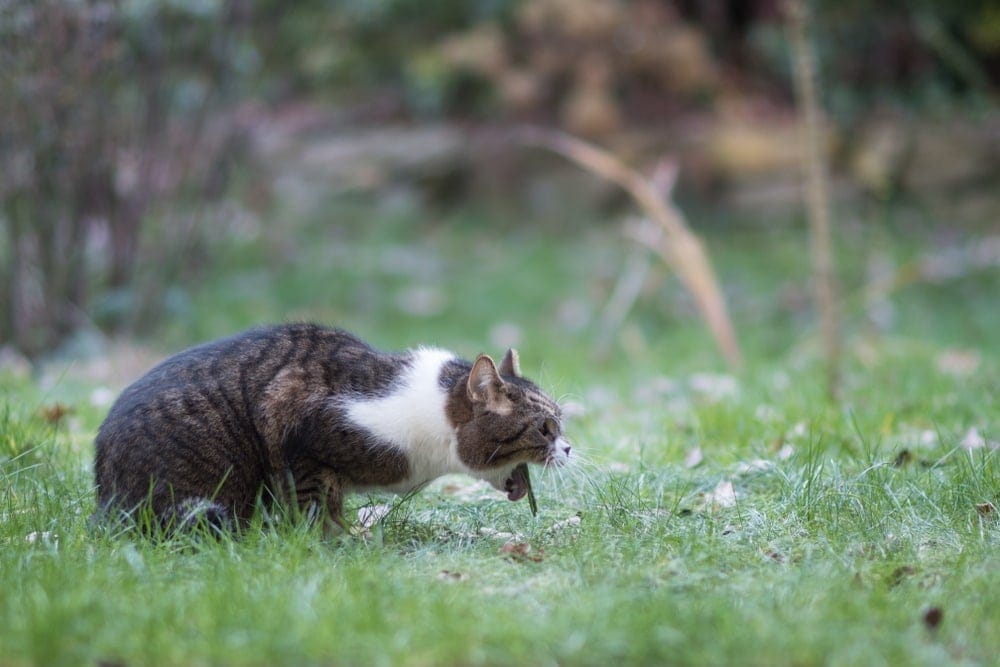
Occasionally hocking up a hairball is common in both adult cats and older kittens. Hairballs are formed by cats grooming themselves. Sometimes, hair from grooming sessions remains in the stomach, builds up over time, and forms a hairball that your cat ejects by vomiting. If this only happens now and then, it should be nothing to worry about.
It’s normal for cats to make an awful sound when bringing up hairballs, though it can be alarming to hear and see. What isn’t normal is if your kitten appears to be in pain, is persistently vomiting, or appears lethargic—these signs indicate a possible obstruction that requires immediate veterinary attention.
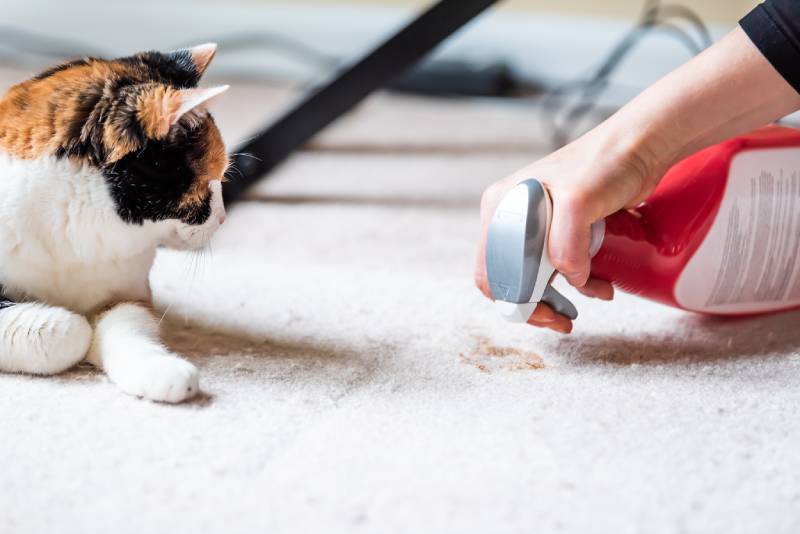
Having a pet means cleaning up smells, stains, hair, vomit, and more...and you can add to your pet clean-up routine with the Hepper Advanced Bio-Enzyme Pet Stain & Odor Eliminator Spray.

- ADVANCED ENZYMATIC CLEANER - Penetrates the most stubborn smells and stains at the deepest molecular levels to dissolve any pet mess you encounter and lift it away at the source.
- FOR ANY MESS, ON ANY SURFACE - This pet odor eliminator cleans your carpets, floors, furniture, fabrics, and more. Whether it's urine, feces, vomit, or drool, you can erase all foul spots and smells!
- FRESH, NATURAL ODOR - Our unique formulation doesn't rely on dangerous or unpleasant chemical fragrances to get the job done. We eradicate smells and stains, not just cover them up.
It's our product, and we love it so much, we just have to share! It permanently removes the very worst smells and stains, and we offer a 100% satisfaction guarantee!
4. Eating Plants or Grass
It may seem strange that cats sometimes deliberately eat plants or grass—they’re carnivores, right? Right, but they might do this to make themselves vomit. If you see your kitten grazing in the garden or taking too keen of an interest in your house plants, they might have an upset stomach and are trying to soothe it by vomiting. The upset stomach could be caused by food, parasites, foreign objects, or a hairball.
Another reason your kitten might eat grass is that something is missing in their diet and they’re trying to reap the nutritional benefits—like folic acid—that grass has. If your kitten seems a little too obsessed with grass or your household plants, you might want to get them checked out. You may also consider providing them with “cat grass”. This is sold commercially or in seed form if you prefer to grow it yourself.
Image Credit: Jonathan Diederiks, Pexels
5. Food Allergies
Like humans, cats and kittens can sometimes suffer from food allergies and intolerances. Some cats are even allergic to meats commonly found in commercial cat foods like beef, chicken, and fish. Dairy products can also cause cats to throw up, so giving them milk isn’t a great idea, contrary to popular belief. Allergies often develop unexpectedly—cats aren’t born with them, they develop them.
Vomiting is one of the signs of a food allergy, along with diarrhea, skin inflammation, itchiness, skin and ear infections, and over-grooming. A vet can diagnose food allergies in kittens and advise on a safe diet for them.
6. Parasitic Infestations
If your kitten is vomiting, it could be because of a parasitic infestation.
There are several different types of gastrointestinal parasites, including:
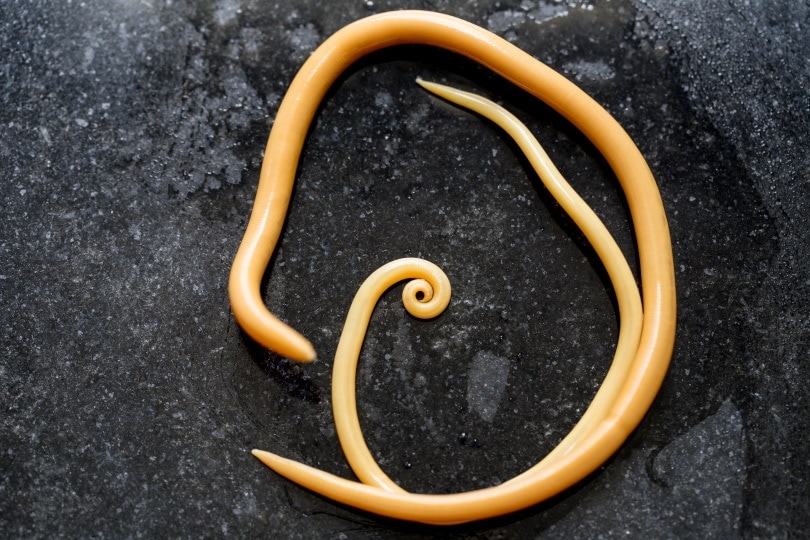
Symptoms can vary depending on the parasite causing the infestation, but common symptoms include vomiting, appetite loss, weight loss, diarrhea, and finding worms in your kitten’s poop. If parasites are the cause of your kitten's vomiting, your vet can prescribe a suitable worm treatment.
7. Poisoning
Cats and kittens sometimes fall victim to accidental poisoning by household products like antifreeze, weed killers, disinfectants, and toxic foods like chocolate, grapes, and onions, amongst others. Another example—a kitten may find and eat a mouse that has been poisoned with pest control chemicals.
Poisoning signs include vomiting, drooling, diarrhea, collapsing, and struggling to breathe. Some cats experience seizures and become comatose. Poisoning isn’t something you should dilly-dally about—a poisoned kitten requires swift medical attention.
8. Cancer
Vomiting in kittens is sometimes caused by cancer. Cancers commonly seen in cats include lymphomas associated with the Feline Leukemia Virus, cancer of the oral cavity, and soft tissue sarcomas. Tumors can also be found in various organs and parts of the body. Signs vary greatly, but vomiting is one of the giveaway symptoms.
Other symptoms include appearing generally unwell, breathing issues, and appetite loss, and you can sometimes see and feel the tumors, though not in every case.
9. Kidney Disease/Kidney Failure
Though kidney disease is more common in cats over 7 years old, kittens and younger cats can experience it, too. There are two types of kidney failure—acute and chronic. Acute kidney failure comes on suddenly or in a very short space of time. Poisoning, trauma, and infection are some common causes of acute kidney failure. Vomiting is just one sign of kidney failure, with others being excessive thirst, weakness, weight loss, bloody stools, and a lack of appetite.
10. Diabetes
Diabetes mellitus is another condition that can affect cats of all ages, including kittens. It’s quite rare to find diabetes in kittens, but it’s certainly possible. Obesity is a major cause, along with hyperthyroidism and chronic pancreatitis. Commonly seen symptoms include excessive thirst, frequent urination, and overeating. Vomiting is seen mostly in untreated, advanced cases.
11. Stress or Anxiety
You know that horrible nausea you get when you’re stressed or anxious? Cats experience the exact same thing! Cats can become distressed for a number of reasons, but one of the most common is a change in routine.
If you’ve recently rearranged your home, have moved, or are traveling and your kitten is more anxious than usual, they may vomit. Even perfectly fit and healthy cats can throw up from being stressed out. Cats with separation anxiety are also particularly prone to vomiting when left alone for too long.

FAQ
Is it common for kittens to vomit?
Yes, vomiting in kittens is fairly common. Common causes of vomiting in kittens include the stress of moving to a new home and hairballs. Infections, parasitic infestations, and food sensitivities can also sometimes cause vomiting, as can serious conditions like kidney disease.
Should I worry about my kitten vomiting?
If your kitten has an occasional spell of vomiting every now and then without any other symptoms being present and seems otherwise healthy, it’s unlikely that there's anything to worry about. Cats overeat, get stressed out, and cough up hairballs from time to time.
In some cases of vomiting, a vet will advise feeding a bland, digestible diet for a few days until symptoms clear up. They may also prescribe specific medication.
If your kitten is vomiting persistently or very often, has blood in their vomit, is experiencing breathing difficulties, weakness, lethargy, or appears generally unwell in addition to vomiting, this could indicate something more serious. In this case, they need to be seen by a vet as soon as possible.
Conclusion
As scary as it may look (and sound), a vomiting kitten doesn’t always indicate that there’s something serious going on. Sometimes, it’s just a simple case of hairballs, eating too much, or stress due to a new environment. That said, the old adage still stands: better safe than sorry!
If your cat has recently vomited, keep an eye on them to make sure they aren’t showing signs of something more serious. Call your vet immediately if something doesn’t seem quite right to you.
See Also:
Featured Image Credit: ANASTASIIAKU, Shutterstock
Get Hepper In Your Inbox


Pet care tips from our vets and experts, straight to your inbox.
You may opt-out at any time. View our Privacy Policy for more information.
Kit Copson is a freelance writer and lifelong animal lover with a strong interest in animal care. She has parented various furry beings over the years and is currently a proud cat mom of two—one skittish but adorable Domestic Shorthair and very chilled (unless hungry) Siamese and a —and dog mom of one—an adopted Bichon Poodle cross. When not writing about or spending time with pets, Kit can be found doodling in her sketchpad, reading, or more often than not, drinking tea.
Join the conversation
Ask a question, share your story, or send private feedback.