Hepper is reader-supported. When you buy via links on our site, we may earn an affiliate commission at no cost to you. Learn more.
Why Does My Cat Throw Up Every Day? 9 Possible Reasons (Vet-Reviewed)



In this article
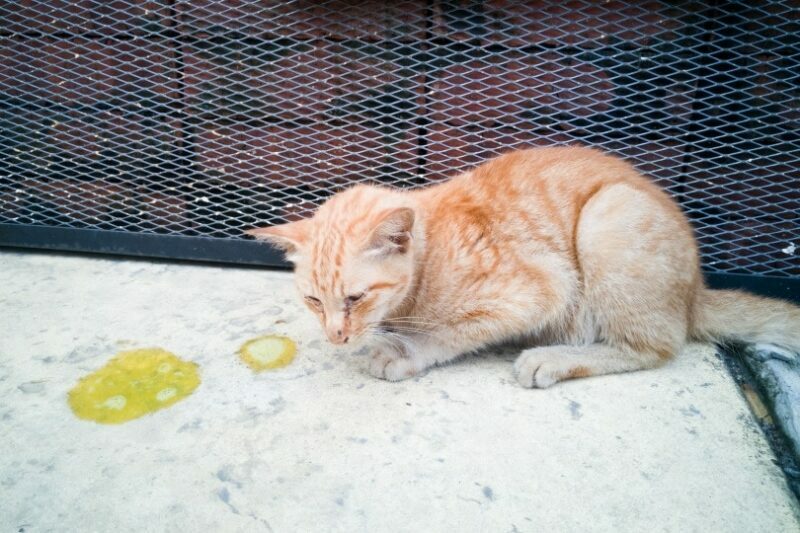
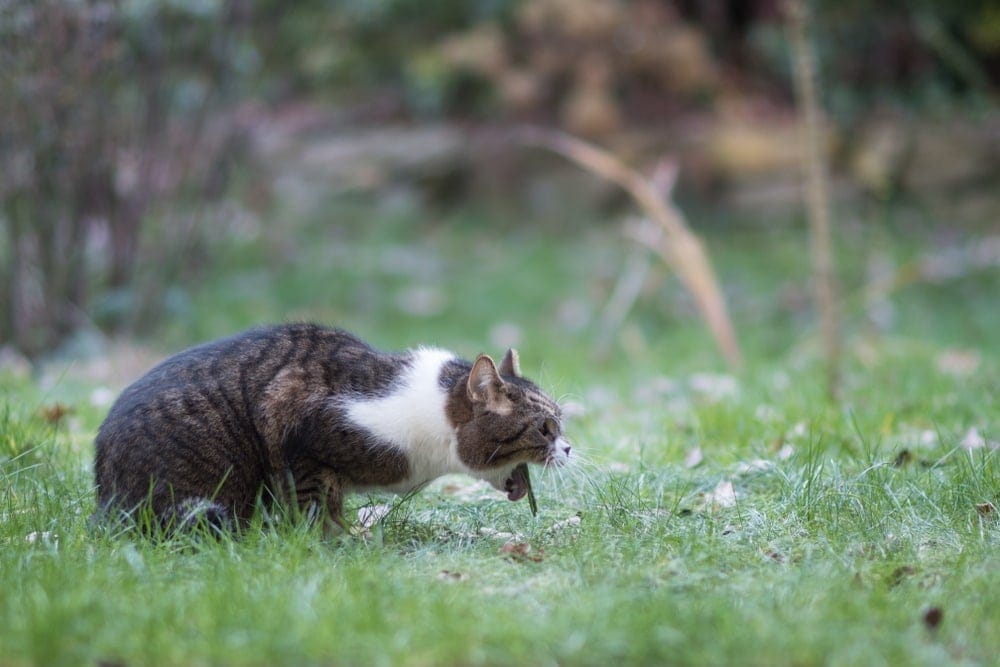
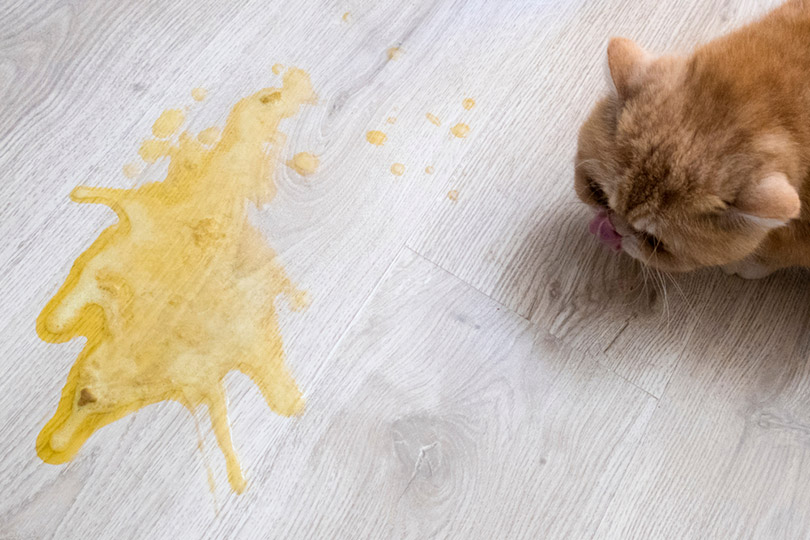
It is normal for cats to throw up on occasion, but they should not vomit every day. If your cat vomits every day, it’s important to figure out the underlying cause and take your cat to a vet. Unfortunately, serious diseases and issues can be the cause of this problem.
Vomiting is a sign of many issues, and this list is not exhaustive. However, here are nine possible reasons why your cat is throwing up every day

The 9 Possible Reasons Cats Throw Up Every Day
1. Eating Too Fast
| Serious? | Yes |
| What To Do About It? | Use a special bowl |
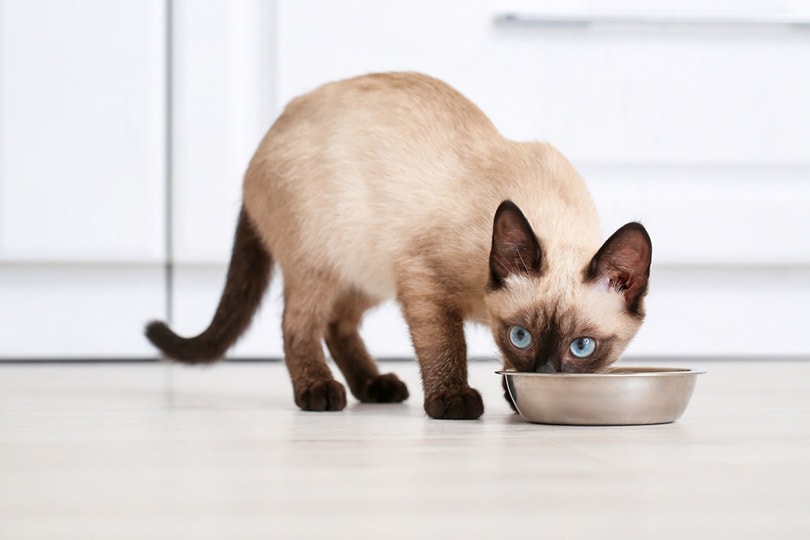
Some cats eat too fast, which causes them to throw up their food frequently. What happens here is not an actual vomit but rather a regurgitation. Either way, it needs to be addressed. The most obvious sign that your cat is eating too fast is if it throws up immediately after eating.
The good thing about this situation is that it is relatively easy to fix. All you have to do is buy a cat bowl that slows the eating process or place the food into a puzzle feeder. That way, your cat is forced to slow down while eating.
2. Food Allergies
| Serious? | Yes |
| What To Do About It? | Remove allergens from diet |
Just like us, cats can have food allergies. Certain allergens can cause your cat to throw up. Some of the most common food allergens for cats include fish, beef, and chicken. You will need to determine what the allergen is and remove it from your cat’s diet.
To determine what your cat is allergic to, begin by eliminating possible allergens. For example, see if your cat is allergic to fish by feeding them chicken and beef instead. If the throwing up stops, you have discovered the allergen. Remove the allergen from your cat’s diet once you learn what it is.
3. Hairballs
| Serious? | Yes |
| What To Do About It? | Groom your cat |
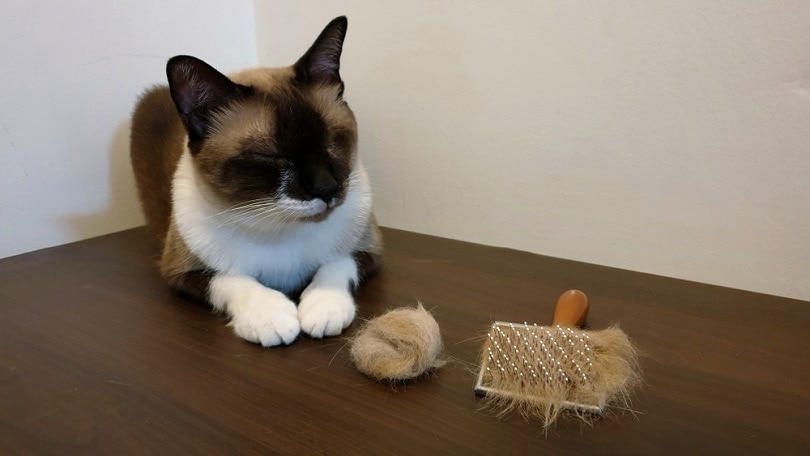
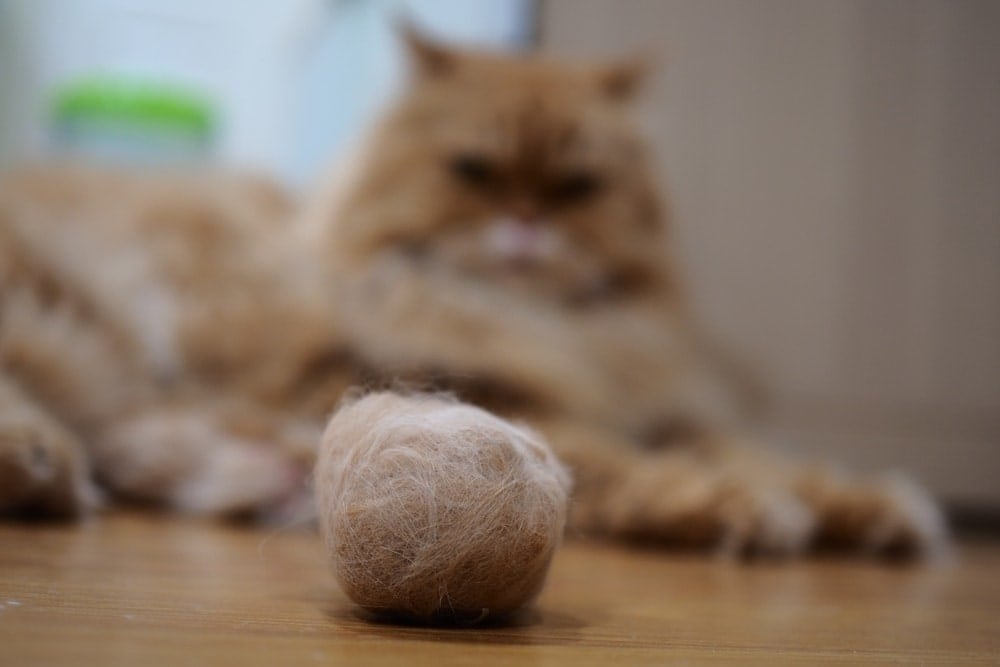
All cats get hairballs on occasion, but they can be dangerous if your cat accumulates too much hair. Hairballs can lead to bowel obstructions, upset stomachs, and other painful conditions.
If your cat is throwing up hairballs every day, try to groom them daily. Invest in a good brush to help remove any excess fur from the cat’s coat. If you notice a decrease in vomiting after doing this, a surplus of hair is likely to be blamed. You should also increase your cats’ water consumption or hydration status by offering a moisture-rich diet such as a fresh or wet diet.
4. Inflammatory Bowel Disease
| Serious? | Yes |
| What To Do About It? | Seek veterinary care |
Inflammatory bowel disease is a painful and dangerous condition. Cats with inflammatory bowel disease often vomit frequently and experience diarrhea and weight loss. This disease targets your cat’s intestinal tract and is a multifactorial disease.
You will have to go to your vet to determine if inflammatory bowel disease is the culprit. Your vet will provide a treatment plan to make your cat as comfortable as possible.
5. Pancreatitis
| Serious? | Yes |
| What To Do About It? | Seek veterinary care |
Pancreatitis is an inflammation in the pancreas specifically. About 50% of cats with pancreatitis, will vomit frequently. Some other signs of pancreatitis include lack of appetite, weight loss, pain, diarrhea, and lethargy.
You can only diagnose pancreatitis by going to a vet. Your vet will diagnose pancreatitis and provide a treatment plan designed specifically for your cat.
6. Kidney Disease
| Serious? | Yes |
| What To Do About It? | Seek veterinary care |
Kidney disease is a progressive disease that is common in older cats. The role of the kidney is to filter out waste from the blood. If your cat has chronic kidney disease, they will have unbalanced waste and toxic materials in the blood.
Some signs that your cat is experiencing kidney disease include nausea, vomiting, diarrhea, weight loss, lethargy, and increased water consumption. Go to the vet if your cat is experiencing these signs, especially if they are an older cat.
7. Diabetes
| Serious? | Yes |
| What To Do About It? | Seek veterinary care |
Diabetic cats might begin to eat, drink, and urinate more. At the same time, they will lose weight and have muscle weakness. Hypoglycemia or low blood sugar causes nausea and vomiting.
Contact your veterinarian if your cat is exhibiting these signs and you are afraid that they might have feline diabetes. You can only diagnose feline diabetes with veterinary tests.
8. Hyperthyroidism
| Serious? | Yes |
| What To Do About It? | Seek veterinary care |
Hyperthyroidism happens whenever a cat has an overactive thyroid gland. Cats with hyperthyroidism have an increased appetite, throw up frequently, and lose weight. You can also look for signs of irritability, weakness, diarrhea, excessive thirst, and poorly groomed fur.
Just like with the other serious diseases on this list, you will have to contact your veterinarian if you suspect hyperthyroidism is to blame for your cat’s frequent vomiting.
9. Hepatic Lipidosis
| Serious? | Yes |
| What To Do About It? | Seek veterinary care |
Hepatic lipidosis, also called fatty liver disease, might also cause vomiting. Other signs of this disease include decreased appetite, rapid weight loss, and the very characteristic yellowing of the mucosal membranes and eyes.
It’s crucial to get a cat showing signs of hepatic lipidosis treated as soon as possible because it can be fatal. Depending on the cause behind fatty liver disease, the condition might be reversible when diagnosed and treated quickly.
When Should I Be Concerned About My Cat Vomiting?
All cats vomit on occasion. If your cat throws up a hairball or grass on occasion, you probably don’t need to be worried. The cat is just experiencing something that all cats do.
However, it is not normal for cats to vomit too often, and certainly not every day. If your cat vomits for more than two days in a row, it’s best to contact your veterinarian. Your veterinarian will be able to evaluate your cat and determine if something more serious is the cause.
In some cases, one of the nine reasons above could be to blame for your cat’s frequent vomiting. It could also be a sign of poisoning. Signs of poisoning include salivation, seizures, breathing difficulties, abdominal pain, and lethargy.
Whether your cat has ingested something they shouldn’t have, or you just aren’t sure why they are vomiting, contact your cat’s veterinarian right away.
How Do I Get My Cat to Stop Puking?
Whenever your cat is puking, it’s important to determine the causes right away. Treating the underlying source will ensure your cat is as healthy as possible, all while mitigating the puking.
It is important to consider that since vomit is a sign of many problems, getting your veterinarian involved is absolutely necessary. Also, please keep in mind that vomiting is often a defense mechanism of the body to expel something that is harming it, so do not give your cat anti-vomit medication. This might end up making things worse. Your veterinarian is trained to figure out the underlying cause of your cat's frequent vomiting and can build a treatment plan to help your cat before the issue progresses.
Conclusion
If your cat is puking every day, you need to contact your veterinarian right away. Although it’s normal for cats to throw up on occasion, it is not normal for them to throw up daily. The vomiting could be caused by something simple like hairballs or allergens, or it could be a sign of something much more dangerous.
What is certain is the sooner you determine the cause, the better the chance your cat will have to recover!
See Also:
Featured Image Credit: Nils Jacobi, Shutterstock
Get Hepper In Your Inbox


Pet care tips from our vets and experts, straight to your inbox.
You may opt-out at any time. View our Privacy Policy for more information.
Nicole is a lover of animals of all sizes but is especially fascinated with the feline variety. She’s the proud mom of Baby, a Burmese, and works every day so he can relax in the sunshine or by the fire. She’s always had a cat in her home and has spent countless days with others, observing behaviors and softening up even the grouchiest of the lot. Nicole wants to share her kitty expertise with you so you and your cat can live happy, healthy, and care-free.
Join the conversation
Ask a question, share your story, or send private feedback.