Hepper is reader-supported. When you buy via links on our site, we may earn an affiliate commission at no cost to you. Learn more.
Why Do Cats Get “The Zoomies”? Causes & When to Worry (Vet-Reviewed)


In this article
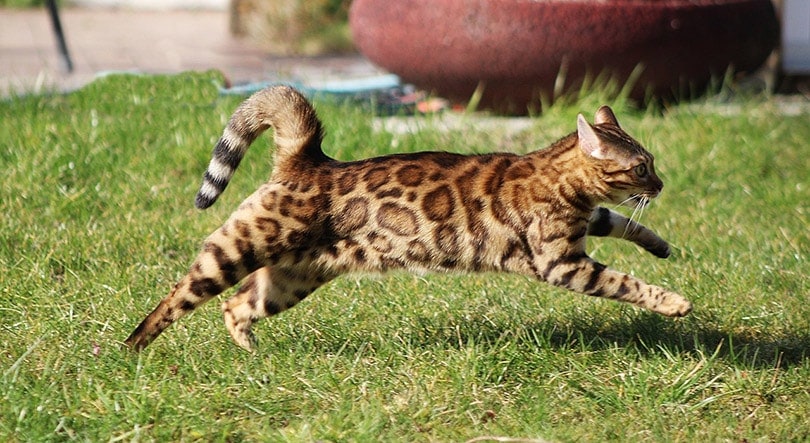
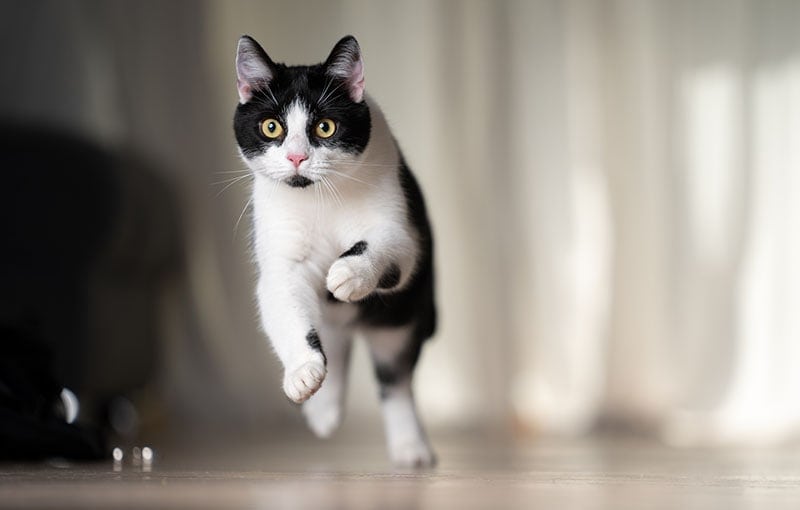
Almost every cat owner has experienced their felines running around frantically in what is commonly called “the zoomies”. Cats are generally known for lounging around and sleeping in comfy spots, so their sudden burst of energy can be surprising.
While some cats get the zoomies during the day, others might get it at night and disrupt your peaceful sleep. So, why do cats get the zoomies and what causes it? This article has the answers for you.

Cat Zoomies Explained
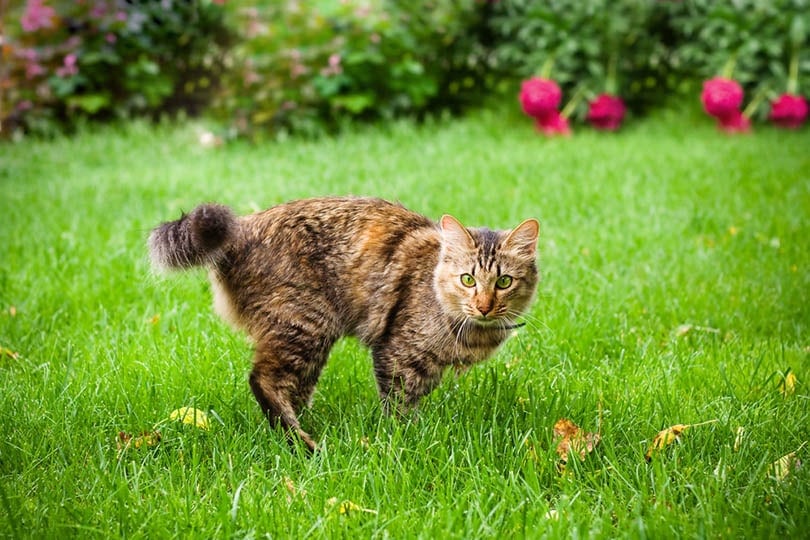
A sudden burst of uncontrollable energy, dilated pupils, and frantic movements are all signs your cat might be having zoomies. This can happen at any time of day, although it is more common between dusk and dawn when cats are most active.
A cat's short burst of energy can have them zooming around the house even if they were sound asleep a few moments ago. Zoomies can happen for a couple of reasons, although pent-up energy and excitement are often to blame.
Most cats only have the zoomies for several minutes, but it can sometimes last a bit longer. You can expect young or indoor cats to experience the zoomies more often than a senior or geriatric feline.
Although it's normal for cats to get zoomies now and then, it can sometimes be a cause for concern. If your cat is zooming around frequently for longer periods than normal or shows other abnormal behaviors, don’t hesitate to take them to a veterinarian. Sudden changes in your cat’s behavior can be concerning and should not be overlooked.
The 5 Possible Reasons Why Cats Get Zoomies
Let’s take a look at five possible reasons behind cat zoomies.
1. Pent-Up Energy
One of the main reasons for cats to experience the zoomies is to release pent-up energy. Cats spend a good portion of their day sleeping, often between 12 and 18 hours. When they wake up, they have a lot of energy that needs to be released somehow, and a quick zoom around the house usually does the trick.

2. Excitement
A happy and healthy cat is easily excited, whether it is from an insect they discovered flying around or a new toy. Sometimes, cats can become too excited without knowing how to express it, resulting in a sudden burst of zoomies. Cats can also get the zoomies after an exciting activity, like after playtime with you or another cat.
3. Boredom
Just like humans, cats can get bored too. While our first solution might not be to go for a jog, regular activity is important for cats too. Zoomies are sort of your cat’s way of entertaining themselves and a great way for them to overcome boredom.
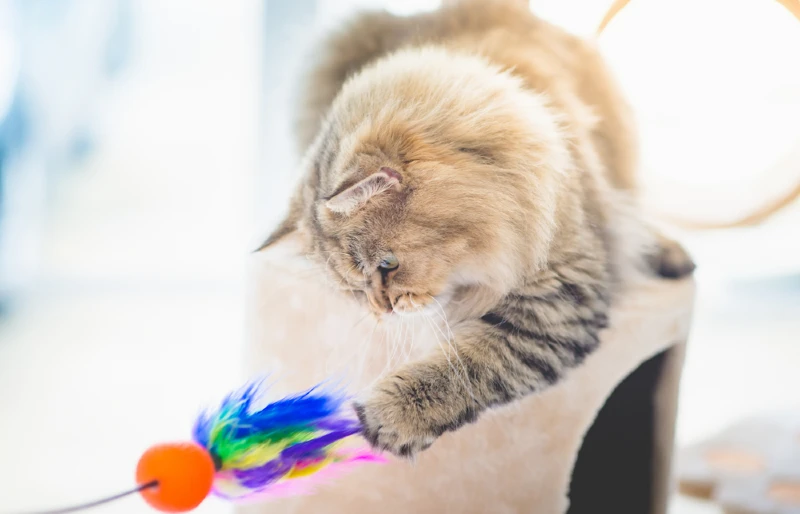
You can always redirect your cat’s attention to their toys if you feel they are bored. There are plenty of fun and interactive toys for cats, and many of them can be handmade as a more budget-friendly alternative.
Our Favorite Cat Toys
Here are a few of our favorite cat toys. Each caters to various types of play your cat might like the best.
| Image | Product | Details | |
|---|---|---|---|

|
Hepper Catnip Stick |
|
Check Price |

|
Hepper Whale Plush |
|
Check Price |

|
Hepper Furball Set |
|
Check Price |
4. Your Cat Got Spooked
Cats can get spooked by scary situations like sudden movements, something falling on them, or loud noises. Your cat’s first response might be to run suddenly, sometimes in a way that looks like zoomies, after being startled. Afterward, your cat might be a bit withdrawn and hide until they feel safe again.
5. To Alleviate Stress or Frustration
A frustrated cat that does not get enough mental or physical stimulation may relieve their stress through the zoomies. Their sudden burst of energy may help them release built-up tension and feel calmer afterward.
6. A Good (Or Uncomfortable) Litterbox Experience
It's quite common for cats to get zoomies shortly after using the litterbox. This could either be from a feeling of relief after a bowel movement, or it could be a sign of discomfort. If your cat is acting strange after using the litterbox, it's worth bringing it up to their veterinarian. Cats can become uncomfortable using the litterbox for various reasons, such as constipation or a urinary tract disorder.
Frenetic Random Activity Periods (FRAPS)
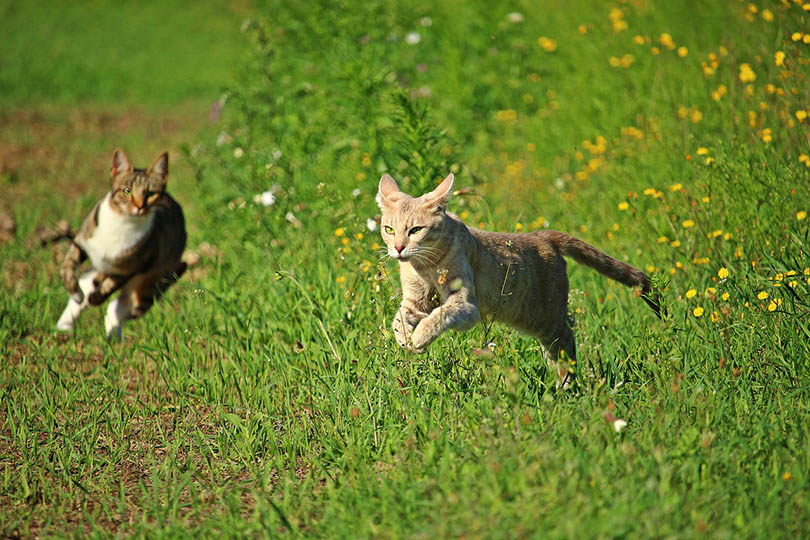
Zoomies in cats are often referred to as frenetic random activity periods (FRAPs), a behavioral term used to describe short bursts of energetic activity. Cats are not the only animals that get FRAPS, as dogs and rabbits get it too. Cat zoomies are not limited to running around, as they will frantically jump, play, and chase as well. Some cats can be destructive during zoomies and break ornaments or claw at furniture. It is a good idea to redirect your cat to more appropriate toys to scratch and play with to protect your home décor.
Final Thoughts
Cat zoomies can be humorous to observe and usually are not a cause for concern. The zoomies can last for a few minutes and can happen for various reasons. The most common reasons seem to be excitement, pent-up energy, and stress relief. However, certain medical conditions, such as Feline Hyperesthesia Syndrome, can sometimes resemble zoomie-like behavior, so if you have concerns, it’s best to speak with your veterinarian.
Cats can get zoomies both day and night depending on their sleeping habits and litterbox schedules. You might notice that young cats that spend a lot of time indoors regularly experience the zoomies.
Related Read: Do Cats Have Periods?
Sources
Featured Image Credit: Nils Jacobi, Shutterstock
Get Hepper In Your Inbox


Pet care tips from our vets and experts, straight to your inbox.
You may opt-out at any time. View our Privacy Policy for more information.
Sarah is residing in South Africa with her partner and pets. She currently is interested in veterinary science and ichthyology, which she wants to study alongside her main passion: pet content writing. Sarah has over 60 fish including goldfish, tropicals, shrimp, and snails. She also keeps hamsters and a tarantula and wishes to provide quality content for readers and allow others to learn from her knowledge and experience. Sarah has much experience in all aspects of pet care, and providing the world with knowledge on ethical pet ownership is her lifelong dream.
Join the conversation
Ask a question, share your story, or send private feedback.