Hepper is reader-supported. When you buy via links on our site, we may earn an affiliate commission at no cost to you. Learn more.
Why Do Dogs Bite Themselves? Vet-Verified Reasons & How to Stop It


In this article
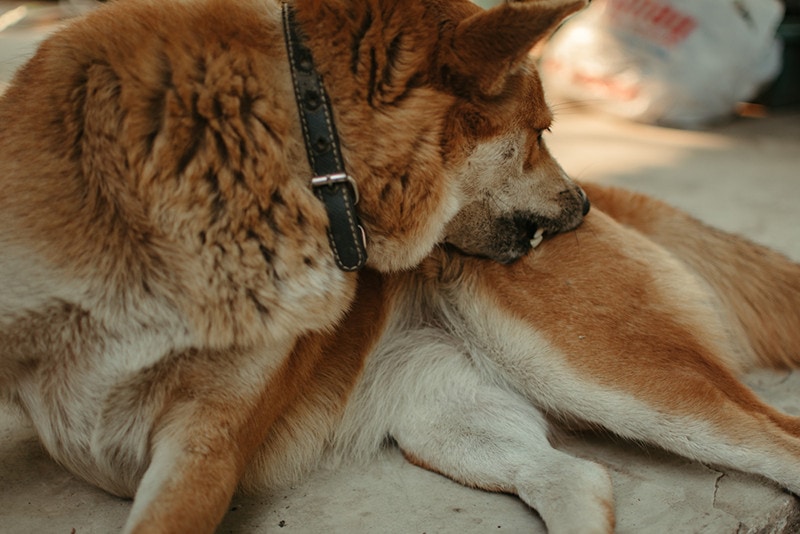
With colorful and unique personalities, dogs have a variety of unusual mannerisms. While some behaviors may be quirky, others may be signs that your dog is experiencing something unusual. As a dog owner, it can be concerning and distressing to see your beloved dog chewing himself raw.
Not only is it uncomfortable for your dog, but it may also indicate an underlying issue that needs attention. Constant chewing and biting may indicate that your dog is experiencing pain and discomfort, or even behavioral issues.
In this article, we will explore the reasons why your dog may be biting himself and provide practical solutions to help you stop this behavior. By understanding the potential causes and implementing appropriate measures, you can alleviate your dog's discomfort and promote their overall well-being!

The 5 Reasons Why Dogs Bite Themselves
Before thinking of ways to stop your dog from chewing themselves, it is important to determine why they are doing this in the first place.
They Are Experiencing Pain & Discomfort
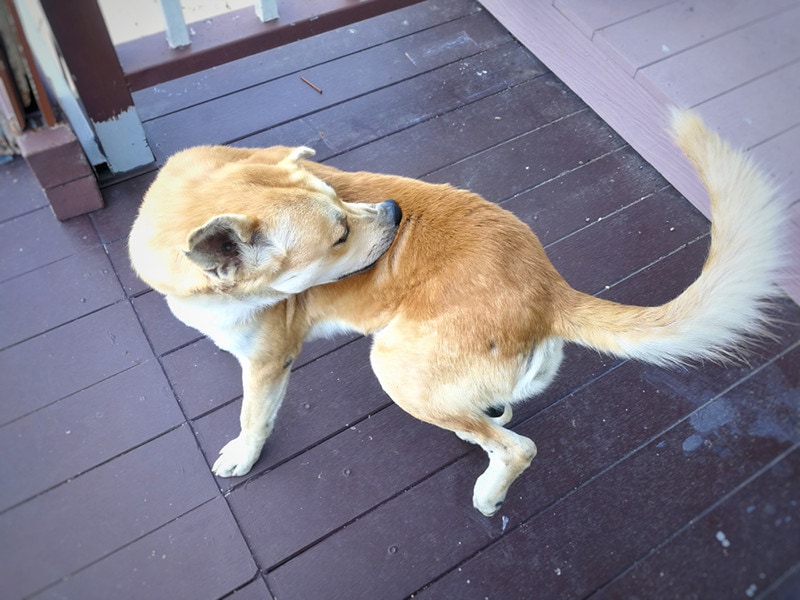
One of the primary reasons why your dog is chewing themselves raw is because they are in pain. Several factors can contribute to their discomfort.
1. Injury
If your dog has recently suffered an injury, they may resort to biting or licking the affected area as a means of relieving the pain or discomfort.
Common injuries that can lead to this behavior include cuts, scratches, or sprains. It's important to carefully examine your dog's body for any signs of injury and seek veterinary care if necessary.
2. Skin Irritation & Allergies
Skin irritations and allergies can cause intense itching, prompting dogs to bite or scratch themselves excessively. Allergies can be triggered by factors such as pollen, dust mites, flea saliva, or certain food ingredients.
Additionally, local irritants such as certain plants or chemical products your dog comes in contact with can lead to relentless itching and self-biting. Consult with your veterinarian to identify the underlying cause and develop an appropriate treatment plan
3. Parasites
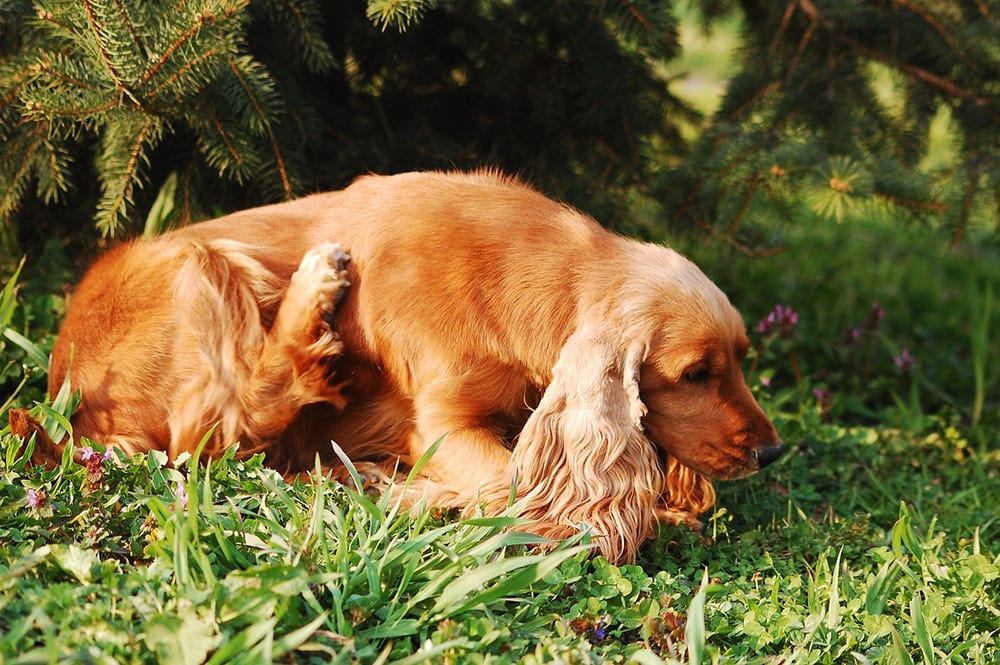
Parasitic infestations, such as fleas, ticks, or mange mites, can create severe discomfort for your dog, causing them to bite or chew their skin vigorously.
Regular preventative measures, such as vet-approved flea control products and routine grooming, can help prevent these infestations. If your dog already has parasites, consult your veterinarian for effective treatment options.
They Are Experiencing Behavioral Issues
In some cases, dogs may bite themselves without any physical pain or irritation. Instead, dogs may chew themselves raw due to behavioral issues that often stem from emotional factors:
4. Stress & Anxiety
Just like humans, dogs can experience stress and anxiety, which can manifest as self-destructive behaviors like excessive biting or licking. Stressors can include changes in the household, separation anxiety, loud noises, or traumatic experiences.
Creating a calm and stable environment for your dog, as well as implementing behavior modification techniques, can help alleviate their anxiety and reduce the urge to bite themselves.
5. Boredom & Lack of Stimulation
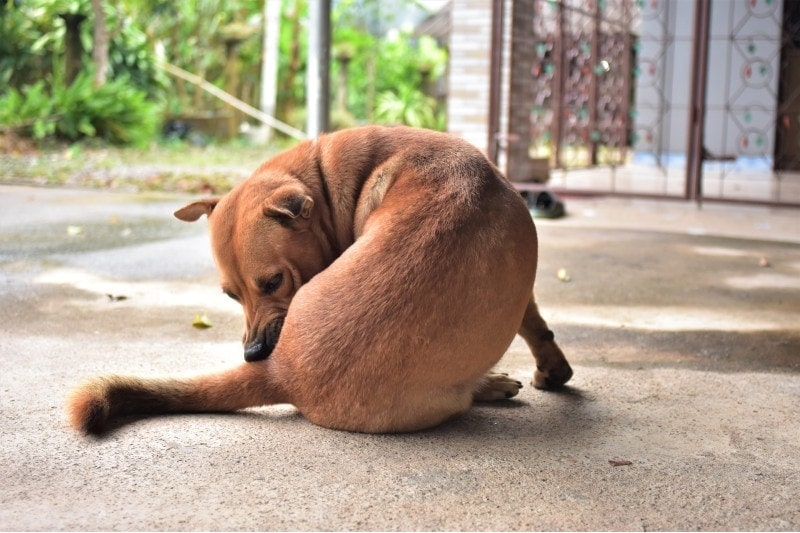
Dogs are active animals that require mental and physical stimulation to thrive. When they become bored or lack sufficient exercise and enrichment, they may resort to biting themselves as a way to entertain or distract themselves.
Regular playtime, interactive toys, and engaging activities can keep your dog mentally and physically stimulated, reducing the likelihood of self-biting.
The 8 Tips for Stopping Your Dog From Biting Himself
Now that we understand the potential reasons behind your dog's self-biting behavior, let's explore practical solutions to help address and prevent it.
1. Address the Cause
The first step in stopping your dog from biting himself is to identify and address the underlying cause. If it's related to pain or discomfort, consult with your veterinarian to develop an appropriate treatment plan. This may involve medication, wound care, or specialized treatments for allergies or parasites.
If it’s related to behavioral issues, it is important to identify the stressor and even evaluate their exercise and physical routine. Understanding both the physical and behavioral reasons why they are chewing and biting themselves is crucial in finding the best way to help them.
2. Proper Hygiene
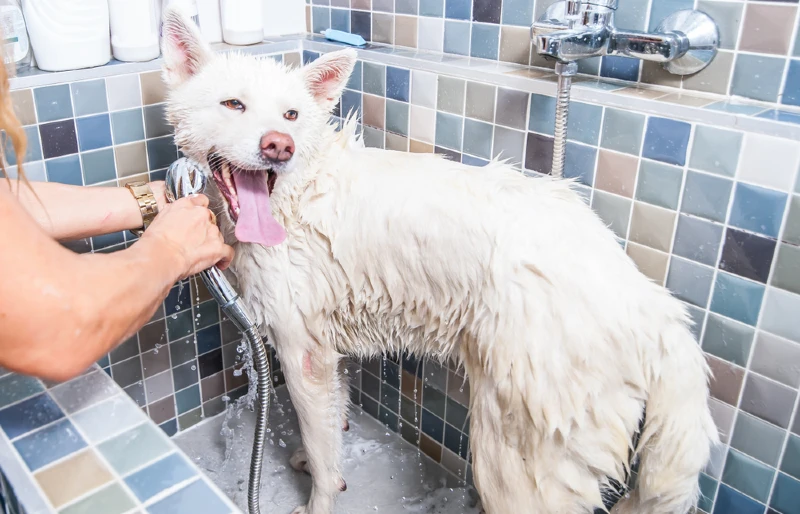
Maintaining proper hygiene is crucial in preventing skin irritations and infections that can lead to self-biting. Regularly bathe your dog using a gentle shampoo recommended by your veterinarian. Ensure thorough rinsing to remove any residual soap that could further irritate the skin.
In addition to bathing, make sure they are dried properly as residual moisture can put them at risk of fungal infections. If necessary, gently use a blow dryer to dry them after baths.
3. Proper Diet
A complete and well-balanced diet is essential for your dog's overall health and can contribute to healthy skin, coat, and internal organs. Ensure that your dog's diet includes high-quality protein, essential fatty acids, and vitamins and minerals. For dietary recommendations, consult with your veterinarian to determine the most suitable diet for your dog's specific needs.
4. Proper Exercise
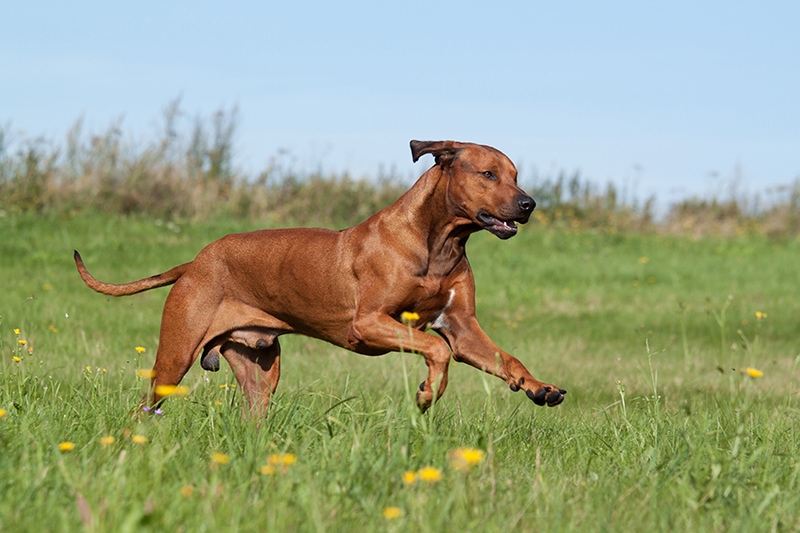
Aside from diet, regular exercise is another essential aspect of their overall health. Regular exercise not only keeps your dog physically fit but also helps alleviate boredom and pent-up energy that can lead to self-biting behaviors.
Engage your dog in daily walks, play fetch, or consider activities such as agility training or interactive puzzle toys that provide mental stimulation along with physical exercise.
5. Use of Protective Collars
If your dog is specifically biting or scratching a particular area, using a protective collar, such as an Elizabethan collar or inflatable collar, can prevent access to the targeted area.
This is especially important if you are waiting for an injury or lesion to heal. Using a collar can help allow the skin to heal while discouraging further biting.
6. Use of Protective Gear and Clothing
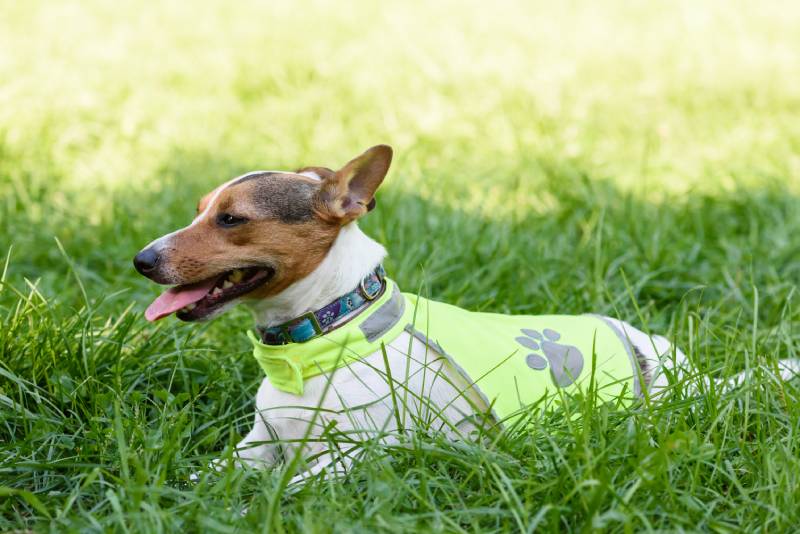
In some cases, using specific clothing items can help prevent your dog from biting themselves. Muzzles, socks, shirts, suits, or specially designed protective gear can be utilized to cover areas that are prone to self-biting. Ensure that the clothing is comfortable and properly fitted, allowing your dog to move freely.
7. Training and Discouraging the Behavior
Training plays a crucial role in addressing behavioral issues. Teach your dog alternative behaviors to replace self-biting, such as offering a chew toy or engaging in a game.
Positive reinforcement training techniques can be effective in redirecting their attention and rewarding desired behaviors. Seek guidance from a professional dog trainer or behaviorist for specific training methods tailored to your dog's needs.
8. Medication
In certain cases, medication will be necessary to address underlying medical conditions or behavioral issues.
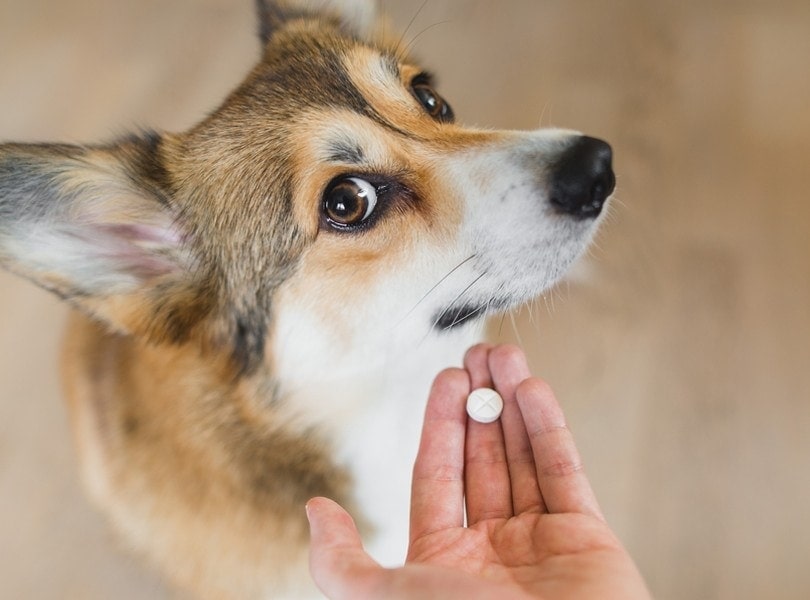
Your veterinarian can prescribe appropriate medications, such as anti-inflammatories, antihistamines, or anti-anxiety medications, to help manage your dog's condition and reduce self-biting tendencies. It's crucial to follow the prescribed dosage and consult your veterinarian for any concerns or side effects.
Final Thoughts
When your dog is biting himself, it's essential to take immediate action to identify the underlying cause and provide appropriate solutions. Whether it's addressing pain, discomfort, or behavioral issues, a combination of veterinary care, proper hygiene, a balanced diet, regular exercise, training, and, if necessary, medication can help alleviate your dog's self-biting behavior.
Remember, each dog is unique, so it's important to consult with your veterinarian for a tailored approach that suits your dog's specific needs. By addressing the issue and providing the necessary care and attention, you can ensure the well-being and happiness of your beloved companion!
Sources
Featured Image Credit: FootMade0525, Shutterstock
Get Hepper In Your Inbox


Pet care tips from our vets and experts, straight to your inbox.
You may opt-out at any time. View our Privacy Policy for more information.
Nicole is a lover of animals of all sizes but is especially fascinated with the feline variety. She’s the proud mom of Baby, a Burmese, and works every day so he can relax in the sunshine or by the fire. She’s always had a cat in her home and has spent countless days with others, observing behaviors and softening up even the grouchiest of the lot. Nicole wants to share her kitty expertise with you so you and your cat can live happy, healthy, and care-free.
Join the conversation
Ask a question, share your story, or send private feedback.