Hepper is reader-supported. When you buy via links on our site, we may earn an affiliate commission at no cost to you. Learn more.
HEP Why Do Dogs Put Their Ears Back? 8 Vet-Verified Common Reasons


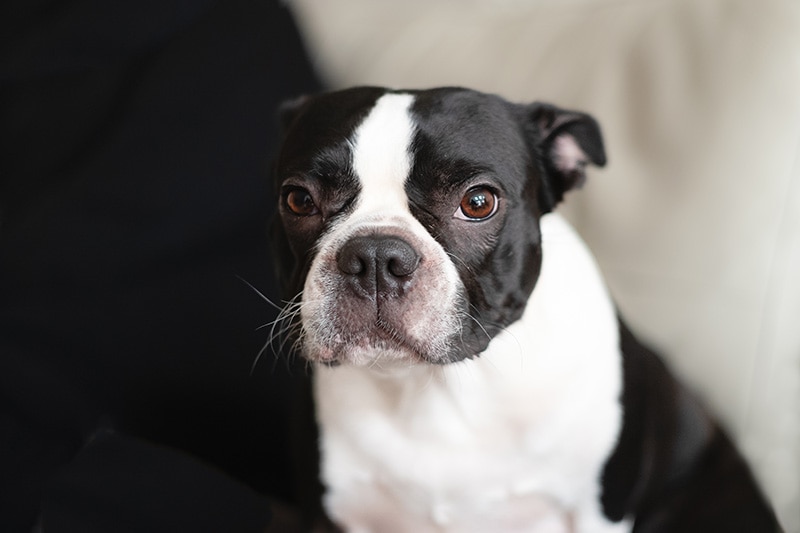
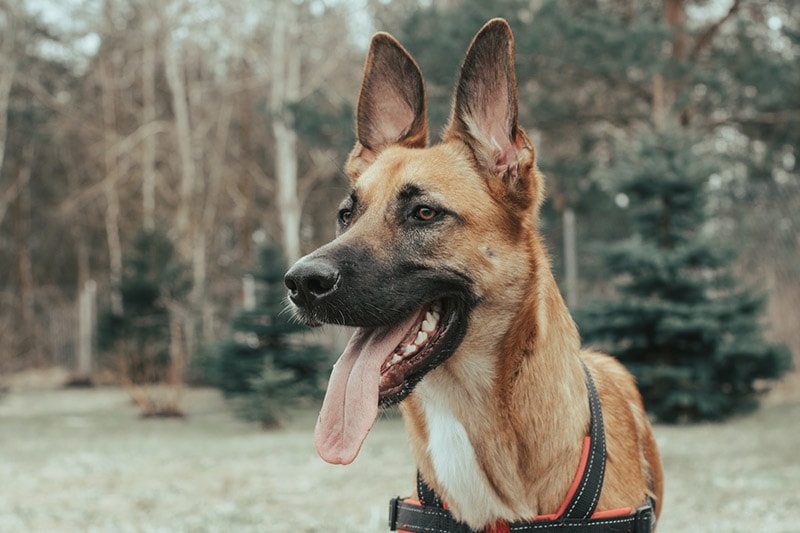
Dogs rely on body language to communicate how they’re feeling. While human ears have very limited mobility, dogs have a wider range of control of their ears, and their ears are often used to express their emotions or their state of being. So, it’s important to pay attention to your dog whenever they have their ears put back because it means that they’re trying to tell you something.
Dogs can put their ears back for several different reasons. Some are positive, while others are related to distress. Here are eight common reasons why your dog might put their ears back.

The 8 Reasons Why Dogs Put Their Ears Back
1. Fear
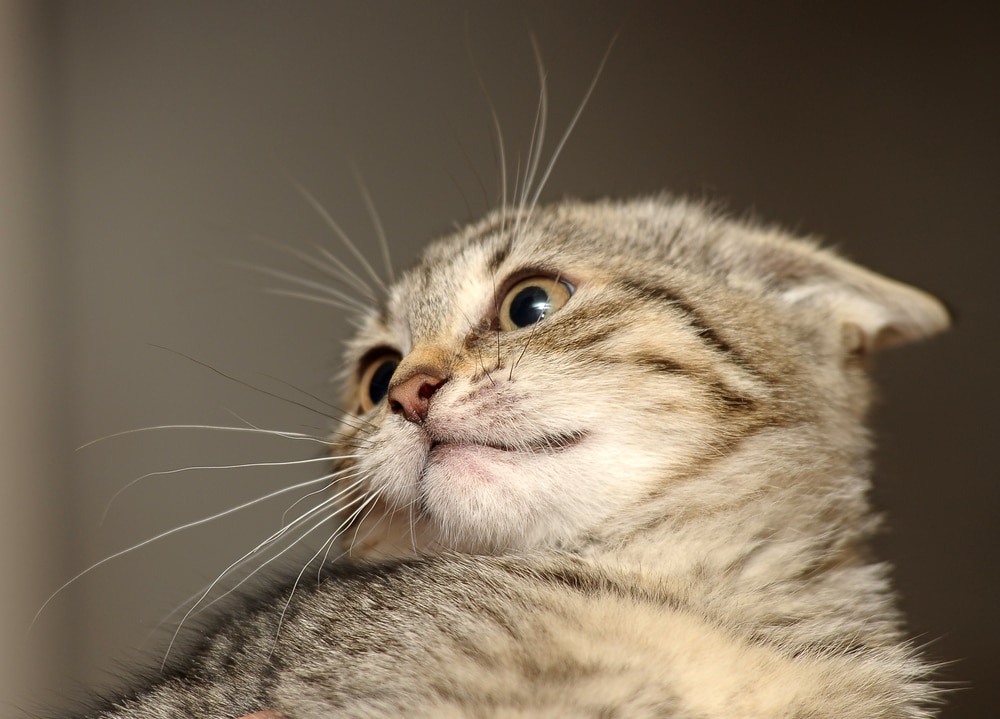
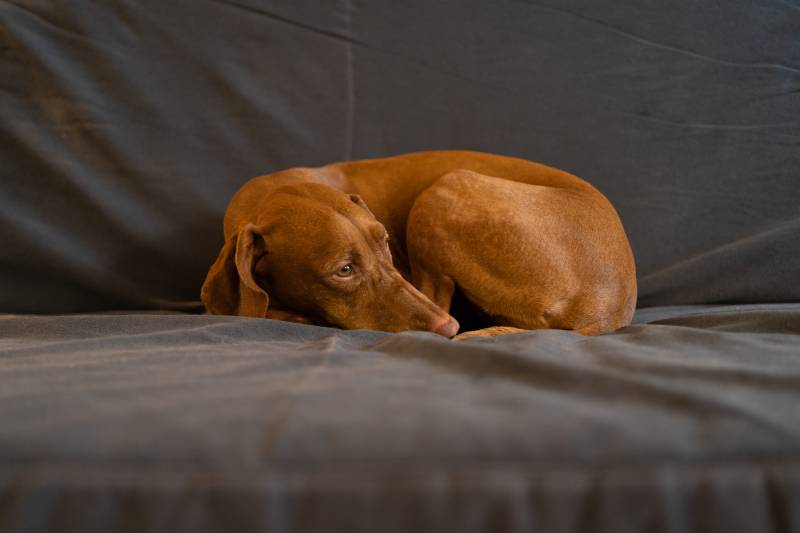
It’s very common for dogs to put their ears back when they’re feeling afraid or nervous. Anxious or nervous dogs will often display other signs along with pulling back their ears. They can lick their lips excessively, avoid eye contact, and have widened eyes. Their bodies are often crouched, and their tails will be down or tucked between their legs. Your dog may also seek comfort from you or try to hide in a small space.
2. Sadness
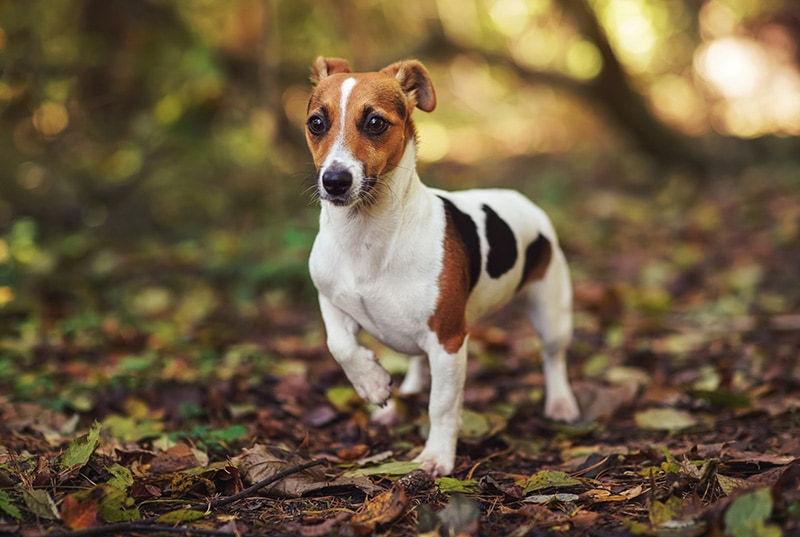
Dogs can feel sadness and experience depression. Many different factors can cause sadness or depression in dogs, including sudden and significant life changes, a death in the family, and boredom. They can express their sadness by drooping their ears.
Dogs that are sad or depressed often become more withdrawn and disinterested in engaging in activities they usually enjoy. They often have changes in appetite, may mope around, or appear lethargic.
3. Listening
Dogs can pick up on many noises that humans can’t hear. If a sound piques their interest, they often swivel their ears around to hear it more clearly. So, your dog may put their ears back as a means of trying to hear a sound.
If your dog is listening for a particular sound, their ears don’t usually stay still. They can twitch or move around, and they can also become upright.
4. Appeasement
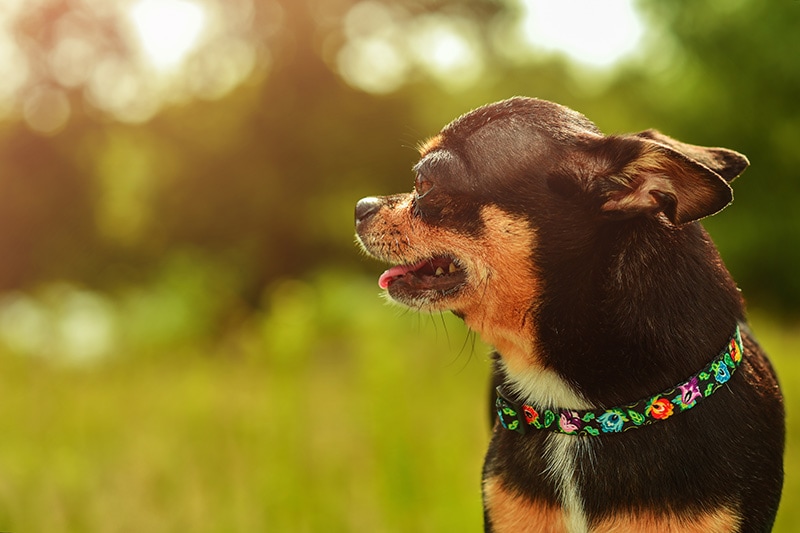
Sometimes, dogs will pull back their ears when they want to show that they’re friendly and mean no harm. It can be a sign of submission, and they may be more inclined to pull their ears back when they’re around other dogs.
Other signs of appeasement and submission include lowering the tail, avoiding eye contact, and exposing the belly. Some dogs may lick the other dog’s muzzle, and others may urinate suddenly.
5. Relaxation
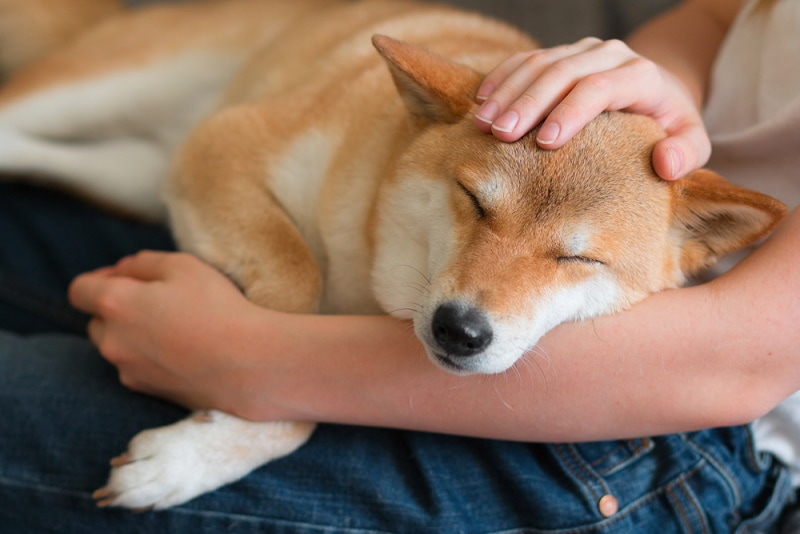
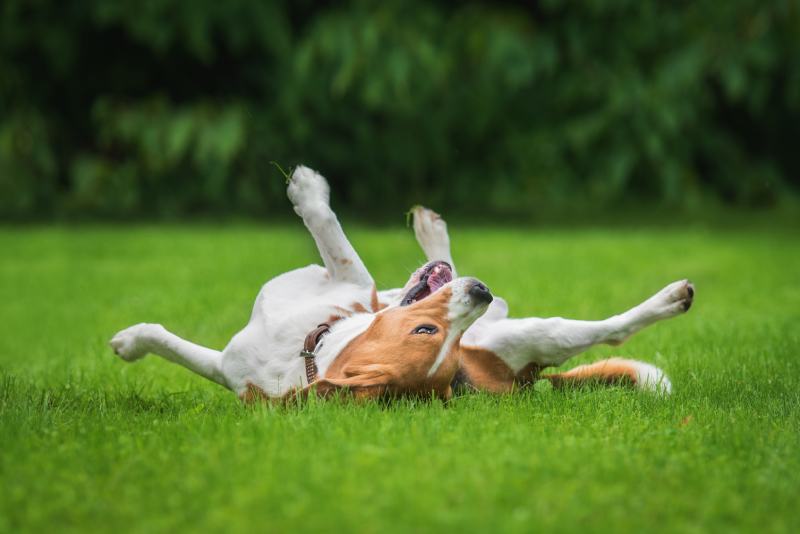
Putting their ears back can also be a sign of relaxation and contentment. Your dog may not feel the need to be alert and will choose to relax their body. Many dogs may pull their ears back and relax after exercising.
Make sure to look for other signs of relaxation from your dog when their ears are pulled back. They can be lying on their sides or lying with their belly exposed. They may have a sleepy expression on their face and end up taking a nap.
6. Aggression
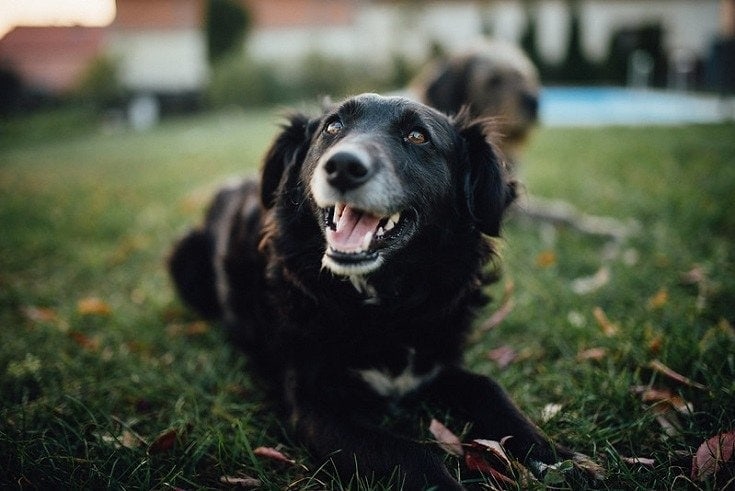
Ears that are pulled back can indicate aggression. Dogs that feel threatened may put their ears back as a warning sign that they’re getting ready to attack. Other signs of aggression include growling, snarling, and getting ready to lunge.
Dog aggression can cause accidents with serious consequences. So, if your dog is showing signs of aggression, it’s important to address it right away and work with a professional dog trainer to help your dog and prevent any dog bites and injuries from occurring.
7. Seeking Safety
Dogs may pull their ears back as a means of safety. In this context, your dog is looking for ways to keep their ears safe and prevent an attacker or threat from grabbing their ears. It’s a protective move, and your dog’s whole body will also take on a more protective stance.
Some dogs may also try to make themselves look as small as possible. They’ll achieve this by curling up their body, tucking their tail, or being crouched in a position that’ll enable them to run away from a threat as quickly as possible.
8. Courting Behavior
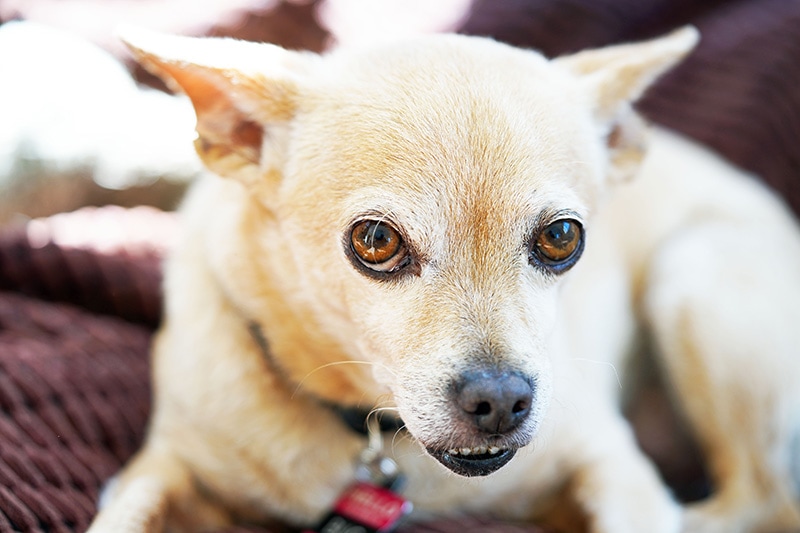
Pulled back ears can be a sign that a dog is trying to court another dog. Male dogs can pull back their ears when they meet a female dog as a sign that they’re interested in her. It can also be a way to communicate that they’re non-threatening.
Keep in mind that dogs that have been spayed or neutered can still display mating behaviors, especially if they’re young adults. However, these behaviors usually decrease and diminish over time as the dog ages.

What to Do If My Dog Puts Their Ears Back
Remember, context is everything. Dogs can pull their ears back for a variety of reasons, so it’s important to look for clues and possible triggers that may be causing this behavior. Check the environment to see if there’s anything that may cause your dog to feel threatened, anxious, or stressed out. It can be a physical object, a person, a smell, or a sound.
If your dog is in pain, they will typically show other signs of pain. They may whine, whimper, or want to draw closer to you. If they have an injury, they may also have difficulty walking or have a limp. Make sure to get your dog to your veterinarian as soon as possible if you suspect that your dog is in pain. Your veterinarian can complete a physical exam and run diagnostic tests to determine if there’s a medical reason that’s causing your dog to put their ears back.
Dogs that put their ears back due to behavioral issues, like anxiety or aggression, often benefit from working with a professional dog trainer or behaviorist. These professionals can help you find out what’s triggering this behavior and help you develop a plan to reduce your dog’s anxiety or aggression.
Conclusion
Dogs can put their ears back for a variety of reasons. Gathering context clues can help you determine why your dog may pull their ears back. If you suspect that your dog is flattening their ears because of a medical reason or behavioral issue, make sure to get in contact with the appropriate professional. Paying attention to the ways your dog communicates with their ears can help them feel understood and encourage them to trust that you will take good care of them.
Featured Image Credit By: Christine Bird, Shutterstock
Get Hepper In Your Inbox


Pet care tips from our vets and experts, straight to your inbox.
You may opt-out at any time. View our Privacy Policy for more information.
Jessica is a freelance writer who spends most of her day reading and writing while her fluffy Cavapoo, Nora, naps beside her. She loves and appreciates pets and animals because there’s so much to learn from them, and they do so much for people. As a dog mom, she understands the special relationship that pet parents have with their pets. So, she loves sharing helpful information that people can use to better understand their pets. When she’s not writing, you can find her walking dogs, tending to her plant babies, or drinking her nth cup of coffee.
Join the conversation
Ask a question, share your story, or send private feedback.