Hepper is reader-supported. When you buy via links on our site, we may earn an affiliate commission at no cost to you. Learn more.
Why Do Dogs Sigh? Our Vet Explains


In this article
Every dog parent has noticed their furry companion letting out a big, dramatic sigh now and then. The first reason that comes to mind is that they are simply bored. But is that true? What if there was another, less obvious reason for those long, exaggerated sighs? That’s what we explore in this article: the science behind why dogs sigh and what they might be trying to tell us when they do.

Why Do Dogs Sigh?
Many experts have pondered the meaning of a dog's sigh, which is defined as taking a deep audible breath and exhaling loudly. While there is no definitive answer, most agree that sighs are how dogs express their emotions. But understanding the exact meaning of a sigh requires patience and observation, which means studying your dog's body language.
Common Reasons That Dogs Sigh
Relaxation, Contentment, and Pleasure
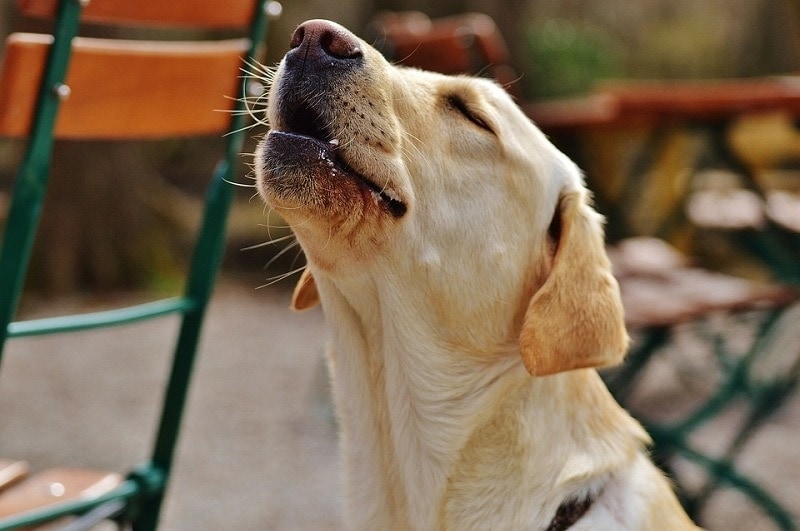
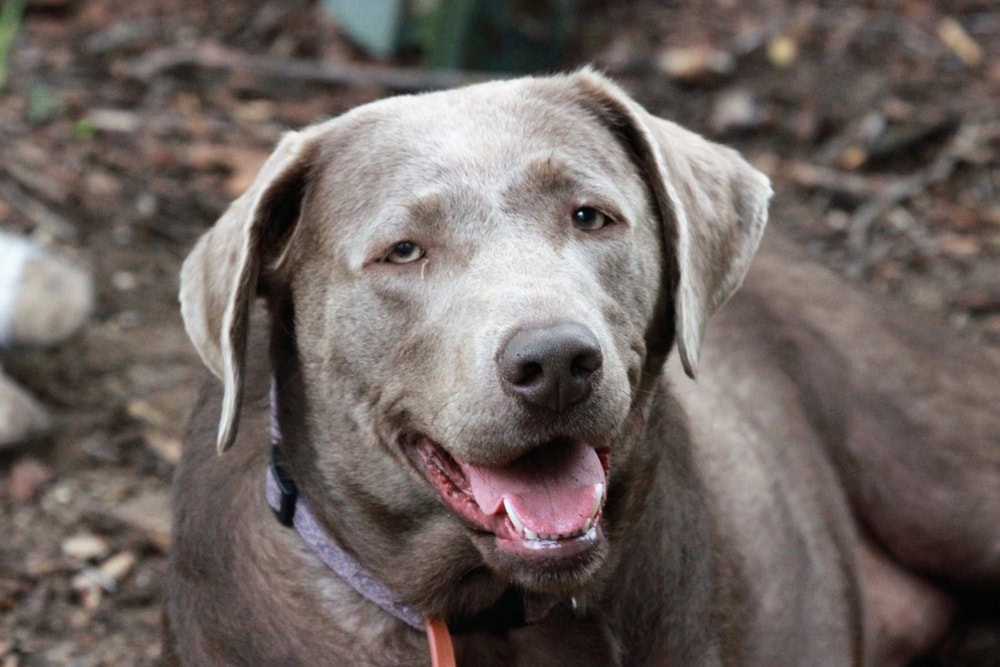
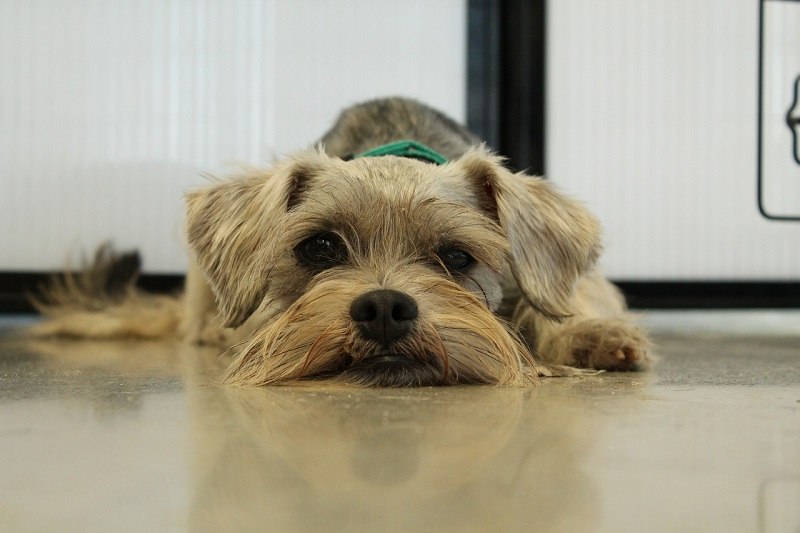
One common reason that dogs sigh is that they are simply feeling content and at ease. According to the American Kennel Club (AKC),1 a sigh from your furry friend may indicate that they are happy and relaxed, especially when they are lying down with their head on their forepaws. If you notice your pup sighing while you pet them or when they are resting, it's a good sign that they are content. Also, if their eyes are partially closed, it's likely that they are thoroughly enjoying the moment.
Your dog may also sigh when they settle down next to you or even on top of you to relax.

Anxiety
Conversely, it can be a sign of anxiety. The body language that dogs use to express anxiety can be quite subtle to humans but when you know what to look for it will be much easier. Look for any evidence that your dog is turning away from you or the situation. Look to see if their eyes, face or body is turning away. If this is the case move away and give your pet space or relief from the environment they are anxious about.
Disappointment and Frustration
Your canine companion might also let out a sigh when they are not happy with something. Your dog can get disappointed or frustrated, especially when you tell them to stop playing or refuse to take them for a walk!
Tiredness
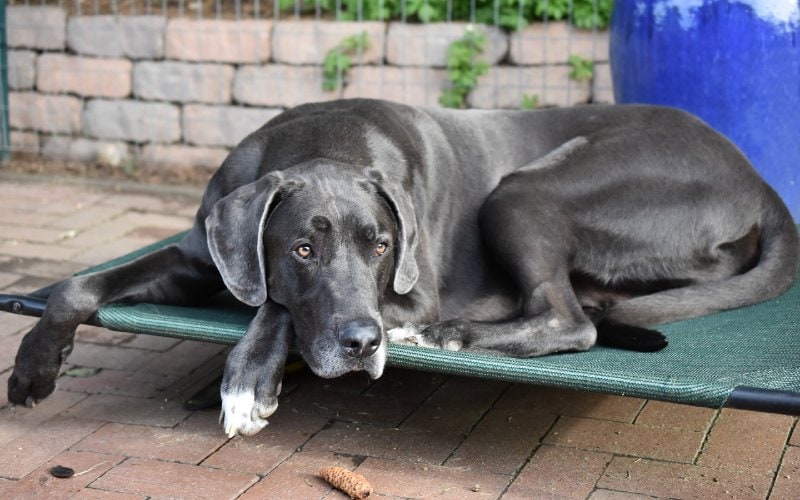
A big sigh after a long walk could mean your pup is tired and needs a nap.
Boredom
We all get bored sometimes and dogs are no exception! In this case, taking them for a brisk walk or playing with them can cheer them up. This behavior is fairly common in dogs and shouldn't cause you concern unless it’s accompanied by other signs of a possible health problem, such as lack of appetite, loss of interest in play, lethargy, etc.
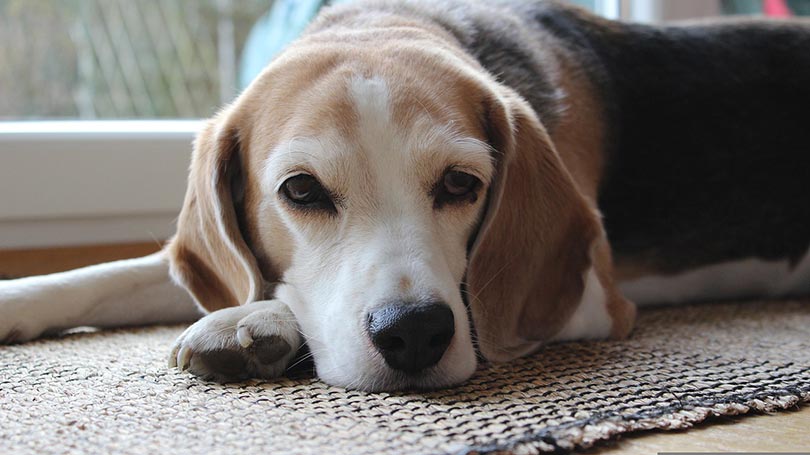
Sadness
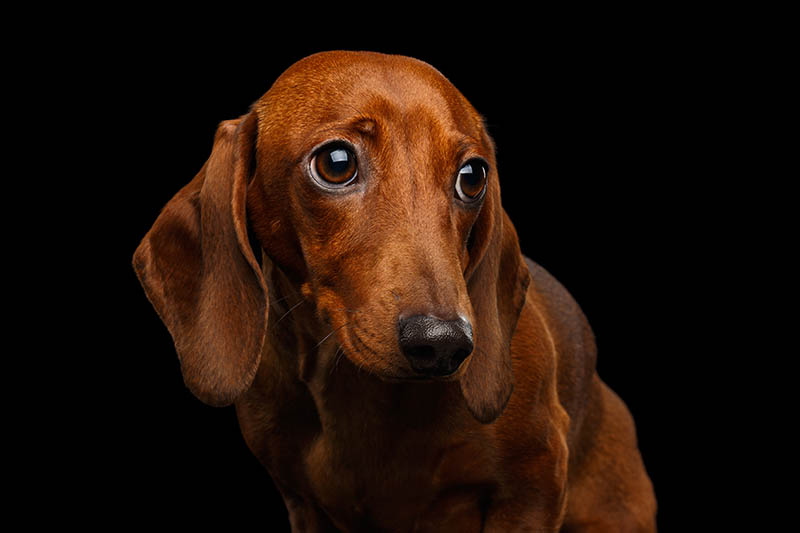
Dogs sometimes sigh when their favorite human leaves without them. If in addition to sighing, your canine companion is uninterested in playing or seems tired, it could be a sign of sadness. But that should only be temporary. If your pet is still in a gloomy mood when you return, there may be something wrong.
When Do Your Dog’s Sighs Become a Cause for Concern?
Most often, your dog’s sighs are nothing to worry about. However, when a sigh is accompanied by moaning, it can be a sign of pain, discomfort, or soreness.
This is often the case with dogs suffering from osteoarthritis or stomach issues, as they can sigh even when at rest. Other signs to watch for include whining, groaning (usually only seen in adult dogs, as puppies may groan to show happiness), and making a whistling noise when breathing or sighing.
High levels of sighing could also indicate stress. In 2016, a study examined stress-related behaviors in 28 dogs.2 Researchers identified high levels of sighing as a sign of stress resulting from physical and social isolation, in addition to circling, recurrent yawning, panting, trembling, and lip licking.
The bottom line is that if your pup sighs frequently, lacks appetite or energy, seems anxious or stressed, and shows other concerning signs, it's time to see your veterinarian.

Tips for Keeping Your Dog Happy
Sighing is usually not a concern in healthy dogs. But if you are worried about their well-being, there are a few things that you can do to keep them happier and healthier:

Final Thoughts
Most of the time, when your dog sighs loudly, they are simply trying to communicate to you how they feel. This can range from boredom and sadness to contentment and relaxation, hence the importance of considering the context in which your dog sighs. For example, they may sigh when you tell them to lie down, but they really want to go for a walk!
That said, there are times when sighing can mean that something is wrong, especially when those big exhales are accompanied by other worrisome signs that suggest a possible undiagnosed medical condition. Seek advice from your vet if you have any concerns.
Sources
Featured Image Credit: trwirth, Pixabay
Get Hepper In Your Inbox


Pet care tips from our vets and experts, straight to your inbox.
You may opt-out at any time. View our Privacy Policy for more information.
Genevieve, a biologist and science writer, who harbors a profound affection for capuchin monkeys, pumas, and kangaroos. This passion has led her to travel extensively, volunteering and working at wildlife rehabilitation centers in Bolivia, Guatemala, Canada, and Australia. Now residing in Argentina as a Canadian expat, Genevieve enjoys the view of horses and cows greeting her from the vast plains outside her home office window. She proudly cares for three rescued dogs—Lemmy, Nala, and Pochi—and a playful kitten named Furiosa. Sharing her extensive knowledge and love for animals brings her immense joy and fulfillment.
Join the conversation
Ask a question, share your story, or send private feedback.